


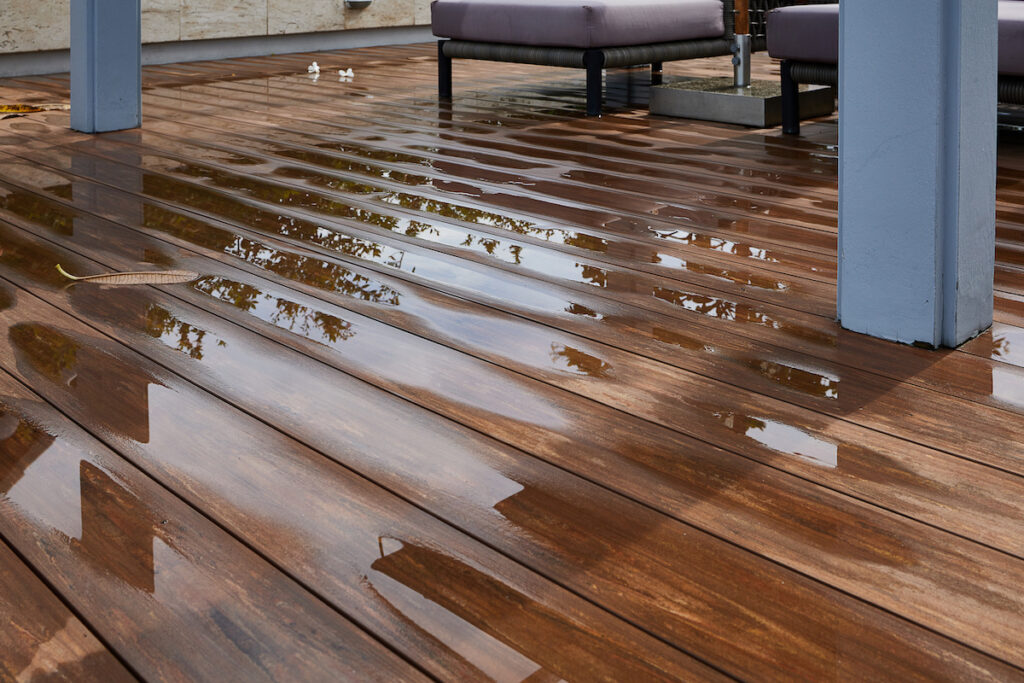
If your hardwood floor is showing signs of water damage—cupping, warping, discoloration—you need to act fast. In this post, you’ll learn how to fix water damaged hardwood floors using expert-approved DIY methods and when it’s time to call professionals like PuroClean of Bellflower. From spotting hidden moisture to preventing mold, we’ve got you covered.
Table of Contents
What Causes Water Damaged Hardwood Floors?
Water damaged hardwood floors can result from a variety of causes—leaky appliances, burst pipes, roof leaks, flooding, or even over-mopping. Since wood is porous, it absorbs water quickly, leading to swelling, warping, and mold growth if not addressed promptly.
1. Identify the Type of Water Damage
Q: How do I know if my wood floor is water damaged?
Check for these signs of water damaged hardwood floors:
- Warping or cupping
- Discoloration or gray/black spots
- Moldy smell
- Soft or spongy wood
Quick Tip: Use a moisture meter (available at hardware stores) to detect hidden moisture beneath your floorboards.
2. Stop the Source and Dry the Area Immediately
Before fixing any water damaged hardwood floors, stop the source of water and dry the area.
DIY Steps:
- Use towels and a wet/dry vacuum to remove standing water.
- Run fans and dehumidifiers for at least 48–72 hours.
- Lift baseboards to allow airflow beneath.
Why it matters: Delays can lead to mold growth and permanent structural damage. According to FEMA, mold can start growing within 24–48 hours of water exposure.
3. Disinfect and Prevent Mold Growth
Even after drying, your floor may be at risk of mold from water damage.
What to do:
- Clean the surface with a mild solution of water and vinegar.
- Spray affected areas with a mold inhibitor (EPA-recommended products listed here).
Don’t ignore this step. Mold under hardwood floors is often hidden and can lead to health risks.
4. Address Swelling and Cupping
Water damaged hardwood floors often swell or cup due to moisture absorption.
Fixing Minor Cupping:
- Gradually dry the wood with fans and time (don’t sand yet).
- Reintroduce humidity slowly with humidifiers to balance levels.
Severe Damage:
You’ll need professional sanding and refinishing—or plank replacement.
5. Remove and Replace Severely Damaged Boards
If your hardwood planks are buckling or rotting, replacement is necessary.
DIY Tips:
- Use a pry bar to lift damaged boards.
- Check subfloor for signs of mold or rot.
- Replace with matching boards, then sand and refinish.
Important: Don’t skip checking the subfloor—damage there can spread fast.
6. Sand and Refinish
Once moisture levels are stabilized and damage removed, sanding helps restore the surface.
- Use a drum sander to smooth the floor.
- Apply stain and multiple coats of polyurethane finish.
This works best when 60–70% of the floor is still in good condition.
7. Know When to Call a Professional
If the water damaged hardwood floors cover a large area or involve Category 2 or 3 water (gray or black water from sewage or flooding), DIY is not safe or sufficient.
Call experts like PuroClean of Bellflower for:
- Professional moisture detection
- Safe mold remediation
- Subfloor and structural drying
- Insurance claim assistance
Don’t risk your health or property. When in doubt, call in certified pros.
FAQs About Water Damaged Hardwood Floors
Q: Can I fix water damaged hardwood floors myself?
Yes—for minor damage like cupping or light discoloration. However, widespread, moldy, or black water damage needs professional attention.
Q: How long before water damages wood floors permanently?
Mold can start forming within 24 to 48 hours. If water isn’t removed quickly, damage can become irreversible in just a few days.
Q: Will insurance cover water damage to hardwood floors?
Most homeowners insurance covers sudden and accidental water damage—not gradual leaks. Check your policy or consult your provider.
Q: Can mold grow under hardwood floors?
Absolutely. Moisture trapped under the floor can lead to hidden mold, which is dangerous and requires professional removal.
What’s the Best Way to Fix Water Damaged Hardwood Floors?
To fix water damaged hardwood floors:
- Act fast to remove water.
- Dry thoroughly using fans and dehumidifiers.
- Clean and disinfect.
- Repair or replace damaged boards.
- Sand and refinish.
- Call professionals for extensive or hazardous damage.
When in doubt, trust the experts.
Need Help? Call PuroClean of Bellflower Today!
If your water damaged hardwood floors are beyond a quick fix, PuroClean of Bellflower is here to help. Our IICRC-certified technicians specialize in:
- Water damage restoration
- Mold remediation
- Structural drying
- Insurance coordination
Call us at (562) 356-8500 or visit our website to request 24/7 emergency restoration in Bellflower and surrounding areas. We restore more than your floor, we restore your peace of mind.