 PuroClean of Bellflower
 Table of Contents

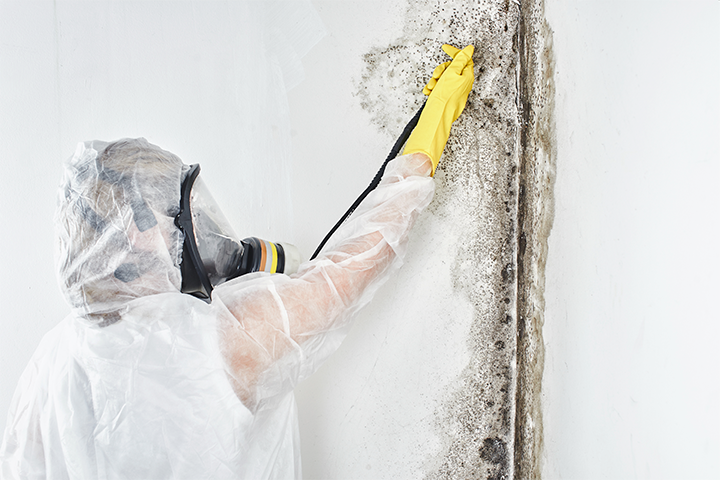
Mold on walls is a common yet frustrating issue for homeowners and property managers. Not only does it create an unpleasant sight, but it can also lead to serious health risks and structural damage if left untreated. Understanding why mold on walls occurs and how to prevent it can help you maintain a safe and healthy living environment.
What Causes Mold on Walls?
1. Excess Moisture
Mold thrives in damp conditions. If there is high humidity, condensation, or water leaks in your home, mold spores can quickly multiply, leading to mold on walls.
2. Poor Ventilation
Lack of air circulation can trap moisture indoors, creating the perfect breeding ground for mold. Areas like bathrooms, kitchens, and basements are particularly prone to mold growth due to limited airflow.
3. Water Leaks and Flooding
Leaky roofs, burst pipes, or flooding can introduce large amounts of water into walls, making them highly susceptible to mold infestation. If water damage isn’t promptly addressed, mold can spread rapidly.
4. Condensation Buildup
When warm air comes into contact with cold surfaces, condensation forms. This often occurs on windows, exterior walls, and uninsulated surfaces, promoting mold growth over time.
5. Organic Materials
Mold feeds on organic materials like wood, drywall, and wallpaper glue. If moisture is present, these materials become a food source for mold, accelerating its spread.
How to Prevent Mold on Walls
1. Control Indoor Humidity
Keep humidity levels in your home between 30-50%. Use dehumidifiers, air conditioners, or exhaust fans to reduce excess moisture, especially in humid regions.
2. Improve Ventilation
Ensure proper airflow by opening windows, using ceiling fans, and installing ventilation systems. Good air circulation prevents moisture from lingering on surfaces.
3. Fix Water Leaks Promptly
Inspect your home regularly for leaks in the roof, plumbing, and foundation. Repair any water damage immediately to prevent mold from taking hold.
4. Use Mold-Resistant Paint and Materials
Applying mold-resistant paint in high-risk areas like bathrooms and kitchens can add an extra layer of protection. Additionally, opt for moisture-resistant drywall to minimize the risk of mold growth.
5. Clean and Dry Affected Areas Immediately
If you notice condensation or minor water damage, wipe the affected areas dry and clean them with a mold-killing solution such as vinegar or hydrogen peroxide.
6. Monitor Indoor Temperature
Keeping your home at a consistent temperature reduces the chances of condensation buildup. Avoid sudden temperature fluctuations that can create excess moisture.
7. Regular Inspections and Maintenance
Check walls, ceilings, and basements frequently for signs of mold. Routine maintenance helps identify potential problems before they escalate.
The Dangers of Ignoring Mold on Walls
Neglecting mold on walls can have serious consequences, including:
- Health Issues – Mold exposure can trigger allergies, respiratory problems, and infections, particularly in children, the elderly, and individuals with weakened immune systems.
- Structural Damage – Over time, mold can weaken walls, drywall, and wooden structures, leading to costly repairs.
- Unpleasant Odors – Mold emits a musty smell that can make your home feel unclean and unwelcoming.
FAQs About Mold on Walls
1. Can I paint over mold on walls?
No, painting over mold only covers the problem temporarily. The mold will continue to grow beneath the paint, eventually reappearing. It’s essential to remove the mold first before repainting.
2. How do I know if the mold on my walls is toxic?
While most molds are not highly toxic, some, like black mold, can release harmful mycotoxins. If you suspect toxic mold, it’s best to have a professional inspection and remediation.
3. Is bleach the best way to remove mold?
Bleach can remove surface mold but may not eliminate the root of the problem. Vinegar, hydrogen peroxide, or professional-grade mold removers are often more effective for long-term prevention.
4. Can mold grow inside my walls?
Yes, mold can develop behind walls, especially if there is hidden water damage. If you notice a musty smell or persistent dampness, consult a mold remediation expert.
5. When should I call a professional for mold removal?
If the mold covers a large area (more than 10 square feet), keeps returning, or causes health issues, it’s best to seek professional mold remediation services.
Get Professional Mold Remediation with PuroClean of Bellflower
If you’re dealing with persistent mold on walls, DIY solutions may not be enough. At PuroClean of Bellflower, we specialize in professional mold remediation services that eliminate mold at its source, ensuring your home stays safe and healthy. Our experts use advanced techniques to assess, contain, and remove mold, preventing it from returning.
Don’t let mold take over your home! Contact PuroClean of Bellflower today at (562) 356-8500 for inspection and remediation and let us restore your indoor air quality.


 PuroClean of Bellflower