

Table of Contents
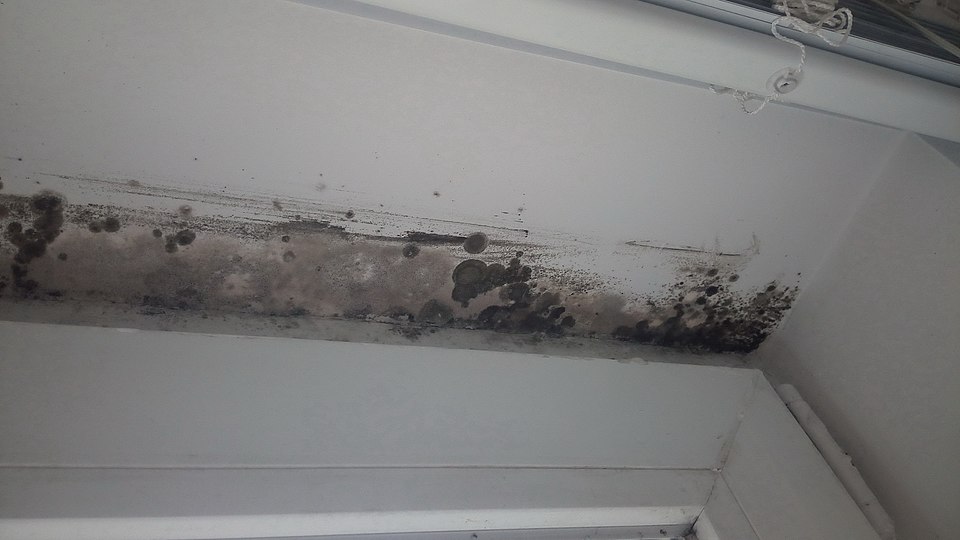
Mold toxicity refers to adverse health effects caused by exposure to toxic mold and the substances they release, particularly mycotoxins. Not all molds produce mycotoxins, but common culprits like Stachybotrys (black mold), Aspergillus, and Penicillium can when growing in moisture-rich environments. These microscopic compounds can become airborne and enter your body through inhalation, ingestion, or skin contact.
Mycotoxins can damage various systems in the body, especially when exposure is chronic. The effects range from mild allergies to serious conditions like neurological impairment and immune suppression.
Symptoms of Mold Toxicity
Identifying mold toxicity early is crucial to preventing long-term health complications. Common symptoms include:
Respiratory Issues
- Persistent coughing
- Wheezing or asthma attacks
- Sinus congestion
- Shortness of breath
Neurological and Cognitive Symptoms
- Brain fog
- Headaches
- Difficulty concentrating
- Memory issues
- Mood swings
Skin and Eye Irritation
- Rashes
- Itchy or watery eyes
- Redness and inflammation
Immune System Effects
- Frequent colds or infections
- Chronic fatigue
- Inflammatory responses
These symptoms are often mistaken for other conditions, making diagnosis tricky without awareness or professional evaluation.
Where Mold Toxicity Starts: Common Mold Zones
Mold thrives in moist, dark environments. Areas to check in your home include:
- Bathrooms: Leaky pipes and poor ventilation
- Basements: Flood damage or high humidity
- Kitchens: Under sinks or near refrigerators
- HVAC Systems: Hidden moisture within ducts
- Attics: Roof leaks or poor insulation
According to FEMA, mold can start growing within 24 to 48 hours of water damage. The CDC also warns against ignoring mold, regardless of type, due to the potential health risks.
Mold Toxicity vs Mold Allergy
While both involve reactions to mold exposure, mold toxicity is more severe and systemic. Mold allergies usually cause sneezing, runny nose, or itchy eyes. Mold toxicity can affect your brain, lungs, and immune system. If your symptoms go beyond typical allergic reactions, you may be dealing with toxicity.
How to Diagnose Mold Toxicity
There’s no single test to diagnose mold toxicity definitively, but here are common steps:
- Medical Evaluation: Functional medicine practitioners often test for mycotoxins using urine tests.
- Environmental Testing: Professionals can assess your home using air quality sampling and surface testing.
- Symptom Tracking: Document when and where symptoms appear—this often helps pinpoint mold-related causes.
Mold Prevention and Remediation
Prevention Tips
- Maintain indoor humidity below 60%
- Fix leaks promptly
- Use exhaust fans in high-moisture areas
- Clean and dry wet materials within 24 hours
- Ensure proper ventilation throughout your home
When to Call Professionals
- You see visible mold covering more than 10 sq. ft.
- You experience repeated water damage
- Your symptoms persist or worsen
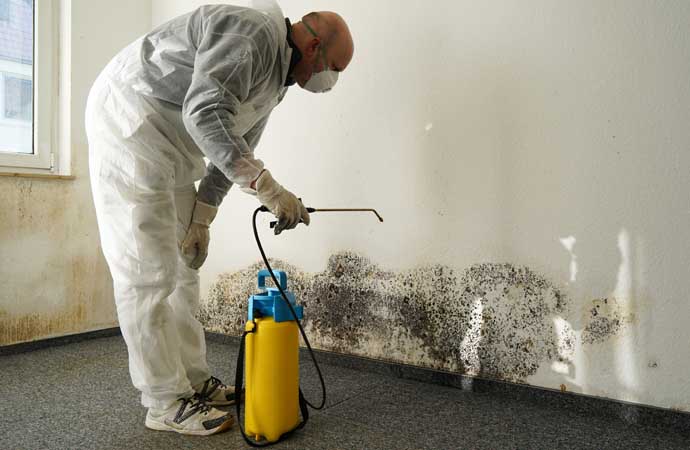
Professional remediation includes:
- Moisture source detection
- HEPA filtration and negative air pressure
- Safe mold removal and disposal
- Preventive sealing and air quality restoration
FAQs
Q: Is black mold the only dangerous type?
A: No. While black mold gets the most attention, other types like Aspergillus and Penicillium can also produce harmful mycotoxins.
Q: Can mold toxicity be reversed?
A: Many symptoms can improve with proper treatment and removal from the exposure source. Recovery varies by person.
Q: Are children more vulnerable to mold toxicity?
A: Yes. Developing immune systems and smaller airways make children more susceptible.
Q: Does insurance cover mold remediation?
A: It depends on your policy. Some plans cover mold caused by sudden incidents like pipe bursts but not long-term neglect.
Q: How fast does mold grow after a leak?
A: Mold can begin growing within 24–48 hours if conditions are right.
Final Thoughts: Don’t Ignore the Warning Signs
Mold toxicity is not something to brush off. If you or your loved ones are experiencing unexplained symptoms and you suspect mold may be to blame, take action now. Early detection and professional mold remediation can save your health, home, and peace of mind.
Call PuroClean of Bellflower Today
At PuroClean of Bellflower, we specialize in thorough mold inspections, moisture control, and complete mold remediation. Our certified technicians use advanced technology to detect, isolate, and eliminate mold safely. Whether you’re dealing with visible mold or suspect hidden toxicity, we’re here to help.
Don’t wait for your health to suffer. Call PuroClean of Bellflower on (562) 356-8500 for a fast, reliable solution.