


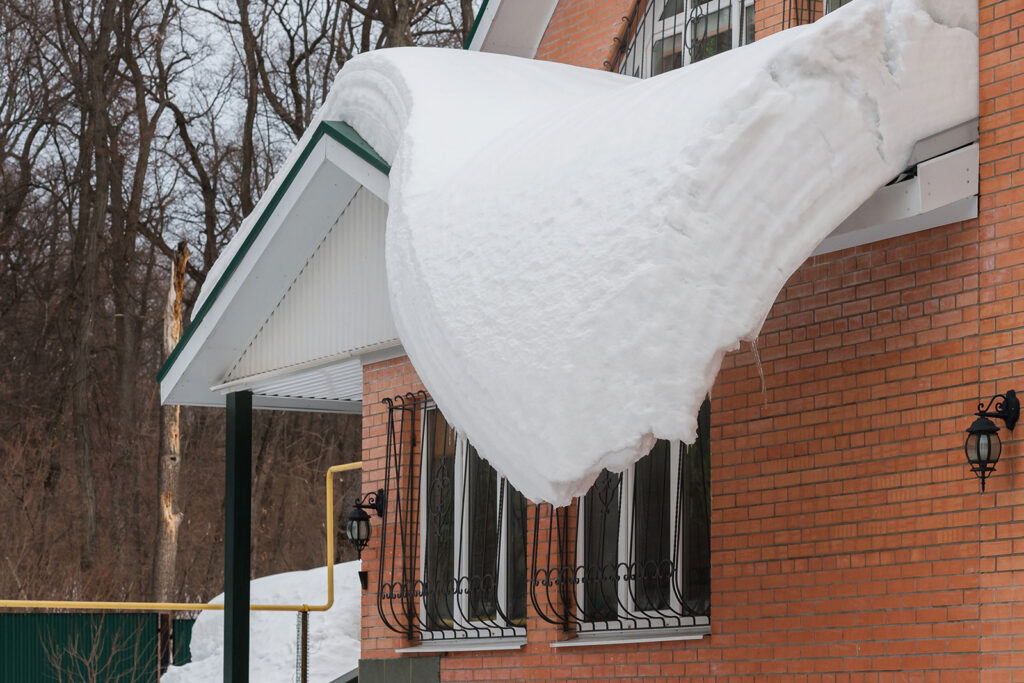
Even though most building codes require that residential roofs support the most significant snowfalls in your area, there is still a risk of roof damage. The main reasons to clear the snow from roofs are to prevent ice dams (which can lead to property damage caused by leaks) and cave-ins.
According to the National Weather Service, heavy wet snow can place dangerous stress on residential roofs.
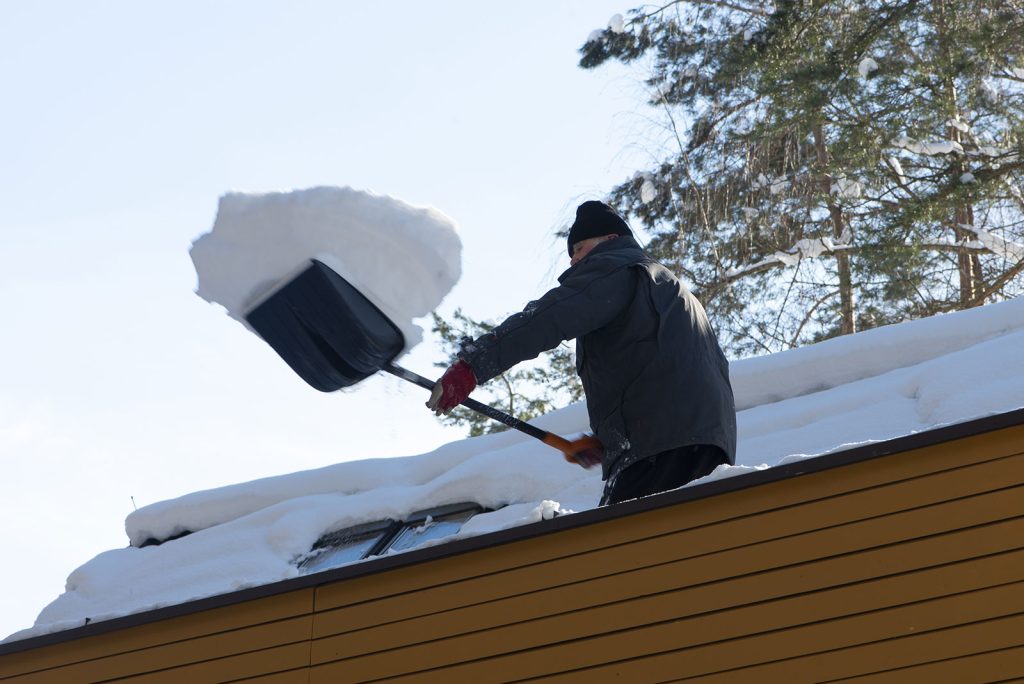
Even though most building codes require that residential roofs are built to withstand the heaviest snowfalls typical in your area, there is still a real risk of roof damage during winter storms. Snow accumulation can quickly exceed safe limits, especially during back-to-back storms, fluctuating temperatures, or when heavy, wet snow piles up. The primary reasons to remove snow from a roof are to prevent ice dams—which can lead to serious interior leaks—and to reduce the risk of structural stress or even collapse. If you’re considering removing snow from your roof, it’s critical to do it safely and strategically.
Why Snow Removal Matters
Snow may look light and fluffy, but it can become extremely heavy. Wet snow can weigh more than 20 pounds per cubic foot. When several inches—or even feet—accumulate, that weight puts significant pressure on your roof structure. Over time, this stress can weaken supports, cause sagging, and create cracks that allow moisture to enter.
Ice dams are another major concern. They form when heat escaping from your attic melts snow on the roof. The melted water runs down toward the colder eaves and refreezes, creating a ridge of ice. As more snow melts, water gets trapped behind the ice dam and can seep under shingles, leading to water damage inside walls, ceilings, insulation, and electrical systems.
Follow These Guidelines to Safely and Effectively Remove Snow From a Roof
1. Monitor Snow Depth
To prevent large accumulations, consider removing snow when it reaches about 6 inches in depth. Staying ahead of heavy buildup reduces stress on the roof and lowers the likelihood of ice dam formation.
2. Leave a Protective Layer
Avoid scraping the roof down to bare shingles. Leave at least 2 inches of snow to prevent accidental damage to roofing materials. Shingles can be fragile in freezing temperatures, and aggressive removal may cause cracking or tearing.
3. Stay on the Ground When Possible
If you live in a single-story home, the safest method is to remain on the ground and use a roof rake with a telescopic handle. These rakes are designed to pull snow down without requiring you to climb onto the roof. For taller homes, focus on clearing overhangs and eaves where ice dams typically form.
4. Watch for Power Lines
Exercise extreme caution around overhead electrical lines. Snow rakes and extension handles can easily make contact with live wires, creating a serious electrocution hazard.
5. Avoid Going on the Roof Alone
If using a rake isn’t effective and snow must be shoveled directly from the roof, understand that this is a high-risk task. Slippery surfaces, hidden ice patches, and unstable snow layers increase the danger of falls. Hiring a licensed and insured contractor is the safest and most reliable option.
6. Use Proper Safety Equipment
If you decide to shovel the snow yourself, ensure your ladder is stable and placed on solid, level ground. Wear slip-resistant footwear and use a safety harness anchored securely. For sloped roofs, begin at the ridge and work your way down toward the eaves to maintain balance and avoid shifting large snow loads suddenly.
7. Avoid Mechanical Equipment
Never use mechanical snow removal equipment on your roof. These tools can easily damage shingles, flashing, and gutters. Even small surface damage can lead to long-term leaks and costly repairs.
8. Skip the Salt
While salt melts ice, it can discolor shingles, corrode metal components, and damage landscaping below as melted runoff drips down. Instead of spreading salt, focus on proper snow removal and improving attic insulation and ventilation to prevent ice dams from forming in the first place.
9. Dispose of Snow Carefully
When clearing snow, deposit it in designated areas away from walkways, entrances, ventilation openings, and downspouts. Piling snow near exits can create safety hazards, and blocking drainage systems can lead to water backup issues when melting begins.
Preventative Measures Go Beyond Snow Removal
The best defense against winter roof damage starts before the first snowfall. Proper attic insulation and ventilation reduce heat loss and help prevent uneven melting that leads to ice dams. Cleaning gutters before winter ensures proper drainage. Regular roof inspections can identify weak spots, damaged shingles, or flashing issues that could worsen under snow loads.
Contact Us for Professional Property Damage Restoration Services
If your home or business suffers damage from snow, ice, wind, or heavy winter storms, fast action makes all the difference. Water intrusion from ice dams or roof leaks can quickly lead to mold growth, structural deterioration, and interior damage.
PuroClean of Morrsitown is ready to help restore your property to its pre-loss condition. Our technicians are trained in the latest restoration techniques and use advanced equipment to extract water, dry affected areas, and prevent secondary damage. We’re available 24/7 because property damage doesn’t wait—and neither should you. Contact your local PuroClean office right away to protect your home or business and move forward with confidence.