


Table of Contents
Finding Your Footing After the Pacific Palisades Fire

Rebuilding after the Pacific Palisades Fire is about much more than repairing walls and repainting rooms. Homeowners, families, and local businesses are dealing with shock, loss, and a long list of confusing decisions at the same time. The financial strain is real, but so is the emotional weight of seeing a home or investment property altered by smoke, ash, water, and likely… heavy metals and other toxic contaminants.
In Pacific Palisades, wildfire damage comes with extra layers of difficulty. Many properties are high-value or historic, built on hillsides, with complex architectural details and views that catch every gust of coastal wind. Those same winds help spread smoke, soot, and ash into tiny gaps, attic spaces, ducting, and mechanical systems where damage is not always visible. When we talk about wildfire restoration in Pacific Palisades, we are talking about a process that must protect both your investment and safety.
True recovery means going beyond what you can see. It means addressing hidden toxins, checking structural stability, and making sure the air you breathe indoors is genuinely safer. At PuroClean of Pasadena, serving East Los Angeles, West Los Angeles, Malibu, Orange County, Manhattan Beach, Venice Beach, Santa Monica, and nearby communities like Pacific Palisades, we focus on comprehensive wildfire restoration that respects the value of your residential or commercial property and the health of everyone who lives or works there. We are available around the clock, and we bring experience with luxury and historic homes that need special care after fire and smoke damage to high value, exotic, and rare finishes.
Understanding Wildfire Damage in Pacific Palisades Homes
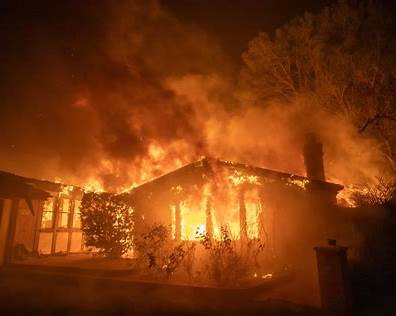
When a wildfire impacts Pacific Palisades, the damage does not stop at the burn line. Even homes that look “mostly fine” from the outside can be affected by a mix of issues, including:
• Direct flame damage to exterior walls, decks, windows, and roofing
• Radiant heat that can warp framing, crack glass, and weaken materials or damage seals
• Smoke and soot intrusion through vents, eaves, and tiny construction gaps
• Corrosive ash that settles on metal, stone, and electronics
• Water damage from firefighting efforts that soaks building materials and contents which ultimately leads to mold after 24-48 hours of the materials remaining wet
High-value and historic homes are especially vulnerable because they often include complex building envelopes, layered roofing, and custom finishes. These properties may contain:
• Fine woodwork, imported stone, layers of plaster, and specialty cabinetry
• Artwork, collections, and delicate textiles
• Wine cellars and climate-controlled storage
• Extensive electronics, servers, and smart home systems
• Older materials, such as lead-based paint or vintage fixtures
Smoke from wildfires is not just a bad smell. It can carry fine particulates, heavy metals, and combustion byproducts that settle in HVAC systems, wall cavities, and porous surfaces like drywall, rugs, and upholstery. These contaminants can irritate lungs, aggravate existing respiratory or cardiac issues, cause neurologic deficits and create ongoing concerns for families with children, older adults, or anyone with asthma or immune challenges.
Because of that, proper wildfire restoration in Pacific Palisades needs to start with a technical assessment, not just surface cleaning or fogging for odor. Our focus is on understanding what was damaged, where contaminants traveled, and how to remove or reduce them in a way that makes sense for both health and property preservation.
Why Heavy Metal and Lithium Testing Matters After a Wildfire
Wildfires do more than burn vegetation and wood. As they move through neighborhoods, they can release heavy metals and other toxins from:
• Burned structures and roofing materials
• Vehicles (including electric vehicle batteries) and machinery
• Household batteries and appliances
• Electronics and home office equipment
As these burn, they can leave behind residues containing heavy metals like lead, arsenic, and cyanide that may settle in dust, soil, and indoor surfaces. On top of that, lithium from burned electronics, solar equipment, and electric vehicle components can create additional contamination concerns that are not usually covered in basic smoke testing or initially covered by insurance. That is why we offer testing kits that can be ordered that will help give property owners enough evidence to prove through testing with industrial hygienist involvement is warranted. With these kits, we will send one of our own inspectors out to collect samples and provide a free assessment for wildfire damage.
We know that many homeowners want more than a “looks clean” result. They want objective information about the safety of their environment. PuroClean of Pasadena is one of the only restoration companies in our area that offers both pre-remediation and post-remediation testing specifically for toxic heavy metals such as lead and arsenic, as well as lithium.
Here is why that matters:
• Pre-remediation testing helps identify where contaminants are present and at what levels
• Results guide a targeted cleanup plan developed in cooperation with a licensed industrial hygienist so efforts are focused where they are truly needed
• Post-remediation testing provides evidence that contamination has been eliminated
• Homeowners gain written documentation that supports health decisions, future planning, and reduces liability
This science-based approach gives our clients a clearer picture of their property’s condition, rather than relying on guesswork or appearance alone.
Our Step-by-Step Approach to Wildfire Restoration in Pacific Palisades
Every wildfire loss is unique, but a structured process helps keep things organized and gives you some peace of mind during a stressful time. Our approach to wildfire restoration in Pacific Palisades typically includes several key phases.
1. Emergency Response and Property Protection
In the days, weeks, and months after a fire, the priority is stabilizing the situation. That can include:
• Securing the property and boarding up broken windows or doors
• Tarping damaged roofs to limit rain and debris intrusion
• Addressing obvious structural hazards and unsafe areas
• Helping protect valuables and salvageable contents from further damage or theft
2. Damage Assessment and Testing
Once the site is secure, we move into a detailed evaluation. This often involves:
• Documenting fire, smoke, soot, and water damage to structures and contents
• Reviewing impacts to finishes, cabinetry, stonework, and specialty materials
• Inspecting HVAC systems, filters, and ductwork for smoke and ash
• Coordinating with industrial hygienists where appropriate
• Collecting samples for heavy metal and lithium testing before major demolition or cleaning begins
3. Remediation and Cleaning
With a plan in place, we perform targeted cleanup. Depending on the property, that may include:
• Specialized dry and wet cleaning methods for soot and ash removal
• HEPA vacuuming of surfaces, crevices, and contents to capture fine particulates as well as chelation of heavy metals.
• Selective demolition of materials that cannot be cleaned or are structurally compromised
• HVAC and duct cleaning to reduce recirculating contaminants
• Odor neutralization techniques aimed at smoke molecules, not just masking smells
• Careful handling of high-end finishes, artwork, custom cabinetry, and other sensitive items
4. Reconstruction and Final Clearance
After cleaning, the focus shifts to putting everything back together:
• Rebuilding damaged framing, walls, and roofing
• Restoring finishes to pre-loss condition where possible
• Coordinating with your design team if upgrades or changes are planned
• Conducting post-remediation testing for heavy metals like lead and arsenic, and battery fire contaminants like lithium
• Providing documentation that supports a safe return to occupancy
Protecting Your Health, Investment, and Insurance Claim
Fire damage restoration is not only about today; it is also about protecting your long-term health and financial stability. High-value homes in Pacific Palisades represent significant investments, and how the loss is documented can affect what your insurance carrier will consider.
Thorough records, including photos, notes, and lab results from heavy metal and lithium testing, can help:
• Clarify the extent of smoke and soot intrusion
• Support the need for deeper cleaning, selective demolition, or specialized services
• Provide a scientific basis for the scope of wildfire restoration in Pacific Palisades
• Reduce disputes about what is “necessary” versus “optional” work
From a health perspective, advanced testing and remediation methods are especially important where there are:
• Young children who spend more time on floors and carpets
• Older adults who may be more sensitive to air quality issues
• Family members with asthma, allergies, or other respiratory conditions
• Anyone with immune challenges or chronic health concerns
Working with a restoration team experienced in high-value and historic properties helps protect your custom features as well. That includes coordinating with insurers, architects, and contractors, handling delicate contents carefully, and planning for possible long-term smoke and corrosion issues that may affect electronics and finishes over time.
Throughout the process, clear communication and transparent reporting help you feel confident that your property is not only visually restored, but also measurably safer.
Taking the Next Step Toward a Safe, Restored Home
After a wildfire, it is natural to want to pause and catch your breath. Still, waiting too long can allow soot, ash, and moisture to settle deeper into building materials, contents, and mechanical systems. That can make later cleanup more complicated and may increase the risk of odors, staining, and corrosion.
If your Pacific Palisades or Altadena home or investment property was impacted by the fires, acting promptly gives you more options. A professional inspection and a customized plan that includes optional pre- and post-remediation heavy metal and lithium testing can help you move forward with clearer information and fewer surprises.
With a thoughtful, science-based process, it is possible to restore both the appearance and the safety of high-value homes after wildfire damage. Our goal is to help you reach a point where you can open the door, take a deeper breath, and feel confident living in your space again.
Get Started With Your Project Today
If your home or business has been affected by a wildfire, we are ready to help you move from damage to full restoration as quickly and safely as possible. Our certified team at PuroClean East Los Angeles provides comprehensive wildfire restoration in Pacific Palisades, from smoke and soot cleanup to structural repairs. Reach out today so we can assess the damage, create a clear restoration plan, and start protecting your property from further loss. If you are ready to talk with a specialist, please contact us now or call us by clicking below


