


Table of Contents
Hoarding is more than just clutter—it can pose serious health and safety risks to homeowners and their families. If left unchecked, excessive hoarding can lead to dangerous living conditions, including the accumulation of biohazards that require professional intervention. Understanding the risks associated with hoarding and knowing when to seek biohazard cleanup services is essential for maintaining a safe and healthy home environment.
Understanding Hoarding and Its Impact
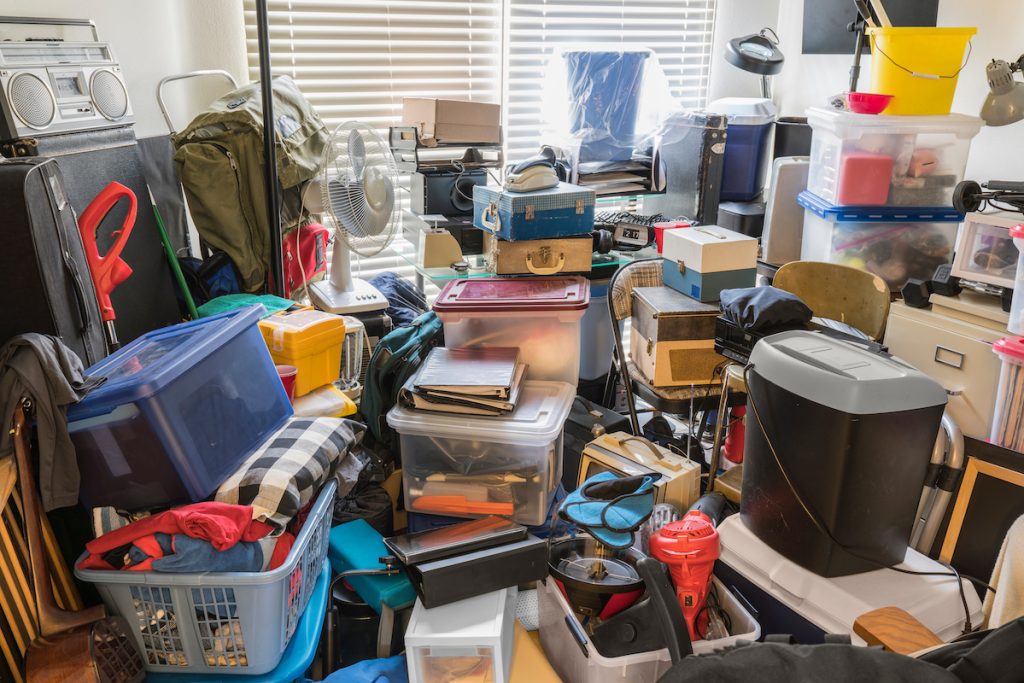
Hoarding disorder is a complex condition that affects individuals emotionally and physically. While it may start as a simple collection of items, it can quickly spiral out of control, leading to unsanitary conditions that attract pests, promote mold growth, and create fire hazards.
In Pasadena, where extreme weather conditions such as heat waves and wildfires are common, hoarded homes can become even more hazardous. Piles of flammable materials increase fire risks, and poor ventilation exacerbates air quality issues. If you or someone you know is struggling with hoarding, it’s crucial to recognize the warning signs and seek professional help.
Common Biohazard Risks in Hoarded Homes
A hoarded home often contains more than just excessive belongings—it can harbor dangerous biohazards that threaten the health of residents and visitors. Some of the most common biohazard risks include:
- Mold and Mildew Growth – Stacked items and poor air circulation create the perfect breeding ground for mold, which can lead to respiratory issues and severe allergies.
- Rodents and Insects – Piles of clutter attract pests like rats, cockroaches, and flies, which spread disease through droppings and bacteria.
- Human and Animal Waste – In extreme hoarding cases, individuals may struggle to maintain proper sanitation, leading to the accumulation of urine, feces, and other harmful contaminants.
- Expired Food and Rotting Waste – Old food and decomposing waste can lead to bacterial infections and unpleasant odors that permeate the home.
- Sharps and Hazardous Materials – Some hoarded homes contain used needles, broken glass, or expired medications, creating serious health and injury risks.
These conditions not only endanger the residents but also make it difficult for emergency responders to navigate the home in case of fire or medical emergencies.
The Importance of Professional Biohazard Cleanup
Attempting to clean a hoarded home without professional assistance can be overwhelming and unsafe. Biohazard cleanup requires specialized equipment, protective gear, and knowledge of proper disposal methods to ensure contaminants are removed safely.
At PuroClean of Pasadena, our trained experts follow strict safety protocols to handle biohazard cleanup in hoarded homes. Our services include:
- Thorough assessment and customized cleanup plans
- Proper removal and disposal of biohazardous materials
- Deep cleaning and odor removal
- Sanitization to restore a safe living environment
We work with homeowners, families, and local authorities to ensure a compassionate and effective cleanup process. Learn more about our biohazard cleanup services here.
When to Call for Professional Help
If you suspect a hoarding situation has escalated into a biohazard risk, don’t wait to seek professional assistance. Here are some signs that indicate it’s time to call in the experts:
- Strong odors and visible mold growth
- Infestation of rodents or insects
- Structural damage due to excessive clutter
- Health problems such as respiratory issues, infections, or allergies
- Difficulty accessing essential areas of the home, such as kitchens and bathrooms
Ignoring these warning signs can lead to worsening conditions and higher cleanup costs in the future. It’s always best to address the issue as soon as possible.
How to Support a Loved One Struggling with Hoarding
Helping a loved one with a hoarding problem can be challenging, but a compassionate approach makes all the difference. Here are some ways you can offer support:
- Encourage professional help – Suggest therapy or counseling for underlying emotional issues contributing to hoarding behavior.
- Be patient and non-judgmental – Hoarding is a complex issue, and criticism can make individuals feel defensive.
- Offer assistance in small steps – Instead of tackling the entire home at once, focus on one room or category of items at a time.
- Seek professional cleanup services – A professional team can handle the cleanup process efficiently while ensuring the individual’s well-being.
Protect Your Home and Health with PuroClean of Pasadena
Hoarding and biohazard risks should never be ignored. Whether you’re dealing with a hoarding situation or need biohazard cleanup services, PuroClean of Pasadena is here to help. Our team is trained to handle even the most challenging situations with care and professionalism.
For expert biohazard cleanup in Pasadena, contact us today for a free assessment. Let us help restore your home to a safe and healthy environment.
Get in touch with PuroClean of Pasadena now!
Learn more about hoarding disorder from the International OCD Foundation.


