


Table of Contents
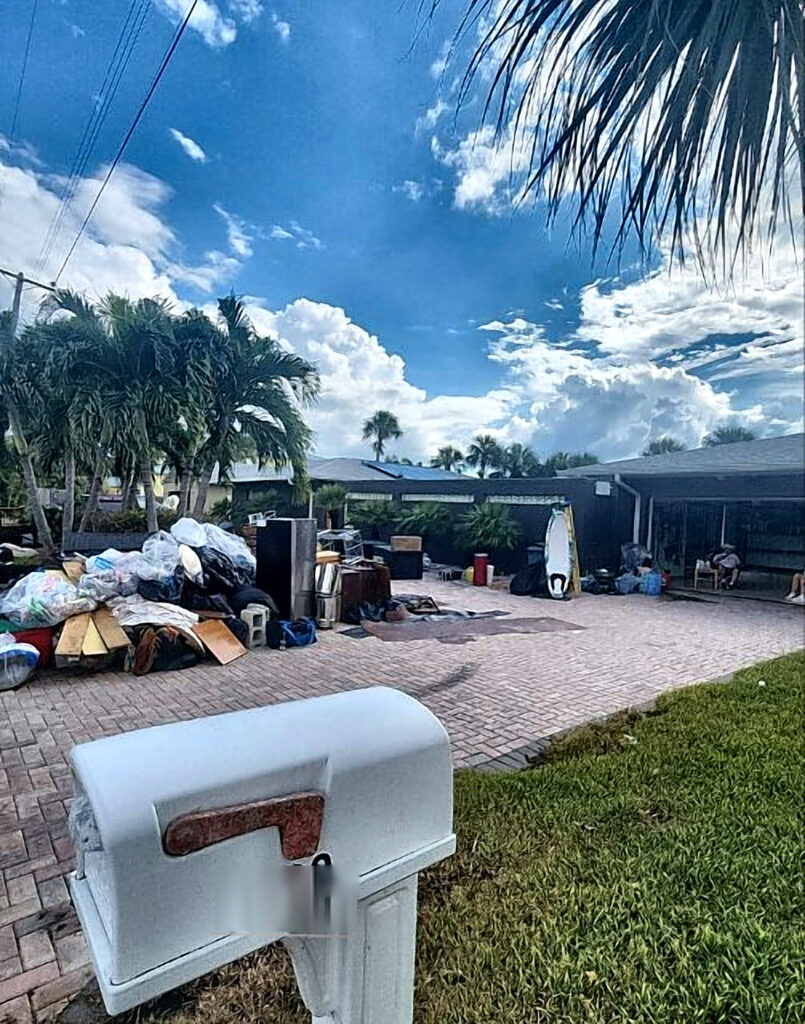
The 2026 hurricane season in Fort Lauderdale officially runs from June 1 through November 30, and it opens with a forecast that sounds reassuring on paper. NOAA expects a below-normal year. If you own a home in Fort Lauderdale or anywhere in Broward County, though, that headline deserves an asterisk. Our corner of South Florida sits low, drains slowly, and stays humid enough that a single soggy afternoon can turn into a mold problem. A quiet season is not the same as a safe one.
Here’s what the forecast actually says, why it doesn’t let local homeowners off the hook, and exactly what to do before—and within the first critical hours after—water gets into your home.
What NOAA’s 2026 Hurricane Forecast Really Means
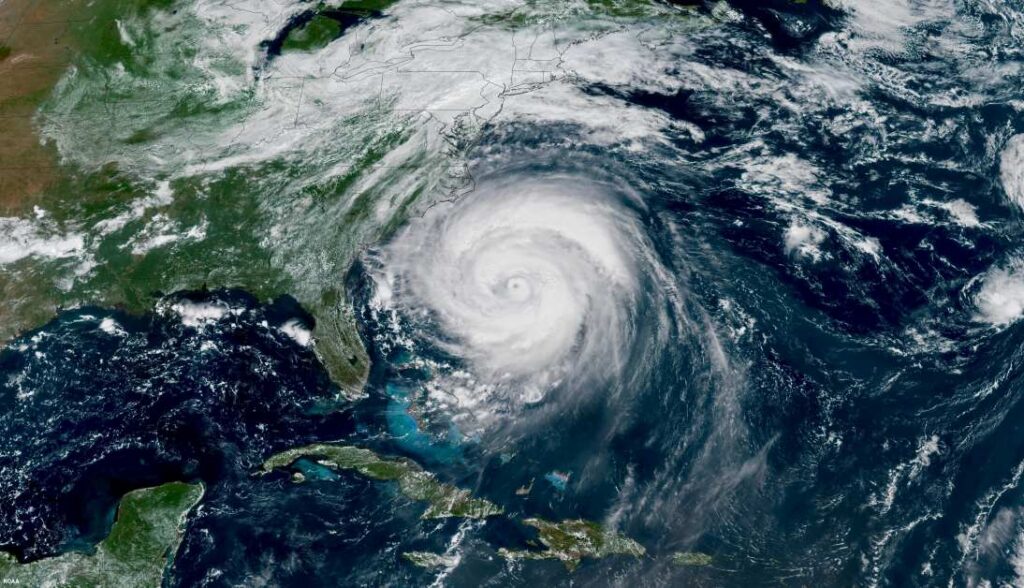
NOAA released its outlook on May 21, 2026. The agency puts the odds at roughly 55% for a below-normal season, 35% for near-normal, and only 10% for above-normal activity. In numbers, forecasters expect 8 to 14 named storms, 3 to 6 of them becoming hurricanes, and 1 to 3 reaching major hurricane strength (Category 3 or higher). For comparison, an average season brings about 14 named storms, 7 hurricanes, and 3 majors.
The reason for the calmer outlook is a developing El Niño, which tends to increase wind shear across the Atlantic and make it harder for storms to organize. Colorado State University and other forecasters landed in a similar range, while noting that unusually warm Atlantic waters could offset some of that shear. NOAA’s leadership made the practical takeaway plain: it only takes one storm reaching your neighborhood to make it a bad year for you. A below-normal season is a statistic. The storm that floods your street is personal.
Why “Below-Normal” Still Means High Risk in South Florida
Fort Lauderdale and the surrounding Broward communities carry risks that don’t care what the seasonal numbers say:
- Low ground and slow drainage. Many neighborhoods sit just feet above sea level near the New River, the Intracoastal, and coastal inlets. Storm surge and a few inches of fast rain can overwhelm canals and stormwater systems in a hurry.
- Humidity that feeds mold. Relative humidity here routinely sits above 70%. Once moisture is trapped inside drywall or under flooring, mold can take hold in about 24 to 48 hours.
- Older homes and roofs. Plenty of properties predate current building codes, which leaves them more exposed to wind-driven rain and roof leaks.
- Recent memory. The April 2023 flooding event dropped more than 25 inches of rain on Fort Lauderdale in roughly a day—not from a hurricane at all—and homes were dealing with water damage and mold for months afterward.
Even in a slow year, tropical depressions, stalled downpours, or saturated ground ahead of a storm can do real damage. At PuroClean of Ft. Lauderdale South we get calls for water damage restoration year-round—hurricane season is just when the phone rings most. That’s exactly why every hurricane season in Fort Lauderdale deserves the same respect, no matter what the seasonal numbers say.
Not sure of your zone? Look it up on Florida’s official “Know Your Zone” tool before a storm is ever named.
Preparing for the 2026 Hurricane Season in Fort Lauderdale
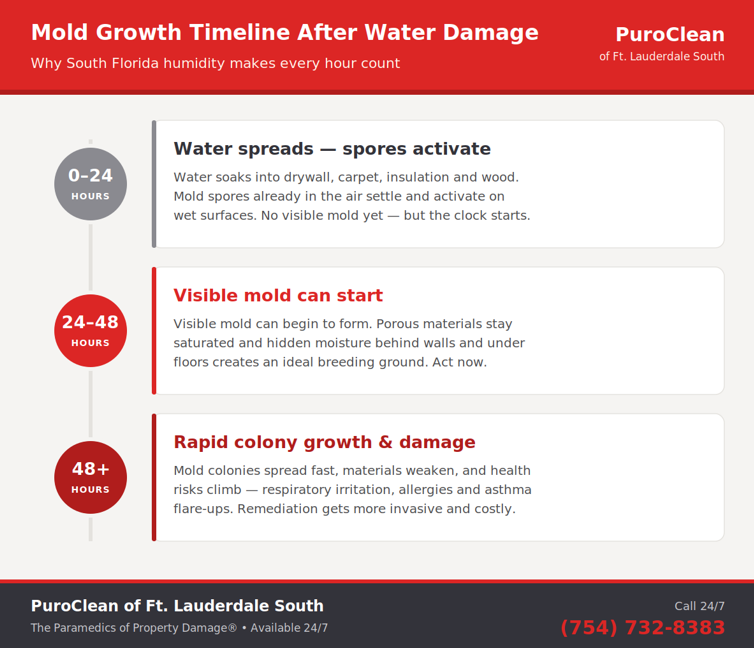
Preparation is the cheapest insurance you’ll ever buy. Start today with these seven steps, drawn from Florida Disaster and National Hurricane Center guidance.
1. Review and update your insurance
Standard homeowners policies do not cover flooding. Confirm you carry separate flood coverage through the NFIP or a private carrier, and photograph or video your property and valuables now, while everything is dry and intact.
2. Fortify your home
Clean gutters, downspouts, and drains. Test impact shutters, brace the garage door, and make sure your sump pump (with battery backup) actually runs. Trim back trees and bring in anything that can become a projectile.
3. Build a seven-day emergency kit
Pack one gallon of water per person per day, non-perishable food and a manual can opener, medications and a first-aid kit, flashlights, spare batteries, a battery radio, cash, and copies of key documents in a waterproof container. Don’t forget pets, infants, and elderly family members.
4. Know your evacuation plan
Confirm your Broward County evacuation zone, map at least two routes out, and identify nearby shelters. Decide in advance where you’d go—deciding mid-storm is how people get stuck.
5. Protect valuables and electronics
Move irreplaceable items to higher floors or into waterproof bins, and back up digital files to the cloud so a flooded office doesn’t erase your records.
6. Test backup power and systems
A generator you’ve never started is a paperweight. Run your generator, portable chargers, and pumps now, while there’s time to fix what doesn’t work.
7. Create a family communication plan
Pick an out-of-state contact everyone can check in with, and agree on how you’ll reconnect if local cell service goes down.
The Critical 24–48 Hour Window: Stopping Water Damage Before It Becomes Mold
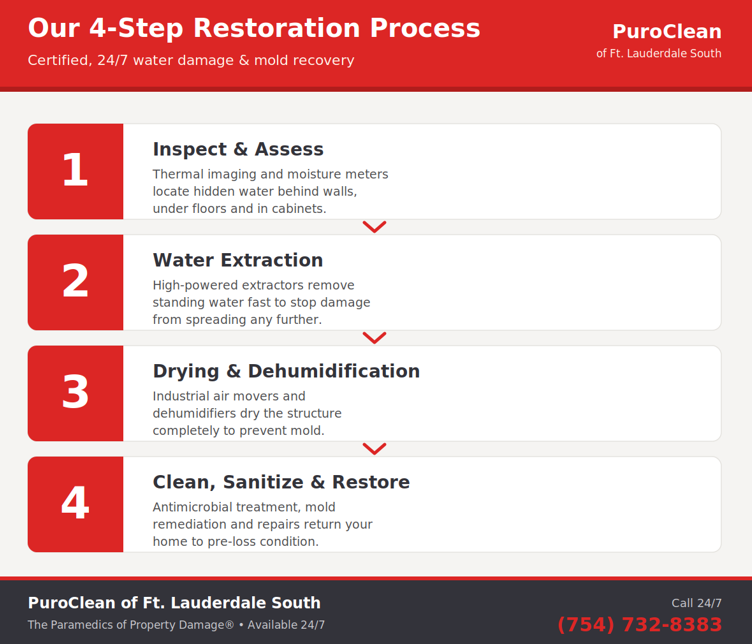
In Fort Lauderdale’s humid climate, the clock starts the moment water gets in. Knowing what happens hour by hour is the difference between a cleanup and a renovation.
- First 24 hours: Water wicks into drywall, carpet, insulation, and wood. Mold spores that are always floating in the air settle onto wet surfaces and begin to activate. You may see nothing yet.
- 24 to 48 hours: Visible mold can appear. Porous materials stay saturated, and hidden moisture behind walls or under floors becomes a breeding ground.
- Past 48 hours: Colonies spread fast, materials weaken, and the health risks—respiratory irritation, allergy and asthma flare-ups—climb. The cleanup gets more invasive and more expensive.
If you find water in your home: shut off the electricity and stay out of standing water, document the damage with photos and video before you touch anything, remove what water you safely can, and call a professional restoration team right away. DIY drying almost always misses the moisture you can’t see—and that’s exactly where mold starts.
Why Professional Water Damage Restoration and Mold Remediation Matter
Trying to handle serious water damage yourself usually costs more in the long run. Our IICRC-certified technicians respond 24/7 with industrial-grade equipment: high-powered extractors, commercial air movers and dehumidifiers, and thermal imaging plus moisture meters that find water hiding inside walls and under floors. When it’s needed, we follow up with antimicrobial treatment and full mold removal and remediation.
We document everything for your claim, work directly with your insurance company, and restore your home to its pre-loss condition. Just as important, our crews are local—we know how Broward’s flooding patterns and humidity actually behave, because we work in them every week. For a deeper look at the whole process, see our complete guide to water damage restoration in Broward County. When the 2026 hurricane season in Fort Lauderdale turns a single storm into standing water, that local experience is what gets your home dry before mold takes hold.
Insurance Claim Tips for South Florida Homeowners
If the 2026 hurricane season in Fort Lauderdale leaves you filing a claim, a little organization goes a long way. Keep these in mind:
- File your claim as soon as it’s safe to do so—earlier claims tend to move faster.
- Keep every receipt, including temporary repairs and added living expenses.
- Understand the difference between your insurer’s adjuster and a public adjuster before signing anything.
- We can coordinate directly with your adjuster to keep the approval moving.
Frequently Asked Questions: 2026 Hurricane Season in Fort Lauderdale
Is a below-normal hurricane season actually safer?
It lowers the overall number of storms expected, but it doesn’t lower the damage any single storm can do to your home. Given Fort Lauderdale’s low elevation and humidity, one storm is enough to cause major water damage.
How fast does mold grow after flooding in Fort Lauderdale?
In our humidity, mold can begin within 24 to 48 hours. Professional drying inside that window is the single best way to prevent it.
Should I evacuate or shelter in place?
Follow the official orders for your Broward County evacuation zone. If officials call for your zone to leave, leave.
I already see mold after a recent rain—what now?
Don’t disturb it (that spreads spores). Contact us for safe, thorough mold remediation as soon as possible.
Get Ahead of the 2026 Season
Get ahead of the 2026 hurricane season in Fort Lauderdale: a below-normal forecast is good news, and it’s also the perfect time to prepare—before the rush, before the rain. Water damage and mold don’t wait for a busy season, and neither should you. For more local guidance, read our hurricane season preparation guide and our breakdown of king tide flooding in Fort Lauderdale.
If you’ve already had water intrusion, storm damage, or you suspect mold, don’t wait another hour. PuroClean of Ft. Lauderdale South is available 24/7 with certified water damage restoration and mold remediation across Fort Lauderdale, Hollywood, Pembroke Pines, Davie, Dania Beach, and the rest of Broward County.
Call us 24/7 at (754) 732-8383 or request service online. We’re your local team when every hour counts.
About the author: This guide was prepared by the team at PuroClean of Ft. Lauderdale South, owned and operated by Carlos Niemes, serving Broward County homeowners and businesses with IICRC-certified restoration.