


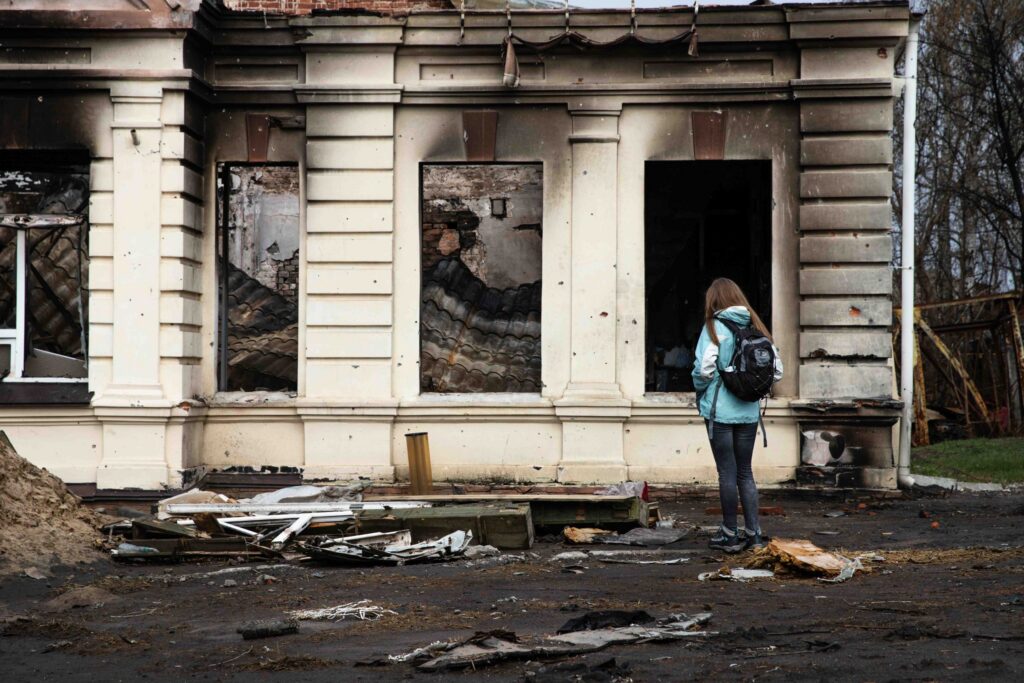
Are you currently dealing with the aftermath of a fire? The fire damage restoration process is a crucial aspect of recovering from such a devastating event. When a fire strikes, it leaves behind a trail of destruction that not only affects your property but also takes a toll on your emotions.
In this article, we’ll explore the essential steps involved in the fire damage restoration process. From assessing the damage to implementing effective restoration techniques, understanding this comprehensive procedure is critical for navigating the path toward reclaiming your home or business after the flames have subsided.
Initial Assessment and Inspection
The initial assessment and inspection conducted by the restoration team after a fire is a critical step in the restoration process. This thorough examination of the property allows the team to identify the scope of the damage and devise an appropriate plan for restoration. Here are some key points to consider in the initial assessment and inspection:
- Comprehensive Examination: The restoration team will carefully examine all areas of the property, including hidden spaces and hard-to-reach places. This includes verifying the structural integrity of the building, the extent of smoke and soot damage, water damage from firefighting efforts, and potential hazards that may have arisen due to the fire.
- Damage Assessment: The team will document all damages and create a detailed report that outlines the affected areas and items. This documentation serves as evidence for insurance claims and helps in estimating the cost of restoration.
- Salvageable vs. Non-Salvageable Items: During the inspection, the restoration team will assess which items and materials can be salvaged and restored and which ones need replacement. Salvageable items may include furniture, electronics, and personal belongings, which the team will take to specialized facilities for cleaning and restoration.
- Structural Evaluation: The restoration team will pay close attention to the structural elements of the property, such as walls, ceilings, floors, and foundations. They will identify any weaknesses or compromises that may require prompt attention to ensure the safety of the building.
- Electrical and Plumbing Systems Inspection: The team will inspect the electrical and plumbing systems to identify any damages or hazards resulting from the fire. This step is crucial to prevent potential safety risks and ensure these systems function correctly after restoration.
Overall, the initial assessment and inspection are vital steps in the fire damage restoration process, providing the foundation for a successful and comprehensive restoration effort. It helps homeowners understand the extent of the damage and provides the restoration team with valuable insights to tackle the restoration process efficiently and effectively.
Development of Restoration Plan
First, you must carefully evaluate the extent of the fire’s impact before creating a restoration plan. It involves performing a thorough assessment of the damage caused by the fire to determine the scope of work required for restoration. During this initial evaluation, you will assess both the visible and hidden damages, as well as any potential safety hazards that may exist. By understanding the full extent of the damage, you can develop an accurate cost estimation and timeline management plan for the fire damage restoration process.
To help visualize and organize this information, creating a detailed table outlining various aspects related to cost estimation and timeline management is beneficial. It allows you to have all relevant information in one place for easy reference and decision-making. Here is an example of what such a table might be formatted:
| Aspect | Cost Estimation | Timeline Management |
| Materials | Assess the cost of replacement materials | Determine lead times for delivery |
| Labor | Calculate labor costs per task | Create a schedule for each phase |
| Equipment | Evaluate rental or purchase costs | Coordinate equipment availability |
| Permits | Research permit costs and fees | Plan permit application timelines |
| Additional Work | Consider additional repairs | Allocate time for unforeseen issues |
By utilizing this table, you can ensure that all factors related to cost estimation and timeline management are considered during the development of your restoration plan.
Fire Damage Restoration Process
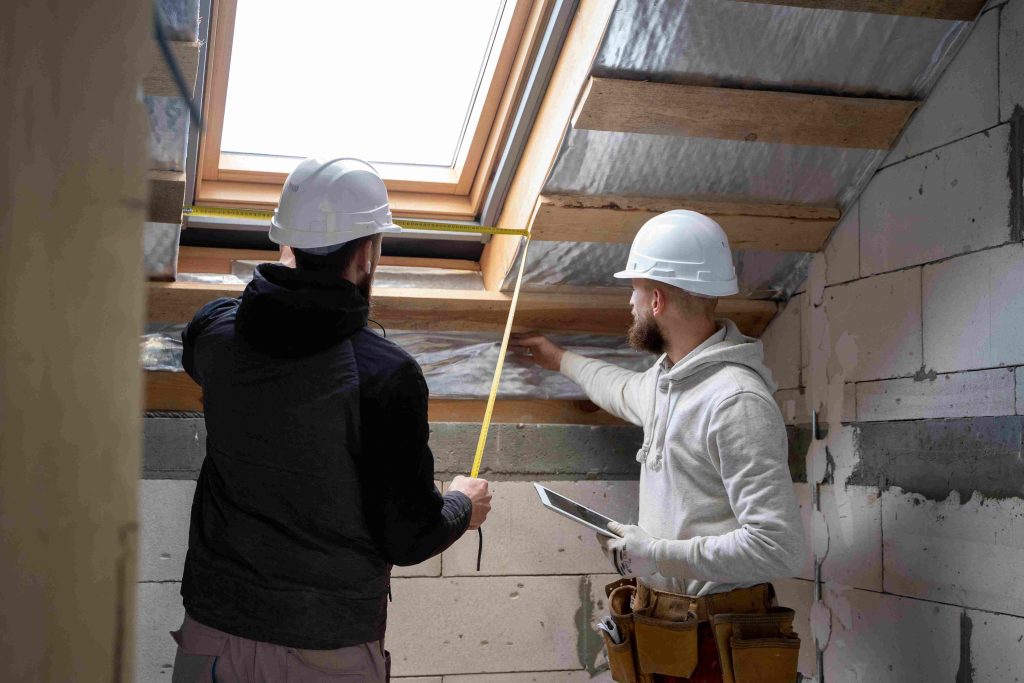
After addressing water damage, debris removal, and cleaning, there are additional steps to ensure comprehensive damage mitigation and cleanup after a fire:
- Air Quality and Ventilation: After a fire, the air quality inside the structure can be severely compromised due to smoke and soot particles. Use industrial-grade air purifiers and ensure proper ventilation to improve indoor air quality. Open windows and doors (if safe to do so) to allow fresh air to circulate and aid in the removal of lingering odors.
- Structural Inspection: Before any restoration work begins, have a professional inspector assess the structural integrity of the building. Fire can weaken materials, and hidden damage may need immediate attention. Address any safety concerns and structural repairs before moving forward with cleanup and restoration.
- Electrical and Gas Systems: Ensure licensed professionals thoroughly inspect all electrical and gas systems before restoring power or gas supply to the property. Fire can damage wiring and other components, creating potential hazards if not repaired properly.
- Salvageable Items: Attempt to salvage valuable and sentimental items that were not severely damaged by the fire. Clean and restore these items as needed, and consult with fire damage restoration experts for advice on the best practices to save them.
- Restoration and Repairs: Once the affected area is cleaned and deemed safe, begin restoration. It may include repainting walls, replacing damaged flooring, repairing or replacing damaged furniture, and restoring the property to its pre-fire condition. Hiring professional restoration services can ensure the work is done effectively and efficiently.
Remember that the fire damage restoration process can be complex and time-consuming. It is essential to enlist professional assistance to ensure the safety and thoroughness of the cleanup and restoration efforts.
Structural Repairs
Structural repairs after fire damage are crucial in restoring a building to its pre-fire condition and ensuring its safety and stability. Here are some key points to consider when dealing with structural repairs after a fire:
- Removal of Damaged Materials: Charred, weakened, and compromised materials must be removed carefully. It may include damaged walls, floors, ceilings, and other structural elements. Safety preparations, such as wearing protective gear and using appropriate tools, are necessary during this process.
- Compliance with Building Codes: When rebuilding, adhering to local building codes and regulations is crucial. It ensures that the repairs meet safety standards and pass inspections. Non-compliance can lead to further issues and potential legal consequences.
- Material Selection: Choose materials that are not only aesthetically pleasing but also durable and fire-resistant. Work with contractors with experience in fire damage restoration to help you make appropriate choices.
- Electrical and Plumbing Systems: Damaged electrical and plumbing systems should be repaired or replaced. Faulty electrical systems could pose fire hazards, and compromised plumbing can lead to water damage or mold issues if not addressed promptly.
- Reinforcement and Structural Upgrades: Depending on the extent of the damage, you may consider reinforcing the structure with additional support or making structural upgrades to enhance the building’s resilience against future fire incidents.
Overall, the fire damage restoration process is challenging and requires careful planning, expertise, and adherence to safety standards. Working with professionals and addressing the structural repairs promptly will help ensure the building’s safe and efficient recovery.
Final Inspection and Restoration
Professionals conduct a thorough final inspection to ensure the property has been fully restored to its pre-fire condition. This step is vital in determining the success of the restoration project and ensuring that no traces of fire damage remain. The final inspection involves a comprehensive evaluation of every aspect of the property, from structural components to cosmetic details.
During the final inspection, professionals pay close attention to three key areas:
– Structural Integrity
The first thing experts assess is the property’s structural integrity. They inspect walls, ceilings, floors, and other components for any signs of damage or weakness caused by the fire. Any compromised structures are identified and addressed promptly to prevent further deterioration.
– Electrical Systems
Another critical aspect evaluated during the final inspection is the electrical system. Professionals check wiring, outlets, switches, and circuit breakers to ensure they are safe and performing properly. Faulty electrical systems can pose serious safety hazards if not repaired or replaced correctly.
– Cosmetic Finishes
Lastly, professionals examine all cosmetic finishes in detail. It includes assessing paintwork, flooring materials, cabinetry, and fixtures for any signs of damage or discoloration caused by soot or smoke residue. By meticulously examining these elements, experts can identify any remaining traces of fire damage and take appropriate steps for restoration.
This meticulous final inspection aims to assure that all necessary repairs have been made and that no further work is required before declaring a complete fire damage restoration process. By addressing structural issues promptly, ensuring electrical safety, and restoring cosmetic finishes to their original state, professionals can confidently declare that the property has been fully restored after experiencing fire damage.
The Bottom Line
Navigating the fire damage restoration process can be overwhelming for homeowners or property managers lacking expertise in this area. That’s why hiring professionals with both knowledge and experience in handling fire damage restoration projects efficiently and effectively is essential. By entrusting your property’s recovery to these experts, you can be confident knowing that every detail will be handled with care until your home or business is fully restored.
At PuroClean of Pembroke Pines, we specialize in efficient and effective fire damage restoration. Don’t wait; contact us today and let our experienced professionals handle every detail to restore your property after a fire fully.