


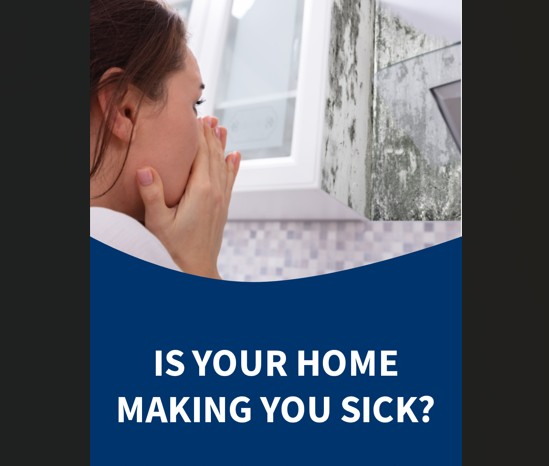
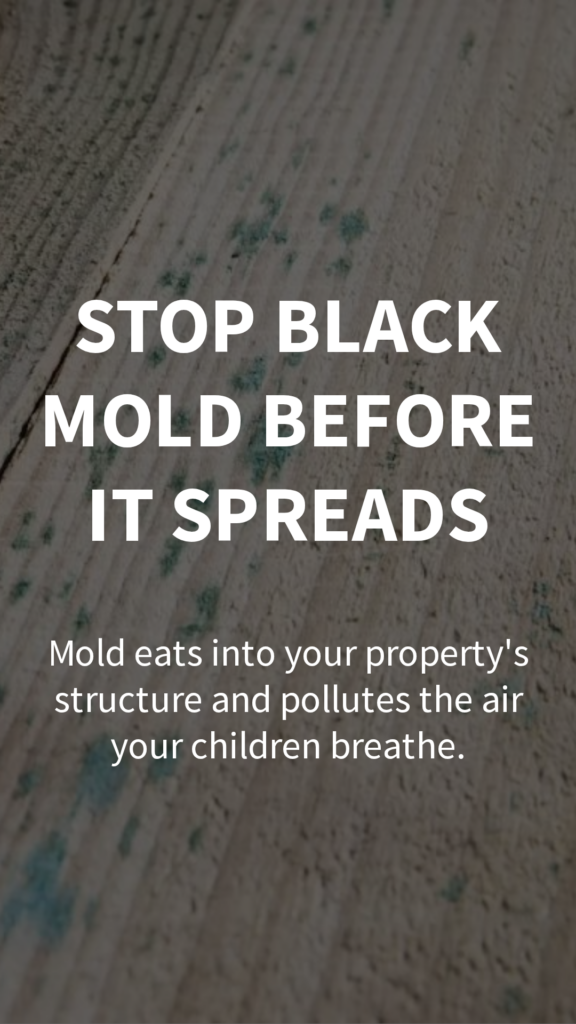
Understanding the types of mold in the home and office is a real health issue in South Florida — one of the most mold-friendly environments in the entire United States. Year-round high humidity, tropical storms, flooding, and constant air-conditioning condensation create the perfect conditions for spores to settle in and spread. If you live or work in Fort Lauderdale, Hollywood, Pembroke Pines, Davie, or anywhere in Broward County, knowing which molds you’re dealing with — and how they affect your health — matters.
This guide is based on information from the U.S. Environmental Protection Agency (EPA), the Centers for Disease Control and Prevention (CDC), and the World Health Organization (WHO). It breaks down the most common indoor mold types and explains what health consequences each one can have for the people around them.
Not all mold is the same, and knowing the difference matters for your family’s health and your property. The most common types of mold in the home and office range from mild allergens to the notorious toxic black mold (Stachybotrys), and each one carries its own set of mold health effects — from sneezing and asthma flare-ups to more serious respiratory concerns. In a humid climate like ours, recognizing these molds early is the first step toward protecting the people who live and work in the building.
Below, we break down the most common types of mold in the home and what each one means for your health.
Table of Contents
What Is Mold and Why Does It Grow Inside Homes and Offices?
Mold is a microscopic fungus and a natural part of the environment. Outdoors it plays a useful role breaking down organic matter, but indoors it can damage property and affect your health. According to the EPA, mold only becomes a problem indoors when spores land on a wet or damp surface and begin to grow.
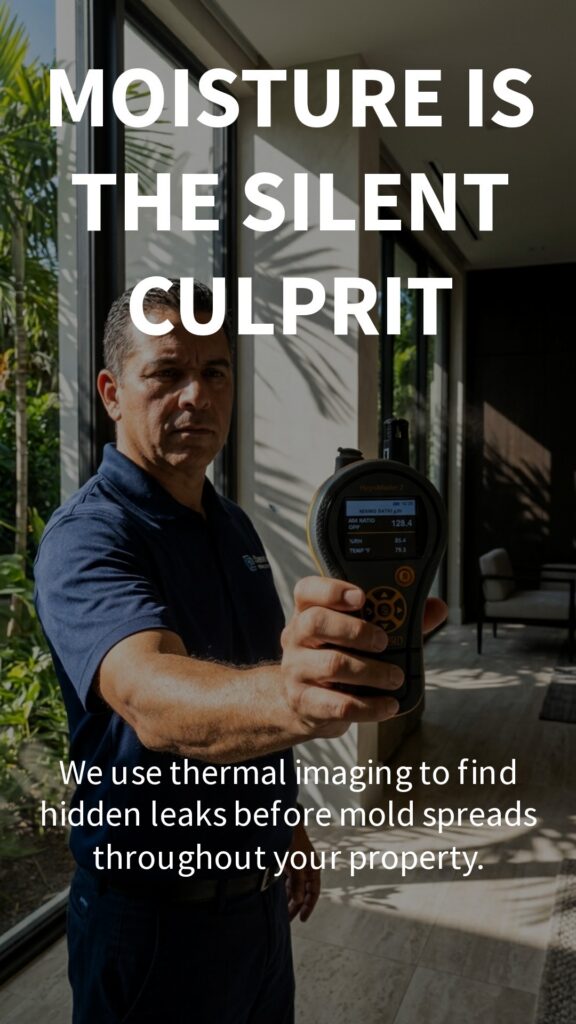
To develop, mold needs three things: moisture, oxygen, and a food source (wood, paper, cardboard, carpet, drywall, or fabric). The EPA is clear on one point: moisture is the single most important factor you can control. That’s why, after water damage, a leak, or a flood, acting within the first 24 to 48 hours is critical to keep mold from taking hold.
General Health Effects of Mold
According to the EPA, molds produce allergens, irritants, and in some cases potentially toxic substances called mycotoxins. Inhaling or touching mold or mold spores can trigger hay-fever-type allergic reactions in sensitive people: sneezing, runny nose, red eyes, and skin rash.
The CDC notes that exposure to damp, moldy environments can cause a stuffy nose, sore throat, coughing or wheezing, burning eyes, or skin irritation. People with asthma or a mold allergy may have more severe reactions, and those with weakened immune systems or chronic lung disease may develop lung infections.
The science supports these warnings. In 2004, the Institute of Medicine (IOM) found sufficient evidence to link indoor mold exposure to upper respiratory tract symptoms, cough, and wheeze in otherwise healthy people; to asthma symptoms in people with asthma; and to hypersensitivity pneumonitis in susceptible individuals. In 2009, the WHO published its Guidelines for Indoor Air Quality: Dampness and Mould, reinforcing this connection.
Types of Mold in the Home and Office: The Most Common Ones
According to the CDC, the three most common indoor molds are Cladosporium, Penicillium, and Aspergillus. Below we cover these and other frequent genera, along with their known health effects.
1. Cladosporium
One of the most common indoor molds. It can be olive-green, brown, or black, and grows on both cool and warm surfaces: window frames, fabrics, carpets, air ducts, and damp wood. It is primarily allergenic — exposure is associated with sneezing, coughing, watery eyes, and asthma flare-ups. Although it often looks dark and is sometimes mistaken for toxic black mold, its risk is generally lower.
2. Penicillium
It has a distinctive blue-green, powdery appearance — the classic “moldy bread” look. It spreads quickly on water-damaged materials such as insulation, carpet, wallpaper, and mattresses. It causes allergic reactions and is especially troublesome for people with weakened immune systems. Some species produce mycotoxins.
3. Aspergillus
One of the most diverse genera, with species ranging from relatively harmless to seriously dangerous. It often appears as gray or green flecks on wooden surfaces, but can show up in several colors. Every Aspergillus species can produce mycotoxins and cause allergies, asthma attacks, hay fever, or lung infections.
The species Aspergillus fumigatus carries the highest infection risk: in immunocompromised people it can cause invasive aspergillosis, a serious infection that requires immediate medical attention. Another species, Aspergillus flavus, produces aflatoxins, which are considered carcinogenic.
4. Alternaria
A widespread allergenic mold that grows on damp surfaces such as fabrics, carpets, wood, and around leaky showers, tubs, and sinks. It is a well-known asthma trigger, and its symptoms include sneezing, coughing, wheezing, and irritated eyes. Finding it indoors usually points to a persistent moisture problem.
5. Stachybotrys chartarum (the “toxic black mold”)
Popularly known as toxic black mold, Stachybotrys is greenish-black and slimy, and usually comes with a strong musty odor. It grows on high-cellulose materials that have stayed wet for a long time — drywall, cardboard, paper, and wood — which is why it’s common after flooding or long-undetected leaks.
This mold produces mycotoxins and is associated with more serious respiratory and health concerns. It’s important to be accurate here: official bodies, including the EPA and CDC, note that the link between mycotoxins and certain severe illnesses is not yet fully established scientifically. Even so, both agree that any significant mold growth should be removed, and that black mold should be handled by professionals because of the risk involved in disturbing it.
Other Types of Mold in the Home Worth Knowing
Water-damaged buildings also frequently harbor Chaetomium (tied to a musty odor and chronically wet structures) and Fusarium (which can grow even at low temperatures and cause allergic reactions and infections in vulnerable people). One key point: color alone cannot reliably identify a mold type. Only laboratory analysis can confirm the species, so no mold should be dismissed.
Who Is at Greatest Risk?
While anyone can experience irritation from mold, certain groups are more vulnerable to its effects:
- People with asthma or respiratory allergies. The EPA recommends they avoid all contact with mold.
- Infants and young children. Studies cited by the EPA indicate that nearly 80% of asthma cases begin before age six.
- Older adults.
- Immunocompromised people or those with chronic lung disease, who can develop lung infections.
- Pregnant women.
Certain people react more strongly to the types of mold in the home than others.
The EPA advises that these groups should not take part in flood cleanup or be present during remediation.
Signs You Have a Mold Problem
- A persistent musty odor, even with no visible mold.
- Black, green, brown, or white spots on walls, ceilings, or floors.
- Bulging drywall, peeling paint, or warped surfaces.
- A history of leaks, roof seepage, flooding, or water damage.
- Respiratory or allergy symptoms that improve when you leave the building.
Why Professional Mold Remediation Matters
The EPA recommends that mold areas larger than roughly 10 square feet be handled by professionals. Trying to clean mold without proper equipment and containment can send millions of spores into the air and make the problem worse, while exposing occupants to health risks.
This is why professional mold remediation in South Florida is so important, especially after water damage or flooding. Whether you’re dealing with the everyday types of mold in offices or the Stachybotrys symptoms that point to toxic black mold, a certified team knows how to identify the species, contain it, and remove it safely without spreading spores throughout your building.
For homeowners and business owners in Broward County, prompt mold removal in Fort Lauderdale isn’t just about protecting your property — it’s about safeguarding everyone’s health.
A professional remediation process includes identifying and eliminating the moisture source, containing the affected area, safely removing contaminated materials, cleaning and disinfecting, and fully drying the space so mold doesn’t return. Remember: the key to mold control is moisture control.
Mold Remediation Experts in South Florida
At PuroClean of Ft. Lauderdale South, we specialize in water damage, flooding, mold removal, fire damage, and biohazard cleanup. If you suspect mold in your home or office — or you’ve just had a leak or flood — acting fast makes all the difference.
Our certified team inspects, contains, and safely removes mold, then restores your property so you can get back to a healthy environment.
📞 Call today for an assessment: (754) 732-8383 | 24/7 Emergency Service
If you’ve spotted any of these types of mold in the home or office, don’t wait to act.
Disclaimer: This article is for informational and educational purposes and is based on public information from the EPA, CDC, WHO, and the Institute of Medicine. It is not a substitute for professional medical advice. If you are experiencing health symptoms related to mold exposure, consult a healthcare professional.