


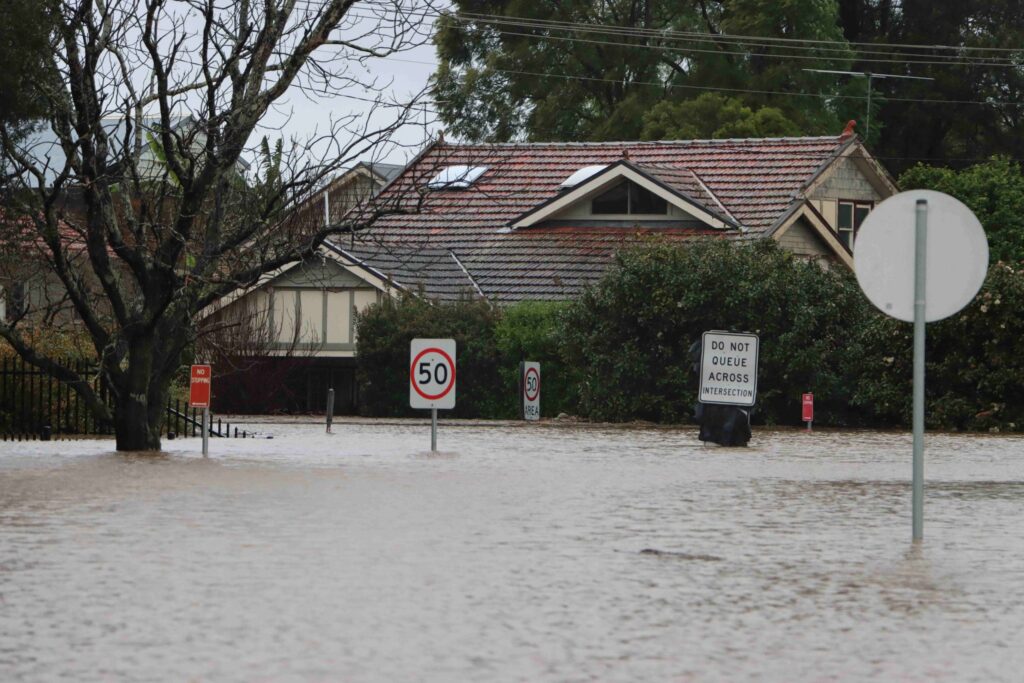
When heavy rain strikes, a flooded basement can quickly become a homeowner’s worst nightmare. Dealing with water intrusion in your basement can be distressing and overwhelming, but knowing what to do when your basement floods from rain is crucial to minimize damage and ensure a swift recovery.
In this blog post, we’ll guide you through essential steps to take when faced with this unfortunate situation. From identifying the source of the flooding to implementing effective mitigation measures and seeking professional help, we’ll equip you with valuable knowledge to safeguard your property and restore peace of mind.
Ensure Personal Safety and Turn off Electricity
Ensuring personal safety is the top priority when dealing with a flooded basement caused by rain. Here’s a step-by-step guide to ensuring your safety and turning off the electricity:
- Stay out of the basement if there is standing water. Avoid wading through water or coming into contact with it. Standing water can be contaminated and may also conceal potential hazards.
- Do not touch electrical appliances, outlets, or switches if you suspect water has come into contact with them. Even if the power is off, the wiring may still have residual electricity.
- Point out the main electrical panel or circuit breaker box in your home. It is usually found near the utility entrance and may be in the basement, garage, or utility room.
- If you can safely access the central electrical panel without coming into contact with water, open the panel door.
- Identify the circuit breakers or fuses that control the basement area. Look for labels or descriptions on the breaker panel that indicates which areas or rooms each breaker serves.
- Turn off the circuit breakers or disconnect the fuses that supply power to the basement. This will cut off electricity to the affected area and minimize the risk of electrical hazards.
- If you’re unsure which breakers control the basement area or cannot safely access the electrical panel due to water presence, it’s best to turn off power to the entire house. Locate the main breaker, usually found at the top of the breaker panel, and switch it off. This will cut off power to the entire house, including the basement.
Prioritizing personal safety, knowing what to do when your basement floods from rain, and taking appropriate measures to turn off the electricity will help prevent accidents and potential hazards when dealing with a flooded basement caused by rain.
Determine the Source of the Flooding
Determining the source of flooding in an underground space and how to address the issue is crucial. Here are the steps you can take to identify the source and prevent further water damage:
- Visual Inspection: Begin by carefully examining your basement for any visible signs of leaks or cracks in the walls and floor. Look for damp spots, water stains, or pooling water. Check windows, doors, and any other openings for potential points of entry for rainwater.
- Check the Sump Pump: If you own a sump pump in your basement, ensure that it is working properly and not overwhelmed by the amount of water. Clean the sump pump pit and test its functionality to see if it’s effectively pumping water away from your basement.
- Address Cracks and Leaks: If you find any visible cracks or holes in your basement walls or floor, consider using waterproofing solutions such as hydraulic cement or epoxy injections to seal them. These products are created to fill and seal gaps effectively, preventing future leaks.
- Long-Term Waterproofing: Consider investing in long-term waterproofing solutions for your basement. It may involve installing a perimeter drainage system to redirect water away from your home’s foundation. Additionally, applying a waterproof sealer on your walls and floors can help prevent future flooding incidents during heavy rains.
- Identify External Factors: Sometimes, flooding in the basement can result from external aspects such as poor drainage around your home. Ensure that your gutters and downspouts are clean, directing water away from the foundation. Grade the soil around your home’s perimeter to slope away from the house, promoting proper water runoff.
By following these steps on what to do when your basement floods from rain, you can protect your underground space from water damage and enhance its overall resilience during heavy rains or other potential water-related issues.
Act Promptly to Mitigate Damage
Once you’ve identified the source of the flooding, it’s crucial to take swift action to minimize any potential damage. Acting promptly can make a considerable difference in preventing further problems and ensuring that your basement is restored as quickly as possible. Here are some steps you are advised to take:
- Check Your Insurance Coverage: Before proceeding with any actions, you must review your homeowner’s insurance policy to determine if flood damage is covered. Contact your insurance provider to notify the incident and find out what steps you need to take for reimbursement.
- Call Professional Restoration Services: Flooding can cause extensive damage and requires specialized expertise for effective cleanup and restoration. Contacting professional restoration services will ensure the necessary measures are taken to dry out your basement, prevent mold growth, and restore damaged areas.
- Remove Valuable Items: As soon as it is safe to do so, move any valuable items or belongings from the flooded area. It will protect them from further damage and allow professionals to work more efficiently without obstruction.
- Document the Damage: Take images or videos of the flooded basement before any cleanup begins. This documentation will be beneficial when filing an insurance claim and can help assess the damage’s extent.
- Begin Water Extraction: Without using ‘step,’ start removing standing water from your basement using pumps or wet/dry vacuums. The longer water sits in your basement, the more extensive the damage can become. So start extracting water as soon as possible.
Taking immediate action after identifying flooding in your basement is essential for minimizing damages caused by rainwater intrusion. Once you have assessed where the flooding originated from, contact your insurance provider regarding coverage details while reaching out to professional restoration services specialized in the flood cleanup.
Remove Standing Water

Image by Wes Warren on Unsplash
To effectively mitigate damage caused by flooding, it’s crucial to remove any standing water in your basement promptly. Standing water can bring about further damage and create the perfect environment for mold growth. Start by shutting off the power supply to prevent any electrical hazards. Put on protective gear such as rubber boots, gloves, and a face mask before entering the flooded area.
Utilize a submersible pump or a wet/dry vacuum to extract the standing water from your basement. Begin at the room’s lowest point and work toward the exit. Be sure to dispose of the water properly, away from your home’s foundation or any other areas that may cause additional problems.
Preventing mold growth is another critical step in what to do when your basement floods from rain. Mold can quickly develop in damp environments, leading to health issues and further damage to your belongings. Open windows and doors to increase airflow and help dry the area faster. Use fans or dehumidifiers if available, as they can significantly reduce moisture levels.
Dry and Clean the Area
After removing standing water and taking steps to prevent mold growth, it’s essential to ensure thorough drying and cleaning of the area. Begin by opening windows and using fans or dehumidifiers to increase air circulation and speed up drying. Remove any wet materials that cannot be salvaged, such as carpets, rugs, or furniture. Use a damp/dry vacuum cleaner or mop to remove any residual moisture from the floors.
Next, thoroughly clean all surfaces in the flooded area. Use a mild detergent blended with warm water to scrub walls, floors, and any other affected surfaces. Pay special attention to areas that may have come into contact with contaminated water, such as sewage backups. Rinse all cleaned surfaces with clean water and allow them to dry completely.
Disinfect the area to prevent bacterial growth and odors. Mix a solution of one part bleach to ten portions of water and use it to wipe down all surfaces in the basement. Be sure to use gloves and protective eyewear when handling bleach. Permit the solution to sit on surfaces for at least 10 minutes prior to rinsing with clean water.
Take Preventive Measures to Avoid Future Flooding
To prevent future flooding, it’s crucial to implement preventive actions such as installing a sump pump and maintaining clear gutters. Rainwater management is essential in keeping your basement dry and protected. Here are three critical steps you can take to avoid future flooding:
- Install a Sump Pump: A sump pump effectively prevents water from entering your basement during heavy rainstorms. It collects excess water and pumps it away from your home’s foundation. Make sure to choose a high-quality sump pump suitable for your basement’s size and have it installed by a professional.
- Maintain Clear Gutters: Clogged gutters can lead to water overflow, which can seep into your basement, causing flooding. Regularly inspect and clean your gutters to guarantee they are free from debris, leaves, and other obstructions that may block the flow of rainwater. Additionally, consider installing gutter guards to prevent clogs and minimize maintenance requirements.
- Basement Waterproofing: Investing in basement waterproofing is another effective measure for preventing future flooding. This process involves applying sealants or coatings on the walls and floors of your basement to create a barrier against moisture intrusion. Waterproofing solutions can help prevent water out of your basement even during heavy rainfall, providing long-term protection for your home.
By taking these preventive measures like installing a sump pump, maintaining clear gutters, and implementing basement waterproofing techniques, you can significantly reduce the risk of future flood damage in your basement caused by rainwater. Remember that prevention is vital when protecting your home from potential disasters, so don’t hesitate to consult professionals if needed for proper installation or guidance on rainwater management strategies.
Final Thoughts
By following these steps, you’ll know what to do when your basement floods from rain. Prioritize safety by turning off electricity, then identify the source of flooding. Remove standing water promptly with pumps or wet vacuums, and thoroughly dry the area using fans and dehumidifiers. Take preventive measures like maintaining gutters and installing a sump pump for future protection. Act swiftly to minimize damage and ensure your well-being.
At PuroClean of Pembroke Pines, we understand the urgency of dealing with a flooded basement. Contact us today for expert assistance in restoring your property and implementing preventive measures to safeguard against future rain-related flooding.