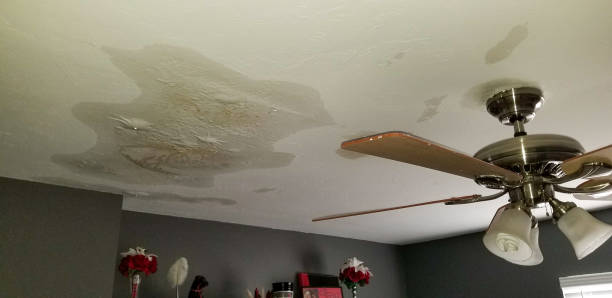
A small ceiling stain may not look like a major problem, but it can signal that water is entering your home through a damaged roof. If the leak continues, moisture can spread into insulation, drywall, ceilings, and other building materials, even when the water is no longer dripping. That hidden moisture is what makes roof leak water damage so costly when it goes unnoticed.
Roof leak water damage can develop after heavy rain, strong winds, damaged shingles, flashing failures, or problems around roof vents and chimneys. For homeowners in Peoria, IL, storms and seasonal weather changes can expose weaknesses in roofing materials and allow water to enter the home. According to the National Weather Service, central Illinois sees frequent severe thunderstorms, which is one reason roof leak water damage is so common in the area.
Knowing which warning signs to watch for and what to do next can help you limit further damage. Here are seven signs of roof leak water damage, the steps to take when you discover one, and when to call a professional water damage restoration team.
1. Brown or Yellow Ceiling Stains: A Common Sign of Roof Leak Water Damage
One of the most common signs of roof leak water damage is a discolored patch on the ceiling. These stains may appear yellow, brown, or tan, often with irregular edges that gradually become larger.
Water can travel along roof decking, rafters, insulation, and ceiling materials before becoming visible inside your home. As a result, the stain may appear some distance from the actual entry point.
Watch for these warning signs:
- A new brown or yellow patch on a ceiling.
- A stain that grows after rainfall.
- Discoloration around ceiling fixtures or near exterior walls.
- Paint that begins to bubble, peel, or separate from the surface.
Do not assume an old stain means the problem has ended. The roof may still leak during certain weather conditions, or moisture may remain trapped inside the ceiling.
What to do next: Photograph the stain and note when you first noticed it. If it changes after rain, that information may help a roofing professional investigate the source. Avoid painting over the area until you know whether the leak has stopped and the materials have dried.
2. Peeling Paint, Bubbling Drywall, or a Sagging Ceiling
Water can weaken the materials inside your home when it repeatedly enters the same area. Drywall may swell, paint may blister, and ceiling materials can lose their strength. This is how roof leak water damage moves from a cosmetic issue to a structural one.
In more serious cases, a ceiling may begin to sag under accumulated water or damaged material. This is a warning sign that requires immediate attention.
Look for:
- Paint that bubbles or flakes without an obvious explanation.
- Soft, swollen, or crumbling drywall.
- Ceiling sections that appear uneven or bowed.
- Cracks or bulges that develop after a storm.
These changes can indicate that moisture has moved beyond the surface and affected the material underneath.
What to do next: Keep people away from a sagging or bulging ceiling. Do not press on it, puncture it, or attempt to remove water from it yourself. If the ceiling appears unstable, leave the affected area and contact appropriate professionals. Water near electrical fixtures also presents a potential electrical hazard.
A qualified restoration team can assess the interior roof leak water damage, while a roofing professional can investigate and repair the roof itself.
3. Dripping Water During or After Rain
Visible dripping is an obvious sign of a roof leak, but water does not always enter directly above the spot where it appears.
Rainwater may enter through damaged shingles, roof valleys, flashing, skylights, or openings around vents. It can then travel through the roof structure before reaching the ceiling.
Even a slow drip deserves attention. Repeated exposure can cause roof leak water damage to drywall, insulation, flooring, and belongings.
If you notice water entering your home:
- Move furniture, electronics, and valuables away from the affected area if it is safe.
- Place a container beneath a small, accessible drip if doing so does not expose you to electrical or structural hazards.
- Photograph the water intrusion and any visible damage.
- Contact a roofing professional to locate and repair the leak.
If water is near electrical outlets, light fixtures, or electrical equipment, avoid the area and do not touch wet electrical components. Contact a qualified electrician when needed.
What to do next: Arrange roof repairs promptly and assess any materials already affected by water. Stopping the leak prevents additional water from entering, but it does not automatically resolve moisture already inside your home.
4. A Musty Smell in the Attic or Upper Rooms
Sometimes the first sign of roof leak water damage is an odor rather than a visible stain.
When water enters an attic or ceiling cavity, insulation and wood may remain damp. Persistent moisture can create conditions that support mold growth, particularly when the area does not dry adequately. The U.S. Environmental Protection Agency notes that controlling moisture is the key to controlling mold in the home.
Pay attention to:
- A musty odor that becomes stronger after rainfall.
- Damp or compressed attic insulation.
- Dark spots on wood or other building materials.
- Condensation or persistent dampness in the attic.
An odor alone does not prove that mold is present, and discoloration can have other causes. However, these signs warrant investigation, especially when there has been a recent leak.
What to do next: Avoid disturbing suspected mold or contaminated insulation. If the attic is safe to access, a visual inspection may help identify obvious signs of moisture, but do not enter if the structure is unstable or there are electrical hazards. A professional assessment can help locate the moisture source and determine whether drying, material removal, or mold remediation is needed.
For Peoria homeowners, checking the attic after significant storms can help identify roof leak water damage before moisture spreads into finished living spaces.
5. Damaged or Wet Attic Insulation
Insulation helps regulate indoor temperatures, but water can affect its performance and condition. Wet insulation may become compressed, lose some of its insulating effectiveness, or remain damp long after the roof leak stops.
Because insulation is often hidden, homeowners may not notice roof leak water damage until a ceiling stain, odor, or other symptom appears.
Possible signs include:
- Damp insulation beneath a suspected roof leak.
- Insulation that looks matted or compressed.
- Water marks on roof decking or rafters.
- Uneven indoor temperatures near the affected area.
Different insulation materials respond differently to moisture. Some may be salvageable after appropriate drying, while others may require removal and replacement.
What to do next: Have the roof and affected attic materials assessed. Do not assume that opening a window or running a household fan will adequately dry concealed spaces. The appropriate response depends on how much water entered, how long the materials stayed wet, and the type of insulation involved.
Addressing the problem early can help reduce the risk of additional damage to nearby wood, drywall, and other building materials.
6. Mold or Discoloration Near Ceilings and Walls
Mold may develop when roof leaks leave building materials damp. It can appear on ceiling surfaces, around upper wall corners, near attic access points, or behind materials that conceal moisture. Mold is one of the most serious long-term effects of roof leak water damage.
Not every dark mark is mold, but unexplained growth combined with a musty odor or a history of leaks should not be ignored.
Check for:
- Spots or patches near ceiling corners.
- Discoloration that returns after cleaning.
- Damp drywall near exterior walls.
- Mold-like growth around attic access areas or roof penetrations.
Mold can grow on various materials when moisture remains available. Cleaning visible growth without fixing the leak may allow the problem to return.
What to do next: Identify and correct the source of moisture. Avoid dry brushing, sanding, or scraping suspected mold because these activities can release particles into the air. Extensive growth, recurring mold, or contamination involving porous materials may require professional remediation.
If roof leak water damage has affected a large section of drywall or insulation, a restoration professional can help determine which materials need drying, cleaning, or removal.
7. Roof Damage After a Storm
Sometimes the roof itself provides clues before water appears inside your home.
Strong winds, heavy rainfall, and falling branches can damage roofing materials or create openings where water can enter. However, not all roof damage is visible from the ground.
After severe weather, watch for:
- Shingles that appear missing, lifted, or displaced.
- Damaged flashing around chimneys, vents, and other roof openings.
- Debris or fallen branches on the roof.
- Water stains that appear shortly after rainfall.
- New leaks around skylights or roof-to-wall connections.
Do not climb onto a wet or damaged roof to investigate. Roof surfaces can be slippery, and storm damage may make the structure unsafe.
What to do next: Contact a qualified roofing contractor to inspect the roof and complete necessary repairs. If water has already entered the home, you may also need restoration services to assess the interior damage and begin drying.
Stopping the entry point is essential, but the affected materials inside the property still need attention.
What to Do Immediately After Discovering Roof Leak Water Damage
Finding a leak can be stressful, especially when rain is still falling or water is spreading through your home. Taking a few careful steps can help limit roof leak water damage while you arrange professional assistance.
Step 1: Protect People and Avoid Hazards
Keep people away from sagging ceilings, unstable surfaces, and areas where water has reached electrical fixtures. Do not enter a flooded area if electrical hazards may be present.
Step 2: Move Belongings if It Is Safe
Relocate furniture, electronics, documents, and other valuables away from the affected area when you can do so safely. Avoid climbing ladders or entering unsafe attic spaces.
Step 3: Document the Roof Leak Water Damage
Take photographs of visible stains, dripping water, damaged belongings, and other affected areas. Record when the problem began and whether it followed a storm or another event.
Step 4: Arrange Roof Repairs
Contact a qualified roofing contractor to identify and repair the source of the leak. Temporary measures should only be attempted when they can be performed safely.
Step 5: Arrange a Water Damage Assessment
If water has reached ceilings, walls, insulation, flooring, or other building materials, contact a restoration professional. They can assess the affected areas, identify hidden moisture, and determine whether extraction, drying, or material removal is needed.
Step 6: Contact Your Insurance Provider
Review your homeowners insurance policy and report the damage when appropriate. Coverage for roof leak water damage depends on the policy and the cause of the leak. Keep photographs, receipts, and other relevant records, and ask your insurer about documentation or approval requirements. The Insurance Information Institute offers general guidance on homeowners claims.
Why Roof Leak Water Damage Needs More Than a Roof Repair
Repairing the roof stops water from entering through the damaged area, but it does not guarantee that the interior is dry.
Moisture may remain in insulation, drywall, ceiling cavities, wood framing, and flooring. If those materials stay wet, they may deteriorate or develop mold.
Professional restoration of roof leak water damage may involve several steps:
- Moisture assessment: Checking affected areas to identify where water has traveled.
- Water removal: Extracting standing water or removing water from affected materials when necessary.
- Structural drying: Using appropriate air movement and dehumidification equipment.
- Material evaluation: Determining whether damaged materials can be dried and restored or need removal.
- Repairs and reconstruction: Restoring damaged drywall, ceilings, flooring, insulation, or other building components when needed.
The exact process depends on the amount of water, the materials affected, and how long they have been wet. Not every roof leak requires extensive reconstruction, but every significant leak should be evaluated based on its actual impact. Learn more about our reconstruction services if damaged materials need to be rebuilt.
Roof Leak Water Damage in Peoria, IL: Why Local Homeowners Should Act Quickly
Peoria homes can experience roof leak water damage after thunderstorms, strong winds, heavy rain, and seasonal weather changes. Older roofing materials, damaged flashing, and clogged or poorly functioning drainage systems can also contribute to water intrusion.
A leak that begins in the attic may eventually affect a bedroom ceiling, upper wall, or insulation. In some cases, water travels into several areas before the homeowner sees the first stain.
If you live in Peoria or the surrounding area, pay attention to new ceiling discoloration, musty attic odors, or dampness that appears after storms. These signs do not always indicate extensive damage, but they should be investigated before roof leak water damage worsens.
PuroClean of Peoria provides professional water damage restoration services to help homeowners address water intrusion, identify affected materials, and begin the appropriate drying process. Our team can also help determine whether damaged building materials may need further restoration or reconstruction.
If you discover a roof leak that has affected your home, call PuroClean of Peoria at (309) 431-4003 to discuss your roof leak water damage restoration needs, or contact our team online.
Frequently Asked Questions About Roof Leak Water Damage
1. How do I know if a roof leak has caused hidden water damage?
Look for ceiling stains, peeling paint, musty odors, damp insulation, and discoloration around upper walls. Water can travel behind finished surfaces, so a professional moisture assessment may be needed to identify concealed roof leak water damage.
2. Can a small roof leak cause mold?
Yes. A small leak can create conditions for mold growth if moisture remains in drywall, insulation, wood, or other materials. The risk depends on how much water enters, how long the materials remain damp, and how quickly the moisture source is corrected.
3. Should I replace a ceiling after roof leak water damage?
Not always. Some materials may be dried and restored, while others may need removal or replacement if they are weakened, contaminated, or too damaged to salvage. A professional assessment can help determine the appropriate approach.
4. Does homeowners insurance cover roof leak water damage?
Coverage depends on your policy and the cause of the damage. Some sudden and accidental events may be covered, while wear and tear, neglected maintenance, or certain exclusions may affect coverage. Contact your insurance provider for guidance on your specific situation.
5. Who handles roof leak water damage inside a home in Peoria?
A roofing contractor addresses the roof itself, while a restoration company assesses and treats the interior water damage. PuroClean of Peoria provides water damage restoration and can help homeowners determine the next steps for affected materials. Call (309) 431-4003 for assistance.
Final Thoughts on Roof Leak Water Damage
Roof leaks can cause more than a few visible stains. Water may spread into ceilings, walls, insulation, and other parts of your home before you realize how much roof leak water damage has occurred.
If you notice dripping water, peeling paint, a musty attic odor, or new ceiling stains after a storm, take the signs seriously. Protect your household, arrange safe roof repairs, document the damage, and have affected materials assessed.
For professional roof leak water damage restoration in Peoria, IL, contact PuroClean of Peoria at (309) 431-4003. Prompt assessment can help you understand the extent of the damage and take the right steps toward restoring your home.