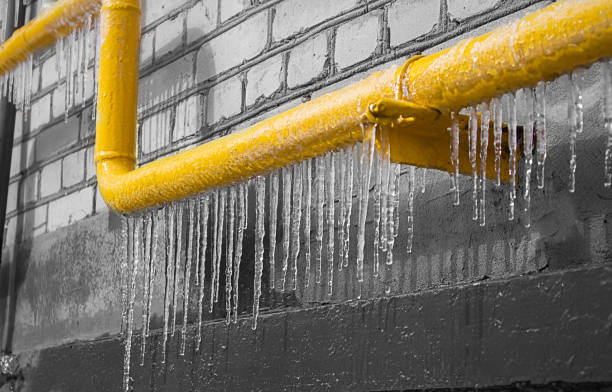
A frozen pipe is not always a broken pipe. Fast, careful action often prevents a split, while the wrong method can make it worse. If a pipe has already burst, PuroClean of Peoria offers 24/7 water damage restoration.
This guide shows you how to thaw frozen pipes in six safe steps. It also covers what never to do and how to check for leaks afterward.
Quick answer: Open the faucet on the frozen line. Warm the pipe slowly with a hair dryer, heating pad, or warm towels, starting near the faucet. Never use an open flame. Keep heating until full water pressure returns, and call a plumber if you cannot find or reach the frozen spot.
Why Pipes Freeze in Peoria Homes
Water expands as it freezes. That puts pressure on pipes, fittings, and valves, whether they are metal or plastic. The most vulnerable pipes run through cold spots like crawlspaces, garages, attics, and outside walls. North-facing walls are often the coldest.
The American Red Cross says a faucet that only trickles is a common sign of a frozen pipe. It also explains how to thaw frozen pipes with safe heat sources. Its first rule is simple: keep the faucet open while you work.
Illinois American Water, which serves Peoria, gives similar advice. It recommends thawing pipes by warming the air around them and never using an open flame. It also urges customers to know where their main water shutoff is.
Safe vs Unsafe Ways to Thaw Pipes
Before you learn how to thaw frozen pipes, know which heat sources are safe. This table sums it up:
| Method | Safe? | Notes |
| Hair dryer | Yes | Keep it moving and away from water |
| Electric heating pad | Yes | Wrap it around the frozen section |
| Towels soaked in hot water | Yes | Replace them as they cool |
| Space heater | Yes, with care | Keep it away from anything that can burn |
| Warming the room | Yes | Open cabinet doors and raise the thermostat |
| Blowtorch or propane torch | No | Fire risk and can damage the pipe |
| Kerosene or propane heater | No | Fire and carbon monoxide risk |
| Charcoal stove | No | Fire and carbon monoxide risk |
The Red Cross specifically warns against blowtorches, kerosene or propane heaters, and charcoal stoves. An open flame can start a house fire in seconds.
How to Thaw Frozen Pipes in 6 Steps
Step 1: Find the Frozen Section
Start with the faucet that only trickles or does not run at all. Follow its pipe toward cold spaces, like exterior walls, crawlspaces, or garages. Frost on the pipe or a bulge can point to the frozen spot. This first step in how to thaw frozen pipes saves time later.
Step 2: Open the Faucet
Open the faucet on the frozen line, both hot and cold. As the ice melts, water will start to flow. Running water helps melt the rest of the ice faster. Leave it open until full pressure returns.
Step 3: Locate Your Main Shutoff
Find your main water shutoff before you apply heat. If the pipe has split, water may spray once the ice melts. Knowing how to thaw frozen pipes includes knowing how to stop water fast.
Step 4: Apply Gentle Heat
Warm the pipe with a hair dryer, heating pad, or towels soaked in hot water. Start near the faucet and work back toward the frozen section. This lets melted water drain out as you go. It is the core of how to thaw frozen pipes safely.
Step 5: Keep Heating Until Pressure Returns
The Red Cross says to keep applying heat until full water pressure is restored. Stopping early can leave ice in the line. Check other faucets in the house, since more than one pipe may be frozen. Then turn off any extra faucets you opened.
Step 6: Call a Plumber When Needed
Call a licensed plumber if you cannot find the frozen area. Also call if the pipe is behind a wall or you cannot reach it safely. A plumber can thaw hidden lines without tearing out more than necessary. A pro also knows how to thaw frozen pipes in tight spaces.
How to Thaw Frozen Pipes in Hard-to-Reach Places
Not every frozen pipe is easy to reach. Here is how to thaw frozen pipes in common trouble spots:
- Inside a wall: Raise the thermostat and aim a space heater at the wall from a safe distance.
- Under a sink: Open the cabinet doors so warm room air can reach the pipes.
- In a crawlspace: Warm the space carefully, and call a plumber if access is tight.
- In a garage: Close the garage door and warm the area with a safe heater.
- Outdoors or underground: Call a plumber or your water utility for help.
Never leave a space heater running unattended. Keep it at least three feet from anything that can burn.
What Not to Do
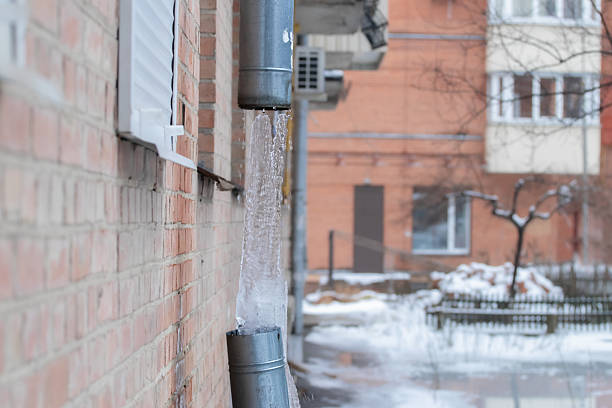
Mistakes during thawing can cause fires or burst pipes. Learning how to thaw frozen pipes also means learning what to avoid:
- Using an open flame of any kind
- Pouring boiling water directly on pipes
- Leaving the faucet closed while you heat the pipe
- Walking away from a running heater
- Ignoring a pipe you cannot reach
Boiling water can crack some pipes and fittings. Gentle, steady heat is the safest way to thaw frozen pipes.
After the Pipe Thaws: Check for Leaks
Knowing how to thaw frozen pipes is only half the job. A pipe may crack while frozen and only leak after thawing. Watch for these signs for a few days:
- Water stains on walls or ceilings
- Damp drywall or warped flooring
- Hissing or dripping sounds inside walls
- Low water pressure that does not improve
- A water bill that jumps unexpectedly
If you see water spreading, shut off the main valve right away. Move belongings out of the way and take photos for your insurance company.
Prevent the Next Freeze
Once you know how to thaw frozen pipes, take steps to avoid needing that skill again. The Red Cross and Illinois American Water recommend these habits:
- Let a cold faucet drip on very cold nights.
- Open kitchen and bathroom cabinet doors on outside walls.
- Keep the thermostat at the same setting day and night.
- Never set the heat below 55 degrees when you travel.
- Insulate pipes in crawlspaces, attics, and garages.
Our guide with 7 quick steps to prevent frozen pipes covers more ways to protect your home this winter. Sharing how to thaw frozen pipes with everyone in your home helps too.
If a Frozen Pipe Bursts
A burst pipe can release a lot of water in a short time. Water can soak drywall, insulation, and flooring within minutes. Professional drying helps prevent mold and hidden damage. Even if you know how to thaw frozen pipes, a split line needs fast drying.
- Commercial extraction removes standing water quickly.
- Thermal imaging finds moisture hidden in walls and ceilings.
- Industrial dehumidifiers dry framing and drywall.
- Hospital-grade antimicrobials treat damp areas to help prevent mold.

PuroClean of Peoria Is Ready 24/7
PuroClean of Peoria helps homeowners across the Peoria area after frozen and burst pipes. We extract water, dry your home, and document everything for your insurance claim. Call (309) 431-4003 day or night.
Frequently Asked Questions
How long does it take to thaw frozen pipes?
It can take minutes or a few hours. It depends on how cold the pipe is and how much is frozen.
How do I thaw frozen pipes without bursting them?
Open the faucet and use gentle, steady heat. Never use an open flame or boiling water.
Will frozen pipes thaw on their own?
They may as temperatures rise, but a cracked pipe can leak when they do. Thawing them carefully is safer.
How do I thaw frozen pipes in a wall?
Raise the heat and warm the wall from a safe distance. Call a plumber if water does not return.
Should I turn off the water if my pipes freeze?
Know where the main shutoff is first. Turn it off right away if you see a leak. A plumber can then repair the break.
Can I use a space heater to thaw pipes?
Yes, with care. Keep it away from anything that can burn and never leave it running alone.
Final Thoughts on How to Thaw Frozen Pipes
Freezing nights are here, and frozen pipe searches in Peoria climb every winter. Now you know how to thaw frozen pipes with safe, steady heat. Keep the faucet open, skip the flames, and check for leaks afterward.
If a frozen pipe bursts in your home, call PuroClean of Peoria at (309) 431-4003. We are ready 24/7.