A severe storm has passed, but now you’re facing a new problem, water pouring into your basement. Whether the flooding is caused by heavy rain, overwhelmed drainage systems, foundation leaks, or sump pump failure, knowing what to do during basement flooding after storm situations can help reduce damage and protect your home. At PuroClean of Peoria, we help homeowners throughout Peoria, IL respond quickly to basement flooding, water damage, mold growth, and structural concerns. This guide explains the most important steps to take before professional restoration help arrives.
Table of Contents
1. Put Safety First Before Entering the Basement
The first priority during basement flooding after storm is your safety. Floodwater can create hazards that are not immediately visible, especially when electrical systems are involved.
Never rush into a flooded basement without assessing the risks.
Safety Steps to Follow
- Stay out of the basement if electrical outlets, appliances, or wiring are submerged.
- Turn off power to affected areas only if it is safe to do so.
- Wear waterproof boots and protective gear if you must enter.
- Keep children and pets away from flooded areas.
Hazards to Watch For
- Electrical shock risks.
- Slippery surfaces.
- Structural damage caused by water pressure.
- Contaminated floodwater.
Taking these precautions helps prevent injuries while dealing with basement flooding after storm emergencies.
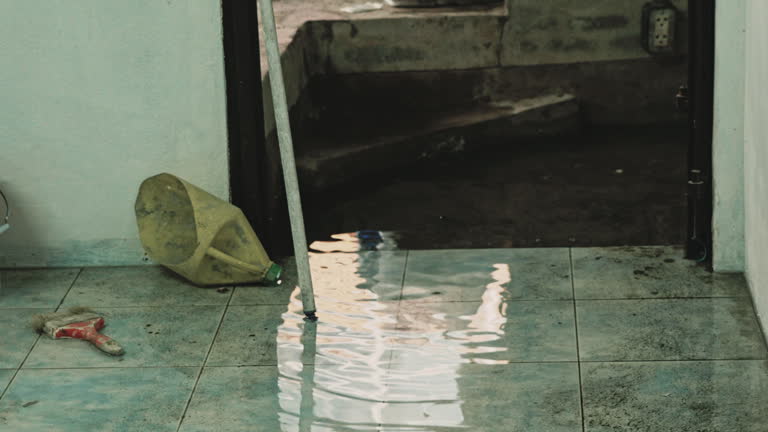
2. Identify the Source of the Flooding
Understanding where the water is coming from can help you take temporary measures to reduce additional damage. In some cases, water may still be entering the basement even after the storm ends.
Identifying the source also helps restoration professionals respond more efficiently.
Common Causes of Basement Flooding
- Heavy rainfall saturating the soil around the foundation.
- Sump pump failure during storms.
- Foundation cracks allowing water intrusion.
- Overflowing gutters and drainage systems.
What to Observe
- Areas where water appears to be entering.
- Active leaks or seepage points.
- Water depth throughout the basement.
- Changes in flooding levels over time.
Knowing the source of the basement flooding after storm can assist with both cleanup and future prevention.
3. Contact Your Insurance Company

Once safety concerns have been addressed, notify your insurance provider about the flooding. Starting the claims process early often helps speed up recovery.
Proper documentation is essential for supporting your claim.
Information to Gather
- Photos and videos of the flooded basement.
- Images of damaged belongings.
- Notes about the date and cause of the flooding.
- Records of any emergency actions taken.
Why Early Reporting Helps
- Claims processing may begin sooner.
- Documentation is easier while damage is fresh.
- Insurance adjusters can assess conditions accurately.
- You gain a clearer understanding of coverage options.
Quick communication is an important step during basement flooding after storm in your home or neighborhood.
People also read: Water Damage Insurance Claim in San Jose, IL: A Step-by-Step Guide
4. Remove Valuable Items If It Is Safe
If conditions allow, move important belongings away from standing water. The sooner items are relocated, the greater the chance of minimizing damage.
Focus on protecting items that are difficult or impossible to replace.
Items to Prioritize
- Important documents and records.
- Electronics and appliances.
- Family photographs and keepsakes.
- Valuable furniture and personal belongings.
Safe Handling Tips
- Use caution when lifting water-damaged items.
- Avoid moving large objects alone.
- Place salvaged items in a dry area.
- Document damaged belongings before disposal.
These steps can reduce losses caused by basement flooding after storm.
5. Take Steps to Limit Further Water Damage

While waiting for professional assistance, there may be opportunities to reduce ongoing damage. Temporary measures can help prevent additional moisture from spreading throughout the basement.
Focus on actions that are safe and manageable.
Temporary Damage Control Measures
- Use towels or mops to manage minor water accumulation.
- Place containers under active leaks.
- Open windows if weather conditions permit.
- Improve airflow with fans in safe, dry areas.
What Not to Do
- Do not use household vacuums to remove floodwater.
- Avoid entering deep water with electrical hazards.
- Do not remove structural materials without professional guidance.
- Never assume water has stopped spreading.
These actions may help limit damage during basement flooding after storm emergencies.
6. Be Aware of Mold Growth Risks
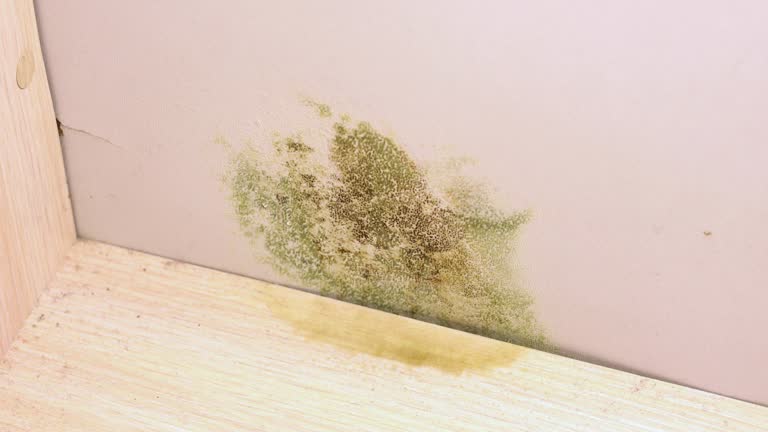
One of the biggest concerns after flooding is mold development. Moisture trapped inside walls, flooring, insulation, and stored items creates ideal conditions for mold growth.
Mold can begin developing surprisingly quickly after water exposure.
Areas Most Vulnerable to Mold
- Drywall and insulation.
- Carpeting and carpet padding.
- Stored boxes and personal belongings.
- Wood framing and subfloor materials.
Early Warning Signs
- Musty odors.
- Increased humidity levels.
- Visible discoloration on surfaces.
- Damp materials that remain wet.
If you’re already experiencing basement flooding after storm damage, call PuroClean of Peoria at (309) 431-4003 for a fast response.
7. Document Everything Before Cleanup Begins
Detailed records help support insurance claims and provide a clear picture of the damage before restoration starts.
Thorough documentation can prevent disputes and simplify the recovery process.
What to Document
- Water levels throughout the basement.
- Damaged walls, flooring, and belongings.
- Structural concerns.
- Areas affected by moisture intrusion.
Documentation Best Practices
- Take both wide-angle and close-up photos.
- Record videos when possible.
- Keep notes organized by room.
- Save receipts for emergency expenses.
Proper documentation is one of the smartest things homeowners can do during basement flooding after storm situations.
8. Understand Why Professional Water Damage Restoration Is Important
Floodwater often causes damage that extends beyond what homeowners can see. Hidden moisture frequently remains inside walls, beneath flooring, and within structural materials.
Professional restoration helps identify and address these hidden issues.
What Professional Restoration Includes
- Water extraction and removal.
- Moisture detection and monitoring.
- Structural drying and dehumidification.
- Mold prevention and remediation.
Benefits of Professional Restoration
- Faster drying times.
- Reduced risk of mold growth.
- Protection against long-term structural damage.
- Improved indoor air quality.
Professional intervention is often the most effective solution after basement flooding after storm
9. How PuroClean of Peoria Helps Restore Flooded Basements
At PuroClean of Peoria, we understand how stressful basement flooding can be. Our team responds quickly to help homeowners stabilize their property and begin the restoration process.
We use advanced equipment and proven restoration methods to help minimize damage and accelerate recovery.
Our Basement Flooding Services
- Emergency water extraction.
- Structural drying and dehumidification.
- Mold remediation services.
- Reconstruction of damaged materials.
Why Homeowners Trust Us
- Rapid emergency response.
- Experienced restoration professionals.
- Advanced moisture detection technology.
- Comprehensive restoration solutions.
When basement flooding after storm affects your home, professional assistance can make a significant difference in the outcome.
FAQs About Basement Flooding After Storm
What causes basement flooding after a storm?
Heavy rainfall, saturated soil, foundation cracks, sump pump failures, and poor drainage systems are among the most common causes.
Is it safe to enter a flooded basement?
Not always. Electrical hazards, contaminated water, and structural concerns may create dangerous conditions.
How quickly should floodwater be removed?
Floodwater should be addressed immediately to reduce the risk of mold growth, structural damage, and contamination.
Can mold grow after basement flooding?
Yes. Mold can begin developing within 24 to 48 hours when moisture remains trapped in building materials.
Should I call a restoration company before the water is gone?
Yes. Restoration professionals can provide guidance and begin planning mitigation efforts as soon as possible.
Final Thoughts – Act Quickly to Reduce Basement Flood Damage
The actions you take during the first few hours after basement flooding can significantly impact the recovery process. Prioritizing safety, documenting damage, protecting belongings, and addressing moisture quickly help minimize long-term problems. Homeowners who respond promptly to basement flooding after storm situations often avoid more extensive repairs and mold-related complications.
At PuroClean of Peoria, we provide professional water damage restoration, mold remediation, and reconstruction services for homeowners dealing with flooded basements and storm-related damage. Our team is ready to respond quickly and help restore your property with care and expertise.
Call PuroClean of Peoria for help with basement flooding after storm today at (309) 431-4003 or visit our website. Don’t let floodwater damage your home, belongings, or peace of mind, get trusted professional help today.