A puddle of water in your yard may not seem like a major concern, but standing water around your property can quickly lead to serious basement flooding in Peoria homes. Heavy rainfall, poor drainage, clogged gutters, and saturated soil often allow water to collect around foundations, creating pressure that forces moisture into basements. At PuroClean of Peoria, we help homeowners throughout Peoria, IL respond to basement flooding, water damage, mold growth, and structural concerns caused by excess water. This guide explains how standing water contributes to basement flooding, the warning signs to watch for, and how to protect your home before damage occurs.
Table of Contents
1. Why Standing Water Is a Major Cause of Basement Flooding

Standing water may appear harmless at first, but when it remains near your home’s foundation, it can create significant problems. As water accumulates, the soil around the foundation becomes saturated and increases pressure against basement walls.
Over time, that pressure can force water through cracks, joints, and other vulnerable areas.
Common Sources of Standing Water
- Heavy rainfall that exceeds your property’s drainage capacity.
- Poor yard grading that directs water toward the foundation.
- Clogged gutters that overflow during storms.
- Blocked or damaged downspouts that release water near the home.
Why It Matters
- Saturated soil increases hydrostatic pressure against foundation walls.
- Water looks for the path of least resistance into your basement.
- Small cracks can become entry points for moisture.
- Persistent standing water raises the risk of recurring flooding.
Understanding how standing water contributes to basement flooding in Peoria helps homeowners take preventative action before major damage occurs.
2. How Hydrostatic Pressure Forces Water Into Basements
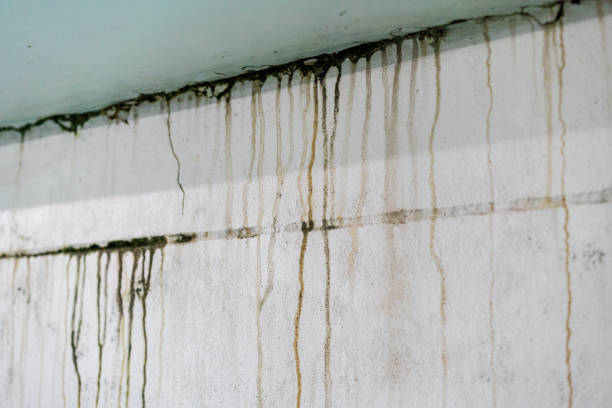
One of the biggest causes of basement flooding is hydrostatic pressure. This occurs when water builds up in the soil surrounding your foundation and pushes against basement walls and floors.
Many homeowners do not realize that flooding can occur even when there are no obvious cracks or openings.
Signs Hydrostatic Pressure May Be Affecting Your Home
- Water seepage where basement walls meet the floor.
- Damp spots appearing on concrete surfaces.
- White chalky residue known as efflorescence.
- Increased moisture levels after heavy rainfall.
Long-Term Risks
- Foundation cracks may grow larger over time.
- Water intrusion can become more frequent.
- Structural materials may weaken from repeated moisture exposure.
- Repair costs often increase when problems are ignored.
Hydrostatic pressure plays a major role in many basement flooding in Peoria situations, especially after prolonged rainfall.
3. What Happens When Gutters and Downspouts Fail?

Your gutter system serves as one of the first lines of defense against basement flooding. When gutters become clogged or damaged, water cannot move away from the property efficiently.
Instead, rainwater often pools around the foundation where it contributes to standing water problems.
Common Gutter Problems
- Leaves and debris blocking water flow.
- Downspouts discharging water too close to the foundation.
- Sagging gutters that fail to direct water properly.
- Damaged sections that allow overflow during storms.
Prevention Tips
- Clean gutters regularly throughout the year.
- Extend downspouts several feet from the home.
- Inspect gutters after major storms.
- Repair damaged sections promptly.
Maintaining your drainage system can significantly reduce the risk of basement flooding in Peoria after heavy rainfall.
4. How Poor Yard Grading Creates Flood Risks
The slope of your property affects how water moves during storms. If the landscape directs water toward the house rather than away from it, standing water becomes much more likely.
Many flooding issues begin outside the home before water ever enters the basement.
Signs of Poor Yard Grading
- Water pooling near foundation walls after rain.
- Soil erosion around the home.
- Persistent muddy areas close to the structure.
- Basement moisture following storms.
Solutions for Better Drainage
- Regrade landscaping to direct water away from the foundation.
- Install drainage systems where necessary.
- Fill low spots where water collects.
- Monitor problem areas during heavy rainfall.
Addressing grading issues helps minimize the conditions that lead to basement flooding in Peoria.
5. Why Basement Flooding Often Leads to Mold Growth
Water that enters the basement rarely affects only one area. Moisture often spreads into drywall, insulation, carpeting, and stored belongings.
Once materials remain wet for extended periods, mold growth becomes a serious concern.
Areas Most Vulnerable to Mold
- Finished basement walls and flooring.
- Stored boxes and personal belongings.
- Insulation behind drywall.
- Carpeting and padding exposed to water.
Warning Signs of Mold
- Musty odors that persist after flooding.
- Discoloration on walls or ceilings.
- Increased indoor humidity levels.
- Allergy-like symptoms indoors.
If you’re already experiencing signs of basement flooding in Peoria, call PuroClean of Peoria at (309) 431-4003 for a fast response.
6. What Should You Do After Basement Flooding Occurs?
The first few hours after basement flooding are critical. Quick action helps limit water damage, reduce mold risks, and improve the chances of saving building materials.
Safety should always be the top priority when entering a flooded basement.
Immediate Steps to Take
- Turn off electricity to affected areas if it is safe to do so.
- Remove valuable items from standing water.
- Document damage for insurance purposes.
- Contact a professional restoration company immediately.
What to Avoid
- Do not enter flooded areas with electrical hazards.
- Avoid delaying cleanup because moisture spreads quickly.
- Do not assume visible water is the only problem.
- Never ignore musty odors after flooding.
Fast action can significantly reduce the impact of basement flooding in Peoria on your property.
7. How Professional Water Damage Restoration Helps
Removing standing water is only part of the recovery process. Hidden moisture often remains trapped behind walls, beneath flooring, and inside structural materials.
At PuroClean of Peoria, we use professional equipment to identify and remove moisture throughout the affected area.
Professional Restoration Services Include
- Water extraction and removal.
- Moisture detection and monitoring.
- Structural drying with commercial equipment.
- Mold prevention and remediation when necessary.
Benefits of Professional Restoration
- Faster drying times.
- Reduced risk of mold growth.
- Protection against long-term structural damage.
- Improved indoor air quality after flooding.
Professional restoration plays an important role in recovering from basement flooding in Peoria and preventing recurring issues.
8. How to Prevent Future Basement Flooding Problems
Prevention is often less expensive than restoration. Taking proactive steps to control water around your property can reduce the chances of future flooding.
Routine maintenance and inspections are key to long-term protection.
Basement Flood Prevention Tips
- Keep gutters and downspouts clean and functional.
- Inspect your foundation for cracks regularly.
- Test sump pumps before storm season.
- Monitor areas where water tends to collect.
Long-Term Protection Strategies
- Improve yard grading and drainage systems.
- Install a backup sump pump if needed.
- Seal foundation cracks promptly.
- Schedule professional inspections after major storms.
These preventative measures can help homeowners avoid costly basement flooding in Peoria situations and protect their property’s value.
FAQs About Basement Flooding In Peoria
What causes basement flooding in Peoria?
Heavy rainfall, standing water near foundations, clogged gutters, poor drainage, sump pump failures, and foundation cracks are among the most common causes.
Can standing water outside really flood my basement?
Yes. Standing water saturates the soil around your foundation and creates hydrostatic pressure that can force water into the basement.
How quickly should basement flooding be addressed?
Flooding should be addressed immediately because mold growth and structural damage can begin within 24 to 48 hours.
Will a sump pump prevent all basement flooding?
A sump pump helps manage excess groundwater, but proper drainage, grading, and foundation maintenance are also important.
Can basement flooding lead to mold problems?
Yes. Moisture left untreated can create ideal conditions for mold growth inside walls, flooring, and stored belongings.
Final Thoughts – Protect Your Home From Costly Basement Flooding
Standing water around your property may seem like a minor issue, but it can create serious foundation and moisture problems over time. Proper drainage, regular maintenance, and fast response after water intrusion help protect your home from structural damage, mold growth, and costly repairs. Homeowners who address standing water early often avoid much larger restoration challenges later.
At PuroClean of Peoria, we help homeowners recover from basement flooding in Peoria with professional water damage restoration, mold remediation, and reconstruction services. Our team is ready to respond quickly and help restore your home after flooding and water damage emergencies.
📞 Call PuroClean of Peoria for emergency restoration today at (309) 431-4003 or visit our website. Don’t let standing water and flooding damage your home, belongings, or peace of mind, get trusted professional help today.