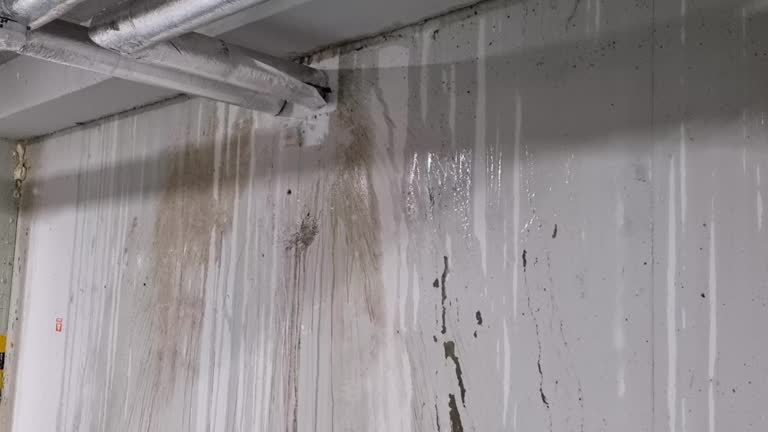
A flooded basement can go from a small cleanup problem to serious property damage when water is left sitting on the floor. Basement water removal needs to happen quickly because standing water can spread into drywall, flooring, insulation, furniture, and other materials.
At PuroClean of Peoria, we help homeowners respond to basement flooding with professional water extraction, moisture detection, structural drying, mold remediation, and reconstruction services. This guide explains what causes basement water problems, what you should do first, why fast removal matters, and when professional help is the right choice.
Table of Contents
1. Find Out Where the Basement Water Came From
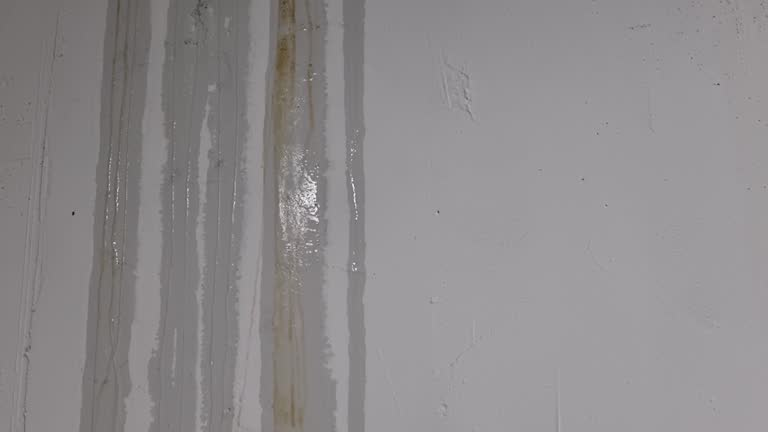
Before removing water, you need to understand how it entered your basement. Heavy rain, foundation seepage, plumbing failures, sump pump problems, and sewer backups can all create different restoration challenges.
Identifying the source helps you determine whether the water is safe to handle and what steps should follow.
Common Causes of Basement Water
- Heavy rainfall can overwhelm drainage systems and allow water to enter through foundations, windows, or doors.
- A failed sump pump can allow groundwater to accumulate rapidly during storms.
- Burst or leaking pipes can release large amounts of water into a basement.
- Sewer backups can introduce contaminated water that requires specialized cleanup.
What to Check
- Inspect your sump pump if it is safe to access.
- Look for active plumbing leaks.
- Check basement windows and foundation walls for water entry.
- Avoid entering contaminated or electrically hazardous standing water.
Understanding the source is the first step toward effective basement water removal.
2. Put Safety Before Cleanup
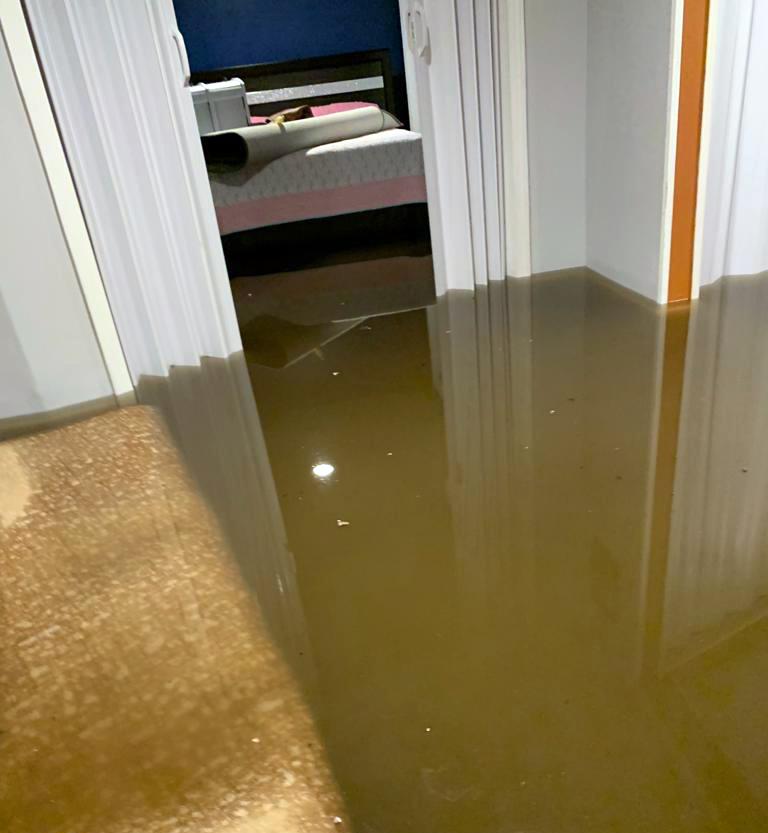
Standing water inside a basement can create hazards that are not immediately obvious. Electrical equipment, contaminated water, unstable materials, and hidden structural problems can all make cleanup dangerous.
Do not rush into a flooded basement simply because you want to start removing the water.
Important Safety Steps
- Stay out of standing water if electrical equipment or outlets may be affected.
- Keep children and pets away from the flooded area.
- Do not handle sewage-contaminated water without proper protection.
- Leave the area if you notice structural instability or other serious hazards.
When to Get Professional Help
- Water is deep or continues entering the basement.
- The water may contain sewage or other contaminants.
- Electrical hazards are present.
- You cannot safely determine where the water came from.
Safe basement water removal starts with protecting yourself and your family before addressing the property damage.
3. Remove Standing Water as Quickly as Possible
Once the area is safe, removing standing water should be a priority. Water can quickly move into porous materials, increasing the amount of property that needs drying and restoration.
The longer water remains inside your basement, the greater the opportunity for secondary damage.
Why Fast Water Removal Matters
- Standing water can saturate flooring and carpet padding.
- Drywall can absorb water and begin deteriorating.
- Wooden materials can swell after prolonged exposure.
- Persistent moisture can create conditions that support mold growth.
During the Initial Response
- Remove unaffected belongings from the wet area when it is safe.
- Keep wet and dry materials separated.
- Avoid spreading contaminated water into unaffected areas.
- Contact a restoration professional when the amount of water exceeds what you can safely manage.
Professional basement water removal can help extract water efficiently and begin the drying process before additional materials become affected.
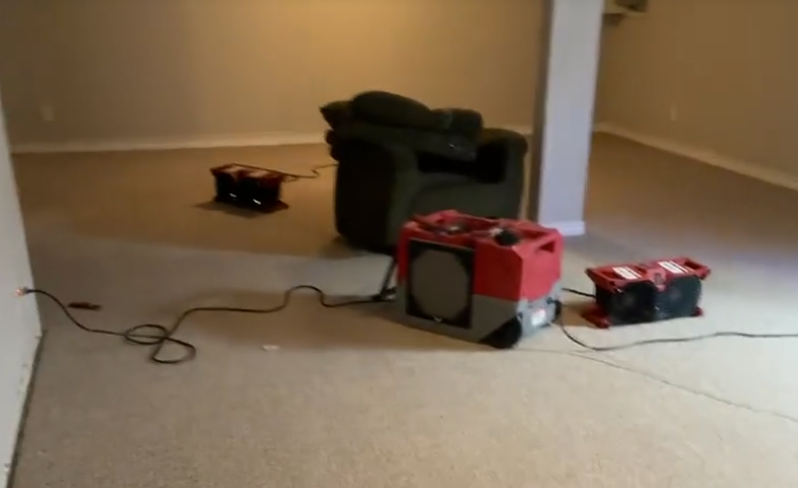
4. Do Not Stop When the Basement Floor Looks Dry
Visible standing water is only part of the problem. Moisture can remain beneath flooring, inside drywall, under carpet padding, and within wooden structures even after the basement floor appears dry.
This hidden moisture is one reason professional moisture detection matters.
Places Where Water Can Hide
- Beneath carpet and padding.
- Behind drywall and baseboards.
- Inside insulation.
- Under flooring and along the subfloor.
Signs Moisture May Remain
- Musty odors continue after cleanup.
- Flooring feels soft, swollen, or warped.
- Walls show staining or discoloration.
- Humidity remains unusually high.
Thorough basement water removal should include checking affected materials for hidden moisture, not just removing the water you can see.
5. Dry the Basement With the Right Equipment
Removing standing water does not automatically dry the entire basement. Water absorbed by building materials needs to be removed through controlled drying and dehumidification.
Household fans may provide some airflow, but significant water damage often requires professional equipment and moisture monitoring.
Professional Drying May Include
- High-powered air movers to increase evaporation.
- Dehumidifiers to remove moisture from the air.
- Moisture meters to monitor affected materials.
- Targeted drying of walls, flooring, and structural components.
Why Monitoring Matters
- Materials can appear dry while retaining moisture internally.
- Excess humidity can slow the drying process.
- Drying equipment needs to be positioned based on the affected area.
- Moisture measurements help determine when materials have dried sufficiently.
Effective basement water removal includes both extraction and thorough structural drying.
6. Prevent Mold After Basement Water Damage

Basements naturally tend to be cooler and more humid than other parts of a home. When flooding adds more moisture, conditions can become favorable for mold growth.
The best approach is to address the water quickly and prevent affected materials from remaining damp.
Reduce Mold Risk
- Remove standing water promptly.
- Dry wet materials thoroughly.
- Control basement humidity with appropriate ventilation or dehumidification.
- Address the source of the water so the problem does not continue.
Watch for Warning Signs
- Musty odors.
- New discoloration on walls or floors.
- Mold-like growth.
- Recurring dampness after the basement has been cleaned.
If mold develops following flooding, professional mold remediation may be needed in addition to basement water removal.
7. Why Choose PuroClean of Peoria for Basement Water Removal?
A flooded basement can affect more than the floor. Water may spread into walls, insulation, flooring, furniture, stored belongings, and structural materials.
At PuroClean of Peoria, we take a complete restoration approach. We focus on removing water, identifying hidden moisture, drying affected areas, and addressing additional damage when necessary.
Our Basement Water Damage Services Include
- Emergency water extraction.
- Professional moisture detection.
- Structural drying and dehumidification.
- Mold remediation.
- Cleaning of affected areas.
- Reconstruction when materials require repair or replacement.
Why Professional Restoration Helps
- Specialized equipment can remove water more efficiently.
- Moisture detection can identify areas you cannot see.
- Professional drying can help reduce secondary damage.
- Restoration can address related mold and reconstruction needs.
If your basement has standing water or significant moisture damage, call PuroClean of Peoria at (309) 431-4003 for a fast response.
FAQs About Basement Water Removal
How quickly should water be removed from a flooded basement?
Water should be removed as soon as it is safe to do so. Prompt extraction and drying can help limit damage to flooring, drywall, wood, insulation, and other materials.
What causes water to enter a basement?
Common causes include heavy rain, foundation seepage, sump pump failure, plumbing leaks, groundwater, poor drainage, and sewer backups.
Can I remove basement water myself?
Small amounts of clean water may sometimes be handled safely with appropriate equipment, but significant flooding, contaminated water, electrical hazards, or hidden moisture should be professionally assessed.
How do I know if my basement is completely dry?
A dry-looking floor does not guarantee that walls, flooring, insulation, or other materials are dry. Moisture meters and professional monitoring can help identify moisture that remains below the surface.
Can basement flooding cause mold?
Yes. Persistent moisture can create conditions that support mold growth. Prompt water extraction, drying, and humidity control can help reduce the risk.
Final Thoughts – Remove Basement Water Before Damage Spreads
Basement water removal is about more than getting standing water off the floor. You also need to identify the source, check for hidden moisture, dry affected materials thoroughly, and address conditions that could lead to mold or additional property damage.
At PuroClean of Peoria, we provide professional water damage restoration, moisture detection, structural drying, mold remediation, and reconstruction services throughout Peoria, IL. When your basement floods, our team can help you take the right steps toward restoring your property.
📞 Call PuroClean of Peoria for basement water removal today at (309) 431-4003 or visit our website.
Don’t let standing water turn into lasting damage to your home or belongings, get trusted professional help today.