A flooded carpet may look like a simple cleanup job, but hidden moisture beneath the surface can lead to mold growth, unpleasant odors, and costly damage if it is not dried properly. Knowing the best way to dry flooded carpet can help protect your flooring, improve indoor air quality, and reduce the need for expensive repairs. At PuroClean of Peoria, we help homeowners throughout Peoria, IL recover from water damage with professional water extraction, structural drying, carpet restoration, and mold remediation services. This guide explains the safest and most effective ways to dry flooded carpet and when it is time to call a professional.
Table of Contents
1. Act Immediately After the Carpet Gets Wet
Time is one of the biggest factors in determining whether a flooded carpet can be saved. The longer moisture remains trapped in the carpet and padding, the greater the risk of mold growth and permanent damage.
Taking action within the first 24 to 48 hours gives you the best chance of restoring your carpet.
Why Fast Action Matters
- Water quickly soaks into carpet padding and subfloors.
- Mold can begin developing within 24 to 48 hours.
- Wet carpet fibers become harder to restore over time.
- Lingering moisture often causes unpleasant odors.
Your First Steps
- Stop the source of the water if possible.
- Keep people and pets away from the affected area.
- Contact a restoration professional if the flooding is extensive.
- Document the damage for insurance purposes.
The best way to dry flooded carpet always begins with a fast response.
2. Determine What Type of Water Caused the Flooding
Not all floodwater is the same. The source of the water determines whether a carpet can be safely cleaned and restored.
Some types of floodwater contain contaminants that require professional handling.
Common Types of Water Damage
- Clean water from broken supply lines or overflowing sinks.
- Gray water from washing machines or appliances.
- Contaminated water from sewage backups or outdoor flooding.
Why Water Type Matters
- Contaminated water may make carpet restoration unsafe.
- Some carpets require replacement after sewage exposure.
- Professional sanitization may be necessary.
- Health risks increase with contaminated floodwater.
Understanding the water source is an important part of choosing the best way to dry flooded carpet.
3. Remove Standing Water as Quickly as Possible

Before drying can begin, excess water must be removed. The less water that remains, the faster the carpet and surrounding materials can dry.
Professional water extraction equipment removes moisture far more effectively than household tools.
Water Removal Tips
- Remove standing water as soon as it is safe.
- Use proper extraction equipment whenever possible.
- Remove wet furniture from the carpet.
- Limit foot traffic across soaked areas.
Why Water Extraction Is Important
- It speeds up the drying process.
- It reduces the amount of moisture trapped in padding.
- It lowers the risk of mold growth.
- It helps protect the subfloor.
Water extraction is one of the most important steps in the best way to dry flooded carpet.
4. Increase Airflow Throughout the Room
Once standing water has been removed, improving air circulation helps moisture evaporate more efficiently. Proper airflow supports faster drying and reduces humidity levels.
Ventilation is especially important in enclosed spaces.
Ways to Improve Airflow
- Open windows when outdoor conditions are dry.
- Use fans to circulate air.
- Keep interior doors open.
- Operate your HVAC system if appropriate.
Benefits of Better Airflow
- Faster carpet drying.
- Reduced humidity.
- Lower risk of mold growth.
- Improved indoor comfort.
Good airflow plays a major role in the best way to dry flooded carpet.
5. Use Dehumidifiers to Remove Moisture From the Air
Flooded carpets release large amounts of moisture into the surrounding air. Dehumidifiers help remove that excess humidity, allowing carpets and building materials to dry more effectively.
This step is often overlooked during DIY cleanup.
Why Dehumidifiers Help
- They reduce indoor humidity.
- They improve drying efficiency.
- They discourage mold growth.
- They help dry hidden moisture.
Best Practices
- Keep doors and windows closed while using a dehumidifier.
- Empty the collection tank as needed.
- Continue operation until moisture levels return to normal.
- Monitor humidity with a hygrometer if available.
Using dehumidification is part of the best way to dry flooded carpet after water damage.
6. Check the Carpet Padding and Subfloor
Even if the surface of the carpet feels dry, moisture often remains trapped underneath. Carpet padding and subfloors can hold water long after the carpet appears dry.
Ignoring these hidden areas may lead to future problems.
Areas to Inspect
- Carpet padding.
- Wooden subfloors.
- Baseboards.
- Adjacent drywall.
Signs Moisture Remains
- Soft or squishy carpet.
- Persistent musty odors.
- Damp padding.
- Visible discoloration.
If you’re already dealing with water damage, call PuroClean of Peoria at (309) 431-4003 for a fast response.
7. Watch for Signs of Mold Growth

Wet carpets create ideal conditions for mold, especially when drying is incomplete. Mold can begin growing quickly if moisture remains trapped beneath the carpet.
Early detection helps reduce remediation costs.
Warning Signs
- Musty smells.
- Dark spots on carpet fibers.
- Allergy symptoms indoors.
- Increased indoor humidity.
Mold Prevention Tips
- Dry carpets immediately.
- Remove wet padding if necessary.
- Maintain good airflow.
- Schedule professional drying when needed.
Preventing mold is a key reason the best way to dry flooded carpet involves thorough moisture removal.
8. Know When to Call a Professional Restoration Company
Some flooded carpets require specialized equipment and expertise to restore safely. Large flooding events and contaminated water should always be handled by professionals.
Professional restoration helps uncover hidden moisture that homeowners often miss.
Signs You Need Professional Help
- Water covers a large area.
- Floodwater is contaminated.
- Carpet remains damp after drying attempts.
- Musty odors continue for several days.
Professional Restoration Services Include
- Water extraction.
- Moisture detection.
- Structural drying.
- Mold remediation if necessary.
Professional restoration provides the best way to dry flooded carpet when water damage is extensive.
9. How PuroClean of Peoria Restores Flooded Carpets
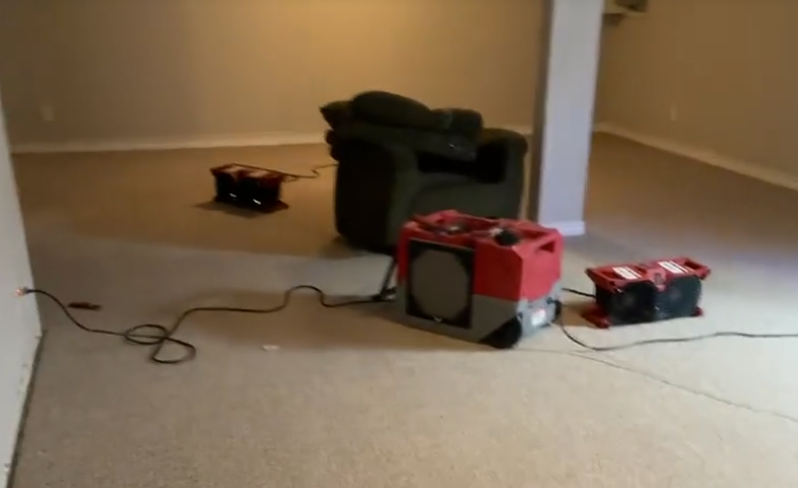
At PuroClean of Peoria, we understand how stressful water damage can be. Our experienced team uses advanced drying equipment and proven restoration techniques to help save carpets whenever possible.
We focus on removing hidden moisture and restoring safe indoor conditions.
Our Water Damage Services
- Emergency water extraction.
- Carpet and structural drying.
- Moisture monitoring.
- Mold remediation.
- Reconstruction services if needed.
Why Homeowners Choose Us
- Rapid emergency response.
- Advanced drying technology.
- Experienced restoration professionals.
- Comprehensive property restoration services.
When you need the best way to dry flooded carpet, our team is ready to help restore your home quickly and professionally.
FAQs About the Best Way To Dry Flooded Carpet
How quickly should a flooded carpet be dried?
Flooded carpet should be dried immediately. Mold can begin growing within 24 to 48 hours if moisture remains.
Can a flooded carpet always be saved?
Not always. The type of water involved, the amount of damage, and how quickly drying begins all affect whether restoration is possible.
Is carpet padding usually damaged after flooding?
Carpet padding often absorbs more water than the carpet itself and may need to be replaced in some situations.
Can I dry flooded carpet using household fans?
Fans can help with minor water damage, but they usually cannot remove hidden moisture trapped beneath the carpet or inside the padding.
When should I call a professional restoration company?
You should call immediately if the flooding is extensive, involves contaminated water, or the carpet remains wet after initial drying efforts.
Final Thoughts: Dry Flooded Carpet the Right Way
Drying flooded carpet properly is about much more than removing visible water. Hidden moisture beneath the carpet can lead to mold growth, unpleasant odors, and structural damage if it is not addressed quickly. Acting fast, improving airflow, controlling humidity, and using professional restoration equipment when necessary can help protect your home and reduce long-term repair costs.
At PuroClean of Peoria, we provide expert water damage restoration, carpet drying, mold remediation, and reconstruction services throughout Peoria, IL. Our experienced team is ready to respond quickly and restore your home after flooding.
📞 Call PuroClean of Peoria for the best way to dry flooded carpet today at (309) 431-4003 or visit our website.
Don’t let hidden moisture damage your carpets, your home, or your indoor air quality, get trusted professional help today.