Floodwater can leave behind much more than visible damage. While many homeowners focus on removing standing water and drying out their property, they often overlook one critical step: carpet cleaning after flood events. Carpets can absorb large amounts of water, dirt, bacteria, and contaminants, creating conditions that lead to odors, mold growth, and long-term damage. At PuroClean of Peoria, we help homeowners throughout Peoria, IL restore their homes after flooding with professional water damage restoration and carpet cleaning services. In this guide, we’ll explain why carpet cleaning is so important after a flood and what steps homeowners should take to protect their property.
Table of Contents
1. Why Carpet Cleaning After Flood Damage Cannot Wait
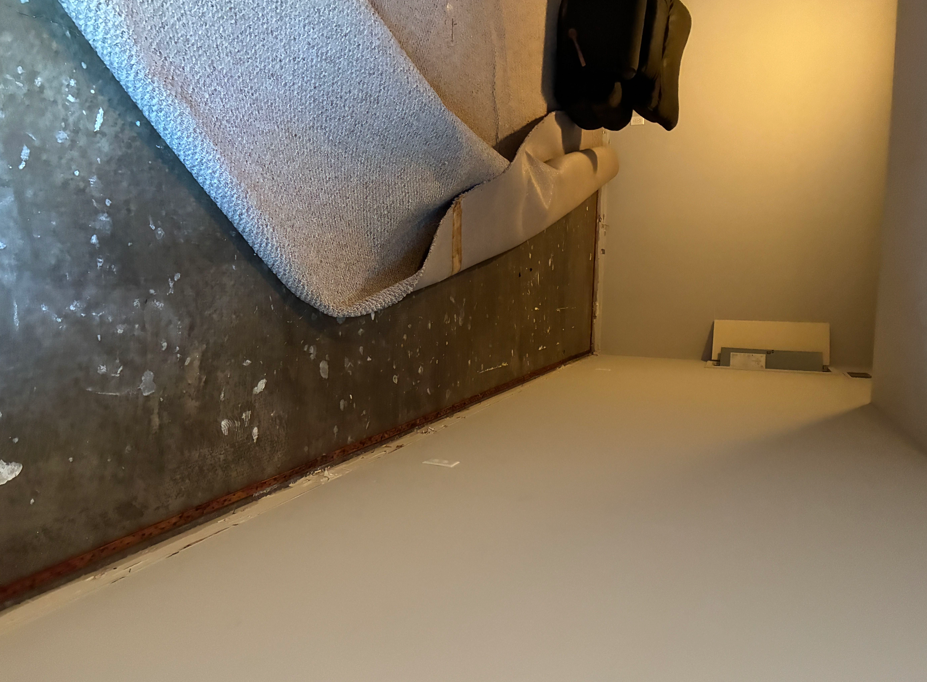
Floodwater quickly soaks through carpet fibers and into the padding beneath. Even if the surface appears dry, hidden moisture often remains trapped underneath.
The longer moisture stays in your carpet, the greater the risk of contamination and permanent damage.
What Happens When Carpets Stay Wet?
- Moisture penetrates deep into carpet padding and subfloors.
- Mold can begin developing within 24 to 48 hours.
- Odors become more difficult to remove over time.
- Bacteria and contaminants may continue spreading.
Why Immediate Action Matters
- Faster drying improves the chances of saving the carpet.
- Early cleaning helps prevent mold growth.
- Moisture removal reduces damage to underlying materials.
- Professional treatment can limit long-term restoration costs.
Prompt carpet cleaning after flood damage is one of the most important steps in protecting your home.
You can also read: Water Damage Clean Up in Peoria: 7 Critical Lessons Every Homeowner Must Learn
2. Floodwater Often Contains Hidden Contaminants
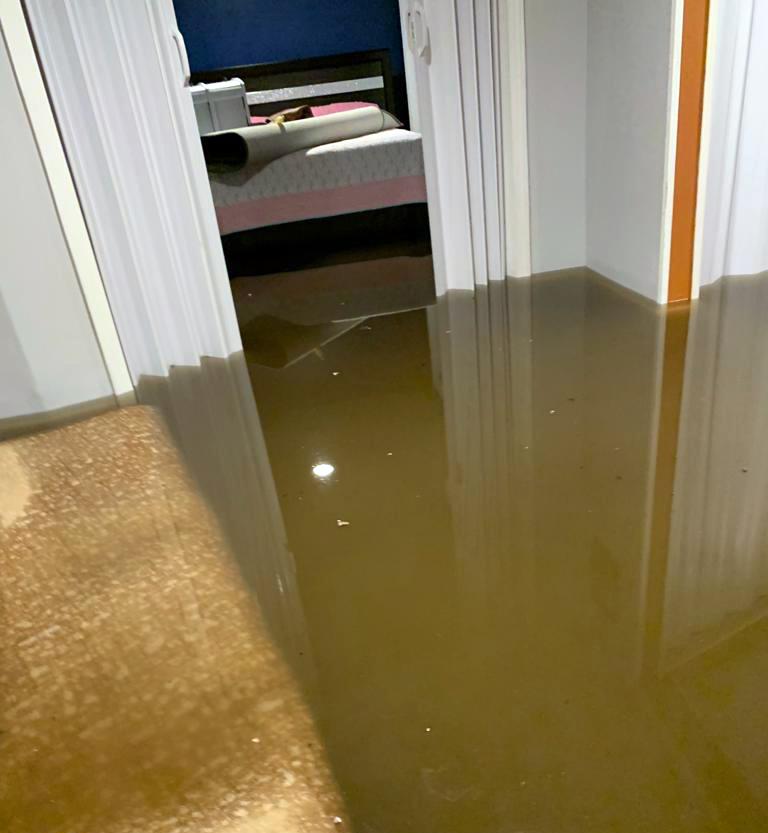
Not all floodwater is clean. Depending on the source, floodwater may contain dirt, sewage, chemicals, bacteria, and other contaminants that become trapped in carpeting.
Even minor flooding can introduce substances that create health and sanitation concerns.
Common Contaminants Found in Floodwater
- Dirt and debris from outside the home.
- Bacteria and microorganisms.
- Sewage-related contaminants.
- Chemicals carried by storm runoff.
Risks of Ignoring Contaminated Carpets
- Lingering odors throughout the home.
- Increased mold and bacterial growth.
- Poor indoor air quality.
- Contamination spreading to other areas.
Professional carpet cleaning after flood events helps address contamination that ordinary cleaning methods often miss.
3. Mold Growth Can Begin Faster Than You Think
One of the biggest dangers following a flood is mold growth. Damp carpets create the perfect environment for mold to develop, especially when moisture remains trapped beneath the surface.
Many homeowners do not realize mold can begin growing long before visible signs appear.
Areas Where Mold Commonly Develops
- Carpet padding beneath wet flooring.
- Subfloors affected by floodwater.
- Baseboards near damp carpeting.
- Furniture resting on wet carpet.
Warning Signs of Mold Growth
- Musty odors that continue after drying.
- Discoloration in carpet fibers.
- Increased indoor humidity.
- Allergy-like symptoms indoors.
Because mold develops quickly, carpet cleaning after flood damage should never be delayed.
Make sure to read: Mold Removal in Peoria, IL: What to Do in the First 24 Hours
4. Wet Carpets Can Damage Your Indoor Air Quality
Flood-damaged carpets often affect more than flooring. Moisture, contaminants, and mold spores can circulate through your home and impact indoor air quality.
Many homeowners notice unpleasant odors before they realize a larger problem exists.
How Flooded Carpets Affect Air Quality
- Mold spores can become airborne.
- Damp materials release musty odors.
- Bacteria may contribute to unhealthy conditions.
- Humidity levels often remain elevated.
Signs Your Air Quality May Be Affected
- Persistent odors despite cleaning.
- Increased allergy symptoms indoors.
- Excess humidity throughout the home.
- Respiratory irritation in affected rooms.
Proper carpet cleaning after flood restoration helps create a healthier indoor environment.
People also read: How Water Damage Affects Air Quality
5. Carpet Padding Often Holds More Water Than the Carpet Itself
While homeowners can see the surface of their carpet, the padding underneath is often where the greatest moisture problem exists.
Padding acts like a sponge and can retain water long after the carpet appears dry.
Why Carpet Padding Matters
- It absorbs significant amounts of floodwater.
- Hidden moisture encourages mold growth.
- Odors often originate beneath the carpet.
- Structural materials may remain wet underneath.
Professional Assessment Is Important
- Moisture meters detect hidden water.
- Restoration experts evaluate salvageability.
- Damaged padding can be removed when necessary.
- Proper drying prevents future issues.
Effective carpet cleaning after flood situations includes evaluating both the carpet and underlying materials.
6. DIY Cleanup Often Leaves Hidden Moisture Behind
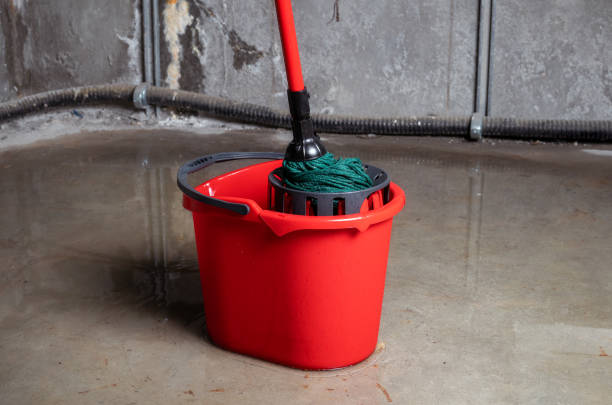
Many homeowners attempt to clean flood-damaged carpets using household fans, shop vacuums, or rental equipment. While these tools may remove some water, they rarely eliminate all hidden moisture.
Incomplete drying often leads to recurring problems.
Limitations of DIY Flood Cleanup
- Surface drying does not remove deep moisture.
- Household equipment lacks commercial drying power.
- Hidden water may remain beneath flooring.
- Mold risks increase when moisture persists.
Benefits of Professional Restoration
- Advanced moisture detection equipment.
- Industrial-grade drying systems.
- Comprehensive cleaning and sanitization.
- Faster and more thorough results.
Professional carpet cleaning after flood damage addresses issues that are often impossible to see.
If you’re already dealing with flood-damaged carpets, call PuroClean of Peoria at (309) 431-4003 for a fast response.
7. Professional Carpet Cleaning Helps Preserve Flooring
Not every flood-damaged carpet needs replacement. In some cases, rapid response and professional cleaning can help save carpeting and reduce restoration costs.
The key is acting before damage becomes permanent.
Factors That Influence Carpet Salvageability
- Type of water involved in the flood.
- Length of time the carpet remained wet.
- Extent of contamination.
- Condition of the carpet before flooding.
How Professional Cleaning Helps
- Removes contaminants from carpet fibers.
- Improves drying effectiveness.
- Reduces odor issues.
- Supports restoration rather than replacement when possible.
Quick carpet cleaning after flood damage often improves the likelihood of successful recovery.
8. What Happens During Professional Carpet Cleaning After Flood Damage?
Professional flood restoration involves much more than simply extracting water. Restoration specialists use a systematic approach to remove moisture, clean affected materials, and restore safe conditions.
At PuroClean of Peoria, we customize our response based on the severity of the flooding.
Typical Restoration Steps
- Inspection and moisture assessment.
- Water extraction and removal.
- Carpet and padding evaluation.
- Deep cleaning and sanitization.
Additional Restoration Services
- Structural drying and dehumidification.
- Mold prevention treatments.
- Odor removal services.
- Reconstruction if building materials have been damaged.
Professional carpet cleaning after flood damage helps ensure no hidden moisture is left behind.
9. How to Prevent Future Carpet Damage After Flooding
While floods cannot always be prevented, homeowners can take steps to reduce future risks and protect their flooring.
Preventative maintenance often limits damage during future water events.
Flood Prevention Tips
- Inspect plumbing regularly for leaks.
- Maintain gutters and downspouts.
- Test sump pumps before storm season.
- Address drainage issues around the property.
Long-Term Protection Strategies
- Respond immediately to water intrusion.
- Schedule professional inspections after flooding.
- Monitor humidity levels indoors.
- Replace damaged materials when necessary.
These proactive measures help reduce future carpet cleaning after flood emergencies and protect your investment.
FAQs About Carpet Cleaning After Flood
How soon should carpet be cleaned after a flood?
Carpet should be addressed immediately. Mold growth and bacterial contamination can begin within 24 to 48 hours after water exposure.
Can flooded carpet be saved?
It depends on the source of the water, the extent of contamination, and how quickly restoration begins.
Why does my carpet still smell after drying?
Odors often indicate hidden moisture, contamination, or mold growth beneath the carpet or padding.
Can I clean flood-damaged carpet myself?
Small spills may be manageable, but flood-damaged carpets typically require professional equipment and expertise to remove hidden moisture effectively.
What happens if wet carpet is left untreated?
Untreated carpet can develop mold, odors, bacterial contamination, and damage to underlying flooring materials.
Final Thoughts – Protect Your Home With Fast Flood Cleanup
Floodwater can create serious problems long after standing water is gone. Moisture trapped in carpeting, padding, and subfloors can lead to mold growth, odors, contamination, and costly repairs if not addressed quickly. Fast response and professional cleaning help protect your flooring, indoor air quality, and overall property condition.
At PuroClean of Peoria, we provide professional carpet cleaning after flood damage as part of our comprehensive water damage restoration services. Our team uses advanced equipment and proven restoration methods to help homeowners recover quickly and safely after flooding.
📞 Call PuroClean of Peoria for carpet cleaning after flood damage today at (309) 431-4003 or visit our website. Don’t let hidden moisture, mold, or contamination ruin your carpets and home, get trusted professional help today.