Your basement just flooded after a heavy storm, and the water is still rising. Knowing what to do in the next hour can mean the difference between a manageable cleanup and a months-long restoration nightmare. At PuroClean of Peoria, we have helped hundreds of Peoria homeowners through exactly this situation, and this guide covers every step: what causes basement flooding, what you should do right now, what you should never do, and when to call for professional flood damage restoration.
Table of Contents
Why Basements Flood After Storms in Peoria
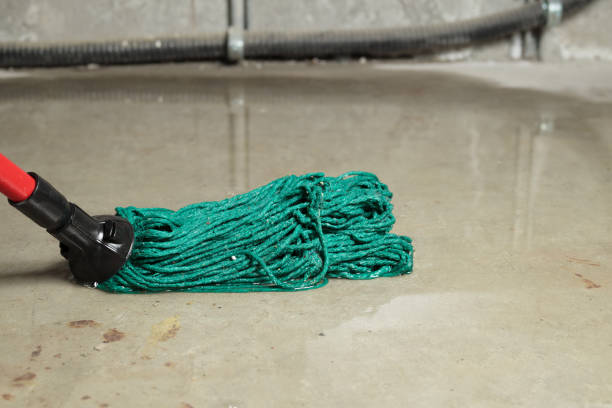
Peoria sits in the Illinois River valley, and its geography makes it especially vulnerable to basement flooding during heavy rain events. When soil becomes saturated faster than it can drain, water looks for the path of least resistance, and that path often leads straight into your basement.
- Hydrostatic pressure builds when saturated soil pushes water through foundation cracks, floor joints, and around pipe penetrations.
- Overwhelmed municipal storm drains can cause water to back up through floor drains, a problem called sewer backup, which brings contaminated water into your home.
- Low-lying neighborhoods near Kickapoo Creek and the Illinois River are at higher risk during flash flood events, which Peoria experiences regularly in spring and early summer.
- Poor grading around your foundation directs surface runoff toward your home instead of away from it.
Understanding what caused your flooding matters because the water source determines how dangerous that water is and what steps are safe for you to take before professional flood damage restoration begins.
Is the Water Safe? Flood Water Categories You Need to Know
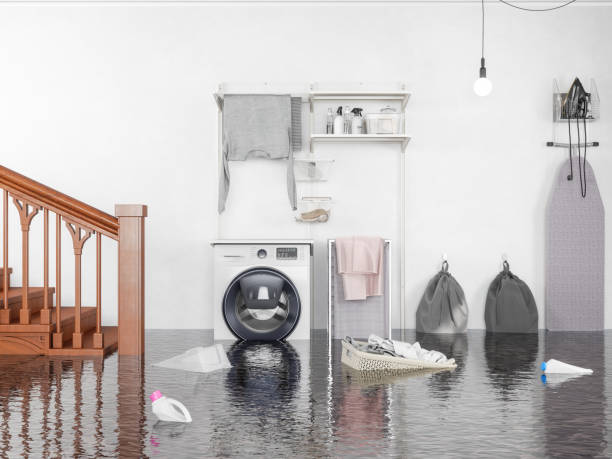
Not all floodwater is the same, and that distinction directly affects how you respond. Professionals classify water damage into three categories, and each one requires a different level of caution from you as a homeowner.
- Category 1 (clean water): Comes from a clean supply source, like a burst pipe. This is the safest to be around, though it can escalate quickly if left sitting.
- Category 2 (gray water): Contains some contaminants, such as water from a washing machine overflow or a sump pump failure. Avoid skin contact and never let children near it.
- Category 3 (black water): The most dangerous category. Storm water that has entered through a sewer backup or flowed over ground carries bacteria, sewage, and other pathogens. This type requires professional protective equipment and full decontamination.
Storm flooding almost always produces Category 2 or Category 3 water. If you see or smell sewage, treat everything that water touched as contaminated and do not attempt cleanup without professional guidance.
What to Do Immediately After Your Basement Floods
The first 30 to 60 minutes after a basement flood are critical. Acting quickly limits how far the water spreads and reduces the risk of permanent damage to your walls, floors, and stored belongings.
- 1. Turn off electricity to the affected area at your breaker box before entering a flooded basement. Water and electricity are a deadly combination, and this step is non-negotiable.
2. Call a licensed electrician or your utility company if you cannot safely reach the breaker without stepping through standing water.
3. Move valuables, documents, and irreplaceable items to higher ground if you can do so safely and without wading through deep or potentially contaminated water.
4. Document everything with photos and video before touching anything. Your insurance company will need this evidence to process your flood damage restoration claim.
These first steps set the stage for everything that follows, including how quickly your home can be restored and how much of your property can be saved.
How to Stop More Water From Entering Your Basement
If the storm is still active or the water source has not been resolved, taking defensive action can limit how much water you are dealing with when help arrives. Even small barriers can buy meaningful time.
- Place towels or sandbags at the base of basement doors and windows if you can do so safely from outside or from an upper floor entry point.
- Check your sump pump immediately. If it has power and is running but not keeping up, the float switch may be stuck. A manual reset sometimes restores function.
- Close the main sewer cleanout valve if your basement has one and you suspect a sewage backup. This valve is usually a large cap near the floor drain.
- Do not attempt to use a wet/dry vacuum to remove Category 3 water without full protective gear. You risk direct exposure to harmful pathogens.
Limiting additional water entry buys time and helps your restoration team work faster once they arrive.
5. What You Should Never Do During a Basement Flood
Some of the most common mistakes homeowners make during a flood actually make things worse or create serious safety hazards. Knowing what to avoid is just as important as knowing what to do.
- Never run a gas-powered generator inside your basement or garage. Carbon monoxide poisoning is one of the leading causes of storm-related deaths, and it is entirely preventable.
- Do not use standard household fans to dry out the space before mold risk has been assessed. Circulating air through a contaminated space spreads bacteria and mold spores throughout your home.
- Avoid throwing away damaged materials before your insurance adjuster or a restoration professional has documented them. Discarding items too soon can result in denied claims.
- Do not assume the water has dried out on its own after surface water disappears. Moisture hides inside walls, under flooring, and in insulation for days after a flood, and that hidden moisture is where mold growth starts.
These mistakes are easy to make under stress, but each one can significantly increase your total recovery cost.
What Happens to Your Basement After Flood Water Sits
If you’re already seeing signs of flood damage and you’re not sure whether it warrants a professional call, call PuroClean of Peoria at (309) 431-4003 for a fast response. The sooner a certified team assesses the damage, the better your options are.
Standing water causes damage at an accelerating rate. What seems like a minor flood after 24 hours can turn into a major structural and health issue within 48 to 72 hours.
- Within the first 24 hours, drywall begins absorbing moisture, wood subfloors start to warp, and metal components begin to corrode.
- Between 24 and 48 hours, mold spores that are always present in the air begin to colonize wet surfaces. Mold can establish visible colonies within 48 to 72 hours under warm conditions.
- After 72 hours, structural materials that have absorbed water begin to break down. Wood framing softens, insulation loses its value, and contaminated water deeply penetrates porous surfaces.
- Prolonged moisture also attracts insects, including termites and carpenter ants, which exploit weakened wood.
Time is the enemy during a flood event. Every hour of delay increases the scope and cost of the flood damage restoration work your home will need.
How to Document Your Flood Damage for Insurance

Filing an insurance claim after a basement flood can feel overwhelming, especially when you are still dealing with the immediate stress of the situation. Proper documentation from the very beginning protects your financial recovery.
- Walk through every affected area and take wide-angle photos showing the full extent of the water, then follow up with close-up photos of specific damage points including walls, floors, furniture, and appliances.
- Write down the date and approximate time the flooding started, the weather conditions, and how you first noticed the problem. Insurance adjusters use this timeline to verify your claim.
- Keep a written inventory of every damaged or destroyed item, including estimated value and purchase date if known.
- Do not sign any documentation with your insurance company until you have a written damage assessment from a licensed restoration contractor.
A professional flood damage restoration company like PuroClean of Peoria can provide the documentation your adjuster needs, and many insurers prefer working directly with certified restoration teams.
When to Call a Professional Flood Damage Restoration Company
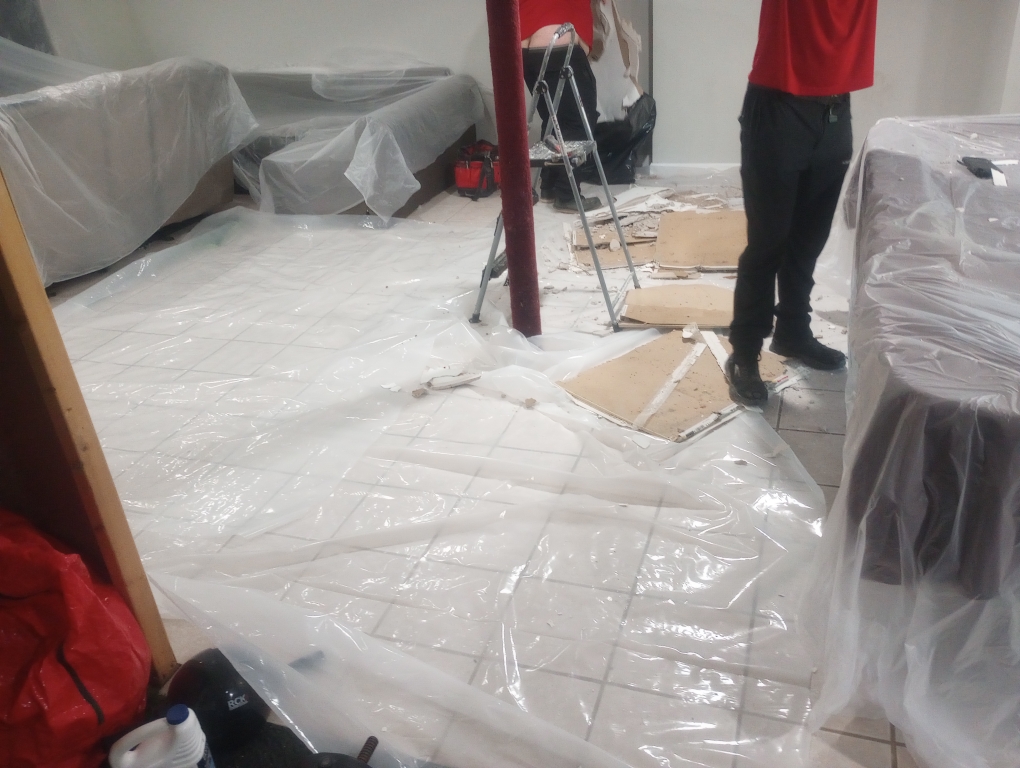
Some flood situations are manageable with a mop and a fan. Most are not. Knowing when a situation requires professional intervention is one of the most important things a homeowner can understand.
You should call a professional restoration company when:
- The water source was a storm, sewer backup, or groundwater intrusion rather than a clean supply line.
- Standing water covered more than a small area or sat for longer than a few hours.
- You notice a sewage smell, visible discoloration, or floating debris in the water.
- Walls, flooring, or ceiling materials have absorbed water.
- You have any concern about mold growth beginning.
PuroClean of Peoria uses industrial-grade water extraction equipment, moisture meters, and commercial drying systems that remove water from materials at a rate no consumer equipment can match. Our certified technicians assess not just the visible damage but the hidden moisture your eyes cannot see. Reach us at (309) 431-4003 to get a team to your home fast.
What Professional Flood Damage Restoration Looks Like
Many homeowners are not sure what to expect when a restoration crew arrives. Knowing what the process involves helps you prepare and reduces uncertainty during an already stressful time.
- The first step is a thorough assessment using moisture meters and thermal imaging to locate all affected areas, including behind walls and under flooring.
- The crew then performs water extraction using truck-mounted or portable extraction systems capable of removing hundreds of gallons per hour.
- After extraction, the team sets up industrial air movers and commercial dehumidifiers to begin the structural drying process. This phase typically takes two to five days depending on severity.
- Once drying is complete, affected materials are tested again for moisture content before any reconstruction begins.
Flood damage restoration is not just about removing visible water. It is a systematic process designed to return your home to pre-loss condition while eliminating the conditions that lead to mold and long-term structural problems.
Preventing Future Basement Flooding in Peoria
After you have been through a basement flood once, preventing the next one becomes a priority. Several practical upgrades can significantly reduce your risk, especially in Peoria neighborhoods that experience repeated flooding.
- Install or upgrade your sump pump and add a battery backup system so it continues operating during power outages, which often accompany the same storms that cause flooding.
- Have a licensed plumber install a backwater valve on your main sewer line. This one-way valve prevents sewage from backing up into your basement during heavy rain events.
- Improve the grading around your home so the ground slopes away from your foundation at least six inches over the first ten feet.
- Seal visible cracks in your foundation walls using hydraulic cement or epoxy injection, and have a professional inspect your drainage tile system if you have had repeated flooding.
These investments pay for themselves quickly when compared to the cost of even a moderate flood damage restoration project.
FAQs About Basement Flood Damage Restoration
How long does flood damage restoration take for a basement? The timeline depends on the severity of the flooding and what materials were affected. A minor water intrusion with no structural involvement can be dried out in two to three days. A major basement flood involving drywall, insulation, and flooring typically takes one to two weeks for drying and restoration combined.
Does homeowners insurance cover basement flooding from a storm? Standard homeowners insurance usually does not cover flooding caused by storm water or groundwater intrusion. That type of damage typically falls under a separate flood insurance policy through FEMA’s National Flood Insurance Program. However, if your sump pump failed and caused the backup, some policies include sewer and drain backup endorsements that may apply. Review your policy carefully and ask your agent.
What does flood damage restoration cost in Peoria? Costs vary widely based on the square footage affected, the water category, and the materials that need to be replaced. As a general reference, industry data suggests water damage restoration averages between $1,000 and $5,000 for smaller jobs, with larger or more contaminated situations running significantly higher. Your PuroClean of Peoria technician can provide a written assessment after evaluating your specific situation.
Can mold start growing after just one basement flood? Yes. Mold can begin colonizing wet materials within 24 to 48 hours under the right temperature and humidity conditions, which are common in Peoria during summer storm season. This is why fast extraction and drying are not just about saving materials but also about preventing a secondary mold remediation project.
Is it safe to stay in my home while flood damage restoration is happening? In most cases, yes, as long as the flooding is confined to the basement and Category 3 water contamination is not present in living areas. Your restoration team will advise you based on the specific conditions in your home. If sewage contamination is involved, temporary relocation for the duration of decontamination is recommended.
Final Thoughts: Fast Action Is the Key to Protecting Your Home
Basement flooding after a Peoria storm is stressful, but the outcome depends almost entirely on how quickly and correctly you respond. The three most important things to take away from this guide are: safety comes first, water category determines your risk level, and professional extraction and drying are almost always necessary to prevent mold and structural damage from following the initial flood.
Trying to manage serious flood damage on your own can feel like the faster option, but cutting corners in the first 48 hours often leads to far more expensive problems down the road.
📞 Call PuroClean of Peoria for flood damage restoration in Peoria today at (309) 433-0900) or visit our website. Don’t let basement flooding ruin your home and everything in it — get trusted professional help today.