Flooding can happen with little warning, leaving your home vulnerable to extensive damage in just a matter of hours. Whether caused by heavy rain, overflowing rivers, burst pipes, or severe storms, flood water damage can affect your home’s structure, belongings, and indoor air quality.
Acting quickly is the best way to reduce repair costs and prevent additional problems like mold growth. At PuroClean of Peoria, we help homeowners throughout Peoria, IL recover from flood damage with professional water extraction, structural drying, mold remediation, and reconstruction services. This guide explains what causes flood water damage, the risks to your home, and the steps you should take before and after professional help arrives.
Table of Contents
1. What Causes Flood Water Damage?
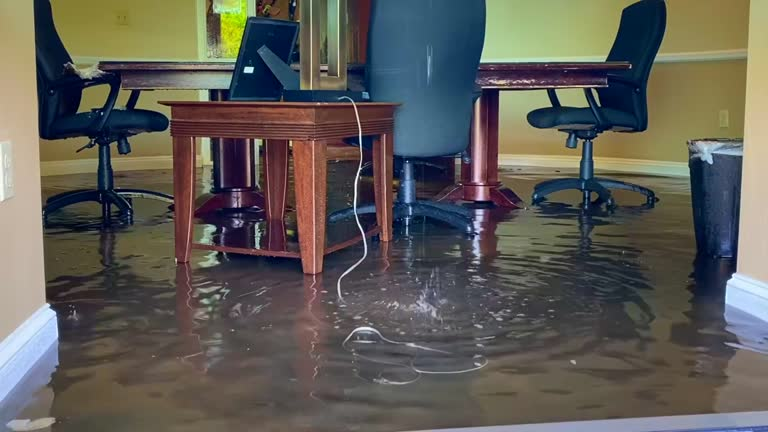
Flooding can originate from several different sources, and each one has the potential to cause significant property damage. Understanding the cause can help homeowners respond more effectively and reduce future risks.
Even a few inches of standing water can damage flooring, drywall, insulation, and personal belongings.
Common Causes of Flooding
- Heavy rainfall that overwhelms drainage systems.
- Flash floods following severe storms.
- Overflowing rivers, streams, or nearby bodies of water.
- Burst pipes or plumbing failures inside the home.
Why Flooding Becomes So Destructive
- Water spreads rapidly into multiple rooms.
- Building materials absorb moisture quickly.
- Electrical systems may become unsafe.
- Hidden moisture remains after visible water is removed.
Recognizing the source of flood water damage is the first step toward protecting your property.
2. Why You Should Act Immediately After a Flood
The first few hours after flooding are critical. Water continues to soak into porous materials, increasing the extent of the damage the longer it remains.
Fast action often reduces restoration costs and improves the chances of saving building materials.
Immediate Priorities
- Ensure everyone in the home is safe.
- Turn off electricity if it is safe to do so.
- Contact your insurance company to report the damage.
- Call a professional restoration company as soon as possible.
Benefits of a Fast Response
- Limits additional water damage.
- Reduces the risk of mold growth.
- Protects structural materials.
- Improves the likelihood of restoring personal belongings.
Responding quickly is one of the most effective ways to minimize flood water damage.
3. What Areas of Your Home Are Most at Risk?
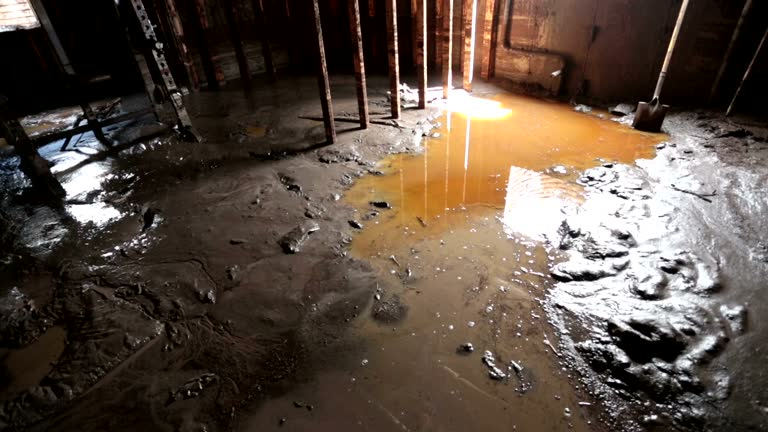
Floodwater does not remain in one location for long. It often spreads through walls, flooring, insulation, and furniture, creating hidden moisture that can continue causing damage.
Some areas of the home are especially vulnerable.
High-Risk Areas
- Basements and crawl spaces.
- Finished lower levels.
- Hardwood and laminate flooring.
- Drywall and insulation.
Items Commonly Damaged
- Carpets and padding.
- Furniture.
- Electronics.
- Personal belongings and documents.
Understanding where flood water damage commonly occurs helps homeowners prioritize cleanup and restoration.
4. Hidden Moisture Can Continue Causing Damage
Even after standing water is removed, moisture often remains trapped inside walls, beneath flooring, and within structural materials. This hidden moisture can continue damaging your home long after the flood has ended.
Professional drying is essential to complete the restoration process.
Where Moisture Often Hides
- Behind drywall.
- Under flooring materials.
- Inside insulation.
- Around framing and support structures.
Problems Hidden Moisture Can Cause
- Mold growth.
- Wood warping.
- Structural deterioration.
- Persistent musty odors.
Proper drying is essential for fully addressing flood water damage.
5. Mold Growth Can Begin Within 24 to 48 Hours
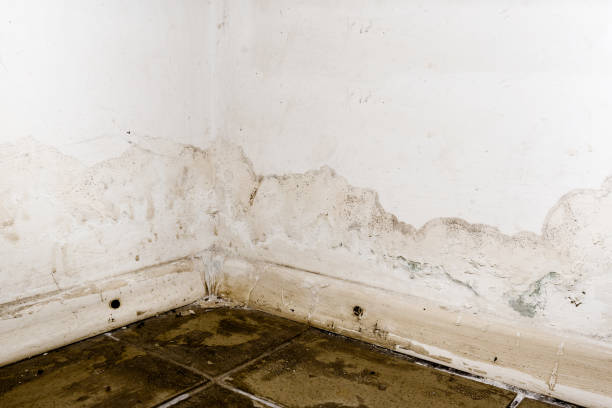
One of the biggest concerns after flooding is mold development. Damp building materials provide ideal conditions for mold to grow quickly.
Early moisture removal helps reduce this risk significantly.
Warning Signs of Mold
- Musty odors.
- Visible discoloration on walls or ceilings.
- Damp carpeting.
- Increased indoor humidity.
Mold Prevention Tips
- Remove standing water immediately.
- Dry affected materials thoroughly.
- Improve ventilation where possible.
- Schedule professional restoration quickly.
If you’re already dealing with flood water damage, call PuroClean of Peoria at (309) 431-4003 for a fast response.
6. What Should You Do Before Restoration Professionals Arrive?
While waiting for professional assistance, there are several safe steps homeowners can take to reduce additional damage.
Always prioritize personal safety before attempting cleanup.
Safe Actions to Take
- Photograph damaged areas for insurance documentation.
- Move valuable belongings to dry locations if it is safe.
- Open windows if weather permits.
- Remove small amounts of standing water when conditions are safe.
What to Avoid
- Do not enter flooded areas with electrical hazards.
- Avoid using household vacuums to remove floodwater.
- Do not disturb damaged building materials unnecessarily.
- Never ignore lingering moisture or odors.
These steps help minimize the effects of flood water damage before restoration begins.
7. How Professional Water Damage Restoration Helps
Flood cleanup requires more than simply removing visible water. Professional restoration addresses hidden moisture, structural drying, and contamination concerns.
At PuroClean of Peoria, we use advanced equipment to restore homes efficiently and safely.
Our Restoration Process
- Comprehensive property inspection.
- Water extraction.
- Moisture detection and monitoring.
- Structural drying and dehumidification.
Additional Restoration Services
- Mold remediation.
- Odor removal.
- Cleaning and sanitization.
- Reconstruction of damaged building materials.
Professional restoration helps ensure flood water damage is addressed completely.
8. How to Reduce the Risk of Future Flood Damage
Although floods cannot always be prevented, homeowners can take practical steps to reduce their property’s vulnerability.
Routine maintenance plays an important role in flood prevention.
Flood Prevention Tips
- Keep gutters and downspouts clean.
- Test your sump pump before storm season.
- Seal foundation cracks.
- Improve drainage around your home.
Long-Term Protection
- Inspect your roof regularly.
- Address plumbing leaks immediately.
- Install a battery backup for your sump pump.
- Schedule professional inspections after severe storms.
Preventative maintenance helps reduce the likelihood of future flood water damage.
9. Why Homeowners Choose PuroClean of Peoria
Recovering from flooding can feel overwhelming, but you do not have to face it alone. Our experienced restoration team responds quickly to minimize damage and restore your home.
We provide comprehensive restoration services tailored to your property’s needs.
Our Services Include
- Water damage restoration.
- Mold remediation.
- Fire and smoke damage restoration.
- Biohazard cleanup.
- Reconstruction services.
Why Choose Our Team
- 24/7 emergency response.
- Advanced restoration equipment.
- Experienced restoration professionals.
- Complete restoration from mitigation through reconstruction.
When flood water damage affects your home, our team is ready to help you recover quickly and safely.
FAQs About Flood Water Damage
What should I do first after flood water enters my home?
Prioritize safety, turn off electricity if it is safe, document the damage, notify your insurance provider, and contact a professional restoration company.
How quickly can mold develop after flooding?
Mold can begin growing within 24 to 48 hours if moisture is not removed promptly.
Can flood water damage affect my home’s structure?
Yes. Water can weaken drywall, wood framing, flooring, insulation, and foundation materials over time.
Is it safe to clean floodwater myself?
Small amounts of clean water may be manageable, but contaminated floodwater and extensive flooding should always be handled by trained professionals.
Can furniture and carpets be saved after flooding?
It depends on the amount of damage, the type of floodwater involved, and how quickly restoration begins.
Final Thoughts: Restore Your Home After Flood Water Damage
Flooding can create serious challenges for homeowners, but quick action makes a significant difference. Removing water promptly, drying affected materials thoroughly, and addressing hidden moisture help reduce structural damage and prevent mold growth. Professional restoration also helps return your home to a safe and comfortable condition as efficiently as possible.
At PuroClean of Peoria, we provide professional flood water damage restoration services throughout Peoria, IL. From emergency water extraction to structural drying, mold remediation, and reconstruction, our experienced team is ready to help you recover after flooding.
📞 Call PuroClean of Peoria for flood water damage restoration today at (309) 431-4003 or visit our website.
Don’t let flooding damage your home, belongings, or peace of mind, get trusted professional help today.