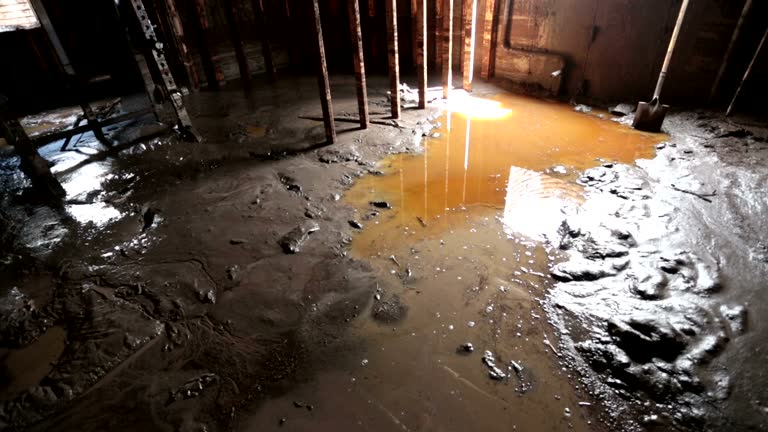
Most people picture flames and smoke when they think about a house fire. Few expect the water damage after fire to be just as serious. Fire hoses soak walls, floors, ceilings, and belongings in minutes.
That water does not leave when the fire trucks do. It seeps into drywall, insulation, and subfloors, then mixes with soot and ash. If fire and water have damaged your home, PuroClean of Peoria offers 24/7 fire damage restoration and water extraction.
This guide walks you through handling water damage after fire in the first 48 hours. It also covers hidden risks, insurance tips, and when to call professionals.
Quick answer: Wait for the fire department’s all-clear, then call your insurer and take photos. Secure the home and remove standing water quickly. Have soaked drywall and insulation checked by a professional. Start drying within 24 to 48 hours to limit mold.
Why Fires Leave So Much Water Behind
On November 4, crews fought heavy fire and smoke at an East Peoria home on Meadow Avenue. 25 News reported that one person went to the hospital. Days later, Peoria firefighters used a hose line on a generator fire on Homestead Avenue. In both cases, water was part of the fight.
The American Red Cross says drywall and insulation soaked by fire-hose water should be assessed by a professional. It notes these materials often cannot be dried and still resist mold. That makes water damage after fire a structural concern, not just a cleanup job.
The U.S. Environmental Protection Agency says materials dried within 24 to 48 hours usually will not grow mold. After a fire, that clock starts as soon as the hoses shut off. Every hour counts when you face water damage after fire.
The First 48 Hours, Step by Step
Hours 0 to 6: Stay Safe
Do not go back inside until the fire department says it is safe. Ask whether the power, gas, and water should stay off. Wet floors, weakened ceilings, and damaged wiring are all hazards. The Red Cross can help with shelter and basic needs.
Hours 6 to 12: Call Your Insurer and Document
Report the loss to your insurance company right away. Take photos and video of every room, including water damage after fire in walls and floors. Do not throw anything away until your adjuster sees it. Keep receipts for hotel stays, meals, and supplies.
Hours 12 to 24: Secure the Property
Board up broken windows and doors to keep out weather and intruders. Tarp any roof openings to stop rain and snow from adding more water. A secured home also protects your insurance claim. Many restoration companies handle board-up and tarping.
Hours 24 to 48: Remove Water and Start Drying
Extract standing water from floors and basements as soon as possible. Remove soaked carpet pad, insulation, and drywall that cannot be saved. Set up dehumidifiers and air movers to dry the structure. Fast drying is the best defense against water damage after fire turning into mold.
What Firefighting Water Damages
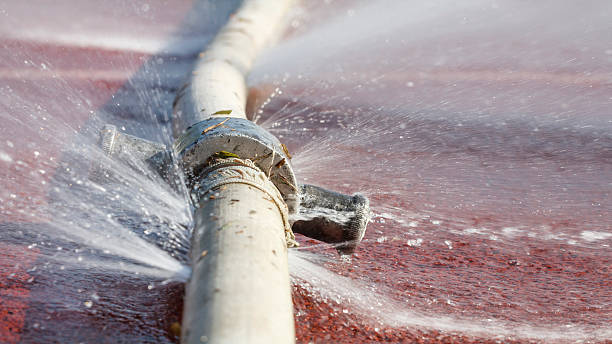
Water from fire hoses reaches places smoke never touches. Here is what it usually affects:
| Material | What happens | Usual action |
| Drywall | Soaks up water and soot, then softens | Professional assessment, often removal |
| Insulation | Holds water and loses its value | Remove and replace |
| Carpet and pad | Absorbs dirty water and odor | Pad removed, carpet often replaced |
| Hardwood floors | Swells, cups, and stains | Fast drying, then evaluation |
| Ceilings | Sag under the weight of water | Keep clear, then remove damaged sections |
| Furniture and fabrics | Absorb soot-filled water | Professional cleaning or replacement |
Water mixed with soot and ash should be treated as contaminated. Wear gloves and boots when handling wet materials. Water damage after fire also travels down into basements and lower floors.
Hidden Risks After the Fire
The danger does not end when the fire is out. Watch for these risks in the days that follow:
- Mold growth in wet walls, insulation, and subfloors
- Electrical hazards from water in outlets, panels, and fixtures
- Ceiling collapse where drywall is heavy with water
- Frozen pipes if the home stays unheated during cold weather
- Lingering odor as smoke and water combine in porous materials
Cold weather adds a real concern this month. A boarded-up home with no heat can freeze pipes in days. Ask a plumber to drain the lines if the home will sit empty. A restoration crew can also set up temporary heat for drying.
What You Can Do vs What Pros Should Handle
Some tasks are safe for homeowners once the fire department allows it. Others need trained crews and equipment.
What You Can Usually Do
- Take photos and make a list of damaged items
- Remove valuables and important papers
- Open windows for airflow if weather allows
- Throw out food exposed to heat, smoke, or water
- Keep a log of calls with your insurer and contractors
What to Leave to Professionals
- Extracting large amounts of water
- Removing wet drywall, insulation, and ceilings
- Cleaning soot from walls and contents
- Drying framing and subfloors with commercial equipment
- Testing and repairing wiring, gas lines, and heating systems
Trying to handle water damage after fire alone can spread soot and miss hidden moisture. It can also put your health at risk.
Signs of Hidden Water Damage After Fire
Some damage shows up only after the smoke clears. Check rooms below and beside the fire area too. Watch for these warning signs:
- Stains spreading across ceilings or walls
- Floors that feel soft, warped, or cold
- A musty smell mixed with the smoke odor
- Peeling paint or bubbling wallpaper
- Rust on nail heads, outlets, or metal fixtures
These signs often appear a week or more after the fire. They mean water damage after fire is still active inside the structure. Moisture readings can confirm it.
How Professionals Restore a Fire-Damaged Home
Fire restoration combines water removal, soot cleaning, and odor control. Crews tackle water damage after fire first, since mold can start within days. A typical process includes:
- Water extraction with truck-mounted or portable units
- Moisture mapping with meters and thermal imaging
- Structural drying with air movers and dehumidifiers
- Soot and smoke cleaning on walls, ceilings, and contents
- Deodorization to remove smoke odor at the source
- Contents pack-out to clean belongings off-site
Our guide to smoke damage restoration in Peoria covers the first seven things to do after smoke damage. Water and smoke cleanup work best when planned together. Coordinated work also shortens the time you spend away from home.
Insurance Tips After a Fire
Good records make claims move faster. Keep these tips in mind:
- Ask your insurer about additional living expenses right away.
- Photograph damage before and after any cleanup.
- Keep damaged items until the adjuster approves disposal.
- Save every receipt, from hotel nights to cleaning supplies.
- Ask your restoration company for moisture readings and reports.
- Ask whether your policy covers code upgrades during repairs.
Many policies cover water damage after fire because it results from putting out a covered fire. Confirm the details with your agent.
PuroClean of Peoria Is Ready 24/7
PuroClean of Peoria helps homeowners across the Peoria area recover from fire, smoke, and water damage. We extract water, dry the structure, clean soot, and work with your insurance company. Call (309) 431-4003 any time.
Frequently Asked Questions
Why is there so much water damage after fire?
Firefighters use large amounts of water to stop the flames. That water soaks into walls, floors, and belongings.
Can drywall be saved after a fire hose soaks it?
Often not. The Red Cross advises having soaked drywall and insulation assessed by a professional.
How fast does mold grow after a fire?
Mold can start within 24 to 48 hours on wet materials. Start drying as soon as possible.
Is water damage after fire covered by insurance?
It is often covered as part of a fire claim. Check your policy and call your agent.
Should I turn the heat back on after a fire?
Only after an inspection confirms it is safe. Unheated homes can face frozen pipes in winter.
How long does it take to dry water damage after fire?
Drying often takes several days with professional equipment. Larger losses and cold weather can take longer.
Can I clean up after a fire myself?
You can document damage and remove valuables. Leave water extraction and soot cleaning to professionals.
Final Thoughts on Water Damage After Fire
Water damage after fire can do as much harm as the flames if it is left alone. Stay safe, call your insurer, secure the home, and start drying within 48 hours. With cold weather arriving, protect empty homes from frozen pipes too. Water damage after fire is easier to fix in the first two days than the first two weeks.
If fire and water have damaged your home, call PuroClean of Peoria at (309) 431-4003. We are ready 24/7.