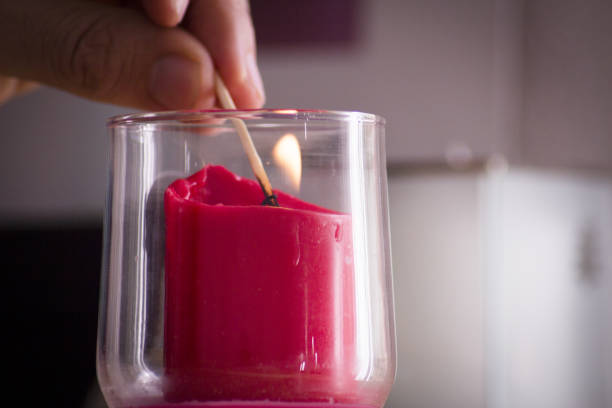
Peoria’s Festival of Lights Parade on Saturday kicks off the holiday season. Soon, candles will glow on mantels, windowsills, and dinner tables across the area. A few simple candle safety habits keep that glow from turning into a house fire.
Candle fires start fast and often happen when people are distracted. If a candle fire damages your home, PuroClean of Peoria offers 24/7 fire damage restoration, including smoke and soot cleanup.
This guide shares nine candle safety tips for the holidays. It also covers candle soot, what to do if a candle starts a fire, and a quick checklist.
Quick answer: Keep candles at least one foot from anything that can burn. Never leave a lit candle unattended, and blow candles out before bed. Use sturdy holders, keep candles away from kids and pets, and consider flameless candles instead.
Why Candle Fires Peak in Winter
Candles are part of many winter traditions, from holiday dinners to evening lights. That is also when fires from candles climb. The Illinois State Fire Marshal shares NFPA data showing candle fires peak in December and January.
According to that data, about 20 home candle fires were reported each day. Roughly 60 percent started when something that could burn was too close. About 37 percent started in bedrooms. Falling asleep played a role in about 10 percent of them.
Those numbers show that most candle fires are preventable. Good candle safety is mostly about space, attention, and timing.
9 Candle Safety Tips for the Holidays
1. Keep a One-Foot Clear Zone
Keep candles at least one foot from anything that can burn. That includes curtains, garland, paper decorations, and greeting cards. Holiday décor tends to creep closer over the season. Check the clear zone each time you light a candle.
2. Never Leave a Flame Alone
Blow out every candle when you leave the room. It only takes a moment for a flame to reach something nearby. This is the most important candle safety rule. Make a habit of a final walk-through before bed.
3. Skip Candles in Bedrooms
Bedrooms hold bedding, clothing, and curtains close together. People also fall asleep with candles burning. The Illinois State Fire Marshal advises avoiding candles where people sleep. Use a flameless candle for bedside ambiance instead.
4. Use Sturdy, Heat-Safe Holders
Choose holders that are wide, heavy, and hard to tip over. Place them on flat, stable surfaces away from edges. Glass containers can crack if the flame burns too low. Never set candles on unstable furniture or crowded shelves.
5. Put Candles Out Before They Burn Too Low
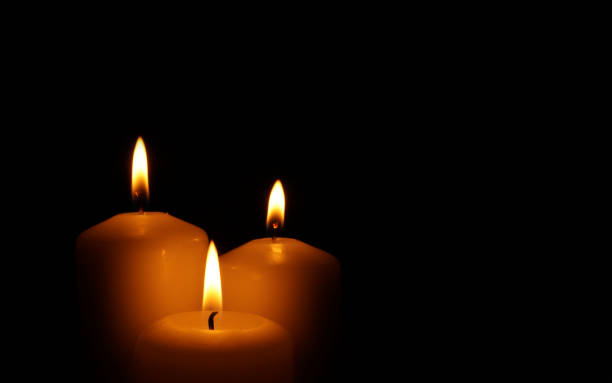
Extinguish candles before they burn down to the holder or container. A flame near the bottom can overheat glass and nearby surfaces. Trim wicks to about a quarter inch before each use. Short wicks burn cleaner and steadier.
6. Keep Kids and Pets Away
Children are curious about flames, and pets can knock candles over. Never leave children alone in a room with a lit candle. Store matches and lighters up high or in a locked cabinet. Good candle safety includes teaching kids that candles are for adults.
7. Watch Hair, Sleeves, and Decorations
Loose sleeves and long hair can catch fire when reaching over a flame. Light candles carefully, and pull back hair and loose clothing. Keep table centerpieces simple so nothing hangs over the flame. Holiday tablecloths and napkins can catch quickly.
8. Never Use Candles Near Medical Oxygen
Oxygen makes fires burn hotter and spread faster. Never use candles in a home where medical oxygen is in use. Choose battery-powered lights instead. This rule protects everyone in the household.
9. Switch to Flameless Candles
Battery-powered flameless candles look and even smell like real ones. They are a simple way to keep the glow without the flame. Use them in bedrooms, windows, and anywhere kids or pets play. They are the easiest candle safety upgrade you can make.
Candle Safety Room by Room
Each room brings its own risks. Holiday décor changes the picture in every space. Use this table as a quick guide:
| Room | Common risk | Safer choice |
| Living room | Candles near curtains, trees, and garland | Keep a one-foot clear zone |
| Dining room | Centerpieces and long tablecloths | Use low holders and simple centerpieces |
| Bedroom | Falling asleep with a candle lit | Use flameless candles only |
| Bathroom | Towels and paper close to the flame | Place candles on a clear, stable surface |
| Windowsill | Curtains and drafts | Use battery-powered window candles |
| Kitchen | Distraction while cooking | Light candles after cooking is done |
A quick room check each evening keeps candle safety part of your routine. It takes only a minute before bed.
Candles During Power Outages
Winter storms can knock out power, and many families reach for candles. The U.S. Consumer Product Safety Commission recommends flashlights or battery-operated candles instead whenever possible. LED lanterns also work well. If you do use candles, keep them away from anything flammable and never leave them unattended.
Keep a few flashlights and fresh batteries in an easy-to-find spot. That way, no one has to search in the dark with a lit match. Candle safety matters even more when the house is dark and people are moving around.
Candle Soot and Smoke Stains
Even without a fire, candles can leave dark soot on walls and ceilings. Soot often collects above candles that flicker in drafts. Scented and jar candles can produce more soot when wicks are too long. Good candle safety habits also keep soot down.
- Trim wicks before each use.
- Keep candles away from vents, fans, and open windows.
- Burn candles for shorter periods.
- Wipe holders and nearby surfaces regularly.
Heavy soot buildup may need professional cleaning. Wiping it the wrong way can smear it deeper into paint.
What to Do If a Candle Starts a Fire
Act fast, but put safety first. Follow these steps:
- Smother a small flame with a lid or a damp towel if it is safe.
- Use a fire extinguisher on a small fire that is not spreading.
- Get everyone out if the fire grows or smoke fills the room.
- Call 911 from outside the home.
- Stay out until firefighters say it is safe to return.
Our guide on how to use a fire extinguisher walks you through the basics. Learn the steps now, before you ever need them. Pair that skill with strong candle safety habits.
After a Candle Fire
Small candle fires can still leave soot, smoke odor, and water damage. Smoke can travel through the whole home and into ductwork. Even a brief fire can leave a strong odor. Professional restoration usually includes:
- Soot removal from walls, ceilings, and furniture
- Deodorization to remove smoke odor at the source
- Contents cleaning for fabrics, décor, and keepsakes
- Water extraction and drying if firefighters used water
Take photos before you clean anything. Your insurance company will want to see the damage. Quick action protects your claim and your home.
Holiday Candle Safety Checklist
A short checklist makes candle safety easy to remember. Run through it before you light the first candle of the season:
- Test smoke alarms on every level and inside bedrooms.
- Clear a one-foot zone around each candle.
- Swap bedroom and window candles for flameless ones.
- Put matches and lighters out of children’s reach.
- Plan a nightly walk-through to blow out every flame.
These five steps take only a few minutes. They cover the most common causes of candle fires. Share this candle safety list with guests who light candles too.
PuroClean of Peoria Is Ready 24/7
PuroClean of Peoria helps families across the Peoria area recover from fire and smoke damage. We remove soot, eliminate odors, and restore homes and belongings. Call (309) 431-4003 day or night.
Frequently Asked Questions
What are the most important candle safety rules?
Keep candles one foot from anything that can burn. Never leave them unattended.
When do most candle fires happen?
NFPA data shows candle fires peak in December and January. Holiday décor adds to the risk.
Is it safe to fall asleep with a candle burning?
No. Blow out all candles before bed, and avoid candles in bedrooms.
Are flameless candles safer?
Yes. Battery-powered candles remove the open flame entirely.
How do I stop candles from making soot?
Trim wicks to about a quarter inch and keep candles out of drafts. Shorter burn times help too.
What should I do after a small candle fire?
Make sure the fire is out, then ventilate the room. Call professionals for soot and smoke odor.
Final Thoughts on Candle Safety
Candle safety comes down to space, attention, and smart swaps. Keep a clear zone, never leave a flame alone, and use flameless candles where people sleep. With the holiday season starting this weekend, now is the perfect time to set those habits. Small habits add up to a safer season. If a candle fire damages your home, call PuroClean o