You may not see it yet, but mold could already be growing inside your walls, under your floors, or above your ceiling tiles right now. Recognizing mold warning signs early can mean the difference between a small remediation job and a full-scale removal that affects your entire home. At PuroClean of Peoria, we respond to mold calls throughout Peoria, IL every week, and the homeowners who catch it early always have better outcomes. This guide covers the six most dangerous warning signs, what causes mold to grow, how it affects your health, and when to call a professional.
1. You Notice a Persistent Musty Odor in Your Home

A musty smell is often the very first mold warning sign homeowners detect, and it deserves immediate attention even when nothing looks wrong. Mold produces chemical compounds called microbial volatile organic compounds (mVOCs) as it grows, and those compounds create that distinctive earthy, damp smell.
- If the odor is strongest in a specific room, closet, or corner, treat that location as the likely growth zone and investigate further.
- Smells that intensify after rain or humid weather suggest moisture is entering through the foundation, walls, or roof and feeding hidden mold growth.
- Running the HVAC system and noticing the smell spreading to other rooms is a serious red flag, since ductwork can carry mold spores throughout the entire house.
Never mask a musty odor with air fresheners and assume the problem is gone. The smell is your home telling you something is wrong beneath the surface.
Read more on why you need Mold Inspection in Peoria, IL
2. You See Visible Discoloration on Walls, Ceilings, or Floors

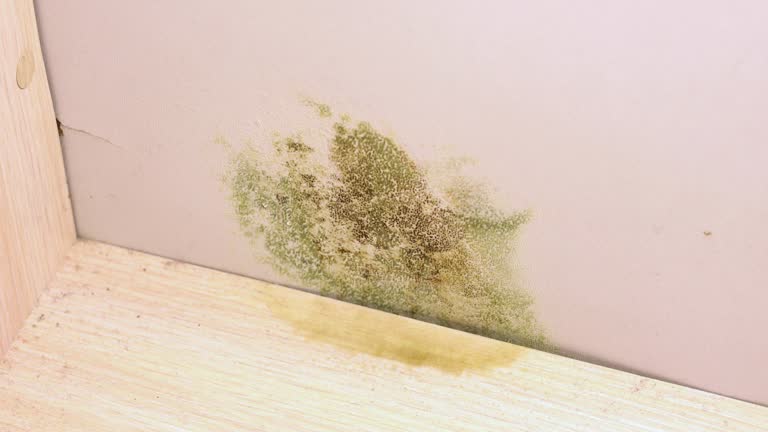
Visible discoloration is one of the most direct mold warning signs, but homeowners frequently mistake early mold growth for dirt, water stains, or shadow. Mold appears in many colors, including black, green, white, gray, and orange, depending on the species and the surface it is growing on.
- Dark spots or fuzzy patches on drywall, grout, wood trim, or ceiling tiles are almost always biological growth and should be tested rather than painted over.
- White or gray powdery growth along basement walls can indicate either mold or efflorescence, a mineral deposit from water moving through concrete. Both signal a moisture problem that needs addressing.
- Discoloration that keeps returning after you clean it is a strong confirmation of active mold growth, since surface cleaning does not reach the root structure embedded in the material.
If you’re already seeing discoloration that keeps coming back, call PuroClean of Peoria at (309) 431-4003 for a professional assessment before the growth spreads further.
3. Your Family is Experiencing Unexplained Health Symptoms

Mold warning signs don’t always appear on your walls first. Sometimes your family’s health is the earliest indicator that mold is present in your living environment. Mold spores and mVOCs trigger a range of respiratory and allergic responses, particularly in children, elderly individuals, and anyone with asthma or a compromised immune system.
- Recurring sneezing, coughing, runny nose, or itchy eyes that improve when family members leave the home and return when they come back strongly suggest an indoor air quality problem.
- Unexplained headaches, fatigue, or difficulty concentrating, sometimes called brain fog, have been associated with prolonged exposure to certain mold species.
- Children and pets are often affected before adults, so pay close attention if a child develops new respiratory symptoms or if a pet seems lethargic without another medical explanation.
Health symptoms alone are not a diagnosis, but when they follow a pattern tied to time spent at home, they deserve to be taken seriously as a potential mold warning sign.
People also read: Mold Growth In Peoria: 8 Urgent Precautions Every Homeowner Should Know
4. You Have Had Recent Water Damage or a Known Leak
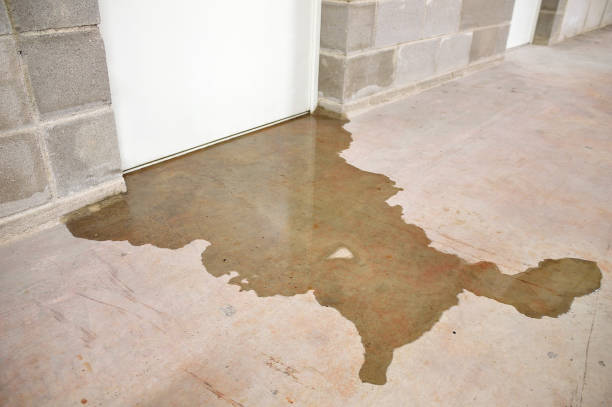
Past water events are among the most reliable predictors of future mold growth, and they qualify as a major mold warning sign even when no mold is visible yet. Mold needs moisture, an organic food source, and time. A water damage event provides all three.
- Any area that experienced flooding, a burst pipe, or an appliance leak and was not dried professionally within 24 to 48 hours carries a high risk of active mold colonization.
- Roof leaks that soaked attic insulation or ceiling joists create ideal mold conditions because those spaces stay dark and humid for extended periods after the visible leak is repaired.
- Even a small plumbing leak behind a wall, left undetected for weeks, provides enough sustained moisture for mold to establish a significant colony before any surface signs appear.
If your home has had any water event in the past year that was not remediated by a certified professional, scheduling a mold inspection is a proactive step worth taking.
5. Your Walls, Floors, or Ceilings Show Warping, Bubbling, or Peeling

Structural and surface changes to your home’s materials are often overlooked mold warning signs because homeowners attribute them to age or humidity without investigating further. These physical changes almost always indicate sustained moisture exposure, which creates the exact conditions mold needs to thrive.
- Bubbling or peeling paint on walls or ceilings indicates moisture is pushing through from behind the surface, which means the cavity behind that wall is likely wet and potentially colonized.
- Warped or buckled hardwood floors that were not caused by a known spill or flooding event suggest moisture is rising from below, often from a crawlspace or slab with a vapor barrier problem.
- Soft spots in drywall, ceilings that sag slightly, or wood trim that feels spongy to the touch all indicate water-damaged materials that are prime candidates for mold growth.
These physical changes are your home’s structure communicating a moisture problem, and addressing them before mold becomes established saves significant time and money.
6. You Notice Condensation Buildup on Windows, Pipes, or Walls
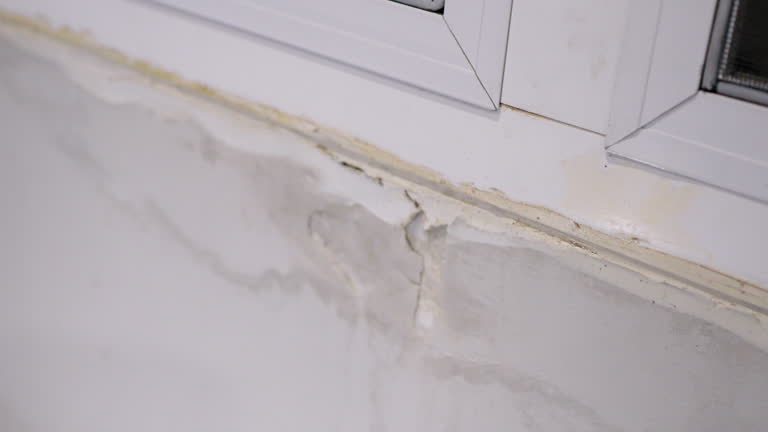
Chronic condensation is one of the most underestimated mold warning signs because it seems minor and easy to wipe away. In reality, regular condensation indicates that indoor humidity levels are consistently high enough to support mold growth on any nearby organic surface.
- Condensation on interior window glass during cooler months points to excess indoor humidity, and the moisture that runs down onto wood window frames creates a perfect mold habitat.
- Pipes in basements or crawlspaces that regularly show condensation are transferring cold to warm humid air, and the resulting dripping keeps surrounding insulation, wood, and drywall perpetually damp.
- Whole-house humidity levels above 60 percent create conditions where mold can grow on virtually any surface, including furniture, clothing stored in closets, and even paper products.
Controlling indoor humidity with a dehumidifier and improving ventilation is the most direct way to remove the conditions mold warning signs like condensation are pointing to.
When to Call a Professional for Mold Removal
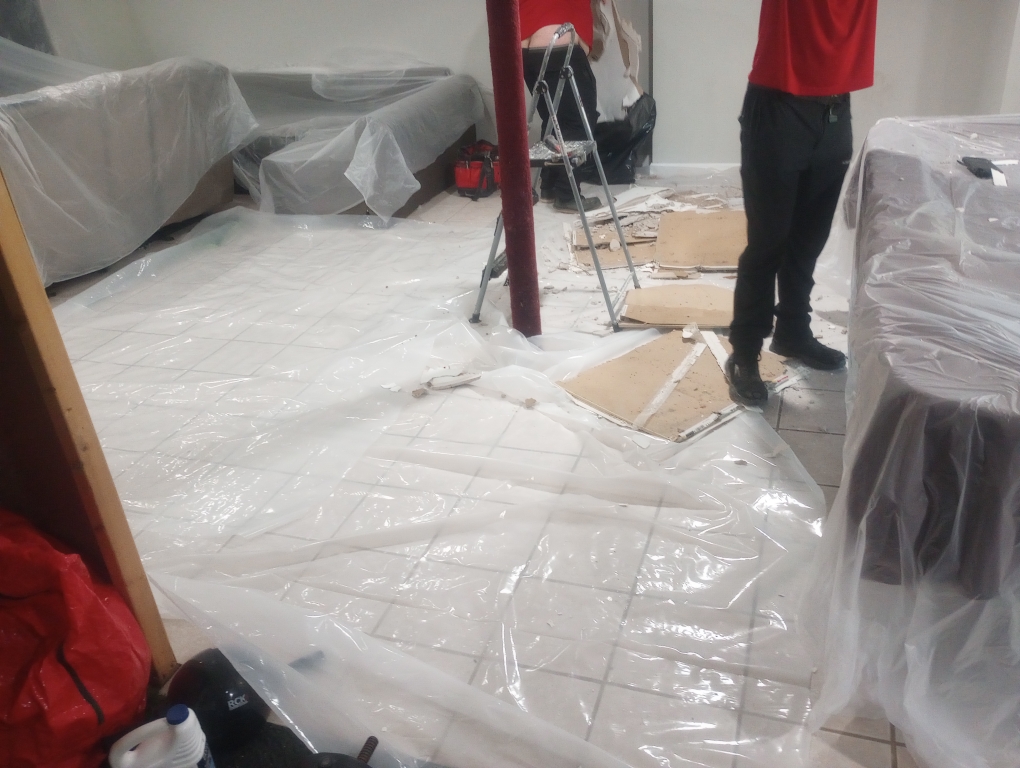
Some small mold patches on non-porous surfaces can be cleaned by a careful homeowner. But most mold situations that follow the warning signs described in this guide have already progressed beyond what surface cleaning can address. Professional remediation is the right call when the stakes are higher.
- If mold covers an area larger than 10 square feet, the EPA recommends professional remediation rather than DIY cleanup.
- Any mold growth inside HVAC systems, air handlers, or ductwork requires professional containment and cleaning, since running the system spreads spores to every room.
- Mold behind walls, under flooring, or in crawlspaces and attics cannot be safely or completely removed without professional containment, negative air pressure, and proper disposal.
At PuroClean of Peoria, our certified mold remediation team uses industry-standard containment and air filtration to remove mold safely and completely. Call us at (309) 431-4003 and let us protect your home and your family’s health the right way.
FAQs About Mold Warning Signs
What are the first signs of mold in a house?
The earliest signs are usually a persistent musty odor and small areas of discoloration on walls or ceilings near moisture sources. Health symptoms like sneezing, coughing, or eye irritation that improve when you leave home can also signal hidden mold before it becomes visible.
Can mold grow inside walls without any visible signs?
Yes. Mold commonly grows inside wall cavities, behind drywall, and under flooring without producing visible surface signs for weeks or months. A musty odor, health symptoms, or a known history of water damage are often the only indicators until the growth becomes significant enough to show through.
How do I know if my health symptoms are caused by mold?
If respiratory symptoms, headaches, or fatigue consistently improve when you leave your home and return when you come back, indoor air quality is likely a factor. A professional mold inspection and air quality test can confirm whether mold spores are present at elevated levels in your living space.
Is black mold more dangerous than other types of mold?
The term “black mold” typically refers to Stachybotrys chartarum, which produces mycotoxins that can be harmful with prolonged exposure. However, many mold species can cause health issues regardless of color. Any mold growth in a living space should be assessed and remediated professionally rather than identified by color alone.
How quickly can mold grow after water damage?
Mold can begin colonizing within 24 to 48 hours of a water event under warm, humid conditions. Full visible growth often appears within 3 to 7 days. This is why professional water extraction and drying within the first 24 hours is so critical to preventing mold from taking hold after any flooding or leak.
Final Thoughts: Don’t Wait on Mold Warning Signs
Mold warning signs are your home’s way of telling you that a hidden problem is getting worse. A persistent odor, visible discoloration, unexplained health symptoms, past water damage, structural changes, and chronic condensation are all signals that mold may already be established in your home. Catching these signs early and acting on them promptly protects your family’s health, preserves your home’s structure, and keeps remediation costs manageable.
Waiting is always the most expensive option when it comes to mold.
📞 Call PuroClean of Peoria for mold warning signs inspection and professional mold removal today at (309) 431-4003 or visit our website.
Don’t let mold put your family’s health and your home at risk — get trusted professional help today.