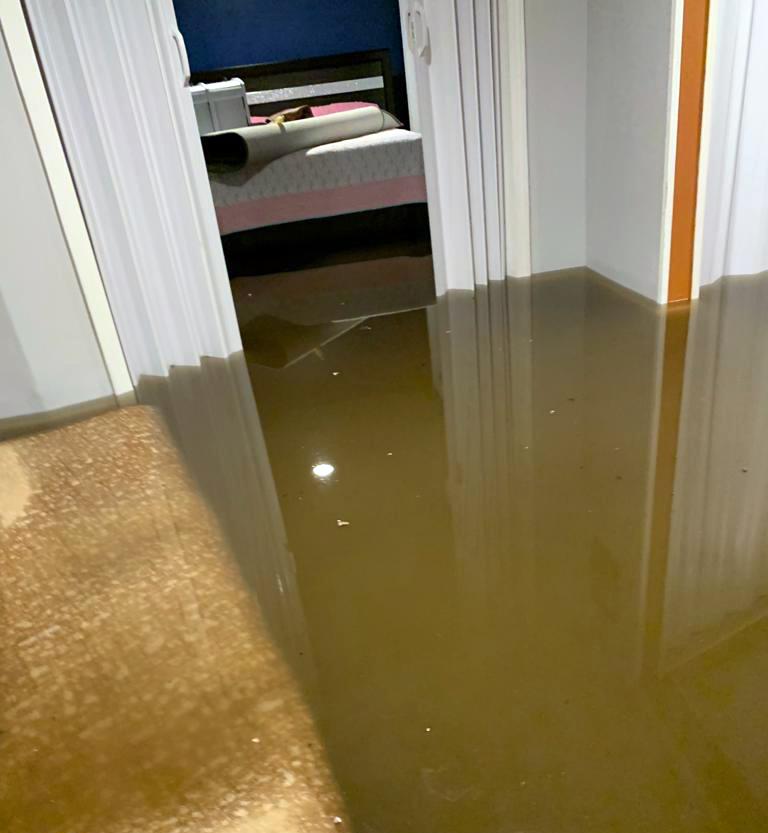
Sump pump failure is one of the most common causes of basement flooding, especially when heavy rain or rising groundwater puts pressure on your home’s foundation. When a sump pump fails, water can begin collecting in your basement before you have time to react. Recognizing the warning signs of sump pump failure and preparing a backup plan can help you reduce the risk of costly water damage.
For homeowners in Peoria, Illinois, sump pump maintenance deserves special attention during heavy rain, spring snowmelt, and changing weather. A pump that stops working, loses power, or cannot keep up with incoming water leaves your basement vulnerable to flooding.
PuroClean of Peoria helps property owners respond to water damage restoration needs and restore affected areas. Knowing how to spot sump pump failure, test backup systems, and respond to a malfunction can protect your property before a manageable issue becomes a major cleanup.
1. Sump Pump Failure Sign: Your Pump Runs Constantly
A sump pump should activate when water in the basin reaches its trigger level and stop once the water drops. If the pump keeps running when the basin looks empty, this early sump pump failure sign means something is wrong.
Constant operation strains the motor and raises the likelihood of premature failure. It may also mean groundwater is entering the basin faster than the pump can remove it.
Warning signs to watch for:
- The pump runs continuously during dry weather.
- The motor keeps operating after the basin has emptied.
- The pump cycles on and off every few seconds.
- The motor feels unusually hot or produces a burning smell.
A stuck float switch, incorrectly adjusted switch, undersized pump, or faulty check valve may be responsible. A check valve prevents discharged water from flowing back into the basin, so a malfunction can cause repeated cycling.
What to do: Check whether the float is obstructed by debris or the basin wall. Avoid reaching into standing water around electrical equipment. If the switch is damaged or the pump keeps running without removing water, arrange for a qualified plumber or sump pump technician to inspect the system.
For Peoria homeowners, addressing constant cycling early helps prevent sump pump failure during the next major rainstorm.
2. Unusual Grinding, Humming, or Rattling Can Signal Sump Pump Failure
A sump pump normally makes some noise when its motor starts and water is discharged. A sudden change in sound can indicate a developing mechanical problem and an approaching sump pump failure.
Grinding may suggest damaged bearings or debris inside the pump. Rattling can come from a loose component or a discharge pipe vibrating against nearby surfaces. A humming motor that does not move water may indicate a jammed impeller, a failed starting component, or another electrical or mechanical fault.
Pay attention to changes such as:
- A loud grinding or scraping sound.
- Persistent humming without water movement.
- Repeated clicking as the pump tries to start.
- Strong vibration or banging in the discharge pipe.
What to do: Do not repeatedly restart a pump that hums but fails to move water, because continued attempts can overheat the motor. If it is safe, disconnect power without contacting wet electrical equipment and have the unit inspected.
If water is already accumulating, arrange an alternative way to manage it while the pump is repaired. Waiting for a noisy pump to stop completely leaves you with fewer options during a storm.
3. Rising Water in the Basin Points to Sump Pump Failure
The sump basin collects groundwater before the pump sends it away from the house. If the water level keeps rising while the pump is running, the system is not keeping up.
This does not always mean total sump pump failure. Heavy rainfall, a blocked discharge line, a damaged check valve, or insufficient pump capacity can also make the basin fill faster than it empties.
Look for these clues:
- The pump runs but the water level barely changes.
- The basin approaches the top before the pump activates.
- Water rises unusually quickly after rainfall.
- The pump activates, but water continues entering the basement.
What to do: Check the discharge outlet from a safe location to see whether water is flowing. Make sure it is not blocked by debris, ice, or a disconnected pipe. Never enter a flooded area to inspect an electrical pump or outlet.
If the water level continues rising, contact a plumber or sump pump professional promptly. If water is spreading across the basement floor, move belongings away if it is safe and prepare for water removal.
In Peoria and surrounding communities, heavy precipitation increases the groundwater entering a sump basin. A pump that handles normal conditions may struggle in an intense storm, so capacity and discharge performance matter.
4. A Musty Smell or Damp Basement: Early Sump Pump Failure Symptoms
A sump pump can begin struggling before a major flood becomes visible. Persistent dampness, musty odors, or new moisture along the basement floor may signal that water is not being removed effectively.
These signs can also come from plumbing leaks, foundation seepage, or condensation. They are not proof of sump pump failure, but they deserve investigation, especially if the basement has flooded before.
Check for:
- A musty odor near the sump basin.
- Damp carpet or stored items near the floor.
- Water marks on foundation walls.
- Condensation or moisture around the basin.
- Mold-like growth in persistently damp areas.
What to do: Inspect the basin and test the pump according to the manufacturer’s instructions. If the system works normally, look for other moisture sources rather than assuming the pump is responsible.
Do not simply cover a musty odor with air fresheners. The priority is to find and correct the moisture source, since persistent dampness can damage building materials and support mold growth. The EPA offers guidance on mold and moisture in your home if you suspect growth has started.
If water has already soaked drywall, carpeting, insulation, or belongings, prompt drying is important. PuroClean of Peoria can assess water-damaged areas and determine what restoration work is needed.
5. The Pump Does Not Turn On: The Clearest Sump Pump Failure Sign
One of the clearest signs of sump pump failure is a pump that does not start as the water level rises. Because many systems run automatically, homeowners may not notice the problem until water spreads across the basement.
Several issues can prevent activation, including a stuck float switch, a disconnected power supply, a tripped breaker, a failed motor, or a damaged control system.
Warning signs include:
- The water rises above the usual activation level.
- The float switch moves but the pump does not start.
- The pump makes no sound or vibration when activated.
- The system’s alarm indicates a fault, if one is installed.
What to do: If the area is dry and safe, check whether the pump is plugged in and whether the breaker has tripped. Do not repeatedly reset a breaker that trips again, as that can indicate an electrical fault needing professional attention.
Never step into standing water to reach a plug, breaker, or pump. If water is near outlets, appliances, or wiring, stay out and contact a qualified professional. The CDC’s flood safety guidance explains the electrical and health risks of floodwater.
If the pump cannot be restored quickly, use a properly installed backup system or seek professional help. A rising water level should not be ignored while you wait to see whether the pump starts on its own.
6. Water Flowing Back Into the Basin Means Sump Pump Failure Is Developing
A sump pump can sound as though it is working while repeatedly returning water to the basin. This happens when the check valve is faulty or the discharge pipe is damaged or incorrectly configured.
After the pump shuts off, water in the discharge pipe should not flow back into the basin and cause excessive cycling. If it does, the pump keeps moving the same water instead of removing new groundwater.
Signs of a discharge or check valve problem:
- The water level rises immediately after the pump stops.
- The pump starts again shortly after each cycle.
- Water leaks around discharge pipe connections.
- You notice unusual splashing or vibration near the plumbing.
What to do: Have the check valve and discharge piping inspected. A technician can determine whether the valve needs replacement, the pipe is blocked, or the discharge system needs adjustment.
Also verify that discharged water is directed away from the foundation according to local requirements and installation instructions. Fixing discharge issues reduces unnecessary cycling, lowers the risk of sump pump failure, and makes a backup pump more effective.
7. Sump Pump Failure During a Power Outage
A sump pump that relies entirely on household electricity stops working in an outage, even if the motor and float switch are in good condition. This is especially concerning when storms bring both outages and heavy rain. Power-related sump pump failure often happens at the exact moment the basement needs protection most.
Warning signs of inadequate backup protection include:
- No battery backup is installed.
- The backup battery is old, discharged, or showing a fault.
- The backup pump has never been tested.
- The system has no high-water alarm.
- The household depends on a portable generator that is not ready for use.
What to do: Consider a battery backup pump, a compatible water-powered backup where appropriate, or a safely installed generator. The right option depends on your plumbing, water supply, electrical setup, and how often outages occur.
Test backup equipment according to the manufacturer’s instructions and replace batteries at the recommended intervals. For homes in Peoria, preparing for storms means considering both water volume and power reliability. The Ready.gov flood preparedness guide is a useful companion for planning.
Show Image
Sump Pump Backup Fixes to Prevent Sump Pump Failure
Recognizing the warning signs is important, but preparing for sump pump failure before a storm arrives is better. A well-maintained system should include a plan for equipment breakdowns, power loss, and unusually high groundwater.
Install a Battery Backup Sump Pump
A battery backup pump uses a separate power source to operate when the primary pump loses electricity or stops functioning, depending on the design. Some models activate automatically when water rises above a set point.
When choosing a battery backup:
- Select a system with enough pumping capacity for your basement.
- Check the expected battery runtime and recharge time.
- Install it according to the manufacturer’s requirements.
- Test the pump and battery regularly.
- Replace the battery when recommended or when it no longer holds a reliable charge.
A battery backup is especially useful when storms interrupt electricity, but it is not unlimited. A long outage or very large volume of water can exceed its capacity.
Consider a Water-Powered Backup Pump
Water-powered backup pumps use municipal water pressure to remove water from the basin. They offer an alternative when electrical power is unavailable, but they are not suitable for every property.
Before installation, confirm that local plumbing requirements permit the system and that your water supply and pressure are appropriate. These pumps use potable water and may raise water costs, so a qualified professional should install them with proper backflow protection.
Add a High-Water Alarm
A high-water alarm alerts you when the basin reaches a level that suggests the pump is not keeping up. Depending on the model, the alert may sound locally or notify a connected device. An alarm cannot remove water, but it gives you time to respond before sump pump failure becomes a flooded basement. Test it regularly.
Maintain the Primary Pump to Avoid Sump Pump Failure
Regular maintenance helps identify problems before the primary pump fails. Use this checklist:
- Inspect the sump basin: Look for debris that could interfere with the pump or float.
- Check the float switch: Make sure it moves freely without catching on the basin wall.
- Test the pump: Follow the manufacturer’s instructions to confirm it starts and removes water.
- Inspect the discharge line: Look for damage, disconnections, or obstructions.
- Check the check valve: Have it inspected if water repeatedly flows back into the basin.
- Review the power supply: Keep the electrical connection protected and compliant with safety requirements.
- Test backup equipment: Confirm the backup pump, battery, and alarm operate as expected.
A qualified technician can also assess whether the pump is sized correctly and whether the discharge arrangement is effective.
What to Do if Sump Pump Failure Happens During a Storm
Even with routine maintenance, sump pump failure can happen unexpectedly. If water begins entering your basement, quick and safe decisions help limit damage.
Step 1: Protect Your Safety
Stay out of standing water if outlets, appliances, extension cords, or wiring may be affected. Do not touch a pump, plug, or breaker while standing in water. If you suspect an electrical hazard, keep clear and call a professional. Avoid entering a flooded basement to retrieve belongings.
Step 2: Identify Whether the Problem Is Power or Equipment
If the area is dry and safe, check for an obvious loss of power or a visible obstruction. Do not repeatedly reset tripped breakers or keep restarting a pump that hums without moving water. A plumber or electrician may need to find the cause of the sump pump failure.
Step 3: Activate Your Backup Plan
If a backup pump is installed, follow its instructions and confirm it is discharging water. If not, contact a qualified professional for urgent help. Do not improvise electrical connections or run fuel-powered equipment indoors.
Step 4: Move Belongings Away From Water
If you can do so safely, move stored items, rugs, furniture, and valuables away from the wet area. Avoid handling water-damaged electrical equipment or contaminated floodwater.
Step 5: Arrange Water Removal and Drying
Once the immediate hazard is controlled, water must be removed and affected materials dried. Water can spread beneath flooring, into wall cavities, and behind finished surfaces, making the full extent of damage hard to see.
PuroClean of Peoria provides basement flooding cleanup for properties affected by floods and leaks. If sump pump failure has left your basement wet, call (309) 431-4003 to discuss the damage and next steps.
Why Sump Pump Failure Leads to Expensive Basement Damage
When a sump pump stops removing groundwater, water accumulates on the floor, soaks possessions, and affects finished materials. The repair cost after sump pump failure depends on how much water entered, how long materials stayed wet, and which parts of the building were affected.
Potential consequences include:
- Damaged flooring: Carpet, padding, laminate, and other materials may absorb water or require removal.
- Wet drywall and insulation: Porous materials can trap moisture and may need to be removed and replaced.
- Mold growth: Materials that stay damp can support mold, which may require mold remediation.
- Ruined belongings: Stored furniture, electronics, documents, and keepsakes can be lost.
- Structural moisture problems: Prolonged dampness can affect framing and other building components.
Acting quickly after sump pump failure gives you the best chance of limiting the damage and keeping restoration manageable.
Frequently Asked Questions About Sump Pump Failure
What is the most common cause of sump pump failure?
The most common causes are power loss, a stuck float switch, clogged or damaged discharge lines, and a worn-out motor. Regular testing catches most of these before they cause a flood.
How long does a sump pump last?
Many pumps last roughly seven to ten years, depending on use, water volume, and maintenance. Pumps that cycle heavily may wear out sooner, so replace an aging pump before storm season.
Can I prevent sump pump failure?
You cannot eliminate the risk, but you can reduce it by testing the pump regularly, cleaning the basin, checking the discharge line, and installing a battery backup and high-water alarm.
What should I do first if my basement is flooding?
Stay out of the water if electrical hazards are possible, shut off power only if you can do so safely, and call a professional. Then begin water removal and drying as soon as it is safe.
Protect Your Basement From Sump Pump Failure
Sump pump failure rarely happens without warning. Constant running, strange noises, rising water, musty odors, a pump that will not start, water flowing back into the basin, and outage vulnerability are all signals worth acting on. Pair regular maintenance with a battery backup and a high-water alarm, and you greatly reduce the chance of a flooded basement.
If sump pump failure has already caused water damage, PuroClean of Peoria is ready to help. Call (309) 431-4003 to schedule an assessment and start the restoration process.