A flood in your home is one of the most stressful things a homeowner can face, and knowing what to do next makes all the difference. Water damage after flood events can worsen fast, spreading into walls, flooring, and structural materials within hours. At PuroClean of Peoria, we help Peoria, IL homeowners navigate every stage of recovery, from the moment the water recedes to a fully restored home. This guide covers the causes, the immediate steps you need to take, the hidden dangers to watch for, and when to call a professional.
Table of Contents
1. Prioritize Safety Before You Enter the Building
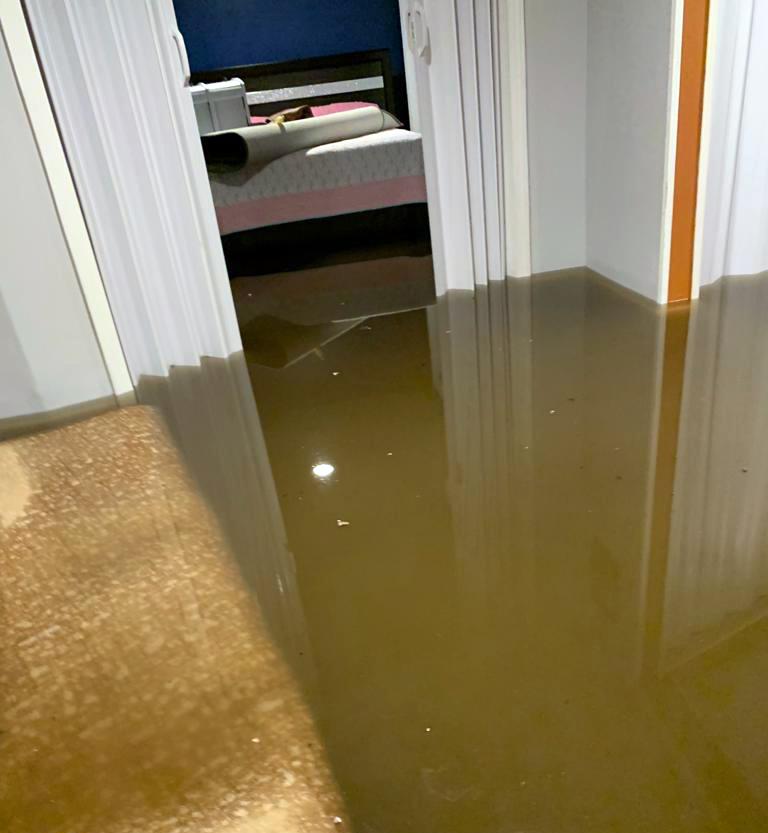
Floodwater is dangerous in ways that go beyond the obvious. Before you step back inside your home after any flood event, you need to confirm the structure is safe to enter and the environment won’t harm you.
- Turn off the main electrical breaker before entering any area with standing water, since water and live electricity create a life-threatening combination.
- Check for visible structural damage like bowed walls, cracked foundations, or sagging ceilings before walking inside.
- Wear rubber boots, gloves, and a face mask when entering, because floodwater often carries sewage, bacteria, and chemical runoff.
Skipping this step can turn a property problem into a personal injury, so treat safety as your first line of defense against water damage after flood events.
2. Document Everything Before You Touch Anything
Your insurance claim depends on thorough documentation of the water damage after flood. Taking time to photograph and record the damage before moving or discarding anything gives you the best chance of full coverage.
- Take wide-angle photos of every room and close-up shots of specific damaged items, walls, and flooring.
- Note the waterline height on walls in each room, which shows the insurance adjuster the full scope of the flooding.
- Create a written inventory of damaged belongings, including appliances, furniture, and electronics.
The more detailed your documentation, the stronger your claim, so capture the scene completely before cleanup begins.
3. Remove Standing Water as Quickly as Possible

Time is the biggest factor in limiting water damage after flood events. Water that sits in your home for more than 24 to 48 hours begins to cause permanent damage to flooring, drywall, and structural wood.
- Use a wet/dry vacuum or submersible pump to extract standing water as fast as possible.
- Work from the outer rooms inward, pushing water toward the exit point rather than deeper into the structure.
- Remove soaked rugs, furniture, and personal items immediately to reduce moisture load and speed drying.
Every hour of delay allows water to penetrate further into building materials, increasing both the damage and the cost of restoration.
4. Increase Ventilation and Start Drying Right Away
Once the standing water is gone, moisture trapped in walls, floors, and air will continue causing damage if you don’t act. Thorough drying is essential to preventing secondary water damage, which includes swelling, warping, and mold growth.
- Open windows and doors to increase airflow, but only if outdoor humidity is lower than indoor humidity.
- Run fans and dehumidifiers continuously for at least 72 hours, pointing them at wet surfaces and corners.
- Remove baseboards and drill small holes low in drywall to allow hidden wall cavities to dry from the inside.
Professional-grade drying equipment moves far more air than household fans, which is why certified restoration teams achieve faster and more complete drying results.
5. Watch for Hidden Mold Growth After Flooding
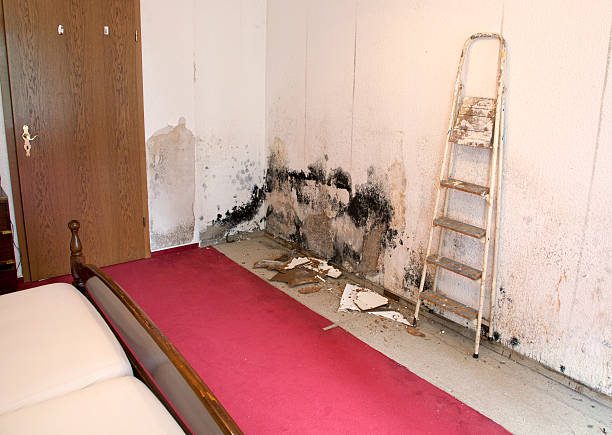
Mold is one of the most serious long-term consequences of water damage after flood events. It can begin growing within 24 to 48 hours in the right conditions and often establishes itself inside walls and under flooring before you see any visible signs.
- Look for discoloration, dark spots, or fuzzy growth on walls, ceilings, and subflooring.
- Check musty odors seriously, since smell is often the first sign of mold developing out of sight.
- Avoid using fans to dry visibly moldy areas, because airflow spreads spores to unaffected parts of the home.
If you’re already seeing signs of water damage or mold, call PuroClean of Peoria at (309) 431-4003 for a fast response.
People also read: Mold Inspection: 7 Important Things You Need to Know
6. Identify What Can Be Saved and What Must Go
Not everything touched by floodwater is salvageable. Knowing which materials can be cleaned versus which ones must be removed protects your health and helps keep restoration costs realistic.
- Porous materials like carpet padding, particleboard, and ceiling tiles typically cannot be fully dried or decontaminated and should be discarded.
- Solid hardwood flooring may be salvageable if dried quickly and professionally, but laminate and engineered wood often swell beyond repair.
- Upholstered furniture, mattresses, and stuffed items exposed to Category 3 floodwater (which includes sewage or outdoor flooding) are generally not safe to keep.
Replacing the right materials protects your indoor air quality and prevents mold from hiding inside items that appear dry on the surface.
7. Address Contaminated Floodwater Carefully
Outdoor flooding, sewer backups, and storm surges all bring Category 3 water, also called black water, into homes. This type of water damage after flood events carries serious health risks and requires professional handling.
- Do not use standard household cleaners on areas touched by black water, as these products are not rated for pathogen elimination.
- Any food, medication, or personal care items that were in contact with floodwater should be thrown away immediately.
- Hard surfaces that come into contact with black water need professional disinfection with EPA-registered antimicrobial treatments.
Improper handling of contaminated floodwater creates long-term health risks for your family, so this is one area where professional intervention is not optional.
8. When to Call a Professional Restoration Company
Some aspects of water damage after flood recovery are within a homeowner’s ability to manage, but others require certified equipment and trained technicians. Knowing the line between DIY and professional work can save you from costly mistakes.
- Call a professional immediately if the flood affected more than one room, if the water source was contaminated, or if water sat in place for more than 24 hours.
- Hire a certified team if you have any reason to suspect mold, since attempting to remove mold without proper containment spreads spores throughout the home.
- Use a licensed contractor for any structural repairs, including subfloor replacement, drywall reinstallation, or foundation assessment.
At PuroClean of Peoria, our certified team responds quickly to water damage after flood events throughout Peoria, IL and the surrounding area. Call us today at (309) 431-4003 and we’ll assess the damage and begin the restoration process without delay.
9. Prevent Future Flood Damage Before the Next Storm
Recovering from one flood is hard enough. Taking steps to reduce your risk going forward protects your investment and gives you peace of mind before the next heavy storm season.
- Install a sump pump in your basement or crawlspace, and consider adding a battery backup in case of power failure during a storm.
- Extend downspouts at least 6 feet from your foundation and regrade the soil around your home to slope away from the structure.
- Inspect window wells, foundation cracks, and basement wall joints annually and seal any gaps before the rainy season.
Small preventive investments now cost far less than the water damage after flood restoration that results from putting them off.
FAQs About Water Damage After Flood
How quickly does water damage get worse after a flood?
Water damage begins escalating within hours. Drywall starts absorbing moisture within minutes, mold can begin colonizing within 24 to 48 hours, and structural wood starts softening after prolonged saturation. The faster you act, the more you can save.
Can I clean up flood damage myself?
Minor flooding from a clean source, such as a broken supply line, can sometimes be handled by a homeowner with the right equipment. Outdoor flooding, sewage backups, or any event affecting more than one room typically requires a certified restoration company to ensure safe and complete remediation.
Does homeowners insurance cover water damage after a flood?
Standard homeowners insurance does not cover flooding from outside the home. You need a separate flood insurance policy, typically through the National Flood Insurance Program (NFIP), for that coverage. Internal water damage from burst pipes or appliance failures is usually covered under a standard policy.
How long does it take to dry out a flooded house?
With professional equipment, most homes take 3 to 5 days of active drying to reach acceptable moisture levels. Homes with extensive water penetration into walls, subfloors, or crawlspaces may take longer. Household fans alone are not sufficient for thorough structural drying.
Is floodwater dangerous to health?
Yes, particularly outdoor floodwater. It typically contains bacteria, sewage, chemicals, and other contaminants. Direct skin contact should be minimized, affected surfaces need professional disinfection, and any porous materials that absorbed it are generally not safe to keep.
Final Thoughts: Act Fast, Stay Safe, and Get the Right Help
Water damage after flood events is urgent, dangerous, and far more manageable when you know the right steps. Acting within the first few hours protects your home’s structure, limits mold risk, and preserves more of your belongings for recovery. Thorough documentation, fast water extraction, and proper drying are the three pillars of effective flood recovery.
When the damage is widespread or the water source is contaminated, working with a certified professional is the smartest decision you can make.
📞 Call PuroClean of Peoria for water damage after flood restoration and emergency cleanup today at (309) 431-4003) or visit our website. Don’t let flood damage ruin your home and your peace of mind — get trusted professional help today.