A small ceiling stain or drip during a storm can quickly turn into serious water damage from roof leak problems inside your home. What starts in the attic often spreads into insulation, drywall, flooring, and even your home’s structure before you notice the full extent of the damage. At PuroClean of Peoria, we help homeowners throughout Peoria, IL respond quickly to roof leak damage, prevent mold growth, and restore their homes after water intrusion. In this guide, you’ll learn the most common causes of roof leaks, the hidden risks they create, prevention tips, and when it is time to call a professional restoration team.
Table of Contents
1. What Causes Water Damage From Roof Leak Problems in Peoria Homes?

Roof leaks rarely happen without warning. Many homeowners in Peoria notice small signs first, but seasonal storms, aging materials, and neglected maintenance often allow moisture to enter the home slowly over time.
Heavy rain, snow buildup, and strong Illinois winds put constant stress on roofing systems. Once water gets past damaged materials, it can travel far from the original leak and create widespread interior damage.
- Missing shingles after storms allow rainwater to seep beneath roofing layers and into the attic.
- Cracked flashing around chimneys, skylights, and vents creates openings where moisture enters your home.
- Ice dams during winter prevent melting snow from draining properly, forcing water under shingles.
- Clogged gutters overflow during storms and push water beneath roofing materials instead of away from the house.
Many homeowners do not realize that water damage from roof leak issues often begin long before visible ceiling stains appear. Early inspections can help stop expensive repairs before the damage spreads.
You should also read – 7 Important Questions to Ask Before Hiring a Water Damage Company in Pekin,IL
2. How Do You Know If a Roof Leak Is Causing Hidden Water Damage?
Some roof leaks are obvious during heavy rain, but many stay hidden behind walls and ceilings for weeks. Moisture trapped inside building materials creates the perfect environment for long-term structural damage and mold growth.
Homeowners often search, “What are the early signs of water damage from a roof leak?” The answer usually involves changes in your home’s appearance, smell, or humidity levels.
Common Warning Signs Inside the Home
- Brown or yellow ceiling stains often appear after repeated moisture exposure from above.
- Bubbling paint or peeling drywall may signal trapped water behind walls or ceilings.
- Musty odors in the attic or upper floors can indicate hidden moisture and mold activity.
- Sagging drywall or soft spots around ceiling corners suggest materials are absorbing water.
Signs You May Notice Outside
- Curled or cracked shingles leave the roof vulnerable to water penetration during storms.
- Granules collecting in gutters often mean shingles are deteriorating with age.
- Damaged roof flashing around vents and chimneys commonly causes slow leaks.
- Overflowing gutters increase the risk of water pooling along roof edges.
Catching these warning signs early reduces the chance of severe water damage from roof leak conditions affecting multiple rooms in your home.
3. Why Roof Leak Water Damage Becomes Dangerous So Quickly
Many homeowners assume a small leak only affects cosmetic materials. In reality, water intrusion spreads rapidly through porous building materials and can compromise the safety of your property.
Even a slow leak can weaken structural components over time. Moisture also creates ideal conditions for mold spores to spread throughout the home.
- Wet insulation loses effectiveness and raises heating and cooling costs.
- Water soaked wood framing can warp, crack, or weaken over time.
- Electrical wiring exposed to moisture increases the risk of short circuits and fire hazards.
- Mold growth may begin within 24 to 48 hours in damp materials.
Untreated water damage from roof leak situations often lead to repairs far more expensive than homeowners initially expect. Acting early protects both your property and indoor air quality.
4. Can a Roof Leak Cause Mold Growth in Your Home?
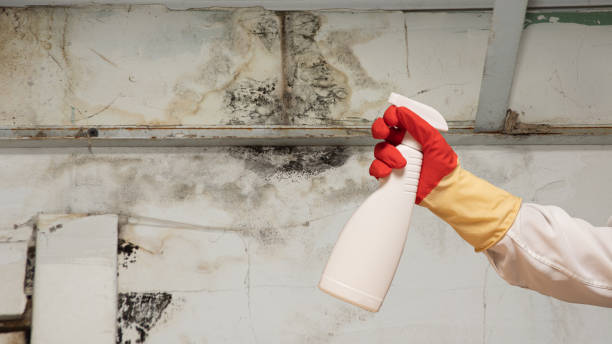
Yes, roof leaks are one of the leading causes of indoor mold problems. Moisture trapped in dark areas like attics, ceilings, and wall cavities creates the perfect environment for mold colonies to grow unnoticed.
Many homeowners in Peoria ask, “How long does it take mold to grow after a roof leak?” In many cases, mold can begin forming within just a couple of days if materials stay wet.
Areas Most Vulnerable to Mold After a Roof Leak
- Attic insulation absorbs moisture and often hides mold growth beneath the surface.
- Ceiling drywall traps water and becomes a common location for visible staining and mold spots.
- Wood framing inside walls retains moisture long after surfaces appear dry.
- Carpeting beneath ceiling leaks can develop odors and microbial growth quickly.
How to Reduce Mold Risk
- Dry affected materials immediately after discovering a leak.
- Increase airflow using fans and dehumidifiers in damp areas.
- Remove heavily saturated materials that cannot dry completely.
- Schedule a professional moisture inspection after significant roof leaks.
If you’re already seeing signs of water damage from roof leak problems, call PuroClean of Peoria at (309) 431-4003 for a fast response.
5. What Should You Do Immediately After Discovering Roof Leak Damage?
The first few hours after discovering a roof leak are critical. Quick action helps limit water spread, reduces restoration costs, and protects your belongings from permanent damage.
Homeowners often ask, “Should I clean up roof leak water myself?” Small spills may seem manageable, but hidden moisture frequently remains behind walls and ceilings without professional drying equipment.
Immediate Steps to Take
- Move furniture, electronics, and valuables away from the affected area.
- Place buckets or containers beneath active drips to reduce flooring damage.
- Shut off electricity to affected areas if water is near outlets or fixtures.
- Take photos of visible damage for insurance documentation.
What to Avoid
- Do not climb onto a wet or storm-damaged roof during dangerous weather conditions.
- Avoid painting over water stains without identifying the source of the leak.
- Never ignore attic moisture because hidden damage often spreads quickly.
- Do not rely only on surface drying methods for large leaks.
Fast action minimizes the long-term effects of water damage from roof leak conditions and improves the chances of saving building materials.
People also read: Water Damage Clean Up in Peoria: 7 Critical Lessons Every Homeowner Must Learn
6. How Professional Water Damage Restoration Protects Your Home
Professional restoration involves much more than drying visible water. Moisture often spreads behind walls, under flooring, and into insulation where homeowners cannot easily detect it.
At PuroClean of Peoria, we use moisture detection equipment, commercial drying systems, and restoration techniques designed to stop further damage and return your home to a safe condition.
What Professional Restoration Includes
- Moisture mapping identifies hidden water trapped inside materials.
- Industrial air movers and dehumidifiers accelerate structural drying.
- Antimicrobial treatments help reduce mold growth risks after water exposure.
- Damaged drywall, insulation, or flooring may be removed if drying is no longer possible.
Why Professional Help Matters
- Proper drying prevents secondary damage that appears weeks later.
- Documentation supports insurance claims and repair records.
- Professional monitoring ensures moisture levels return to safe ranges.
- Restoration teams help reduce the risk of recurring mold problems.
Many homeowners also need related services such as water damage restoration, mold removal, or reconstruction work after severe roof leaks. These are valuable internal link opportunities for your website.
7. How Peoria Weather Increases Roof Leak Risks
Homes in Peoria face a wide range of seasonal weather conditions that place stress on roofing systems year-round. Sudden storms, snow accumulation, humidity, and fluctuating temperatures all contribute to roof deterioration.
Understanding local weather risks helps homeowners take preventative action before serious damage occurs.
Spring and Summer Risks
- Severe thunderstorms can loosen shingles and damage flashing.
- Heavy rainfall overwhelms clogged gutters and drainage systems.
- Strong winds lift roofing materials and expose vulnerable areas.
- Humid conditions slow drying after leaks occur.
Fall and Winter Risks
- Fallen leaves block gutters and trap standing water on the roof.
- Snow accumulation increases roof weight and moisture exposure.
- Ice dams force melting water beneath shingles and flashing.
- Freeze-thaw cycles expand small cracks into larger openings.
Regular inspections become especially important in Illinois because weather-related water damage from roof leak problems can develop rapidly after major storms.
8. How to Prevent Water Damage From Roof Leak Issues Before They Start
Preventative maintenance costs far less than emergency restoration. Many roof leaks begin as small maintenance issues that homeowners overlook for months or even years.
Simple seasonal inspections and maintenance habits greatly reduce the chances of severe interior water damage.
Smart Roof Maintenance Tips
- Inspect your roof after major storms for missing shingles or debris.
- Clean gutters and downspouts at least twice each year.
- Trim tree branches hanging over the roof to reduce impact damage.
- Check attic spaces regularly for moisture, odors, or discoloration.
Protect Vulnerable Areas
- Replace damaged flashing around vents and chimneys promptly.
- Seal attic air leaks that contribute to ice dam formation.
- Ensure proper attic ventilation to reduce moisture buildup.
- Schedule professional roof inspections for aging roofing systems.
These proactive steps help homeowners avoid costly water damage from roof leak repairs and reduce the likelihood of mold growth inside the home.
9. When Should You Call PuroClean of Peoria for Roof Leak Restoration?
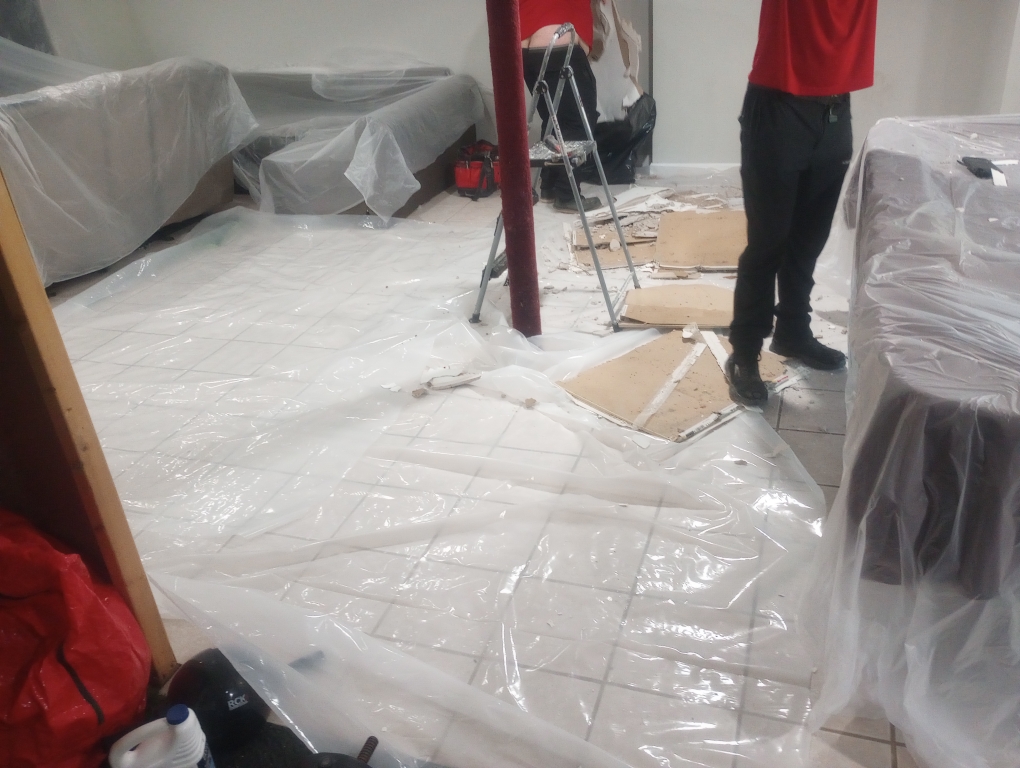
Some homeowners wait too long to call for professional help because the leak appears small at first. Unfortunately, water often spreads into hidden areas before visible damage becomes severe.
The smart next step is contacting a restoration professional as soon as you suspect moisture intrusion inside your home.
Signs You Need Professional Restoration Help
- Ceiling stains continue growing after storms.
- You notice musty odors or visible mold near affected areas.
- Water has soaked insulation, drywall, or flooring materials.
- The leak affects multiple rooms or electrical systems.
Why Homeowners Choose PuroClean of Peoria
At PuroClean of Peoria, we understand how stressful roof leak damage can feel. Our team responds quickly, identifies hidden moisture, and helps restore your property with professional care.
- We provide fast response times for emergency water damage situations.
- Our team handles drying, cleanup, mold concerns, and reconstruction services.
- We help homeowners document damage for insurance claims.
- We focus on restoring both safety and peace of mind.
When water damage from roof leak problems threaten your home, professional restoration helps prevent long-term structural and health issues.
FAQs About Water Damage From Roof Leak
How serious is water damage from a roof leak?
Even small roof leaks can become serious if water reaches insulation, drywall, or structural wood. Hidden moisture may also lead to mold growth and costly repairs over time.
Can a roof leak cause mold even if the area looks dry?
Yes, moisture often remains trapped behind walls and ceilings after surfaces appear dry. Mold can continue growing in hidden areas without proper drying and inspection.
How long does it take for ceiling damage to appear after a roof leak?
Ceiling stains may appear within hours during major leaks or take weeks with slow water intrusion. The timeline depends on how much water enters the home and where it travels.
Should I replace drywall after water damage from a roof leak?
Drywall that stays wet for too long may lose structural integrity or develop mold. A professional inspection helps determine whether drying or replacement is the safer option.
Does homeowners insurance cover water damage from roof leaks?
Coverage varies depending on the cause of the leak and your policy details. Sudden storm-related damage is often covered, while neglected maintenance issues may not be.
Final Thoughts – Protect Your Home From Costly Roof Leak Damage
Roof leaks rarely stay small for long. Quick action, regular roof maintenance, and professional drying help prevent mold growth, structural issues, and expensive repairs throughout your home. Homeowners in Peoria who respond early to signs of water damage from roof leak conditions often avoid far more serious restoration problems later.
At PuroClean of Peoria, we help homeowners restore their properties safely after roof leaks, storm damage, and hidden moisture issues. Our team provides professional water damage restoration, mold remediation, and reconstruction services designed to protect your home and your family’s health.
📞 Call PuroClean of Peoria for water damage from roof leak restoration today at (309) 431-4003 or visit our website. Don’t let water damage ruin your home, belongings, or indoor air quality, get trusted professional help today.