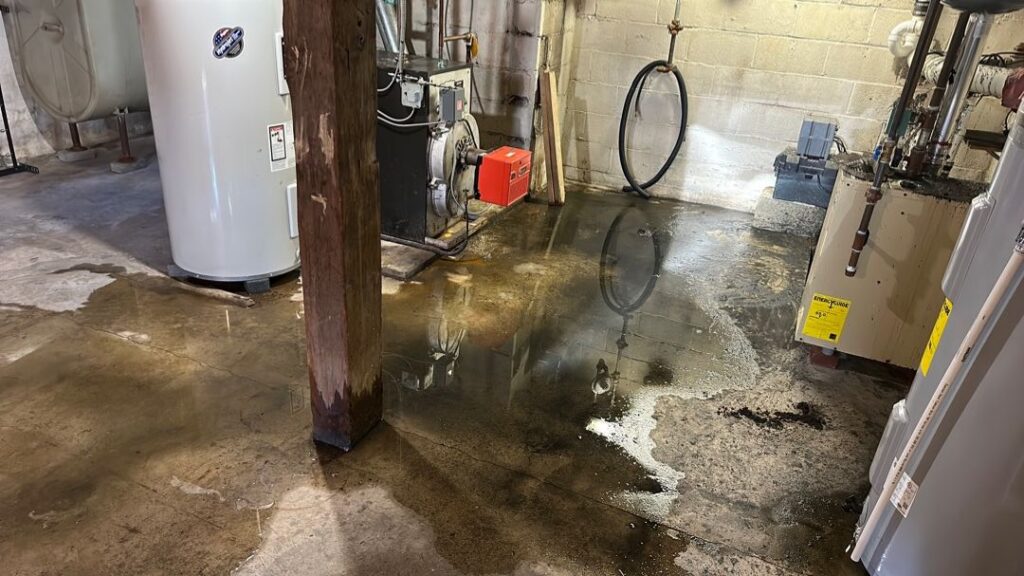
Water in your home moves fast, and so does the mold that follows it. Whether a pipe burst overnight or a storm pushed water through your basement, understanding water damage remediation is the first step toward protecting your home and your family’s health. This guide covers how water damage spreads, how the drying and dehumidifying process works, when mold becomes a real risk, and when it is time to call a professional. At PuroClean of Peoria, we have helped hundreds of Peoria, IL homeowners navigate exactly this situation, and we want to give you the clearest picture possible so you can act quickly and confidently.
Table of Contents
1. What Is Water Damage Remediation and Why Does It Matter?
Water damage remediation is the full process of removing water, drying affected materials, treating for mold, and restoring your home to a safe, pre-loss condition. It goes beyond simply mopping up a puddle. Untreated moisture inside walls, floors, and ceilings can weaken structural materials and create invisible mold colonies within 24 to 48 hours.
- Water damage is one of the most common and costly home insurance claims, and delayed action is the single biggest factor in escalating repair costs.
- Remediation covers everything from water extraction and drying to sanitizing surfaces and rebuilding damaged areas.
- Mold spores are always present in the air. They only need moisture and an organic surface to start growing, which is why drying completely matters just as much as removing standing water.
Every hour you wait after water enters your home, the damage reaches deeper into materials and the risk of mold growth increases. Acting fast is not optional in water damage remediation. It is the difference between a manageable repair and a major reconstruction project.
2. How Water Spreads Through Your Home (Faster Than You Think)
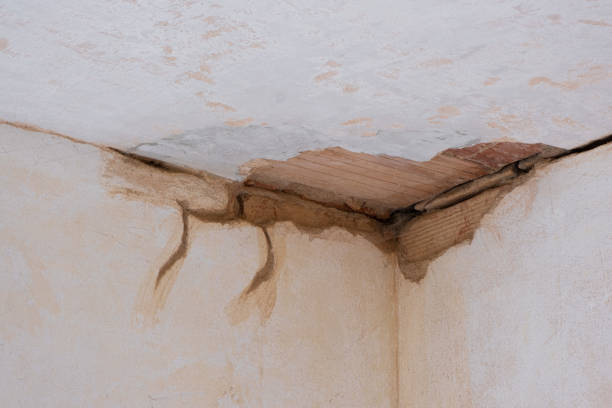
Most homeowners are surprised to learn how quickly water travels through building materials. Within minutes of a leak or flood, water wicks into drywall, insulation, subflooring, and wood framing. By the time you notice a wet wall or buckling floor, the moisture has usually already spread several feet beyond the visible damage.
- Drywall can absorb water up to several feet above the flood line through a process called capillary action, meaning the wall looks dry from the outside while saturated inside.
- Hardwood floors trap water in the gaps between boards and beneath the subfloor, making surface drying ineffective without professional equipment.
- Carpets and padding act like sponges, holding many times their weight in water and releasing it slowly into the subfloor beneath.
- Insulation inside walls holds moisture for weeks without proper drying equipment, creating a hidden breeding ground for mold.
Understanding how far water travels helps explain why professional water damage remediation involves more than removing what you can see. The moisture hiding inside your walls and floors is just as dangerous.
3. The 3 Categories of Water Damage You Need to Know
Not all water damage is the same, and the source of the water determines how it must be treated. Industry professionals classify water into categories based on contamination level, and this directly affects which materials can be saved and which must be removed.
Category 1: Clean Water
This comes from a sanitary source like a broken supply line or overflowing sink. Clean water poses the least health risk but still requires fast drying to prevent mold.
Category 2: Gray Water
Gray water contains some contaminants and comes from sources like washing machines, dishwashers, or sump pump failures. Contact with gray water can cause illness and requires proper sanitizing alongside drying.
Category 3: Black Water
Black water is highly contaminated. It comes from sewage backups, flooding from rivers or streams, and standing water that has been sitting long enough to grow bacteria. Black water situations require full personal protective equipment, professional disposal of affected materials, and thorough disinfection.
- Any porous material (drywall, carpet, insulation) that contacts black water typically must be removed and replaced, not dried in place.
- Category 1 water can become Category 2 or 3 the longer it sits, which is another reason why calling a water damage remediation professional quickly matters.
- Never use a standard wet/dry vacuum for Category 2 or 3 water without proper protective gear and disposal procedures.
Knowing what kind of water you are dealing with helps you make faster, safer decisions about what to handle yourself and when to call for help.
4. The Water Damage Remediation Drying Process: What Actually Happens
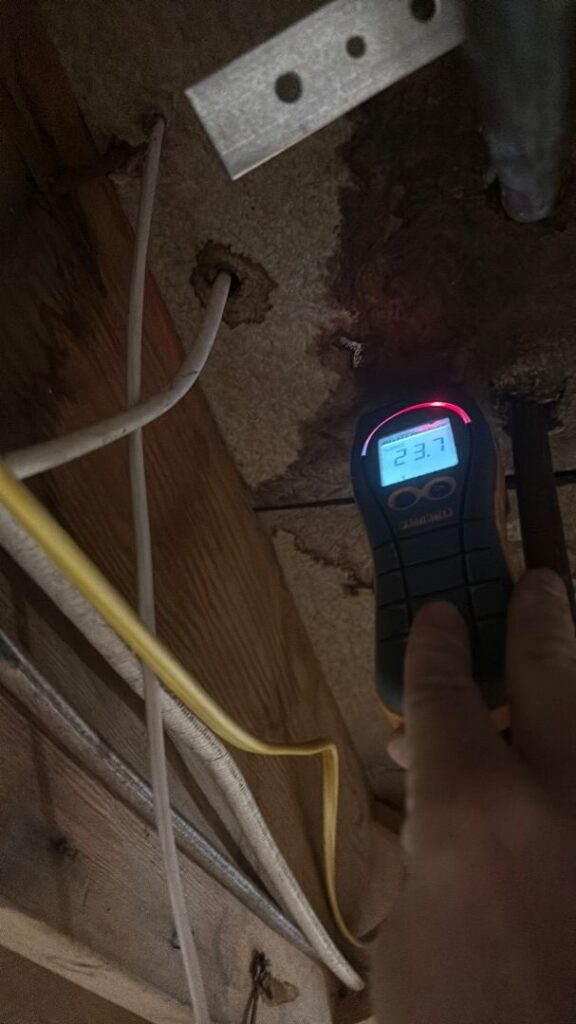
Professional drying is not just pointing fans at a wet floor. Proper water damage remediation drying uses a combination of equipment, moisture monitoring, and scientific drying targets to ensure every affected material reaches a safe moisture level before any repairs begin.
- Air movers are high-velocity fans positioned at specific angles to create airflow across wet surfaces and push evaporated moisture away from materials and into the air.
- Commercial dehumidifiers pull that evaporated moisture out of the air and trap it as liquid water, which gets drained or collected and removed from the structure.
- Moisture meters and thermal imaging cameras are used daily to track drying progress inside walls, under floors, and in hidden cavities that look dry on the surface.
- Drying typically takes 3 to 5 days depending on the size of the affected area, the category of water, and how quickly remediation began.
The goal is to bring all affected materials back to their normal, dry moisture content before rebuilding anything. Sealing wet materials behind new drywall or flooring is one of the most common and costly mistakes homeowners make during DIY water cleanup.
5. Why Mold Grows After Water Damage and How to Stop It
Mold is the most common and costly consequence of incomplete water damage remediation. Mold does not need much to get started: a little moisture, a surface like wood or drywall, and temperatures between 40 and 100 degrees Fahrenheit. Most homes provide all three conditions any time water damage goes unaddressed for more than a day.
- Mold can begin colonizing a wet surface in as little as 24 to 48 hours after water exposure, according to general industry knowledge among restoration professionals.
- Visible mold (spots, discoloration, fuzzy growth) is almost always a sign that mold has also spread into areas you cannot see, including inside wall cavities and under flooring.
- Mold releases spores and mycotoxins that can trigger respiratory problems, allergies, and other health issues, especially in children, elderly individuals, and anyone with a compromised immune system.
- The only reliable way to stop mold after water damage is to remove all moisture from affected materials before the 48-hour window closes.
If you are already seeing discoloration on walls, smelling a musty odor, or noticing allergy symptoms that started after a water event, call PuroClean of Peoria at (309) 431-4003 for a fast assessment. Waiting to see if it gets worse is not a safe option when mold is involved.
6. DIY Water Damage Cleanup: What You Can and Cannot Do Safely
Homeowners can take important first steps after water damage, especially when professional help is on the way. Knowing what is safe to do yourself and what requires professional equipment can make a real difference in the outcome.
What you can do safely:
- Remove standing water with a wet/dry vacuum if the source is Category 1 (clean water) and the volume is manageable.
- Move furniture and personal belongings out of the wet area to prevent further damage and allow airflow.
- Open windows and run existing fans to increase air circulation, though this is not a substitute for commercial drying equipment.
- Remove soaked area rugs and take them outside to dry if they can be handled safely.
What you should not attempt yourself:
- Do not attempt to dry inside walls without professional moisture monitoring. You will not be able to confirm the materials are actually dry.
- Do not use household box fans alone as your primary drying method. They do not dehumidify the air and can spread mold spores if mold is already present.
- Do not start rebuilding or covering wet materials, including replacing drywall or reinstalling flooring, until professional moisture readings confirm the area is fully dry.
- Do not handle Category 2 or 3 water without proper protective equipment and professional guidance.
DIY efforts are most effective as a first response while you wait for professional water damage remediation to begin. They are not a replacement for the equipment and expertise needed to dry a structure safely and completely.
7. Equipment Used in Professional Water Damage Remediation
One of the biggest differences between DIY cleanup and professional water damage remediation is the equipment. The tools used by certified restoration professionals are not available at a hardware store, and they are designed specifically to dry building materials rather than just surface areas.
- LGR (Low Grain Refrigerant) dehumidifiers pull moisture out of the air more efficiently than standard dehumidifiers, reaching lower humidity levels that standard units cannot achieve.
- Desiccant dehumidifiers use a chemical absorption process to dry air in very cold environments or areas where refrigerant units are less effective, such as crawl spaces in winter.
- Injectidry systems inject warm, dry air directly into wall cavities and under flooring without requiring demolition, saving materials and reducing repair costs when used early enough.
- Thermal imaging cameras detect temperature differences in walls and ceilings that reveal wet areas invisible to the naked eye, preventing hidden moisture from being sealed in during repairs.
Professional drying equipment is sized and positioned based on calculations involving the room volume, material types, and target drying goals. This is not guesswork. It is a documented, monitored process that ends only when moisture readings confirm every material has returned to safe levels.
8. When to Call a Professional Water Damage Remediation Company
Some water damage situations are clearly beyond DIY capability. Others start small and seem manageable until they are not. Knowing the warning signs that require professional water damage remediation can save you from a much larger, more expensive problem later.
Call a professional immediately if:
- The affected area is larger than 10 square feet or involves multiple rooms.
- The water source is gray water or black water (sewage, flooding, standing water).
- You can smell a musty or earthy odor, which signals mold is likely already present.
- Walls, ceilings, or floors show visible swelling, bubbling paint, or soft spots.
- The water came from a roof leak, storm flooding, or any source that may have contacted soil or exterior drainage.
At PuroClean of Peoria, our IICRC-certified technicians respond quickly to water damage calls throughout Peoria, IL and surrounding communities. We bring all the equipment listed above, document every step for your insurance claim, and do not stop the job until every moisture reading confirms your home is safe and dry. You can reach us any time at (309) 431-4003.
Professional water damage remediation is not a luxury. When mold risk is present, structure is compromised, or water contamination is a concern, it is the only path to a safe outcome.
9. How to Prevent Water Damage and Mold Before They Start
Prevention is the least expensive form of water damage remediation. A few maintenance habits and regular inspections can significantly reduce your risk of a water event that requires professional restoration.
- Inspect supply lines behind your washing machine, dishwasher, and refrigerator every year. These braided or plastic hoses are a leading cause of slow, hidden leaks that go undetected for months.
- Check your roof and gutters each spring and fall. Clogged gutters cause water to back up under roofing materials and enter your attic or walls without triggering any visible indoor leak.
- Keep your home’s indoor humidity between 30 and 50 percent using a standard dehumidifier in basements and crawl spaces. This removes the moisture mold needs to grow even without an active leak.
- Know where your main water shutoff is and make sure every adult in the household can reach and operate it quickly. In a burst pipe situation, getting to that shutoff in the first minute can reduce damage dramatically.
Prevention works best as a habit, not a one-time project. Regular attention to these areas reduces your risk of ever needing emergency water damage remediation services.
10. What to Expect from the Water Damage Remediation Process Start to Finish
If you have never been through water damage remediation before, knowing what the process looks like helps reduce the stress of an already difficult situation. Here is a general overview of what to expect when a professional restoration company like PuroClean of Peoria responds to your home.
- Step 1 – Emergency contact and arrival: You call, we ask a few quick questions, and we dispatch a crew with equipment. Response time matters, so we move fast.
- Step 2 – Inspection and moisture mapping: We use moisture meters and thermal cameras to identify every area affected by water, including places you cannot see.
- Step 3 – Water extraction: We remove all standing water using truck-mounted or portable extraction equipment before drying begins.
- Step 4 – Controlled demolition if needed: Saturated drywall, flooring, or insulation that cannot be dried in place is removed carefully to allow the structure behind it to dry completely.
- Step 5 – Drying and dehumidification: Air movers and dehumidifiers run continuously, and we return daily to monitor moisture levels until every reading hits the target.
- Step 6 – Cleaning and sanitizing: Affected surfaces are cleaned and treated with EPA-registered antimicrobials to prevent mold growth and eliminate bacteria from gray or black water.
- Step 7 – Reconstruction: Once everything is confirmed dry, our team can handle all repairs, from new drywall and flooring to full room restoration, getting your home back to normal.
Working with a full-service restoration company means you have one point of contact from the first call through the final repair, which simplifies insurance documentation and speeds up your recovery.
FAQs About Water Damage Remediation
How long does water damage remediation take? Most residential water damage remediation projects take between 3 and 7 days for the drying phase, followed by additional time for repairs depending on the extent of the damage. Larger losses involving multiple rooms or structural damage can take longer. Your remediation team should be able to give you a timeline after the initial moisture assessment.
Can I stay in my home during water damage remediation? In many cases, yes. If the water damage is limited to one area of the home and the water source was clean water, most families can remain in the home during drying. If black water contamination is involved, if mold remediation is required, or if major structural areas like HVAC systems are affected, temporary relocation may be necessary for your family’s safety.
Does water damage remediation prevent mold? Yes, when done completely and quickly. The goal of professional water damage remediation is to remove all moisture from affected materials before mold has a chance to establish. If remediation begins within the first 24 to 48 hours and all materials are brought to their target dry moisture content, mold growth is prevented in the treated area.
Will my homeowner’s insurance cover water damage remediation? Most standard homeowner’s insurance policies cover sudden and accidental water damage, such as a burst pipe or appliance failure. Flood damage from rising water typically requires a separate flood insurance policy. Slow leaks or damage caused by lack of maintenance are often excluded. Calling your insurer promptly and documenting everything with photos and professional reports protects your claim.
What is the difference between water damage restoration and remediation? The terms are often used interchangeably. Technically, remediation refers to the process of removing the water, drying the structure, and eliminating contaminants or mold risk. Restoration refers to repairing and rebuilding what was damaged. Many professional companies, including PuroClean of Peoria, handle both phases so homeowners have a single team managing the entire process.
Final Thoughts: Fast Action Is the Foundation of Effective Water Damage Remediation
The three things that matter most after water enters your home are speed, completeness, and professional verification. Acting within the first few hours limits how far water spreads, catching and drying all affected materials completely prevents mold from gaining a foothold, and having a certified professional confirm dry moisture readings ensures nothing dangerous gets sealed behind your new walls or floors. Water damage remediation done right the first time is always less expensive than discovering hidden mold or structural damage months later.
At PuroClean of Peoria, we treat every water damage call as the urgent situation it actually is. Our certified technicians bring the equipment, the documentation, and the follow-through your home needs to come back from water damage safely and completely.
📞 Call PuroClean of Peoria for water damage remediation in Peoria, IL today at (309) 431-4003 or visit our website. Do not let water damage ruin your home, your belongings, or your family’s health. Get trusted professional help today.