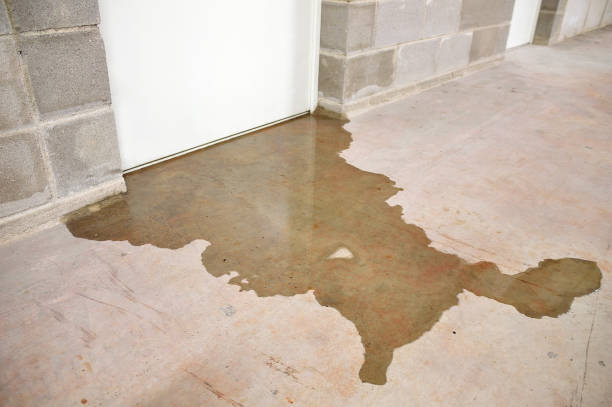
Water in your home moves fast, and so does the damage it causes. Whether a pipe just burst in your basement or you came home to a flooded kitchen, the first 24 hours after water damage are the most critical window you have to protect your home and your family. At PuroClean of Peoria, we respond to water emergencies throughout the Peoria, IL area every day, and we know exactly what separates a manageable cleanup from a months-long restoration nightmare. This guide walks you through every step you need to take right now, from the moment you discover the water to when you call a professional for water damage restoration in Peoria.
Table of Contents
1. Stop the Water Source Before Anything Else

The damage cannot stop until the water does. This sounds obvious, but in the panic of discovering a flooded room, many homeowners skip straight to moving belongings or calling for help before shutting off the source.
- Locate your main water shutoff valve and turn it off immediately if a pipe has burst or a supply line has failed. Most shutoffs are near the water meter, in a utility room, or in the basement.
- If the flooding involves an appliance like a dishwasher or washing machine, pull the appliance away from the wall and disconnect the supply hose.
- For roof leaks or storm-related flooding, you cannot stop the source the same way, but you can place buckets, move valuables, and cover openings with tarps to slow additional water entry.
- Never attempt to access a flooded area if there is any chance of electrical exposure. Water and live electricity are a deadly combination.
Stopping the source is the single most impactful action you can take in the first few minutes. Everything else depends on this step being done first.
2. Document Everything for Your Insurance Claim

Before you move a single item or pull up a single piece of wet carpet, take thorough documentation. Insurance adjusters rely heavily on photographic evidence, and missing this step can cost you thousands of dollars in denied claims.
- Walk through every affected room and take wide-angle photos and video of standing water, wet walls, soaked flooring, and damaged belongings.
- Photograph the source of the water damage as well, whether it is a broken pipe, a flooded appliance, or a cracked foundation wall.
- Make a written list of every damaged item you can identify, including approximate purchase dates and values when possible.
- Contact your homeowner’s insurance provider as soon as documentation is complete. Most policies require prompt notification, and delays can affect your coverage.
Good documentation protects you during the claim process and gives your water damage restoration team a clear picture of the scope of damage from day one.
3. Protect Yourself Before Entering Flooded Areas
Flood water is not clean water, even when the source seems like it should be. Depending on where the water traveled before reaching your floor, it may carry bacteria, sewage, chemicals, or other hazardous materials.
- Wear rubber boots, waterproof gloves, and eye protection before entering any flooded space.
- If standing water is deeper than a few inches or has a foul odor, treat it as contaminated until a professional can assess it.
- Keep children and pets completely out of affected areas until the water is removed and the space is professionally evaluated.
- Avoid using any electrical outlets, switches, or appliances in flooded rooms until an electrician confirms the area is safe.
Your safety comes before your belongings. No piece of furniture or personal item is worth an injury or exposure to contaminated floodwater.
4. Begin Removing Standing Water as Quickly as Possible
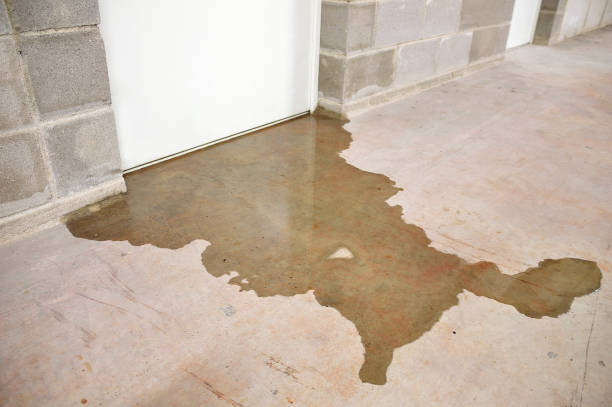
Standing water causes progressive structural damage with every hour it sits. Wood subfloors begin to warp, drywall begins to wick moisture upward, and mold can begin to develop within 24 to 48 hours under the right conditions.
- Use a wet/dry vacuum to remove standing water from hard flooring surfaces. These are available at most hardware stores and can remove several gallons per minute.
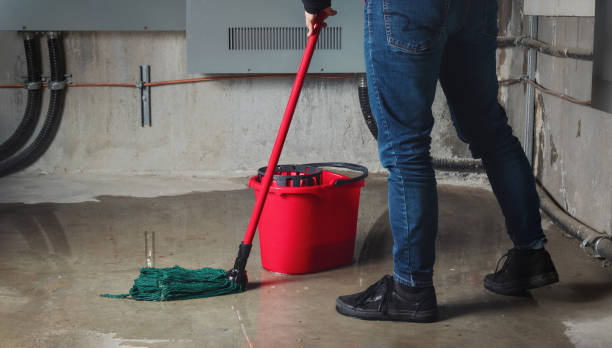
- Mops and towels are useful for thin layers of water but are not effective for significant flooding. Do not rely on them alone.
- If the volume of water is beyond what you can handle manually, contact a water damage restoration in Peoria service immediately. Professional grade water extractors remove hundreds of gallons in a fraction of the time.
- Move any standing furniture off wet flooring right away. Place aluminum foil or plastic wrap under furniture legs to prevent wood staining and rust bleeding onto floors.
Faster water removal means less structural damage, less mold risk, and a faster overall recovery for your home.
5. Start Drying Out the Space Immediately
Removing visible water is only the first step. Hidden moisture in walls, under flooring, and inside cabinetry causes long-term damage that is often more expensive to repair than the original flood. This is one of the most common mistakes homeowners make after water damage.
- Open windows and doors if outdoor humidity is lower than indoor humidity. Cross-ventilation speeds up evaporation naturally.
- Run fans throughout every affected room and point them directly at wet surfaces. Box fans, standing fans, and ceiling fans all help.
- Run your HVAC system if it was not affected by the water. Air conditioning in particular helps pull moisture from the air.
- Avoid closing off wet rooms, even if they look contained. Moisture migrates through walls and floors into adjacent spaces.
Drying a water-damaged home thoroughly takes time, and surface drying is not the same as structural drying. Professional equipment like industrial air movers and dehumidifiers is often necessary for a complete and safe result.
If you are already seeing warped floors, bubbling paint, or a musty smell in your home, call PuroClean of Peoria at (309) 431-4003 for a fast response. The sooner our team arrives, the more we can save.
6. Remove Wet Materials That Cannot Be Saved
Some materials hold moisture in ways that make full drying nearly impossible without professional equipment, and leaving them in place creates ongoing mold and structural risk. Knowing what to remove early saves you money on remediation later.
- Wet carpet and carpet padding should be pulled up as soon as possible. Padding in particular acts like a sponge and almost never dries completely on its own.
- Drywall that has been saturated more than a few inches from the base typically needs to be removed and replaced. It cannot dry without trapping moisture behind it.
- Insulation inside walls that has been soaked is rarely salvageable and should be removed by a restoration professional.
- Baseboards and lower trim pieces may need to come off to allow wall cavities to dry properly.
Removing these materials early is not a setback. It is how you prevent a far more expensive mold problem from developing inside your walls over the following weeks.
7. Watch for Early Signs of Mold Growth
Mold is one of the most serious secondary consequences of water damage in a Peoria home. Under warm, humid conditions, mold colonies can begin forming in as little as 24 to 48 hours after flooding. Catching the signs early gives you the best chance of containing it before it spreads.
- Look for discoloration on walls, ceilings, or flooring. Mold often starts as dark specks or fuzzy patches in corners, along baseboards, or behind furniture.
- A persistent musty or earthy smell in a room that has had water damage is a strong indicator that mold has already begun to grow somewhere nearby.
- Check inside closets, behind appliances, and in crawl spaces. These low-traffic areas retain moisture longer and are common starting points for mold growth.
- Do not attempt to bleach or scrub visible mold yourself in large affected areas. Surface treatment without addressing the moisture source rarely eliminates the problem and can spread spores.
If mold is present or suspected, professional mold removal is the safest path forward. Our team at PuroClean of Peoria uses containment protocols and moisture detection equipment to locate and eliminate mold at the source, not just at the surface.
8. When to Call a Professional for Water Damage Restoration in Peoria
There is a clear line between what a homeowner can manage independently in the first few hours and what requires professional intervention. Knowing that line protects your home and your investment.
- If standing water covers more than a few hundred square feet, professional water extraction equipment is the only realistic option for fast and thorough removal.
- If water has been sitting for more than a few hours, or if the affected area includes finished walls, ceilings, or structural components, moisture mapping by a trained technician is essential.
- If the source of the water was a sewage backup, a sump pump failure, or any type of floodwater from outdoors, the water is categorized as contaminated and requires professional hazardous materials handling.
- If you have any uncertainty about the extent of the damage, a professional assessment is always worth the call. Hidden moisture causes the most expensive damage because it goes undetected for too long.
PuroClean of Peoria provides 24/7 emergency water damage restoration in Peoria and throughout the surrounding area. Our certified technicians arrive fast, assess the full scope of damage, and begin mitigation the same day. Call us at (309) 431-4003 any time, day or night.
9. Prevent Future Water Damage Before It Happens Again
After you have dealt with the immediate crisis, the experience is a valuable signal that something in your home needs attention. Many water damage events in Peoria homes are preventable with a few routine maintenance steps.
- Inspect your water supply lines under sinks and behind appliances once a year. Braided stainless steel lines are more durable than plastic or rubber and reduce the risk of sudden failure.
- Clean your gutters and downspouts every fall and spring. Clogged gutters redirect water toward your foundation and are a leading cause of basement flooding in older Peoria homes.
- Test your sump pump at least once a year by pouring water into the pit to confirm it activates and drains properly.
- Seal any visible cracks in your foundation walls, especially before winter. Freeze-thaw cycles in central Illinois expand small cracks quickly.
Water damage restoration in Peoria is something our team handles every day, but we always prefer to help homeowners avoid the need for it in the first place. Prevention is always less expensive than restoration.
10. Understanding What Your Homeowner’s Insurance Actually Covers
One of the most stressful parts of water damage for homeowners in Peoria is the uncertainty around what insurance will and will not pay for. Getting clear on your coverage early helps you make smarter decisions during the recovery process.
- Most standard homeowner’s insurance policies cover sudden and accidental water damage, such as a burst pipe or a failed appliance supply line.
- Gradual leaks that developed over time are often excluded because insurers consider them a maintenance issue rather than a sudden event.
- Flood damage from outdoor water, such as storm surge, river flooding, or groundwater backup, typically requires a separate flood insurance policy through the NFIP or a private carrier.
- Sewer backup coverage is sometimes available as an add-on endorsement to your standard policy and is worth reviewing if your home has older plumbing.
Document everything before and after any cleanup and keep all receipts for emergency purchases like fans, pumps, and temporary lodging. These records support your claim and give your adjuster the full picture of what you experienced.
FAQs About Water Damage Restoration in Peoria
How quickly does mold start to grow after water damage? Mold can begin to develop within 24 to 48 hours in warm, humid conditions. This is why fast water extraction and drying are so critical in the first day after a flood or pipe break.
Can I dry out my home myself after water damage, or do I need a professional? Minor water events, like a small appliance leak caught quickly, may be manageable with fans and a wet/dry vacuum. However, any flooding that affects walls, flooring, or more than one room typically requires professional drying equipment and moisture monitoring to prevent hidden damage and mold.
What type of water damage does homeowner’s insurance cover in Peoria? Most standard homeowner’s insurance policies in Illinois cover sudden and accidental water damage, like burst pipes. They typically do not cover gradual leaks, outdoor flooding, or groundwater backup unless you have added specific endorsements.
How long does water damage restoration take in Peoria? The timeline depends on the scope and category of damage. A straightforward water extraction and dry-out for a single room may take 3 to 5 days. More extensive damage involving structural drying, mold remediation, or reconstruction can take several weeks.
Is it safe to stay in my home after water damage? It depends on the extent of the damage. If the affected area is limited and there is no electrical hazard, sewage contamination, or structural concern, staying may be possible. If flooding is widespread, contaminated, or if mold is suspected, temporarily relocating is the safer choice until a professional assessment is completed.
Final Thoughts: Fast Action Protects Your Home and Your Family
The first 24 hours after water damage in your Peoria home set the trajectory for everything that follows. Acting quickly to stop the source, document the damage, begin drying, and contact a professional gives you the best possible outcome at the lowest cost. Waiting, even by a day, allows moisture to migrate into hidden spaces, mold to establish itself, and structural materials to deteriorate beyond recovery.
The three things to remember are these: stop the water, document the damage, and call a professional before the situation escalates. Every hour of delay increases both the damage and the cost of restoring your home to safe, livable condition.
📞 Call PuroClean of Peoria for water damage restoration in Peoria today at (309) 431-4003 or visit our website. Don’t let water damage ruin your home or your peace of mind — get trusted professional help today.