White mold in basement areas can be easy to dismiss because it may look like harmless dust, mineral deposits, or mildew. However, white-looking growth can signal a moisture problem that needs attention, especially in damp basements where mold can spread behind walls, beneath flooring, and around stored belongings.
At PuroClean of Peoria, we help homeowners identify moisture problems, address mold growth, and restore damaged areas with professional mold remediation and water damage restoration services. Here are seven dangers of white mold in basement areas, along with practical steps you can take to identify the problem, control moisture, and know when professional help is needed.
Table of Contents
1. White Mold in Basement Can Hide a Bigger Moisture Problem
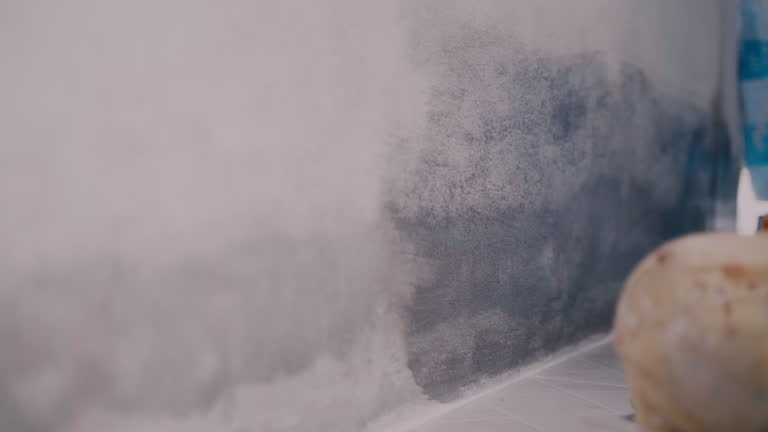
Mold does not grow without moisture. When you notice white growth in your basement, the most important question is not only what the growth is, but why the area is staying damp.
A basement can collect moisture from foundation seepage, plumbing leaks, condensation, flooding, or high indoor humidity. If you clean the visible growth without fixing the moisture source, the problem may return.
Common Sources of Basement Moisture
- Foundation cracks can allow groundwater to enter during or after heavy rain.
- Leaking pipes, water heaters, or appliances can introduce moisture without creating obvious standing water.
- Poor ventilation can allow humid air to remain trapped inside the basement.
- Condensation can form on cold pipes, walls, and HVAC components.
What You Should Do
- Look for water stains, damp walls, or areas where condensation continues to form.
- Check around plumbing fixtures, water heaters, sump pumps, and appliances.
- Inspect your basement after heavy storms for new moisture.
- Consider professional moisture detection if the source is not obvious.
Finding and correcting the moisture source is one of the most important steps in dealing with white mold in basement areas.
2. White Mold Can Spread Across Hidden Surfaces
What you see may not represent the full extent of the problem. Mold can grow behind drywall, underneath flooring, around insulation, and on wooden framing where moisture remains trapped.
This makes a basement mold problem especially difficult to evaluate with a simple visual inspection.
Places White Mold May Hide
- Behind basement drywall.
- Beneath carpeting or other flooring.
- Around wooden studs and floor joists.
- Inside or around damp insulation.
Warning Signs of Hidden Growth
- A persistent musty smell even when visible mold is limited.
- Paint that bubbles, peels, or becomes discolored.
- Flooring that feels damp or warped.
- Repeated mold growth in the same location after cleaning.
If mold keeps appearing in one area, the moisture may be deeper than the surface. Professional inspection can help determine whether white mold in basement spaces has spread into hidden materials.
3. Basement Mold Can Contribute to Poor Indoor Air Quality
Your basement is part of your home’s overall indoor environment. Air can move between basement areas and the rooms above, which means moisture and airborne particles from a mold-affected area should not simply be ignored.
This is especially important when the basement is connected to your HVAC system or frequently used as living space.
Why Indoor Air Quality Matters
- Musty odors may spread beyond the basement.
- Mold growth can contribute to unpleasant indoor conditions.
- Moisture can encourage additional microbial growth.
- Mold-affected materials may continue releasing particles into the surrounding environment.
Steps You Can Take
- Keep basement doors and affected areas managed according to the severity of the problem.
- Address leaks and moisture as soon as possible.
- Avoid disturbing extensive mold growth unnecessarily.
- Contact a restoration professional when the affected area is extensive or keeps returning.
Addressing white mold in basement areas early can help prevent a localized moisture problem from affecting the rest of your home.
4. White Mold Can Damage Building Materials
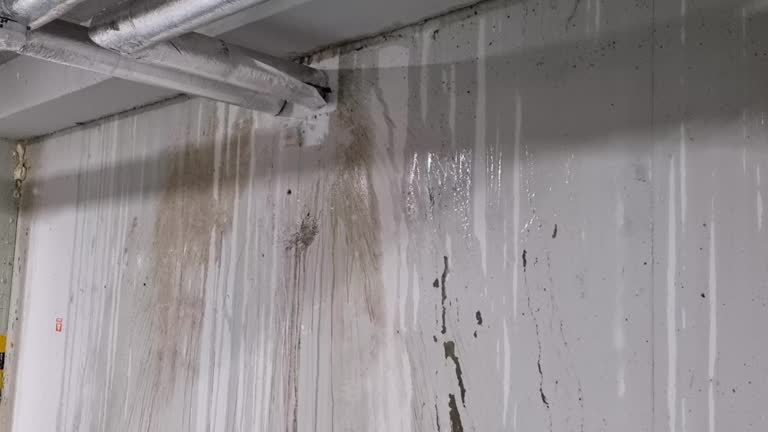
Mold does not only affect the appearance of your basement. Prolonged moisture can also damage the materials that make up your home.
Drywall, insulation, wood, carpeting, and other porous materials can absorb moisture and become difficult to restore if the problem continues.
Materials That May Be Affected
- Drywall can become soft, stained, or deteriorated.
- Wood framing can remain damp and support continued mold growth.
- Insulation can hold moisture and odors.
- Carpet and padding can retain water long after a leak occurs.
Why Fast Action Helps
- Wet materials have a better chance of being restored when addressed quickly.
- Damaged porous materials can be evaluated before the problem spreads.
- Hidden moisture can be identified and removed.
- Structural concerns can be addressed before they become more extensive.
When white mold in basement areas appears after water damage, professional drying and restoration can help protect materials that might otherwise require replacement.
5. DIY Cleaning May Not Eliminate the Problem

Seeing white growth on a basement wall can make it tempting to grab a household cleaner and scrub it away. Cleaning the visible surface may improve its appearance, but it does not necessarily solve the underlying moisture problem.
Mold remediation requires more than making a contaminated surface look clean.
Why DIY Cleanup Can Fall Short
- The moisture source may remain active.
- Mold may exist behind or underneath the visible area.
- Porous materials may have absorbed moisture.
- Aggressive cleaning can disturb affected material and spread contamination.
When Professional Help Makes Sense
- The affected area is large or continues to grow.
- Mold keeps returning after cleaning.
- There has been significant water damage.
- You suspect mold behind walls, beneath flooring, or inside insulation.
If you’re already seeing signs of white mold in basement areas, call PuroClean of Peoria at (309) 431-4003 for a fast response and professional guidance.
6. Controlling Basement Humidity Helps Prevent Mold
One of the most effective ways to reduce the chance of recurring basement mold is to control moisture. Even after an existing mold problem has been addressed, high humidity can create the same conditions again.
Your basement should stay as dry as possible throughout the year, especially during Peoria’s humid summer months.
Practical Humidity Control Tips
- Use a properly sized dehumidifier in damp basement areas.
- Keep gutters and downspouts clear so rainwater drains away from the foundation.
- Repair plumbing leaks as soon as they are discovered.
- Check your sump pump regularly and make sure it can operate during heavy rain.
Additional Prevention Measures
- Inspect foundation walls for signs of water intrusion.
- Improve drainage around your property when needed.
- Avoid storing wet belongings directly against basement walls.
- Maintain adequate airflow in areas where moisture tends to collect.
Good moisture control is essential for preventing white mold in basement areas from returning after remediation.
7. Professional Mold Remediation Provides a More Complete Solution

When mold is extensive, hidden, or connected to water damage, professional remediation is often the safest and most effective next step. At PuroClean of Peoria, we approach mold problems by looking beyond the visible growth and identifying the conditions that allowed it to develop.
Our goal is to restore the affected area while addressing the moisture problem responsible for the mold.
How We Approach Mold Problems
- Inspect affected areas and identify visible and potential hidden moisture.
- Determine the likely source of water or humidity.
- Establish appropriate containment and remediation procedures when needed.
- Remove or restore affected materials based on their condition.
Our Restoration Services
- Mold remediation and removal.
- Water damage restoration.
- Structural drying.
- Moisture detection.
- Reconstruction when damaged materials require rebuilding.
Why Professional Restoration Helps
- Hidden moisture can be investigated using professional equipment.
- Affected building materials can be evaluated properly.
- Restoration can address both mold and water damage.
- The process is designed around the specific conditions of your home.
If your basement has recurring moisture or visible mold, professional white mold in basement remediation can help you move from temporary cleanup toward a more lasting solution.
FAQs About White Mold in Basement
What does white mold in a basement look like?
White mold may appear as a fuzzy, powdery, or patchy substance on walls, wood, insulation, flooring, or stored belongings. However, white discoloration can also come from other substances, so appearance alone cannot always identify mold.
Is white mold in a basement dangerous?
Any indoor mold growth should be taken seriously because it indicates excess moisture and can contribute to poor indoor environmental conditions. The appropriate response depends on the type, amount, location, and underlying cause of the growth.
Why does white mold keep coming back in my basement?
Recurring mold usually means the moisture problem has not been fully corrected. Leaks, foundation seepage, condensation, or high humidity can continue creating conditions that support new growth.
Can I remove white mold from my basement myself?
Small areas may sometimes be addressed by homeowners, but extensive, recurring, or hidden mold should be evaluated by a professional. Attempting to clean significant growth without addressing the moisture source may leave the underlying problem unresolved.
How can I prevent white mold from growing in my basement?
Keep the basement dry, control humidity, repair leaks quickly, maintain gutters and drainage, and check for water intrusion after heavy storms. Professional moisture detection can also help locate hidden problems before they lead to recurring mold.
Final Thoughts – Stop Basement Mold Before It Spreads
White mold in basement areas should never be treated as something to simply wipe away and forget. The visible growth may be a warning that your basement has excess moisture, hidden water damage, or conditions that can allow mold to spread. Finding the moisture source, controlling humidity, and addressing affected materials quickly can help protect your home and prevent a small problem from becoming a larger restoration project.
At PuroClean of Peoria, we provide professional mold remediation, water damage restoration, moisture detection, structural drying, and reconstruction services for homeowners throughout Peoria, IL. If you discover suspicious growth or persistent moisture in your basement, our restoration professionals can help identify the problem and determine the appropriate next step.
📞 Call PuroClean of Peoria for white mold in basement concerns today at (309) 431-4003 or visit our website. Don’t let basement mold damage your home or belongings, get trusted professional help today.