


Imagine waking up at 2 AM to the piercing sound of your smoke alarm. Your heart races as you smell smoke. In those critical moments, would you know exactly what to do? Would your family?
For Plymouth Meeting homeowners, fire safety isn’t just about following guidelines it’s about protecting the people and memories that matter most. Located in Montgomery County, our community faces unique fire risks throughout Pennsylvania’s changing seasons, from winter heating hazards to summer outdoor cooking accidents.
According to the National Fire Protection Agency (NFPA), structure fires caused over $11.1 billion in property damage in a single year, with 499,000 reported incidents nationwide. But here’s the empowering truth: most home fires are preventable with proper preparation and awareness.
This comprehensive fire safety checklist for homeowners in Plymouth Meeting will walk you through every critical step to safeguard your property, prepare your family, and know exactly who to call if disaster strikes. Whether you’re a new homeowner in the Hickory Ridge area or have lived near Plymouth Meeting Mall for decades, this guide offers practical, life-saving information tailored to our local community.
Why Plymouth Meeting Homeowners Need a Fire Safety Plan
Plymouth Meeting’s mix of historic homes and modern developments presents diverse fire safety challenges. Older properties may have outdated electrical systems, while newer homes might have complex heating and cooling setups that require specific maintenance.
Pennsylvania’s climate adds another layer of risk. Our cold winters mean increased use of space heaters, fireplaces, and heating systems all common ignition sources. The NFPA reports that heating equipment is involved in one of every six reported home fires, with peak occurrences during December, January, and February.
Local fire departments serving Plymouth Meeting and surrounding Montgomery County areas respond to residential fires regularly. While these dedicated professionals work tirelessly to protect our community, the best defense is always prevention. A comprehensive home fire safety checklist gives you the tools to avoid becoming a statistic.
The Essential Fire Safety Checklist for Homeowners
Smoke and Carbon Monoxide Detection Systems
Your first line of defense against fire tragedy is a properly installed and maintained alarm system. These devices provide the early warning that can mean the difference between a minor incident and a catastrophic loss.
Installation Requirements:
- Place smoke alarms outside every sleeping area and on each level of your home, including the basement
- Install carbon monoxide detectors near sleeping areas and on every floor (critical for Plymouth Meeting homes with attached garages or gas heating)
- Interconnect all alarms so when one detects danger, they all sound simultaneously
- Consider installing both ionization and photoelectric smoke alarms for comprehensive protection
Maintenance Schedule:
- Test all alarms monthly by pressing the test button mark it on your calendar
- Replace batteries twice yearly (an easy reminder: change them when you adjust clocks for Daylight Saving Time)
- Replace entire smoke alarm units every 10 years, even if they seem functional
- Ensure every family member recognizes the alarm sound and understands the immediate response protocol
Many Plymouth Meeting homeowners overlook carbon monoxide detection, but it’s equally vital. This odorless, invisible gas can accumulate from malfunctioning furnaces, water heaters, or cars running in attached garages common features in our area’s residential architecture.
Fire Extinguisher Placement and Training
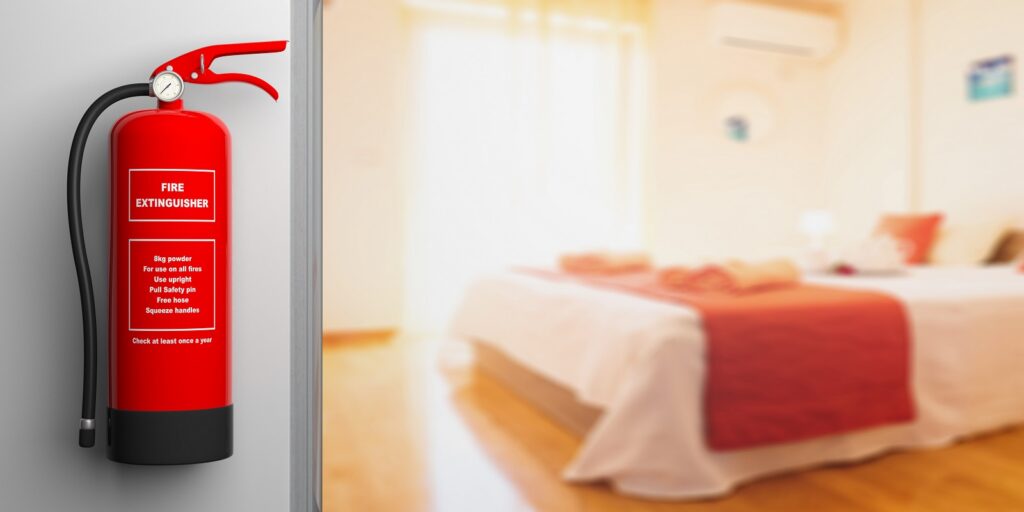
Fire extinguishers are your second line of defense, but only if they’re accessible and you know how to use them properly.
Strategic Positioning:
- Mount extinguishers on every level of your home, particularly near high-risk areas
- Place one in the kitchen (the origin point for most home fires)
- Install one near the garage and workshop areas
- Keep one on each floor near exit routes for easy escape access
Choosing the Right Type: Select multi-purpose ABC fire extinguishers for your Plymouth Meeting home. These handle three fire classes: ordinary combustibles (wood, paper), flammable liquids (grease, gasoline), and electrical fires. Look for products bearing labels from independent testing laboratories like UL or FM.
Critical Usage Reminder: Fire extinguishers are designed for small, contained fires only think a pan fire or small trash can blaze. If flames reach the ceiling, smoke fills the room, or you’re unsure about fighting the fire, evacuate immediately and call 911. Your life is always more valuable than property.
Creating Your Family Fire Escape Plan
A fire safety checklist for homeowners isn’t complete without a detailed, practiced escape plan. When fire strikes, you typically have less than two minutes to escape safely. That’s not the time to figure out logistics.
Essential Escape Plan Components:
- Multiple Exit Routes: Identify two ways out of every room, especially bedrooms. Windows can serve as secondary exits ensure they open easily and screens can be removed quickly.
- Designated Meeting Spot: Choose a specific outdoor location where everyone will gather a mailbox, specific tree, or neighbor’s driveway. This allows you to quickly account for all family members and inform firefighters if anyone is missing.
- Emergency Contact Protocol: Ensure everyone knows how to call 911 and can provide your Plymouth Meeting address clearly, including street names and any relevant landmarks.
- Special Considerations: Plan for family members with mobility challenges, young children, or pets. Assign a capable family member to assist anyone who needs help evacuating.
- Stop, Drop, and Roll: Teach every household member this crucial technique for clothing fires. Practice it until it becomes instinctive.
Practice Makes Perfect: Run fire drills twice yearly schedule them on your calendar just like alarm testing. Practice at different times, including nighttime when people might be disoriented. Time your evacuation and look for ways to improve. Make it engaging for children by turning it into a game while emphasizing the serious importance.
Room-by-Room Fire Prevention Guide
Kitchen Fire Safety
The kitchen is ground zero for residential fires. Cooking equipment accounts for nearly half of all home fires and 44% of home fire injuries, according to NFPA data.
Prevention Strategies:
- Never leave cooking unattended, especially when frying, grilling, or broiling
- Keep flammable items (dish towels, wooden utensils, food packaging) away from the stovetop
- Roll up loose sleeves and avoid flowing clothing while cooking
- Turn pot handles inward to prevent accidental spills
- Keep a lid nearby to smother grease fires never use water on grease fires
- Clean cooking surfaces regularly to prevent grease buildup
- For Plymouth Meeting homes with pets, remove or secure stove knobs when not in use
If a grease fire occurs, turn off the heat, slide a lid over the pan, and leave it covered until completely cool. If the fire spreads beyond the pan, evacuate and call 911 immediately.
Living Room and Bedroom Safety
Fireplace and Chimney Maintenance: Plymouth Meeting’s charming homes often feature traditional fireplaces that require annual professional maintenance. Schedule chimney inspections and cleanings every year, ideally before the heating season begins. Professionals remove dangerous creosote buildup and check for obstructions like bird nests.
Fireplace Safety Practices:
- Install a mesh screen or glass doors to contain sparks and embers
- Keep all furniture, curtains, and decorations at least three feet from the fireplace
- Use only seasoned hardwood cut to appropriate lengths
- Never burn trash, cardboard, or Christmas trees in your fireplace
- Ensure the fire is completely extinguished before leaving the room or going to sleep
- Keep a fireplace screen closed when the fireplace is in use
Space Heater Precautions: During Pennsylvania winters, many Plymouth Meeting residents supplement their heating with space heaters. These devices require vigilant safety practices:
- Maintain a three-foot “safety zone” around heaters no furniture, curtains, bedding, or papers
- Place heaters on flat, stable surfaces where they won’t tip over
- Plug heaters directly into wall outlets, never extension cords
- Choose models with automatic shut-off features if tipped
- Turn off and unplug heaters when leaving rooms or going to sleep
- Regularly inspect cords, plugs, and outlets for heat or damage
Candle Safety: Candles create ambiance but cause an estimated 8,200 home fires annually. If you use candles in your Plymouth Meeting home:
- Never leave burning candles unattended
- Use sturdy, heat-resistant holders on stable surfaces
- Keep candles away from anything flammable
- Extinguish candles before leaving rooms or going to bed
- Consider flameless LED candles as a safer alternative
Electrical and Appliance Safety
Many Plymouth Meeting homes, particularly older properties, may have outdated electrical systems not designed for modern appliance loads.
Electrical Safety Checklist:
- Schedule a professional electrical inspection, especially if your home is over 25 years old
- Replace frayed, damaged, or worn electrical cords immediately
- Never run cords under rugs, carpets, or furniture where damage can go unnoticed
- Avoid overloading outlets with multiple high-wattage appliances
- Install arc-fault circuit interrupters (AFCIs) and ground-fault circuit interrupters (GFCIs)
- Use surge protectors for electronics, but never “daisy-chain” power strips
- Unplug appliances when not in use, especially heat-producing devices like irons and hair styling tools
Clothes Dryer Maintenance: Dryer fires account for thousands of home fires annually, primarily due to lint accumulation. For your Plymouth Meeting home:
- Clean the lint filter before and after every load
- Periodically clean lint from the dryer vent and exhaust duct
- Schedule professional dryer vent cleaning annually
- Never leave the dryer running when you’re not home
- Ensure proper outdoor venting (not into attics or crawl spaces)
Garage and Storage Area Safety
Garages present unique fire risks due to stored flammable materials and potential ignition sources.
Garage Fire Prevention:
- Store gasoline, paint thinners, and other flammables in approved containers
- Keep flammable materials on high shelves away from heat sources and electrical panels
- Never use gasoline or flammable liquids for cleaning
- If you spill gasoline, absorb it immediately with cat litter or sawdust, then dispose of it properly
- Avoid storing old mattresses, furniture, or excessive cardboard
- Keep the garage organized to prevent accidental ignition source contact
- Ensure the door between the garage and home is fire-rated and self-closing
Children and Fire Safety Education
If you have children in your Plymouth Meeting home, fire safety education is crucial.
Teaching Fire Safety:
- Store matches and lighters in locked, high cabinets
- Avoid using lighters or matches in front of young children who may imitate
- Teach children that fire tools are for adults only
- Explain what to do if they hear a smoke alarm (leave immediately, don’t hide)
- Practice “stop, drop, and roll” and crawling low under smoke
- If age-appropriate, teach children how to call 911 and provide your address
Warning Signs: Check under beds and in closets for burned matches or evidence of fire play. If you discover a child has been experimenting with fire, address it immediately with serious education about fire dangers, not just punishment.
Seasonal Fire Safety Considerations for Plymouth Meeting
Winter Fire Prevention
Pennsylvania winters bring increased heating demands and holiday decorations both elevating fire risks.
Winter Safety Priorities:
- Have your furnace professionally inspected and serviced annually before heating season
- Keep space heaters away from all combustibles
- Never use your oven or stovetop to heat your home
- Check that all exterior vents (dryer, furnace, water heater) aren’t blocked by snow
- If using a fireplace, burn only appropriate materials and maintain proper clearances
- Inspect holiday lights for damage before decorating
- Keep fresh Christmas trees well-watered and away from heat sources
- Turn off decorative lights before leaving home or going to bed
Spring and Summer Safety
Warmer months bring outdoor activities that carry their own fire risks.
Warm Weather Precautions:
- Inspect and clean your grill before use; maintain it away from structures and overhangs
- Never leave grills unattended while hot
- Properly store and handle charcoal and lighter fluid
- Be cautious with outdoor fire pits check local Plymouth Meeting ordinances
- Keep lawns and landscaping maintained to reduce wildfire fuel near your home
- Store pool chemicals properly according to manufacturer guidelines
- If you smoke, always use deep ashtrays and ensure cigarettes are completely extinguished
What to Do After a Fire: PuroClean’s Expert Guidance
Despite your best prevention efforts, fires can still occur. Knowing what steps to take immediately after a fire can minimize damage and speed recovery.
Immediate Post-Fire Actions
Safety First:
- Only return to your property after fire officials declare it safe
- Be aware of structural damage weakened floors, walls, or ceilings
- Watch for hot spots that could reignite
- Avoid contact with soot and ash, which can be toxic
Document Everything:
- Contact your insurance company immediately to report the fire
- Take photographs and videos of all damage
- Make a detailed list of damaged or destroyed items
- Save receipts for any immediate expenses (temporary housing, food, clothing)
- Do not discard damaged items until the insurance adjuster has inspected them
Professional Fire and Smoke Damage Restoration
This is where PuroClean becomes your trusted partner in recovery. Fire damage extends far beyond visible flames—smoke, soot, and water from firefighting efforts create complex restoration challenges.
Why Choose Professional Restoration:
Fire and smoke damage restoration requires specialized knowledge, equipment, and techniques. PuroClean’s certified technicians serving Plymouth Meeting and Montgomery County understand:
- Smoke and Soot Behavior: Different materials burn differently, creating various types of soot that require specific cleaning approaches
- Odor Elimination: Smoke odors penetrate porous materials and require professional deodorization techniques, not just air fresheners
- Water Damage Mitigation: Firefighting water can cause secondary damage, mold growth, and structural issues if not properly dried
- Content Restoration: Many items you might consider lost can be professionally cleaned and restored
- Structural Repairs: From minor repairs to major reconstruction, restoration professionals coordinate the entire recovery process
PuroClean’s Comprehensive Approach:
When you contact PuroClean for fire and smoke damage restoration in Plymouth Meeting, you receive:
- Rapid Emergency Response: Available 24/7 because fire doesn’t wait for business hours
- Thorough Assessment: Complete evaluation of fire, smoke, soot, and water damage
- Professional Mitigation: Immediate actions to prevent further damage and secure your property
- Contents Pack-Out: Careful inventory, cleaning, and storage of salvageable items
- Complete Restoration: From cleaning and deodorization to reconstruction and final repairs
- Insurance Coordination: Assistance with documentation and claims process
The PuroClean Promise:
As your local restoration experts, PuroClean combines national resources with local knowledge of Plymouth Meeting properties and community needs. We understand Pennsylvania building codes, work with local contractors, and prioritize getting you back home as quickly as possible.
Fire Safety Resources for Plymouth Meeting Homeowners
Local Emergency Services:
- Emergency: 911
- Plymouth Township Fire Department: Serving the community with dedication
- Montgomery County Emergency Management: Regional coordination and resources
Additional Resources:
- National Fire Protection Association (NFPA): Educational materials and statistics
- U.S. Fire Administration: Home fire safety resources and data
- Red Cross: Fire preparedness and recovery assistance
Professional Services:
- Electrical inspections for older homes
- Chimney sweep and inspection services
- HVAC maintenance and inspection
- Fire extinguisher sales and training
Conclusion: Your Fire Safety Checklist Starts Today
Creating a comprehensive fire safety checklist for your Plymouth Meeting home isn’t a one-time task it’s an ongoing commitment to protecting what matters most. Every smoke alarm you test, every escape plan you practice, and every prevention measure you implement significantly reduces your family’s fire risk.
The statistics are sobering: thousands of home fires occur annually, causing billions in damage and devastating loss of life. But these numbers don’t have to include your family. By following this checklist and making fire safety a priority, you’re taking control of your home’s protection.
Start today:
- Walk through your home with this checklist
- Test your smoke and carbon monoxide alarms
- Create or update your family escape plan
- Schedule necessary maintenance (chimney cleaning, electrical inspection, dryer vent cleaning)
- Eliminate fire hazards you’ve been meaning to address
And remember: if fire damage does occur despite your best efforts, you don’t face recovery alone. PuroClean stands ready to help Plymouth Meeting homeowners restore their properties and lives after fire and smoke damage.
Don’t wait until it’s too late. Contact PuroClean today for a consultation about fire damage prevention or restoration services. Our local team is here 24/7 to serve Plymouth Meeting and surrounding Montgomery County communities. Call us now or visit our website to learn how we can help protect and restore your most valuable investment your home.
Frequently Asked Questions About Fire Safety for Homeowners
Q: How often should I replace smoke detectors in my Plymouth Meeting home?
A: Replace all smoke alarms every 10 years from the manufacture date, regardless of whether they appear to function properly. Internal sensors degrade over time, reducing effectiveness. Replace batteries twice yearly and test alarms monthly. If an alarm doesn’t respond properly to testing at any point, replace it immediately. Consider upgrading to interconnected alarms with 10-year sealed batteries for maximum protection.
Q: What type of fire extinguisher should I keep in my home?
A: Choose multi-purpose ABC fire extinguishers for residential use. These handle Class A fires (ordinary combustibles like wood and paper), Class B fires (flammable liquids), and Class C fires (electrical equipment). Place one in the kitchen, one on each floor, and one near the garage. Ensure everyone in your household knows the PASS technique: Pull the pin, aim at the base of the fire, Squeeze the handle, and Sweep side to side. Remember, extinguishers are only for small, contained fires if in doubt, evacuate and call 911.
Q: How can I make my fire escape plan work for family members with mobility challenges?
A: Assign a capable family member to assist anyone with mobility limitations during evacuation. Place mobility devices (wheelchairs, walkers, canes) near beds for quick access. Consider installing escape ladders for second-floor bedrooms if necessary. Alert your local fire department about household members with special needs so responders are prepared. Practice your escape plan regularly, making adjustments as needed. Keep bedroom doors closed at night to slow fire spread and provide more escape time. If evacuation isn’t possible, close the door, seal gaps with towels, call 911, and signal from a window.
Q: What should I do immediately after a small kitchen fire that I successfully extinguished?
A: Even after successfully extinguishing a small fire, take these important steps: Keep everyone away from the area and ventilate your home by opening windows and doors. Do not turn off ventilation fans. Inspect the area carefully for any hot spots or smoldering materials that could reignite. Consider calling the fire department anyway they can verify the fire is completely out and inspect for hidden fire spread. Document the incident with photos for insurance purposes. Contact PuroClean for professional assessment, as smoke and soot damage may be more extensive than visible, and odors require professional treatment. Have any damaged appliances or electrical components inspected by professionals before using them again.
Q: How often should I have my chimney cleaned in Plymouth Meeting, and why is it necessary?
A: Schedule professional chimney inspection and cleaning annually, ideally before the heating season begins in fall. Pennsylvania’s cold winters mean extended fireplace use, leading to creosote buildup a highly flammable tar-like substance that accumulates on chimney walls. Creosote can ignite, causing dangerous chimney fires that may spread to your home’s structure. Annual cleaning removes this hazard along with blockages like animal nests, leaves, or debris. Professional inspectors also check for structural damage, proper draft, and cap condition. Regular maintenance prevents carbon monoxide problems and ensures safe, efficient fireplace operation throughout winter.
Q: Does homeowners insurance cover fire damage, and when should I call a restoration company like PuroClean?
A: Most homeowners insurance policies cover fire damage to your dwelling and belongings, though specific coverage varies by policy. Review your policy to understand your coverage limits, deductibles, and any exclusions. Contact your insurance company immediately after a fire most require prompt notification. Call PuroClean as soon as fire officials clear you to return to the property, even before the insurance adjuster arrives. Quick action prevents secondary damage from smoke residue, soot corrosion, and water from firefighting efforts. PuroClean works directly with insurance companies, documents damage thoroughly, and begins mitigation immediately to minimize total loss. We can often save items that might otherwise be considered total losses, reducing your overall claim and helping you recover faster.


