 PuroClean of Plymouth Meeting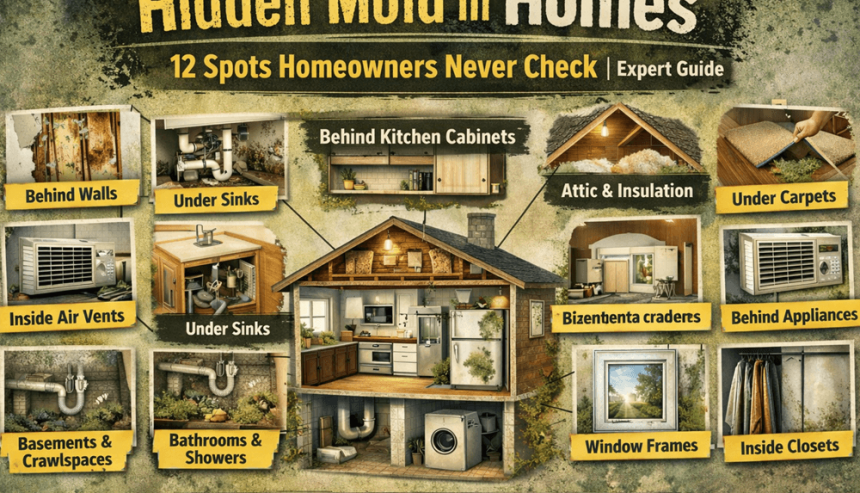
Table of Contents
Discover 12 surprising places mold grows that most homeowners overlook. Expert-backed tips to find hidden mold, prevent health risks, and protect your home’s value.
Mold isn’t just unsightly it’s a serious health hazard that affects indoor air quality and can cause respiratory issues, allergic reactions, and even structural damage to your home. While most homeowners diligently check obvious spots like bathroom tiles and window sills, mold often thrives in hidden areas that rarely see the light of day.
As a homeowner, understanding where mold secretly grows is your first line of defense. This comprehensive guide reveals the most commonly overlooked mold hotspots based on professional mold inspection data and building science research.
Why Hidden Mold Is So Dangerous
Before we explore these secret hiding spots, it’s important to understand why hidden mold poses unique risks. Unlike visible mold growth, concealed mold can:
- Spread extensively before detection, making remediation more expensive
- Release spores into your HVAC system, contaminating your entire home
- Cause persistent health symptoms without an obvious source
- Compromise structural materials like wood framing and drywall
- Reduce your home’s resale value if discovered during inspections
According to the Environmental Protection Agency (EPA), mold needs just three things to grow: moisture, organic material, and temperatures between 40-100°F. Your home provides plenty of all three, especially in areas you don’t regularly inspect.
1. Hidden Mold in Homes: Inside Your HVAC System and Air Ducts
Your heating and cooling system is one of the most common yet overlooked mold breeding grounds. Condensation forms naturally within HVAC components, creating ideal conditions for mold growth. When your system runs, it can distribute mold spores throughout every room in your house.
Check these specific areas:
- Evaporator coils and drip pans
- Air handler cabinets
- Ductwork, especially at joints and bends
- Air filters and filter housings
Prevention tip: Change HVAC filters every 1-3 months, schedule annual professional maintenance, and ensure your drip pan drains properly. Consider installing a UV light system in your air handler to inhibit mold growth.
2. Hidden Mold in Homes: Behind and Under Your Refrigerator
The space behind your refrigerator combines moisture from the defrost cycle with darkness and poor ventilation. The drip pan, which collects condensation, often goes unchecked for years, becoming a mold paradise.
What to inspect:
- The drip pan beneath the unit
- Water supply lines to ice makers
- The area where the refrigerator meets the wall
- Floor surfaces underneath
Prevention tip: Pull out your refrigerator twice yearly to clean the drip pan with a bleach solution (1 cup bleach per gallon of water) and vacuum the coils. Check for any water pooling or dampness.
3. Hidden Mold in Homes: Inside Your Washing Machine
Front-loading washers are particularly susceptible to mold growth in the rubber door gasket, but all washing machines can harbor hidden mold in places you can’t easily see.
Problem areas include:
- Rubber door seals and folds
- Detergent and fabric softener dispensers
- The drum’s exterior and interior surfaces
- Drain hoses and pump filters
Prevention tip: Leave the door open after each use to allow moisture to evaporate. Run a cleaning cycle monthly with white vinegar or a commercial washing machine cleaner. Wipe down rubber seals after every load.
4. Hidden Mold in Homes: Under Bathroom and Kitchen Sinks
Cabinet interiors beneath sinks remain dark and often damp from plumbing leaks, condensation, or cleaning product spills. Many homeowners only look under sinks when retrieving items, missing early signs of mold growth.
Inspect these spots:
- Around pipe connections and shutoff valves
- Cabinet floors and walls
- The underside of the sink basin
- Behind stored items that block airflow
Prevention tip: Install moisture sensors under sinks, check for leaks monthly, and avoid storing items directly against cabinet backs where air can’t circulate. Fix even minor plumbing leaks immediately.
5. Hidden Mold in Homes: Window Air Conditioner Units
Window AC units are mold magnets. They pull in outdoor air, create condensation, and often sit unused for months with moisture trapped inside.
Where mold hides:
- Evaporator and condenser coils
- Drain channels and pans
- Air filters and intake vents
- The space between the unit and window frame
Prevention tip: Remove and clean window units at the end of each cooling season. Store them in a dry location after ensuring they’re completely dry. Before reinstalling, clean thoroughly and check that drain holes aren’t blocked.
6. Hidden Mold in Homes: Attic Spaces and Roof Valleys
Your attic may seem dry, but roof leaks, ice dams, and inadequate ventilation create moisture problems that go unnoticed until mold has spread extensively across insulation and wood framing.
Critical inspection points:
- Around roof penetrations (vents, chimneys, skylights)
- Along roof valleys where water concentrates
- Attic insulation for water staining or discoloration
- Roof decking and rafters, especially near eaves
Prevention tip: Inspect your attic twice yearly, especially after heavy rains or snow. Ensure adequate ventilation with proper soffit and ridge vents. Address any roof leaks immediately, even if they seem minor.
7. Hidden Mold in Homes: Crawl Spaces and Basement Rim Joists
Crawl spaces often have poor ventilation and ground moisture that creates persistent dampness. Basement rim joists, where your home’s floor structure meets the foundation, are cold surfaces prone to condensation.
Check for mold:
- On floor joists and subfloring
- Crawl space vapor barriers
- Foundation walls and sill plates
- Around basement windows and band joists
Prevention tip: Install a proper vapor barrier in crawl spaces, ensure adequate ventilation or consider encapsulation. In basements, insulate rim joists properly to prevent condensation and use a dehumidifier to maintain humidity below 50%.
8. Hidden Mold in Homes: Behind Wallpaper and Wall Panels
Wallpaper creates a perfect sandwich for mold growth it’s organic material that traps moisture against drywall. Vinyl wallpapers are especially problematic because they’re non-breathable.
Mold indicators:
- Discoloration or dark spots showing through wallpaper
- Peeling or bubbling wallpaper
- Musty odors in rooms with wallpaper
- Water stains on walls or ceilings
Prevention tip: If you have wallpaper in moisture-prone areas like bathrooms or kitchens, consider removing it in favor of mold-resistant paint. If you notice any water damage, remove affected wallpaper immediately to check for mold growth underneath.
9. Hidden Mold in Homes: Inside Closets Against Exterior Walls
Closets on exterior walls, especially those in bedrooms or basements, often lack air circulation and can develop condensation when warm indoor air meets cold wall surfaces.
Where to look:
- The back wall of the closet
- Corners where two exterior walls meet
- Behind stored clothing or boxes
- On leather goods, shoes, and fabrics
Prevention tip: Don’t pack closets tightly against exterior walls. Leave space for air circulation, and consider installing a small battery-operated fan. Avoid storing items in cardboard boxes, which absorb moisture and promote mold growth.
10. Hidden Mold in Homes: Chimney Interiors and Fireplaces
Chimneys are exposed to rain and snow from above while creating condensation from temperature differences. The combination of moisture and creosote creates an ideal mold environment.
Problem areas:
- Chimney flue interiors
- Behind fireplace mantels
- Chimney chase interiors (for prefab fireplaces)
- Around chimney flashing on the roof
Prevention tip: Have your chimney inspected and cleaned annually by a certified chimney sweep. Ensure your chimney cap is intact and functioning. Check for water stains on ceilings or walls near the chimney.
11. Hidden Mold in Homes: Under Carpeting and Carpet Padding
Spills, pet accidents, flooding, and condensation on concrete floors can all create moisture beneath carpets where you can’t see it. Carpet padding acts like a sponge, holding moisture against the floor.
Warning signs:
- Musty odors when entering a room
- Visible staining or discoloration on carpet
- Carpet that feels damp or spongy
- Persistent allergy symptoms in carpeted rooms
Prevention tip: Address any water incidents immediately by pulling back carpet and padding to dry thoroughly. Use moisture meters to confirm complete drying. In basements, consider alternative flooring like luxury vinyl or tile rather than wall-to-wall carpet.
12. Hidden Mold in Homes: Inside Your Dishwasher
Like washing machines, dishwashers create warm, moist environments perfect for mold. The rubber door gasket and filter areas remain damp between cycles.
Inspect these components:
- Door gasket and seal
- Filter assembly and sump area
- Spray arms and nozzles
- Around the door latch mechanism
Prevention tip: Wipe down the door gasket after each cycle, clean the filter monthly, and run an empty cycle with white vinegar quarterly. Leave the door slightly ajar between uses to promote drying.
How to Conduct a Thorough Mold Inspection
Now that you know where mold hides, here’s how to check these areas effectively:
Gather your tools: Flashlight, mirror, moisture meter, screwdriver (for accessing panels), protective gloves, and N95 mask.
Follow your nose: Mold produces distinctive musty, earthy odors. If you smell it, investigate thoroughly.
Look for visual clues: Mold appears as black, green, white, or orange spots or patches. Also watch for water stains, discoloration, warping, or bubbling on surfaces.
Check humidity levels: Use a hygrometer to measure indoor humidity. Levels consistently above 60% indicate mold risk.
Document findings: Take photos of any suspected mold for professional evaluation or insurance purposes.
When to Call a Professional
While homeowners can handle small mold spots (less than 10 square feet) with proper precautions, professional mold remediation is necessary when:
- Mold covers more than 10 square feet
- Mold has affected HVAC systems or ductwork
- You have health conditions that make you vulnerable
- Mold returns repeatedly after cleaning
- You discover mold in structural materials like framing
- Mold resulted from sewage or contaminated water
Professional mold inspectors use moisture meters, thermal imaging cameras, and air quality testing to identify hidden mold you might miss.
Final Thoughts: Prevention Is Your Best Defense
The key to preventing hidden mold is controlling moisture and maintaining vigilance. Most mold problems begin with small water issues that go unaddressed. By checking these 12 commonly overlooked areas twice yearly and addressing moisture problems immediately, you can protect your home’s structural integrity, preserve indoor air quality, and safeguard your family’s health.
Remember that mold remediation costs increase exponentially when problems go undetected. A $200 plumbing repair today can prevent a $10,000 mold remediation project tomorrow. Make these inspections part of your regular home maintenance routine your lungs and your wallet will thank you.
About the Author: This guide is based on current EPA guidelines, CDC recommendations, and professional mold inspection standards. For specific mold concerns in your home, consult with certified mold inspectors or remediation specialists in your area.


 PuroClean of Plymouth Meeting