


Table of Contents
Older homes in Plymouth Meeting, Pennsylvania, have a lot of character from their classic architecture to their time-tested craftsmanship. But beneath that charm, many of these properties silently harbor one of the most destructive forces a homeowner can face: hidden water damage. Unlike a burst pipe that demands immediate attention, hidden water damage works quietly behind walls, under floors, and above ceilings often going undetected for months or even years before it becomes a major, costly problem.
If you own or are considering purchasing an older home in Plymouth Meeting, understanding the warning signs of hidden water damage is essential to protecting your investment, your health, and your family’s safety.
People Also Read : When Water Won’t Wait: Your Complete Guide to Emergency Water Damage Mitigation
Why Older Plymouth Meeting Homes Are Especially Vulnerable to Hidden Water Damage
Plymouth Meeting’s housing stock includes a significant number of homes built in the mid-20th century and earlier. These older structures were constructed with materials and methods that simply don’t hold up as well over time compared to modern building standards. Aging galvanized steel pipes, original cast-iron drains, older roofing materials, and outdated waterproofing techniques all create multiple points of entry for moisture.
Unlike newer construction that incorporates modern vapor barriers, water-resistant building wraps, and updated plumbing systems, older Plymouth Meeting homes can develop hidden water damage in places that are difficult to inspect without professional tools. Add in the region’s seasonal weather cold winters, wet springs, and humid summers and the conditions are ideal for moisture to quietly infiltrate a home’s structure.
People Also Read : Why Choose PuroClean for Water Damage Restoration in Southampton PA.
1. Musty Odors: A Classic Sign of Hidden Water Damage
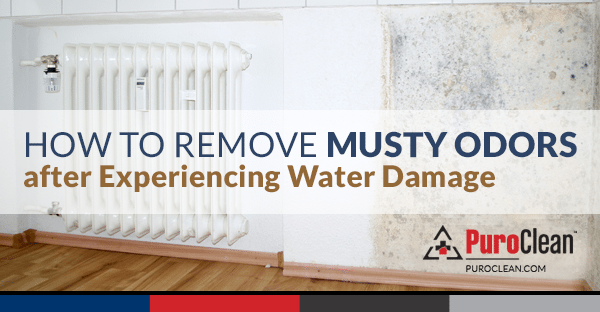
One of the earliest and most telling indicators of hidden water damage is a persistent musty or earthy smell. This odor is typically caused by mold and mildew that thrive in dark, damp environments exactly the kind created by hidden water damage inside walls, beneath flooring, or in crawl spaces.
In older Plymouth Meeting homes, this musty scent is often dismissed as simply “old house smell.” However, homeowners should never ignore a persistent musty odor. If you walk into a room especially a basement, bathroom, or kitchen and detect this smell without an obvious cause, it’s time to investigate for hidden water damage beneath the surface.
2. Stains and Discoloration Indicating Hidden Water Damage
Yellow, brown, or copper-colored stains on ceilings, walls, or floors are a textbook warning sign of hidden water damage. Water that seeps through a roof, a faulty pipe, or an aging window seal will leave mineral deposits behind as it dries, creating these telltale marks.
In Plymouth Meeting’s older homes, look carefully at:
- Ceiling tiles or drywall for water rings or staining
- Areas beneath windows for rust-colored streaks
- Basement walls for white chalky deposits (known as efflorescence), which signal that water is moving through the masonry
Even if a stain appears dry, it doesn’t mean the hidden water damage has resolved itself. The source of moisture may still be active, continuing to cause structural harm you cannot see.
3. Warping, Buckling, or Soft Spots: Structural Signs of Hidden Water Damage
Wood is highly susceptible to moisture, and in older Plymouth Meeting homes, wood-framed floors, subflooring, baseboards, and window frames are prime targets for hidden water damage. When wood absorbs moisture over time, it begins to warp, swell, or deteriorate from the inside out.
Watch for these structural red flags:
- Floors that feel soft, spongy, or bounce underfoot especially in bathrooms or kitchens
- Hardwood flooring that is cupping (edges curving upward) or crowning (center raised)
- Baseboards or door frames that appear warped or bowed
- Cabinets under sinks that show swelling or separation at the joints
These physical deformities are strong indicators of hidden water damage that has been present long enough to compromise the integrity of the structural materials.
4. Peeling Paint and Bubbling Wallpaper Signal Hidden Water Damage
Paint and wallpaper that bubble, peel, or blister are often reacting to moisture trapped behind the surface a hallmark of hidden water damage. In many older Plymouth Meeting homes, multiple layers of paint have been applied over decades, which can initially mask this problem. But over time, the moisture will win.
Pay particular attention to:
- Bathroom walls near the tub or shower
- Kitchen walls near the sink or dishwasher
- Any exterior-facing wall that might be exposed to driving rain or snow
If you notice paint lifting from the wall or wallpaper separating at the seams without explanation, hidden water damage behind the surface should be your first suspicion.
5. Mold Growth: The Visible Face of Hidden Water Damage
Visible mold growth whether it appears as black specks, green patches, or fuzzy white clusters is a direct result of hidden water damage creating a wet environment for spores to thrive. While mold can sometimes be seen on walls or ceilings, it is just as often hidden within wall cavities, under flooring, or in the attic.
In Plymouth Meeting’s older homes, mold from hidden water damage is a particularly serious concern because older construction materials like plaster, older drywall, and untreated wood are highly porous and provide ideal growing conditions. Beyond property damage, mold poses significant health risks, particularly for children, the elderly, and anyone with respiratory conditions.
If you spot mold in one area, assume there may be additional hidden water damage and mold growth in areas you cannot see without opening up walls or flooring.
6. Unexpected Increases in Water Bills Point to Hidden Water Damage
A sudden, unexplained spike in your water bill is often one of the earliest economic signals of hidden water damage caused by a slow leak within your home’s plumbing system. Older Plymouth Meeting homes frequently have aging supply lines, corroded fittings, or pinhole leaks in copper pipes that allow water to drip quietly inside walls or under slabs.
If your water usage habits haven’t changed but your bill has gone up significantly, consider calling a plumber who can use pressure testing and leak detection technology to identify hidden water damage sources within your plumbing system.
7. Cracks in Walls or Foundations: Serious Hidden Water Damage Warning Signs
While all homes settle over time, significant or growing cracks in walls, ceilings, or foundations can indicate that hidden water damage has been undermining the structural integrity of the home. In Plymouth Meeting’s older homes, foundation walls made of stone, brick, or poured concrete can absorb water during heavy rains, and freeze-thaw cycles in winter can worsen existing cracks allowing more moisture to infiltrate.
Look for:
- Horizontal cracks in foundation walls (especially concerning, as they can signal lateral pressure)
- Stair-step cracks in brick or block foundations
- Cracks near windows or doors that are growing over time
When combined with other signs like efflorescence or a musty smell, these cracks are a strong indicator of ongoing hidden water damage in the foundation or lower structure of the home.
8. Rust Stains and Corrosion Around Pipes Reveal Hidden Water Damage
In older Plymouth Meeting homes that still have original galvanized steel or cast-iron plumbing, rust stains around pipe fittings, under sinks, or on basement ceilings are a red flag for hidden water damage caused by slow, long-term leaks. Rust forms where metal meets persistent moisture, and its presence almost always indicates that water has been escaping from a pipe or joint for some time.
Even small amounts of corrosion on pipe connections can indicate a hidden water damage situation that, left unchecked, will worsen into a significant leak or pipe failure.
9. Sagging Ceilings and Swollen Drywall From Hidden Water Damage
A ceiling or wall that appears to be sagging, bulging, or feels soft to the touch has almost certainly been compromised by hidden water damage. In Plymouth Meeting homes with older plaster-and-lath ceilings, significant water infiltration from above can cause the plaster keys to break down, leading to large sections of ceiling material separating from the structure above.
This is both a property damage issue and a safety hazard. A ceiling that has absorbed significant water from hidden water damage can collapse unexpectedly and cause injury.
What to Do If You Suspect Hidden Water Damage in Your Plymouth Meeting Home
If you’ve noticed any combination of the above warning signs, it’s important to act promptly. Hidden water damage rarely resolves itself it typically worsens over time and becomes increasingly expensive to remediate.
Here are the recommended steps:
Get a professional inspection. A certified water damage restoration specialist or home inspector with moisture detection tools (infrared cameras, moisture meters) can identify hidden water damage that isn’t visible to the naked eye.
Address the source first. Before any remediation begins, the source of the hidden water damage must be identified and repaired — whether that’s a roof leak, plumbing failure, or foundation crack.
Remediate mold promptly. If hidden water damage has led to mold growth, professional mold remediation is often necessary, especially in older homes where mold may have spread extensively behind walls.
Document everything. Photograph all signs of hidden water damage and keep records of all inspections and repairs for insurance purposes and future sale disclosures.
Protecting Your Plymouth Meeting Home From Future Hidden Water Damage
Prevention is always less costly than remediation. Homeowners in Plymouth Meeting can take proactive steps to reduce the risk of hidden water damage, including regular roof inspections, maintaining gutters and downspouts, ensuring proper grading around the foundation, and updating aging plumbing systems before they fail.
Older homes in Plymouth Meeting are treasures worth preserving — but staying ahead of hidden water damage is essential to ensuring they remain safe, structurally sound, and valuable for generations to come. If you have any doubt about the condition of your home, don’t wait. The earlier hidden water damage is caught, the simpler and less expensive the solution will be.


