 PuroClean of Plymouth Meeting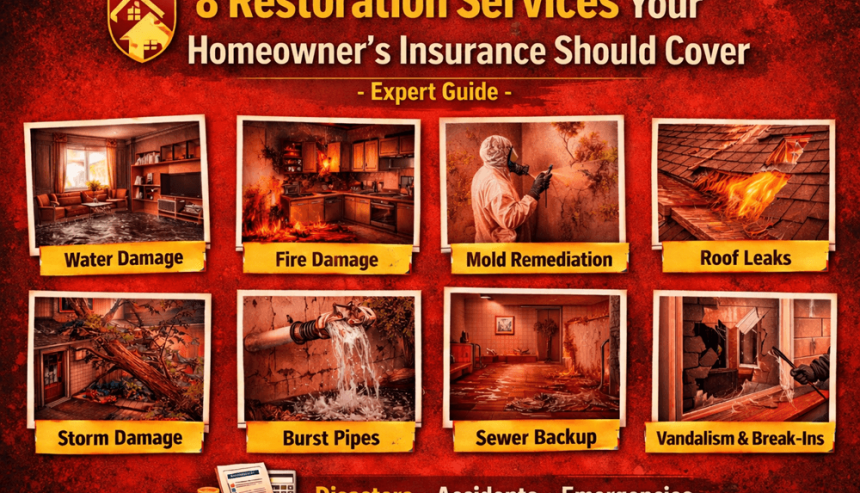
Table of Contents
When disaster strikes your home, knowing what your homeowner’s insurance restoration coverage includes can mean the difference between full recovery and financial hardship. Most homeowners pay their premiums faithfully but remain unclear about which restoration services their policy actually covers.
Understanding your coverage isn’t just about reading your policy it’s about knowing how to leverage it when you need it most. This comprehensive guide explains the restoration services that standard homeowner’s insurance policies typically cover, helping you protect your investment and navigate the claims process with confidence.
Why Understanding Your Restoration Coverage Matters
Property damage rarely happens at convenient times, and the costs of professional restoration can quickly escalate into tens of thousands of dollars. According to the Insurance Information Institute, the average homeowner’s insurance claim for water damage and freezing exceeds $11,000, while fire damage claims average over $75,000.
Without proper knowledge of your homeowner’s insurance restoration coverage, you might:
- Accept inadequate settlement offers from adjusters
- Pay out-of-pocket for covered services
- Fail to document damage properly, weakening your claim
- Miss critical deadlines for filing claims
- Settle for substandard restoration work
Your insurance policy is a contract designed to return your home to its pre-loss condition. Knowing exactly what restoration services fall under this obligation empowers you to advocate for complete and proper repairs.
1. Water Damage Restoration and Extraction
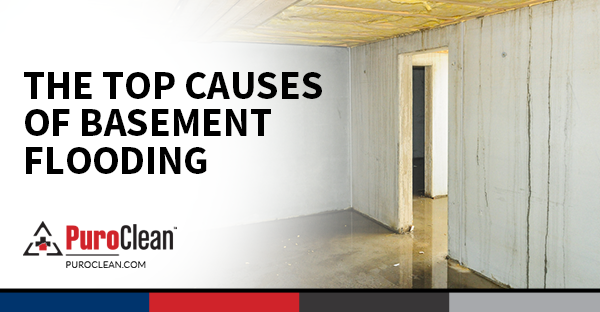
Water damage restoration is one of the most common claims under homeowner’s insurance restoration coverage. When sudden and accidental water intrusion occurs, your policy typically covers the full scope of water removal and restoration.
What’s usually covered:
- Emergency water extraction and removal
- Industrial dehumidification and drying equipment
- Moisture detection and monitoring
- Antimicrobial treatments to prevent mold
- Removal and disposal of water-damaged materials
- Structural drying of walls, floors, and ceilings
Covered scenarios include:
- Burst pipes and plumbing failures
- Appliance malfunctions (washing machine overflow, water heater rupture)
- Roof leaks from storm damage
- HVAC system leaks
- Accidental discharge from sprinkler systems
Important exclusions: Gradual leaks, flooding from external sources (requires separate flood insurance), and maintenance-related issues typically aren’t covered.
Maximization tip: Document everything immediately with photos and videos. Water damage worsens rapidly, so file your claim within 24-48 hours and request emergency mitigation services while waiting for adjuster approval.
2. Fire and Smoke Damage Restoration
Fire damage restoration represents some of the most comprehensive homeowner’s insurance restoration coverage available. Policies typically cover not just the visible fire damage but also the pervasive effects of smoke and soot.
Covered restoration services:
- Emergency board-up and security services
- Soot and smoke removal from all surfaces
- Odor elimination using thermal fogging or ozone treatment
- Content cleaning and restoration
- Structural demolition and debris removal
- Complete rebuilding of damaged areas
- HVAC system cleaning to remove smoke particles
What triggers coverage:
- Fires from any cause (cooking accidents, electrical faults, lightning strikes)
- Smoke damage from neighboring properties
- Damage from firefighting efforts (water, axes, ventilation)
Hidden coverage: Many homeowners don’t realize their policy covers additional living expenses (ALE) during restoration, including hotel stays, meals, and storage for belongings.
Maximization tip: Don’t discard anything without documenting it first. Insurance companies require proof of loss, and smoke-damaged items may be restorable through professional cleaning services covered by your policy.
3. Mold Remediation Following Covered Events
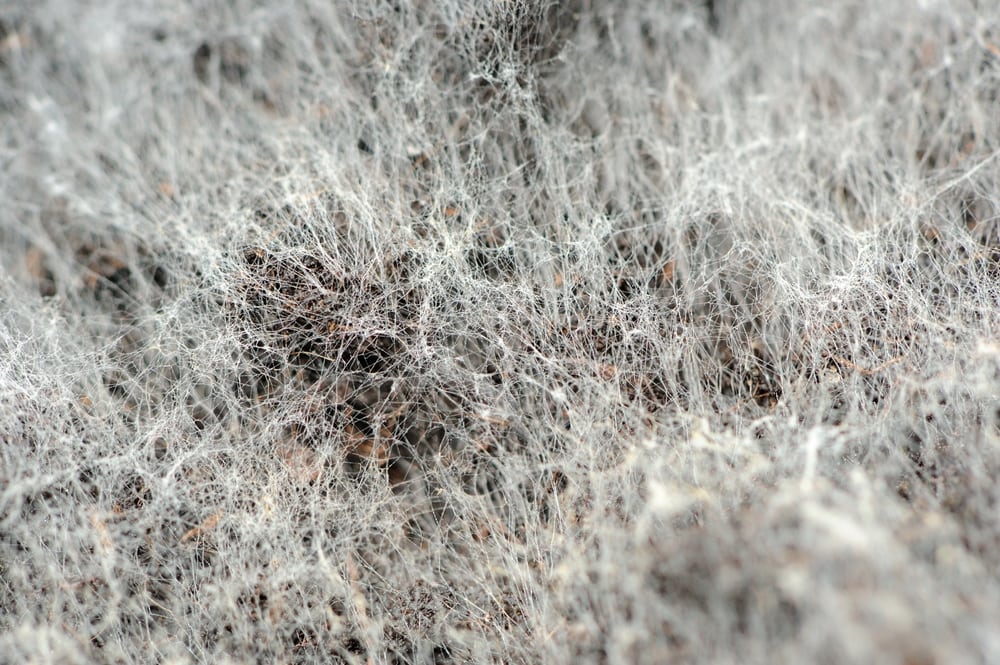
Mold remediation occupies a gray area in homeowner’s insurance restoration coverage, but policies generally cover mold removal when it results directly from a covered peril like a burst pipe or storm damage.
Typically covered mold services:
- Mold inspection and testing
- Containment to prevent spread
- HEPA air filtration during remediation
- Removal of mold-infested materials
- Antimicrobial application
- Post-remediation verification testing
Coverage conditions: Most policies limit mold coverage to $1,000-$10,000 and require that:
- Mold resulted from a covered peril (sudden water damage)
- You took reasonable steps to mitigate damage
- The claim was filed promptly
What’s excluded: Mold from long-term moisture problems, poor maintenance, or flooding typically isn’t covered.
Maximization tip: Act immediately when water damage occurs. The faster you mitigate, the less likely mold will develop beyond your policy limits. Request professional mold assessment as part of your initial water damage claim.
4. Storm and Wind Damage Restoration
Storm damage restoration is a fundamental component of homeowner’s insurance restoration coverage, protecting your home from nature’s unpredictable forces.
Covered restoration work:
- Emergency tarping and weatherproofing
- Roof repair or replacement
- Siding and exterior wall restoration
- Window and door replacement
- Gutter and downspout repair
- Tree removal when trees fall on structures
- Interior damage from roof breaches
Covered storm events:
- High winds and tornadoes
- Hail damage
- Lightning strikes
- Falling trees and branches (from wind)
- Rain damage through wind-created openings
Common disputes: Wind vs. flood damage determination, cosmetic vs. functional damage (especially with roofs), and depreciation for aging roofs.
Maximization tip: Get multiple contractor estimates and understand the difference between Replacement Cost Value (RCV) and Actual Cash Value (ACV) in your policy. Push for RCV settlements when possible.
5. Vandalism and Break-In Restoration
When your home suffers from criminal activity, homeowner’s insurance restoration coverage extends to repairing the damage and securing your property.
Covered restoration services:
- Glass replacement for broken windows and doors
- Lock replacement and security upgrades
- Graffiti removal from exterior surfaces
- Drywall and structural repairs
- Door and frame replacement
- Cleanup of debris and damaged property
What’s included:
- Forced entry damage
- Intentional destruction of property
- Graffiti and defacement
- Damage from theft attempts
Additional benefits: Most policies cover stolen property under personal property coverage and will pay for temporary security measures like boarding up windows.
Maximization tip: File a police report immediately it’s typically required for vandalism claims. Document all damage thoroughly before making emergency repairs, though don’t delay securing your property.
6. Sewage Backup Cleanup and Restoration
Sewage backup restoration often requires specific endorsement to your homeowner’s insurance restoration coverage, but when included, it provides essential protection against this hazardous situation.
Covered restoration includes:
- Hazardous waste removal and disposal
- Sanitization and disinfection
- Removal of contaminated materials (drywall, flooring, insulation)
- Professional cleaning of salvageable items
- Structural drying and dehumidification
- Odor elimination
Typical coverage scenarios:
- Sewer line backups into your home
- Septic system failures
- Sump pump failures (if covered by endorsement)
Important note: This coverage usually requires a specific endorsement or rider, typically costing $40-$100 annually for $5,000-$10,000 in coverage.
Maximization tip: Sewage is Category 3 water (grossly contaminated), so restoration professionals must follow strict protocols. Ensure your insurer authorizes a certified restoration company experienced in biohazard cleanup.
7. Structural Drying and Dehumidification Services
Professional structural drying is a critical but often misunderstood aspect of homeowner’s insurance restoration coverage, particularly following water damage events.
What this service involves:
- Placement of commercial-grade dehumidifiers
- High-velocity air movers for accelerated drying
- Moisture monitoring with thermal imaging and meters
- Daily documentation of drying progress
- Wall cavity drying using specialized equipment
- Extended equipment rental (typically 3-7 days)
Why it’s essential: Visible water represents only part of the problem. Without proper structural drying, moisture trapped in walls, subfloors, and cavities leads to mold growth, wood rot, and structural compromise.
Coverage details: This service is typically covered as part of water damage mitigation when the water intrusion resulted from a covered peril. Insurance companies recognize that proper drying prevents more extensive future claims.
Maximization tip: Don’t accept surface drying as sufficient. Insist on moisture readings that meet industry standards (IICRC S500 guidelines) before equipment removal. Document all readings for your records.
8. Emergency Board-Up and Temporary Repairs
Emergency mitigation services are a often-overlooked element of homeowner’s insurance restoration coverage that protects both your property and your insurer’s financial interests.
Covered emergency services:
- Board-up of broken windows and doors
- Temporary roof tarping
- Emergency fence repairs for security
- Temporary power and utility shutoffs
- Emergency tree removal from structures
- Temporary weatherproofing
When these services apply: After any covered loss that leaves your home vulnerable to additional damage, weather exposure, or security breaches including fires, storms, vandalism, or fallen trees.
Coverage framework: Most policies explicitly require homeowners to take reasonable steps to prevent further damage. Emergency mitigation services fall under this obligation and are covered even before claim approval.
Cost considerations: While covered, insurers may have preferred vendors or pricing limits. Emergency services cost more than standard work, so:
- Get authorization when possible (though don’t delay critical security measures)
- Keep detailed receipts
- Photograph conditions before and after temporary repairs
Maximization tip: Understand the difference between temporary emergency repairs (covered immediately) and permanent restoration (requires adjuster assessment). Don’t make permanent repairs before documentation unless absolutely necessary for safety.
How to Maximize Your Homeowner’s Insurance Restoration Coverage
Understanding what’s covered is only half the battle. Here’s how to ensure you receive full benefits:
Document everything meticulously: Take photos and videos from multiple angles, create detailed inventories, and maintain a file of all communications with your insurer and contractors.
Act quickly but deliberately: File claims promptly (most policies require “prompt” notification), but don’t rush into settlements. You typically have one year to supplement claims if additional damage appears.
Understand your policy structure: Know your deductible, coverage limits, whether you have RCV or ACV coverage, and any specific endorsements or exclusions. Request a complete copy of your policy if you don’t have one.
Hire reputable restoration professionals: Work with certified, licensed, and insured restoration companies. Check credentials through organizations like the IICRC (Institute of Inspection, Cleaning and Restoration Certification).
Consider a public adjuster for large claims: For extensive damage, public adjusters work for you (not the insurance company) and typically increase settlement amounts by 20-30%, though they charge 5-15% of the settlement.
Don’t accept the first offer blindly: Initial estimates often miss hidden damage. Get independent assessments and don’t sign releases until you’re confident all damage is identified.
Common Coverage Gaps and How to Address Them
Even comprehensive homeowner’s insurance restoration coverage has limitations. Be aware of these common gaps:
Flood damage: Standard policies exclude flooding from external sources. Purchase separate flood insurance through NFIP or private insurers.
Earthquake damage: Requires separate earthquake insurance or endorsement in most states.
Gradual damage: Maintenance issues, slow leaks, and wear-and-tear aren’t covered. Document when sudden issues occur.
Ordinance and law coverage: Building code upgrades required during restoration may not be fully covered without this endorsement.
Extended replacement cost: If rebuilding costs exceed your coverage limit due to market conditions, this endorsement provides additional protection.
Red Flags: When Insurers May Deny Coverage
Protect your homeowner’s insurance restoration coverage by avoiding these common claim denials:
Delayed reporting: Most policies require prompt notification. File within days, not weeks or months.
Lack of maintenance: Document regular home maintenance. Insurers can deny claims resulting from neglect.
Pre-existing damage: Damage that existed before your policy inception isn’t covered.
Excluded perils: Read your policy’s exclusion section carefully. Earth movement, war, nuclear hazards, and intentional damage are commonly excluded.
Policy lapses: Maintain continuous coverage. Even brief lapses can void claims for events during the gap.
Questions to Ask Your Insurance Agent
Don’t wait for disaster to understand your homeowner’s insurance restoration coverage. Ask these questions during your next policy review:
- What’s my deductible for different types of claims?
- Do I have RCV or ACV coverage, and what’s the difference for my claim payout?
- What’s my coverage limit for dwelling, and is it sufficient for current construction costs?
- Do I need endorsements for sewage backup, sump pump failure, or water backup?
- What are my coverage limits for mold remediation?
- Does my policy cover additional living expenses, and for how long?
- What’s my responsibility for emergency mitigation?
- How does depreciation affect my claim settlement?
The Bottom Line: Know Your Rights and Coverage
Your homeowner’s insurance policy is one of your most valuable financial protections, but only if you understand and properly utilize your homeowner’s insurance restoration coverage. The eight restoration services outlined here represent core protections in most policies, but individual coverage varies based on your specific policy, endorsements, and state regulations.
Review your policy annually, document your home’s condition, maintain detailed records of improvements and maintenance, and don’t hesitate to advocate for complete restoration when disaster strikes. Insurance companies have professional adjusters working to minimize payouts you deserve equally professional representation of your interests.
Remember that restoration coverage exists to return your home to its pre-loss condition. Don’t settle for less than the complete, professional restoration services your premiums have purchased. When in doubt, consult with restoration professionals, public adjusters, or insurance attorneys to ensure you receive the full benefits of your homeowner’s insurance restoration coverage.
About This Guide: This article is based on standard homeowner’s insurance policies (HO-3) common across the United States. Coverage varies by carrier, state regulations, and individual policy endorsements. Always consult your specific policy documents and insurance professional for details about your homeowner’s insurance restoration coverage.
Connect With PuroClean
Stay informed about property protection, restoration tips, and emergency preparedness:

 PuroClean of Plymouth Meeting