 PuroClean of Plymouth Meeting
Table of Contents
What Is MRSA?
MRSA (Methicillin-resistant Staphylococcus aureus) is a dangerous type of staph bacteria that has developed resistance to common antibiotics like methicillin, penicillin, and amoxicillin. This resistance makes it difficult to treat with standard antibiotics, earning it the label of a “superbug.”
MRSA is not just a hospital-acquired infection anymore. Over the years, it has made its way into the general community, making homes, gyms, and schools’ potential hotspots. Once MRSA enters the body through a cut or open wound, it can cause severe infections that may become life-threatening without prompt treatment.
MRSA (Methicillin-resistant Staphylococcus aureus) is a type of bacteria that has developed resistance to many antibiotics, including methicillin, penicillin, and amoxicillin. Because of its ability to survive treatment, MRSA is often called a “superbug.”
CDC Estimate:
🧬 94,000 infections annually
💀 19,000 deaths per year – more than from HIV/AIDS
The Rising Threat of MRSA
According to the Centers for Disease Control and Prevention (CDC):
There are approximately 94,000 MRSA infections in the U.S. each year
Around 19,000 people die annually from MRSA-related complications
MRSA-related deaths now exceed HIV/AIDS-related deaths in the United States
MRSA infections are no longer confined to hospitals. In fact, a growing number of infections now occur in everyday environments—like homes and public spaces—where people never thought they’d be at risk.
Community-Associated MRSA (CA-MRSA)
CA-MRSA refers to infections that occur in healthy individuals outside of healthcare settings. These cases are increasing due to shared environments and lack of awareness. People in close contact with others, such as athletes, gym-goers, and students, are particularly vulnerable.
MRSA vs. HIV/AIDS: A Closer Look
A startling comparison based on CDC estimates:
Category
Annual Estimated Cases
MRSA Infections
94,000
MRSA Deaths
19,000
HIV/AIDS Deaths
15,500
This data highlights the serious health threat posed by MRSA, one that often receives less media attention than other public health crises.
How MRSA Spreads
MRSA often lives on the skin or in the nose without causing symptoms. In fact, about 30% of the population carries staph bacteria without knowing it. The bacteria become dangerous only when they enter the body through a cut, wound, or other opening.
Common Transmission Methods of MRSA:
Skin-to-skin contact (e.g., sports or caregiving)
Shared personal items (towels, razors, athletic gear)
Touching contaminated surfaces
Inadequate sanitation in public areas
Unhealed wounds exposed to dirty environments
Once inside the body, MRSA can lead to:
Skin infections
Bloodstream infections
Pneumonia
Surgical site infections
Is Your Home at Risk of MRSA?
While we often think of hospitals when we hear about MRSA, homes can also harbor this dangerous bacterium especially if you’ve recently experienced water damage, sewage backups, or biohazard contamination.
Water Damage and MRSA
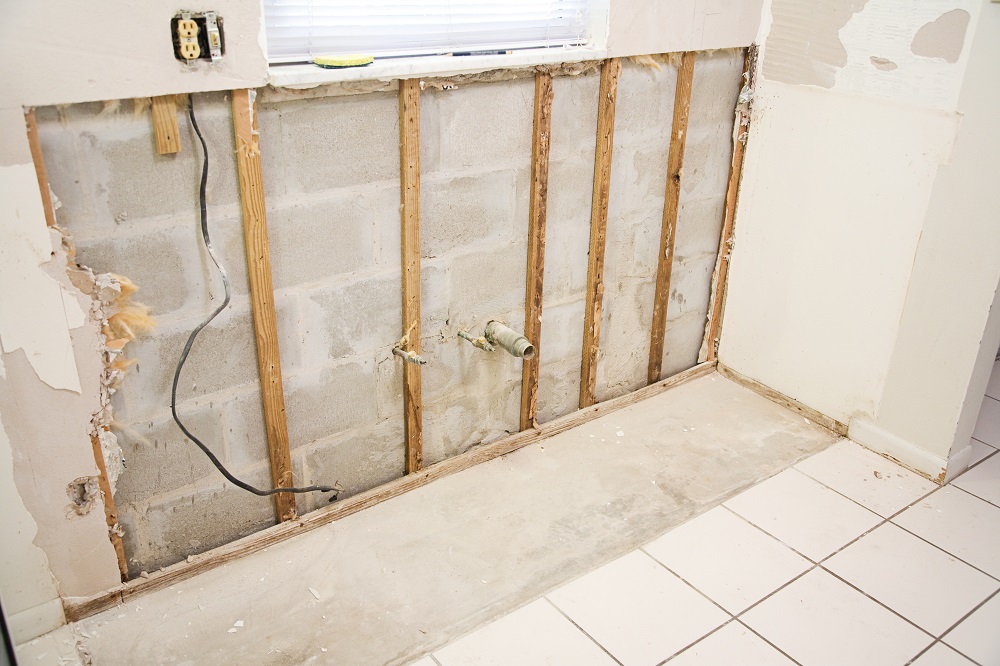
Moist environments are breeding grounds for bacteria. Water damage from flooding, plumbing leaks, or high humidity can create the perfect habitat for MRSA and other pathogens. Without proper remediation, MRSA can linger on walls, floors, furniture, and even personal items.
Common Risk Zones in Homes:
Bathrooms
Kitchens
Basements
Laundry rooms
Bedrooms with poor ventilation
Signs and Symptoms of MRSA
Early detection is key to preventing serious complications. Be alert for the following symptoms:
On the Skin:
Red, swollen areas
Painful or warm to the touch
Pus-filled boils or abscesses
Rapidly growing sores or wounds
Systemic Symptoms:
Fever and chills
Muscle aches
Fatigue
Shortness of breath (if infection spreads to lungs)
Note: Do NOT attempt to pop or squeeze an infected wound. Doing so can cause the bacteria to spread and make the condition worse.
How to Prevent MRSA in Your Home
Personal Hygiene
Wash your hands frequently with soap and water
Keep wounds clean and covered
Avoid touching other people’s wounds
Shower after workouts or physical activity
Environmental Hygiene
Clean high-touch surfaces regularly (door knobs, remotes, light switches)
Disinfect bathrooms and kitchens weekly
Use EPA-approved disinfectants
Wash clothing and towels in hot water
Home Care Best Practices
Don’t share personal hygiene items
Use hand sanitizers with at least 60% alcohol
Keep your living space clutter-free and well-ventilated
Address water leaks immediately
What To Do If You Suspect MRSA Contamination
If you or someone in your household has a confirmed MRSA infection, it’s crucial to:
Notify your doctor and follow prescribed treatments
Avoid contact with others until cleared
Disinfect surfaces and personal items
Call a biohazard remediation company like PuroClean
Professional cleaning goes far beyond wiping down surfaces. MRSA requires deep sanitation and disinfection using EPA-registered antimicrobial products designed specifically for superbugs.
PuroClean of Lansdale’s Rapid Defense Against MRSA
At PuroClean, we provide specialized services to disinfect and sanitize environments affected by MRSA and other pathogens. Our PuroClean RapidDefense™ Program is designed to provide:
Immediate Response: 24/7 emergency service
Advanced Cleaning: Hospital-grade cleaning protocols
Surface Disinfection: EPA-registered antimicrobial solutions
Protection: Up to 90 days of microbial defense on treated surfaces
We serve residential homes, businesses, schools, gyms, and healthcare facilities in and around Lansdale, Harleysville, Hatfield, and Montgomery County.
Why Choose PuroClean?
Certified biohazard remediation specialists
Discreet, professional service
Safe for children, pets, and sensitive environments
Compliance with OSHA and CDC guidelines
SEO Keywords to Rank For:
MRSA cleanup Lansdale
Biohazard disinfection company PA
What kills MRSA in the home
Emergency MRSA cleaning service
EPA-registered MRSA disinfection
Water damage and bacteria risk
Rapid Defense Program MRSA
Final Thoughts: Take MRSA Seriously
MRSA is a life-threatening bacterium that can survive on surfaces in your home for days or even weeks. While it’s easy to overlook, MRSA becomes a serious health risk—especially after a water loss event or in homes with inadequate sanitation.
The best way to protect your family and your property is to act quickly. Don’t wait for symptoms to appear or hope the bacteria clears up on its own.
Call to Action
Contact PuroClean of Lansdale TodayFor expert MRSA cleanup, biohazard disinfection, and water damage remediation:
📞 (267) 642-1220🌐 Visit Our Website🧼 Request a Free Evaluation or Same-Day Service
Let us help you create a safe, clean, and healthy home environment. Don’t wait—call PuroClean now.
Protect Your Investment & Restore Your Peace of Mind
Don’t let water damage and potential mold growth overwhelm you. Contact PuroClean of Plymouth Meeting today at (484) 412-4422 for a free consultation. We’ll be there to guide you through the restoration process and ensure your property is restored quickly, safely, and efficiently.

 PuroClean of Plymouth Meeting