


Table of Contents
Guide on Pennsylvania Flood Prevention
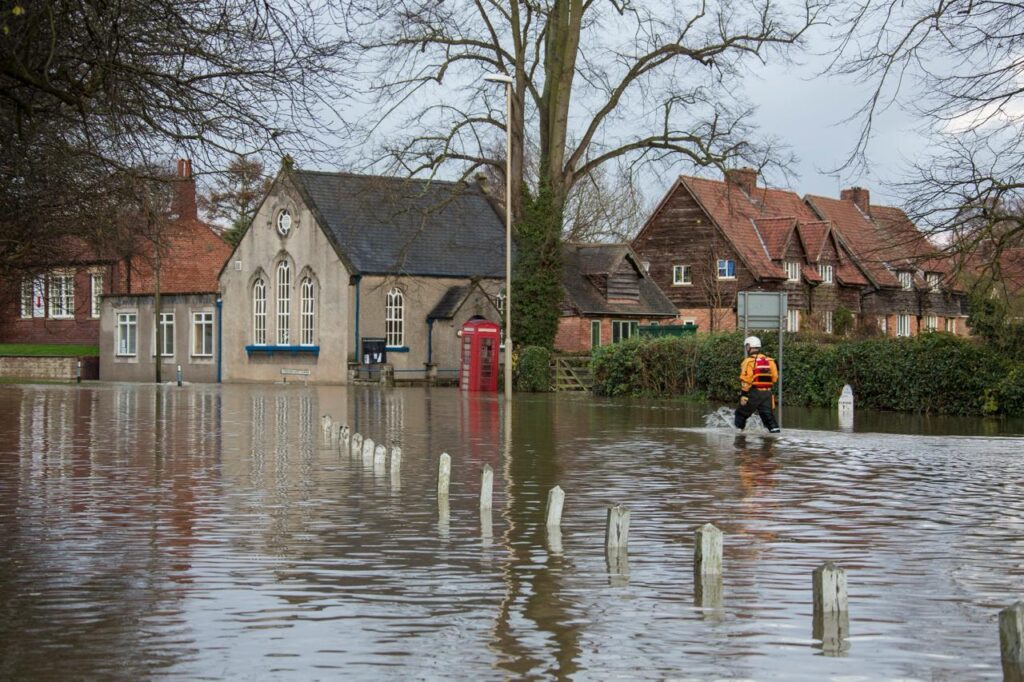
Flooding affects thousands of Pennsylvania homes every year. Whether you live near the Delaware River in Philadelphia or in the mountains of the Poconos, flood risk is real throughout the Commonwealth. This comprehensive guide helps Pennsylvania residents prepare for floods, respond safely during emergencies, and recover effectively afterward.
Why Pennsylvania Floods So Often
Pennsylvania’s unique geography creates perfect conditions for flooding:
Major River Systems: The Susquehanna, Delaware, and Schuylkill Rivers can overflow rapidly during heavy rainfall or spring snowmelt.
Urban Development: Cities like Philadelphia and Pittsburgh have extensive pavement and concrete that prevents water absorption, creating dangerous runoff.
Mountain Geography: The Pocono Mountains and Appalachian regions experience flash floods when storms dump water into valleys.
Climate Patterns: Hurricane remnants frequently bring torrential rains to Pennsylvania. Hurricane Ida in 2021 caused record flooding across southeastern Pennsylvania.
Key Statistics:
- Pennsylvania ranks 4th nationally for flood damage costs
- Flash floods can occur within 30 minutes in mountainous areas
- Urban flooding affects 1 in 4 Philadelphia properties during major storms
Before the Flood: Prevention Strategies
Smart preparation reduces flood damage by up to 80%. Here’s what Pennsylvania homeowners should do:
Step 1: Know Your Risk Level
Check Your Flood Zone: Visit FEMA’s Flood Map Service Center and enter your address.
- Zone A or AE (High Risk): Flood insurance required for mortgaged properties
- Zone X (Moderate Risk): Optional but recommended insurance
- Zone D (Undetermined Risk): Insurance available and advisable
Local Considerations: Even “low-risk” properties can flood. In Pennsylvania, 25% of flood claims come from moderate-to-low risk areas.
Step 2: Home Maintenance for Flood Prevention
Exterior Maintenance:
- Clean gutters and downspouts every spring and fall
- Ensure ground slopes away from your foundation (minimum 6-inch drop over 10 feet)
- Seal foundation cracks with hydraulic cement
- Install window well covers in basements
Interior Preparations:
- Install a sump pump with battery backup ($800-1,500 investment)
- Move water heater, furnace, and electrical panels above potential flood levels
- Store important documents in waterproof containers on upper floors
- Consider a whole-house generator for extended power outages
Step 3: Create Your Family Emergency Plan
Evacuation Routes: Identify multiple routes from your neighborhood that avoid flood-prone roads.
Communication Plan:
- Choose an out-of-state contact person
- Program emergency numbers into all family phones
- Establish meeting points if separated
Emergency Kit Essentials:
- 3 days of water (1 gallon per person per day)
- Non-perishable food for 3 days
- Battery-powered radio and flashlights
- First aid kit and medications
- Cash in small bills
- Copies of insurance policies and identification
During the Flood: Safety First
When flooding begins, prioritize safety over property protection.
Immediate Actions
Stay Informed: Monitor local news, weather alerts, and emergency management updates. Sign up for ReadyPA alerts.
Evacuation Decisions:
- Leave immediately if authorities issue evacuation orders
- Don’t wait for water to reach your door
- Take your emergency kit and important documents
Critical Safety Rules:
- Never drive through flooded roads: Just 12 inches of water can carry away a vehicle
- Avoid walking in moving water: 6 inches of moving water can knock adults down
- Stay away from downed power lines: Assume all lines are live
If Trapped at Home
- Move to the highest floor
- Signal for help from upper windows
- Don’t enter attics unless they have roof access
- Call 911 only for life-threatening emergencies
After the Flood: Recovery Steps | Pennsylvania Flood Prevention
The first 72 hours determine your recovery success. Follow these steps in order:
Hours 1-6: Safety Assessment
Before Re-entering Your Home:
- Wait for official all-clear from local authorities
- Check for structural damage from the outside
- Look for gas leaks (sulfur smell) and electrical hazards
- Wear protective gear: boots, gloves, N95 masks
Utility Safety:
- Turn off electricity at the main breaker if water reached electrical outlets
- Shut off gas if you smell leaks or see damaged lines
- Don’t use electrical appliances that got wet until inspected
Hours 6-24: Documentation and Initial Response
Document Everything First:
- Take photos and videos of all damage before moving anything
- Create a written inventory of damaged items with estimated values
- Save receipts for hotels, meals, and emergency purchases
Contact Your Insurance Company:
- Report the claim within 60 days (sooner is better)
- Ask about advance payments for temporary repairs
- Understand what your policy covers (standard homeowner’s insurance doesn’t cover flood damage)
Begin Water Removal:
- Remove standing water with pumps or wet vacuums
- Open windows and doors for air circulation
- Start fans and dehumidifiers immediately
Hours 24-72: Prevent Secondary Damage
Aggressive Drying:
- Remove wet carpeting, padding, and furniture
- Cut out wet drywall up to 12 inches above the water line
- Remove insulation that got wet
- Use industrial fans and dehumidifiers
Prevent Mold Growth:
- Maintain humidity below 50%
- Clean all surfaces with bleach solution (1 cup bleach per gallon of water)
- Discard porous materials that can’t be fully cleaned
Week 1-2: Deep Cleaning and Assessment
Professional Cleaning:
- Hire certified restoration companies for extensive damage
- Consider professional mold testing if musty odors persist
- Have HVAC systems inspected and cleaned
Temporary Repairs:
- Patch roof leaks to prevent additional water damage
- Board up broken windows
- Make temporary electrical repairs with qualified electrician
Rebuilding Stronger
Smart reconstruction prevents future flood damage and can lower insurance costs.
Flood-Resistant Materials
Flooring Options:
- Ceramic or porcelain tile
- Luxury vinyl plank (100% waterproof)
- Polished concrete
- Avoid: Hardwood, laminate, or carpet in flood-prone areas
Wall Materials:
- Closed-cell foam insulation instead of fiberglass
- Moisture-resistant drywall for lower levels
- Vinyl or tile wainscoting up to expected flood levels
Utility Upgrades:
- Relocate furnace, water heater, and electrical panels above flood levels
- Install GFCI outlets throughout lower levels
- Consider tankless water heaters mounted on walls
Mitigation Strategies
Drainage Improvements:
- Install French drains around the foundation
- Create rain gardens to absorb runoff
- Use permeable pavers for driveways and walkways
Structural Options:
- Elevate the entire structure (costly but effective)
- Install flood vents in foundation walls
- Create a sacrificial lower level designed to flood safely
Financial Assistance:
- Apply for FEMA Hazard Mitigation grants
- Check for local mitigation programs through your county
- Consider SBA disaster loans for improvements
Mental Health and Community Support
Flood recovery affects more than just property it impacts mental health and community bonds.
Emotional Recovery
Common Reactions: Anxiety, depression, and feeling overwhelmed are normal responses to flood trauma.
Coping Strategies:
- Focus on one day at a time
- Celebrate small recovery milestones
- Maintain routines where possible
- Stay connected with family and friends
Professional Support:
- Contact FEMA’s Crisis Counseling Program
- Speak with your primary care doctor
- Consider temporary mental health counseling
Community Resources
Pennsylvania communities have strong support networks:
- Faith Communities: Many churches and religious organizations provide recovery assistance
- Volunteer Organizations: Groups like Team Rubicon help with cleanup and rebuilding
- Neighborhood Support: Local Facebook groups and community organizations often coordinate mutual aid
Essential Pennsylvania Resources
Emergency Management
- Pennsylvania Emergency Management Agency (PEMA): pema.pa.gov
- ReadyPA: ready.pa.gov – Preparedness resources and alerts
- National Weather Service Philadelphia: Weather updates and flood warnings
Financial Assistance
- FEMA Individual Assistance: disasterassistance.gov
- SBA Disaster Loans: Low-interest loans for repairs and improvements
- 211 Pennsylvania: Dial 2-1-1 for local assistance programs
Insurance and Legal
- Pennsylvania Insurance Department: insurance.pa.gov
- National Flood Insurance Program: floodsmart.gov
- Legal Aid Organizations: Free legal help for disaster-related issues
Restoration Services
- Institute of Inspection, Cleaning and Restoration Certification (IICRC): Find certified professionals
- Better Business Bureau: Verify contractor credentials
- Local Emergency Management: Many counties maintain lists of approved contractors
Flood Insurance Essentials for Pennsylvania Residents
Coverage Basics
- Standard homeowner’s insurance does NOT cover flood damage
- 30-day waiting period for new policies (buy before you need it)
- Average cost: $700-900 annually for most Pennsylvania properties
- Coverage limits: Up to $250,000 for structures, $100,000 for contents
Money-Saving Tips
- Preferred Risk Policy: Lower-cost option for moderate-risk properties
- Increased Cost of Compliance: Covers upgrades required by local building codes
- Contents coverage: Separate policy needed for personal belongings
Conclusion: Be Prepared, Stay Safe, Recover Smart
Flooding is a reality of life in Pennsylvania, but proper preparation and response can minimize its impact on your family and property. Remember these key points:
- Know your risk and prepare accordingly
- Safety first during flood events property can be replaced, lives cannot
- Act quickly in the first 72 hours after flooding
- Document everything for insurance and recovery purposes
- Rebuild smarter with flood-resistant materials and mitigation strategies
- Use available resources and don’t try to handle everything alone
For immediate flood emergencies, call 911. For non-emergency flood recovery questions, contact your local emergency management office or the resources listed in this guide.
This guide is provided for informational purposes and reflects best practices as of August 2025. For specific insurance or legal questions, consult with qualified professionals. Always follow guidance from local authorities during flood emergencies.


