


Sewage backups in homes are among the most distressing and potentially hazardous plumbing emergencies homeowners can face. Understanding what causes these backups and knowing how to handle them properly can save you thousands of dollars in damage and protect your family’s health.
This comprehensive guide covers everything you need to know about sewage backup causes, prevention strategies, and emergency response procedures.

Understanding Sewage Backups: The Basics
A sewage backup occurs when wastewater from your home’s drainage system flows back into your living spaces through floor drains, toilets, sinks, or other plumbing fixtures. This contaminated water contains harmful bacteria, viruses, and other pathogens that pose serious health risks to your family.
Sewage backups can range from minor inconveniences to major disasters requiring extensive cleanup and restoration. The key to minimizing damage is understanding the warning signs and taking immediate action when problems arise.
Common Causes of Sewage Backups
1. Blocked Sewer Lines
The most frequent cause of sewage backups is blockages in your home’s main sewer line. These blockages can result from:
Tree Root Infiltration: Tree roots naturally seek water sources and can penetrate small cracks in sewer pipes. Once inside, roots continue growing and create significant blockages that restrict wastewater flow.
Grease and Fat Buildup: Cooking oils, grease, and fats that go down kitchen drains solidify in pipes over time, creating stubborn clogs that trap other debris.
Foreign Objects: Items like wet wipes, feminine hygiene products, children’s toys, and excessive toilet paper can accumulate in pipes and create blockages.
Pipe Deterioration: Older homes with clay or cast iron pipes are particularly susceptible to cracking, collapsing, or developing joint separations that allow debris to accumulate.
2. Municipal Sewer System Problems
Sometimes the issue isn’t with your home’s plumbing but with the city’s sewer infrastructure:
Overwhelmed Storm Drains: During heavy rainfall, combined sewer systems can become overwhelmed, causing sewage to back up into connected homes.
Municipal Line Blockages: Large-scale blockages in city sewer lines can affect entire neighborhoods, causing widespread backup issues.
System Failures: Pump station failures or main line breaks in municipal systems can redirect sewage flow back toward residential properties.
3. Septic System Failures
For homes with septic systems, backups often result from:
Tank Overflow: When septic tanks aren’t pumped regularly, solid waste accumulates and can cause the entire system to back up.
Drain Field Problems: Saturated or damaged drain fields prevent proper wastewater absorption, leading to system backups.
System Age: Older septic systems may have components that fail or become less efficient over time.
4. Structural Issues
Building-related problems can also contribute to sewage backups:
Foundation Settlement: As homes settle over time, sewer lines can shift or develop breaks that allow blockages to form.
Improper Installation: Poorly installed plumbing systems with inadequate slopes or wrong pipe materials are more prone to backup issues.
Damaged Cleanouts: Broken or improperly sealed cleanout caps can allow debris to enter the system.
Warning Signs of Potential Sewage Problems
Recognizing early warning signs can help you address issues before they become major backups:
Slow Draining Fixtures: Multiple drains throughout your home draining slowly simultaneously indicates a main line issue.
Gurgling Sounds: Strange noises from toilets, drains, or appliances when other fixtures are used suggest air displacement in blocked pipes.
Sewage Odors: Persistent sewer smells in your home, especially near floor drains or in basements, indicate potential problems.
Water Level Changes: Toilet water levels that rise or fall unexpectedly can signal main line blockages.
Wet Spots in Yard: Unexplained soggy areas in your lawn, especially near sewer lines, may indicate underground leaks or blockages.
Immediate Steps to Handle Sewage Backups
When you discover a sewage backup, quick action is crucial to minimize damage and health risks:
Safety First
Before addressing the backup, prioritize safety by turning off electricity to affected areas to prevent electrocution risks. Avoid contact with contaminated water and wear protective gear including rubber gloves, boots, and masks if you must enter affected areas.
Stop Water Flow
Locate your home’s main water shutoff valve and turn off water supply to prevent additional sewage from entering your home. Avoid using any plumbing fixtures, washing machines, or dishwashers until the problem is resolved.
Document Everything
Take photographs and videos of the damage for insurance purposes before beginning any cleanup. Make detailed notes about affected areas, damaged belongings, and the extent of contamination.
Contact Professionals
Sewage backups require professional cleanup due to health hazards involved. Contact a licensed plumber to address the underlying cause and a certified water damage restoration company for proper cleanup and sanitization.
Professional Cleanup and Remediation
Sewage backup cleanup involves several critical steps that require professional expertise:
Water Extraction: Specialized pumps and vacuums remove contaminated water from affected areas.
Debris Removal: All contaminated materials, including carpeting, drywall, insulation, and personal belongings, must be properly disposed of according to health regulations.
Sanitization: Professional-grade antimicrobial treatments eliminate harmful bacteria and pathogens from all surfaces.
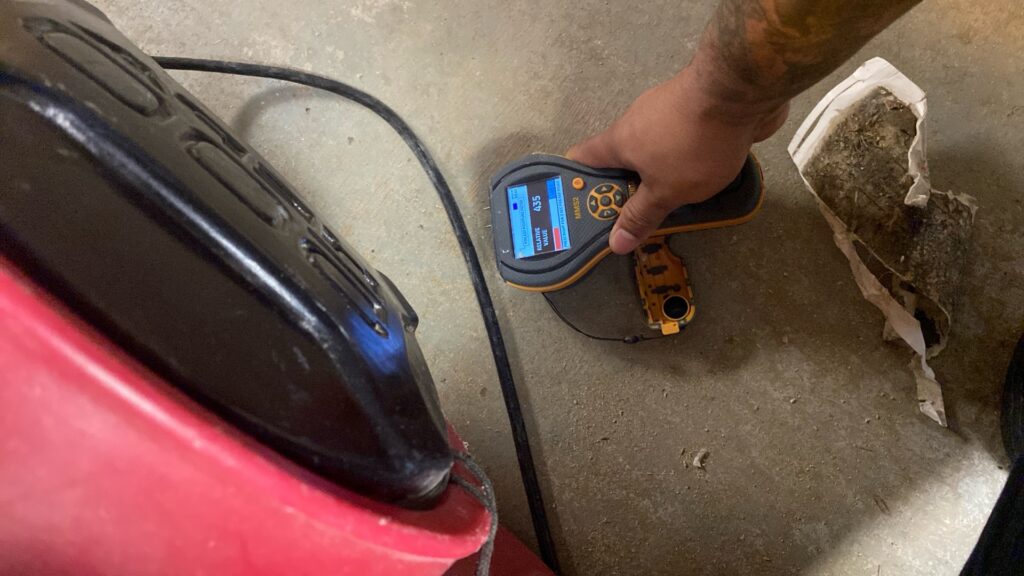
Drying and Dehumidification: Industrial fans and dehumidifiers ensure complete moisture removal to prevent mold growth.
Restoration: Once areas are clean and dry, restoration work can begin to return your home to its pre-loss condition.
Prevention Strategies
Preventing sewage backups is much more cost-effective than dealing with cleanup and restoration:
Regular Maintenance
Schedule annual sewer line inspections using video camera technology to identify potential problems before they cause backups. Have your septic system pumped every three to five years, or as recommended by your service provider.
Proper Disposal Habits
Never flush anything other than toilet paper and human waste down toilets. Dispose of grease and cooking oils in the trash rather than pouring them down drains. Use drain screens to catch hair and debris in bathroom sinks and showers.
Tree Management
Plant trees away from sewer lines and remove existing trees whose roots threaten underground pipes. Consider root barriers if trees must remain near sewer lines.
Install Preventive Equipment
Backwater valves can prevent sewage from flowing back into your home during municipal system overloads. Sump pumps help manage water levels in basements and crawl spaces.
Insurance Considerations
Standard homeowner’s insurance policies typically don’t cover sewage backup damage unless you purchase additional coverage. Sewage backup insurance is relatively inexpensive and can save thousands in cleanup and restoration costs.
Review your policy annually and consider increasing coverage limits if you live in an area prone to sewer problems. Keep detailed records of your home’s plumbing maintenance and any previous issues to support insurance claims.
When to Call Emergency Services
Contact emergency plumbing services immediately if you experience sudden, severe backups affecting multiple fixtures, sewage backing up into living areas, or any situation where contaminated water poses immediate health risks.
Don’t attempt DIY repairs on main sewer lines or septic systems, as improper handling can worsen problems and create additional health hazards.
Conclusion
Sewage backups are serious emergencies that require immediate professional attention. Understanding the causes, recognizing warning signs, and knowing how to respond can help minimize damage and protect your family’s health.
Regular maintenance, proper disposal habits, and appropriate insurance coverage are your best defenses against these costly and dangerous events.
By staying informed and proactive about your home’s plumbing system, you can significantly reduce the risk of experiencing a sewage backup and ensure you’re prepared to handle any issues that do arise.
Remember that professional help is always recommended for sewage-related problems due to the health risks and specialized equipment required for proper cleanup and remediation.
Protect Your Investment & Restore Your Peace of Mind
Don’t let water damage and potential mold growth overwhelm you. Contact PuroClean of Plymouth Meeting today at (484) 412-4422 for a free consultation. We’ll be there to guide you through the restoration process and ensure your property is restored quickly, safely, and efficiently.


