


Table of Contents
When Disaster Strikes in Your Bathroom
You’re hosting family for the holidays when you hear it that unmistakable sound of water rushing where it shouldn’t be. You rush to the bathroom only to find water spilling over the toilet bowl, rapidly spreading across your floor and seeping into the carpet in the hallway. Your heart races as you watch the water creep toward your baseboards.
A toilet overflow is one of the most stressful emergencies a homeowner can face. Beyond the immediate mess, you’re dealing with potential health hazards, structural damage, and the very real possibility of mold growth if the situation isn’t handled properly.
Whether it’s clean water from a simple clog or contaminated water from a sewage backup, knowing how to respond quickly can mean the difference between a minor inconvenience and thousands of dollars in damage.
In this comprehensive guide, we’ll walk you through everything you need to know about toilet overflow cleanup from immediate emergency steps to professional restoration techniques. You’ll learn how to protect your family’s health, prevent permanent damage to your home, and understand when it’s time to call in the experts at PuroClean.
Understanding the Types of Toilet Overflows: Not All Water Is Equal
Before you begin any cleanup effort, it’s critical to understand what type of water you’re dealing with. The restoration industry categorizes water damage into three distinct categories, and each requires a different approach.
Category 1: Clean Water Overflow
This occurs when your toilet overflows with water directly from the supply line essentially tap water that hasn’t been contaminated by waste. This might happen if:
- The tank mechanism malfunctions
- Someone accidentally flushes while the supply valve is being repaired
- A child drops a toy that causes a backup before any waste enters the bowl
While Category 1 water poses the least health risk initially, it can quickly become contaminated if it sits for more than 24-48 hours or comes into contact with soiled surfaces.
Category 2: Gray Water Overflow
This contaminated water contains biological or chemical matter that could cause discomfort or illness if contacted or consumed. A gray water toilet overflow typically involves:
- Water that has been in the bowl but contains minimal solid waste
- Water mixed with cleaning chemicals
- Water that has been sitting for several hours
Gray water requires more careful handling and protective equipment during cleanup.
Category 3: Black Water (Sewage)
This is the most dangerous type of overflow. Black water contains pathogenic agents, harmful bacteria, and potentially toxic substances. This occurs when:
- Your main sewer line backs up into the toilet
- The toilet overflows with solid waste
- Contaminated water has been sitting for days
Never attempt to clean up black water yourself. This requires professional sewage cleanup services with specialized equipment and training.
People Also Read : How to Handle Sewage Backup in a Basement
Immediate Steps: What to Do in the First 10 Minutes
When faced with a toilet overflow, your immediate actions can significantly reduce damage. Here’s your emergency protocol:
1. Stop the Water Flow
Your first priority is preventing more water from entering the space:
- Remove the toilet tank lid and lift the float arm or press down the flapper to stop water from entering the bowl
- Turn off the water supply valve located at the base of the toilet (turn clockwise)
- If you can’t locate the valve or it’s stuck, shut off the main water supply to your home
2. Protect Yourself
Before touching anything:
- Put on rubber gloves (dishwashing gloves at minimum)
- Wear waterproof boots or shoes you can disinfect
- Consider a face mask, especially if dealing with gray or black water
- Keep children and pets away from the affected area
3. Contain the Spread
Water travels fast, especially on hard surfaces:
- Use towels to create barriers preventing water from reaching other rooms
- If water is approaching carpet, use towels to block the transition
- Remove area rugs immediately to prevent them from wicking water
- Lift furniture legs onto aluminum foil or plastic to prevent water absorption
4. Document Everything
Before you start cleanup:
- Take photos and videos of the damage from multiple angles
- Note the time the overflow occurred
- Document affected items and materials
- This evidence is crucial for insurance claims
The Professional Toilet Overflow Cleanup Process: What Actually Works
Many homeowners believe that mopping up the visible water and running a fan is sufficient. Unfortunately, this approach almost always leads to hidden moisture damage, persistent odors, and mold growth within days.
Why Surface Cleaning Isn’t Enough
When Marco Rokos recently experienced a toilet overflow in his home, he did what most homeowners do he cleaned up the visible water and let the carpet dry for several days.
When a carpet cleaning company arrived, they immediately identified that the padding underneath was still saturated. The moisture had wicked deep into the subfloor, creating the perfect environment for microbial growth.
This scenario plays out thousands of times every day across the country. Water doesn’t just sit on surfaces it penetrates, wicks, and spreads through porous materials like:
- Carpet padding and backing
- Hardwood subflooring
- Drywall and insulation (if overflow is extensive)
- Baseboards and trim
- Grout lines in tile flooring
The PuroClean Approach: Comprehensive Water Damage Restoration
Professional toilet overflow cleanup follows a systematic process that addresses both visible and hidden damage:
Step 1: Comprehensive Assessment
Certified technicians use moisture meters and thermal imaging cameras to:
- Identify all affected areas, including hidden moisture
- Determine water category and contamination level
- Assess structural materials for damage
- Create a detailed scope of work
This technology reveals moisture you can’t see or feel, preventing future problems.
Step 2: Water Extraction and Removal
Professional-grade equipment removes water far more effectively than household tools:
- Truck-mounted extraction units pull water from deep in carpet and padding
- Specialized vacuums handle both water and debris
- Extraction continues until moisture readings approach normal levels
Where homeowners might remove 60-70% of water with towels and a shop vacuum, professional equipment can extract 95%+ of standing and absorbed water.
Step 3: Removal of Unsalvageable Materials
This is where many DIY efforts fall short. Certain materials cannot be adequately dried or sanitized:
- Carpet padding almost always requires removal after a toilet overflow
- Drywall that has wicked water more than 18-24 inches typically needs replacement
- Insulation in contact with category 2 or 3 water must be removed
- Baseboards may need removal to allow wall cavities to dry
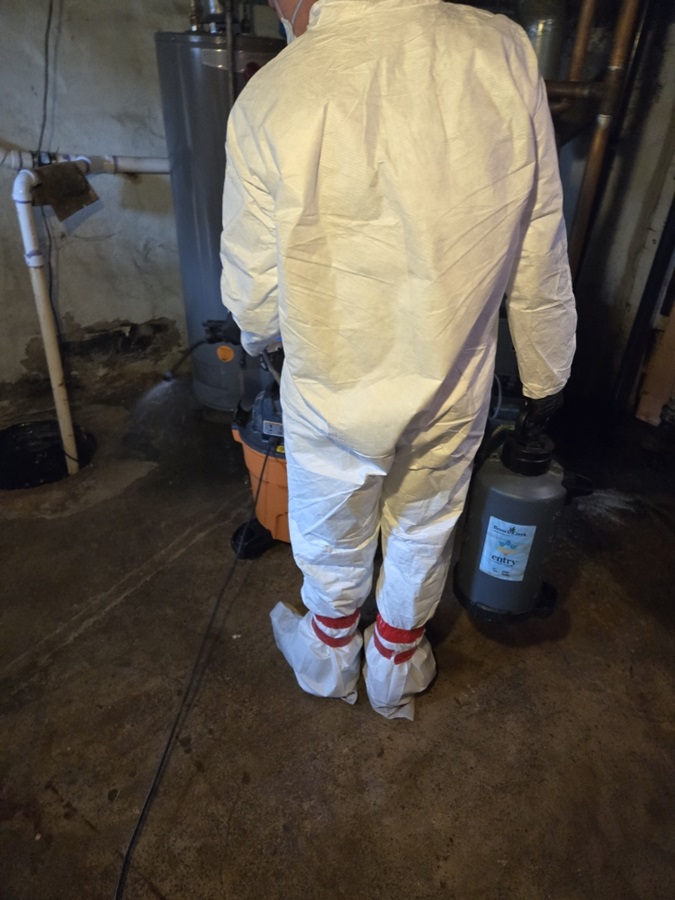
Professionals know exactly what can be saved and what poses ongoing contamination risks.
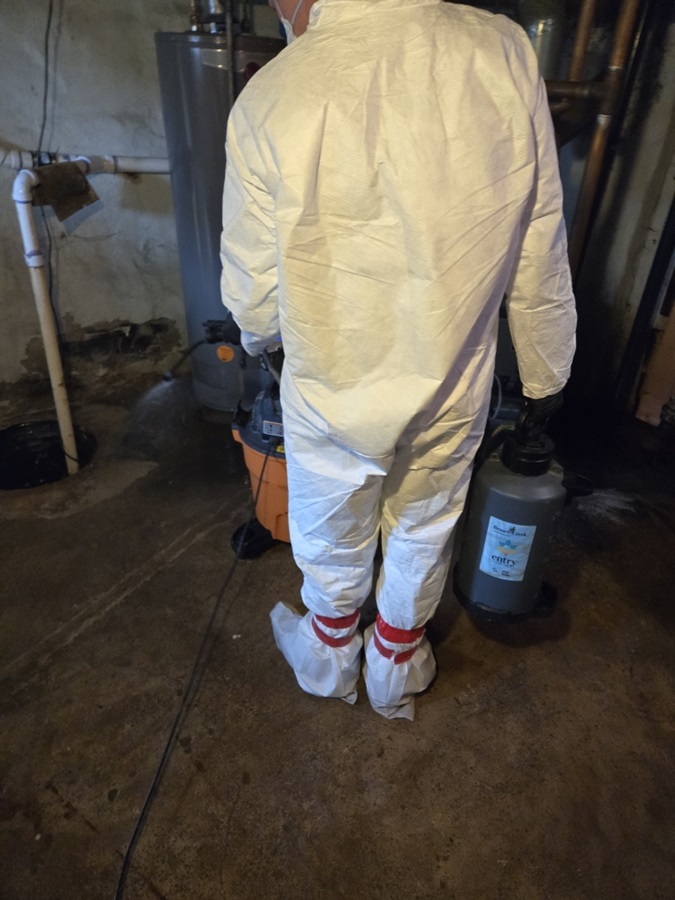
Step 4: Antimicrobial Treatment and Sanitization
For category 2 and 3 water damage, thorough disinfection is non-negotiable:
- EPA-registered antimicrobial solutions kill bacteria, viruses, and pathogens
- Treatment extends to all contacted surfaces, not just visible areas
- Special attention to grout lines, seams, and porous materials
- Air scrubbers remove airborne contaminants
This step protects your family from illness and prevents biological contamination.
Step 5: Strategic Drying and Dehumidification
Professional drying isn’t just about pointing fans at wet spots:
- Commercial air movers are positioned to create optimal airflow patterns
- Industrial dehumidifiers remove moisture from the air, accelerating evaporation
- Equipment runs 24/7 until moisture readings confirm complete drying
- Daily monitoring with moisture meters ensures progress
Complete drying typically takes 3-5 days, depending on the extent of water damage and environmental conditions.
Step 6: Final Verification and Testing
Before any restoration is considered complete:
- Moisture readings must meet industry standards
- Air quality may be tested if contamination was significant
- Visual inspection confirms no visible moisture or damage
- Odor test ensures no lingering smells (which indicate remaining contamination)
Common Mistakes Homeowners Make During Toilet Overflow Cleanup
Understanding what not to do is just as important as knowing the correct procedures.
Mistake #1: Underestimating Contamination
Sarah thought she could handle the cleanup when her toilet overflowed with “mostly clear water.” She mopped the bathroom floor and shampooed the carpet in her hallway.
Three days later, she noticed a foul smell and called PuroClean. Testing revealed bacterial contamination throughout the carpet padding it had to be completely removed and replaced. What could have been a 2-day professional cleanup turned into a week-long restoration project because initial contamination wasn’t properly addressed.
Mistake #2: Relying on Consumer-Grade Equipment
Box fans and household dehumidifiers simply don’t have the power to properly dry structural materials. They might dry the surface, but moisture remains trapped underneath, leading to:
- Mold growth within 24-72 hours
- Wood rot in subflooring
- Delamination of carpet backing
- Musty odors that never quite go away
Mistake #3: Waiting Too Long to Act
Every hour counts after a toilet overflow. Delays lead to:
- Water migrating to additional rooms
- Increased absorption into structural materials
- Higher likelihood of mold colonization
- Greater expense when restoration finally begins
Mistake #4: Not Contacting Insurance
Many homeowners don’t realize their insurance policy covers toilet overflow cleanup, especially when it’s sudden and accidental. They attempt DIY cleanup, don’t document damage properly, and miss the opportunity for coverage.
Health Risks: Why Toilet Overflow Cleanup Requires Special Care
The health implications of improper toilet overflow cleanup extend far beyond the initial mess.
Bacterial and Viral Contamination
Even “clean” toilet water can contain:
- E. coli bacteria
- Salmonella
- Hepatitis A virus
- Norovirus
- Various intestinal parasites
Category 3 sewage backup adds even more dangerous pathogens, including:
- Campylobacter
- Giardia
- Cryptosporidium
- Leptospirosis bacteria
These organisms can cause serious illness, especially in children, elderly individuals, and those with compromised immune systems.
Mold and Fungal Growth
When moisture isn’t completely removed, mold begins growing within 24-48 hours. Common mold species after water damage include:
- Aspergillus (can trigger allergic reactions and respiratory issues)
- Penicillium (produces mycotoxins)
- Stachybotrys (the notorious “black mold”)
Mold exposure causes symptoms ranging from minor allergies to severe respiratory distress.
Chemical Hazards
If cleaning products were in the toilet bowl during overflow, you may be dealing with:
- Bleach compounds
- Acidic toilet cleaners
- Blue toilet fresheners containing harmful dyes
- Mixing residues that can create toxic fumes
This is why proper ventilation and protective equipment are essential.
Prevention: Reducing Your Risk of Future Toilet Overflows
While you can’t prevent every emergency, these strategies significantly reduce your risk:
Regular Maintenance
- Have your plumbing inspected every 2-3 years
- Replace toilet flappers and fill valves every 5 years
- Never ignore a running toilet it indicates a failing mechanism
- Test your toilet’s shut-off valve twice a year to ensure it operates smoothly
Smart Usage Habits
- Use only moderate amounts of toilet paper
- Never flush “flushable” wipes they don’t break down as advertised
- Keep a plunger and toilet auger nearby for quick response
- Teach children what can and cannot be flushed
Know Your Plumbing System
- Locate your main water shut-off valve and ensure everyone in the household knows where it is
- Understand whether you have a septic system or municipal sewer (affects backup risks)
- Be aware of tree roots near your sewer line they can cause recurring backups
- Know your home’s plumbing age older galvanized pipes are more prone to issues
When to Call PuroClean: Professional Help vs. DIY Cleanup
Understanding when you need professional toilet overflow cleanup services protects both your home and your family.
Always Call Professionals If:
- You’re dealing with category 2 or 3 water (any contamination)
- Water has affected carpet and padding
- The overflow has spread to multiple rooms
- Water has been present for more than 24 hours
- You smell sewage or see dark water
- Anyone in your household is immunocompromised
- You notice water stains on ceilings below the overflow
- Your homeowners insurance may cover the damage
You Might Handle It Yourself If:
- It’s confirmed category 1 (clean) water only
- The overflow is contained to hard bathroom surfaces only
- You can thoroughly clean and disinfect within 1-2 hours
- You have no carpet or porous materials affected
- The overflow is very minor (less than a gallon of water)
When in doubt, call a professional. A free inspection from PuroClean can give you peace of mind and often prevents costly mistakes.
The Insurance Angle: Understanding Coverage for Toilet Overflow Damage
Most homeowners don’t realize that toilet overflow cleanup is typically covered under their homeowners insurance policy, but understanding the nuances is important.
What’s Usually Covered
Standard homeowners insurance generally covers:
- Sudden and accidental toilet overflows
- Water damage to floors, walls, and belongings
- Professional water extraction and drying services
- Tear-out and replacement of damaged materials
- Temporary lodging if your home is uninhabitable
What’s Usually NOT Covered
Insurance typically excludes:
- Damage from lack of maintenance
- Gradual leaks that developed over time
- Backup from municipal sewers (unless you have an endorsement)
- Damage to the toilet itself
- Mold growth that results from delayed reporting
Maximizing Your Claim
- Report immediately – Even if you’re unsure about filing a claim, report the incident
- Document thoroughly – Photos, videos, and written notes strengthen your claim
- Save receipts – Keep records of any emergency services or supplies
- Don’t dispose of damaged items – The adjuster may need to see them
- Work with approved vendors – Companies like PuroClean understand the insurance process
PuroClean works directly with all major insurance companies and can help you navigate the claims process, often handling communication with adjusters on your behalf.
The PuroClean Difference: Why Professional Restoration Matters
When you’re facing a toilet overflow emergency, you need more than just a cleanup service you need a restoration partner committed to returning your home to its pre-loss condition.
Our Commitment to Excellence
PuroClean technicians are:
- IICRC Certified in water damage restoration
- Available 24/7/365 for emergency response
- Equipped with commercial-grade extraction and drying equipment
- Trained in proper sanitization protocols for all water categories
- Experienced with insurance claims and documentation
Beyond Cleanup: Complete Restoration
We don’t just remove water we restore your peace of mind:
- Rapid response minimizes damage and costs
- Thorough assessment prevents hidden problems
- Complete documentation supports insurance claims
- Clear communication keeps you informed throughout the process
- Final verification ensures your home is truly dry and safe
Real Stories, Real Results
When a homeowner contacted us after attempting DIY toilet overflow cleanup, our moisture meters detected saturation levels of over 90% in her subflooring despite the carpet feeling “mostly dry” to the touch.
Within 72 hours of beginning professional restoration, moisture levels dropped to less than 12%, preventing what would have been extensive mold damage and potential structural issues.
Conclusion: Don’t Let a Toilet Overflow Become a Disaster
A toilet overflow is stressful, messy, and potentially hazardous but it doesn’t have to result in permanent damage to your home or your family’s health. The difference between a quick recovery and a costly disaster often comes down to two factors: immediate action and professional expertise.
While small, contained overflows of clean water might be manageable with proper DIY cleanup, most toilet overflow situations benefit significantly from professional intervention.
The hidden moisture, contamination risks, and structural concerns simply aren’t worth the gamble when your home and family’s health are at stake.
Remember: what seems dry on the surface might be harboring moisture underneath. What appears to be a simple cleanup might actually require specialized sanitization. And what you think you’ve fixed might be silently growing mold in your walls.
Take Action Now
If you’re currently dealing with a toilet overflow, or if you’ve attempted cleanup but have concerns about odors, moisture, or proper restoration, contact PuroClean today. Our certified technicians are standing by 24/7 to provide:
- Free initial assessments to evaluate your situation
- Rapid emergency response to minimize damage
- Comprehensive water damage restoration using commercial-grade equipment
- Direct insurance billing to simplify the claims process
- Complete peace of mind that your home is safe and dry
Don’t wait for mold to appear or odors to develop. Call PuroClean now at (484) 412-4422 or visit PuroClean (Montgomery, Bucks and Surrounding Counties) | Book now to schedule your free inspection. Because when it comes to toilet overflow cleanup, professional restoration isn’t just smart it’s essential.
Frequently Asked Questions About Toilet Overflow Cleanup
How long does it take to dry out a house after a toilet overflow?
Professional drying typically takes 3-5 days depending on the extent of water damage, affected materials, and environmental conditions. Carpet and padding may dry within 2-3 days with industrial equipment, while drywall and subflooring can take longer. DIY attempts using household fans often take 7-10 days and frequently leave hidden moisture that causes problems later.
Can I get sick from toilet overflow water?
Yes, toilet overflow water poses significant health risks. Even “clean” water from the bowl can contain harmful bacteria like E. coli and Salmonella. Gray water (slightly contaminated) can cause illness if ingested or if it contacts open wounds.
Black water (sewage backup) contains dangerous pathogens that can cause serious infections. Always wear protective equipment during cleanup and seek professional help for contaminated water.
Does homeowners insurance cover toilet overflow damage?
Most homeowners insurance policies cover sudden and accidental toilet overflows, including water extraction, drying, repairs, and damaged belongings.
However, coverage typically excludes damage from lack of maintenance or sewage backup from municipal lines (unless you have a sewer backup endorsement). Report incidents to your insurance company promptly to determine coverage, even if you’re uncertain about filing a claim.
What should I do first when my toilet overflows?
Immediately stop the water flow by lifting the float arm inside the tank or turning off the water supply valve at the toilet’s base. Protect yourself with rubber gloves before touching anything. Contain the water spread using towels as barriers.
Document the damage with photos for insurance purposes. For category 2 or 3 water (contaminated), call professional restoration services immediately rather than attempting cleanup yourself.
How do I know if my carpet can be saved after a toilet overflow?
Carpet can often be saved if it’s exposed to clean water and professional extraction occurs within 24-48 hours. However, carpet padding almost always requires replacement after a toilet overflow because it’s impossible to completely dry and sanitize.
If contaminated water (category 2 or 3) has affected the carpet for more than a few hours, both carpet and padding typically need replacement to prevent health risks and odor problems.
What’s the difference between toilet overflow cleanup and regular water damage restoration?
Toilet overflow cleanup requires additional focus on sanitization and contamination control compared to clean water damage from sources like broken pipes. Professionals use EPA-registered antimicrobial treatments to kill bacteria, viruses, and pathogens present in toilet water. ‘
The restoration process also involves more stringent protective equipment requirements and careful disposal of contaminated materials to protect both technicians and occupants from health hazards.
Protect Your Investment & Restore Your Peace of Mind
Don’t let water damage and potential mold growth overwhelm you. Contact PuroClean of Plymouth Meeting today at (484) 412-4422 for a free consultation. We’ll be there to guide you through the restoration process and ensure your property is restored quickly, safely, and efficiently.


