 PuroClean of Plymouth Meeting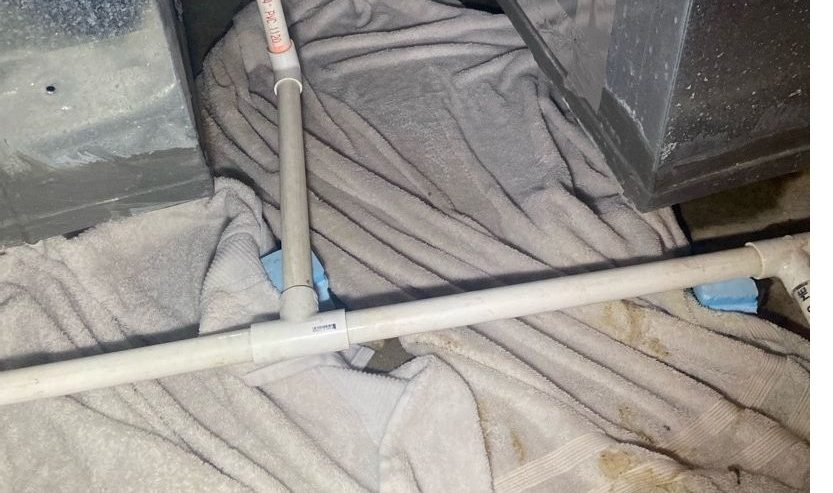
Table of Contents
Emergency Water damage mitigation
Sarah woke to the sound of dripping water not the gentle patter of rain, but an urgent, steady stream coming from somewhere inside her home.
When she flipped on the hallway light, her heart sank. Water was cascading down from the ceiling, pooling on her hardwood floors, and seeping into the walls of her living room below the upstairs bathroom.
Like thousands of homeowners each year, Sarah faced a critical decision in that moment: What do I do right now to stop this from getting worse?
If you’re reading this after discovering water damage in your home, you’re probably asking the same question. Or perhaps you’re here because you want to be prepared to know exactly what to do if disaster strikes. Either way, you’ve come to the right place.
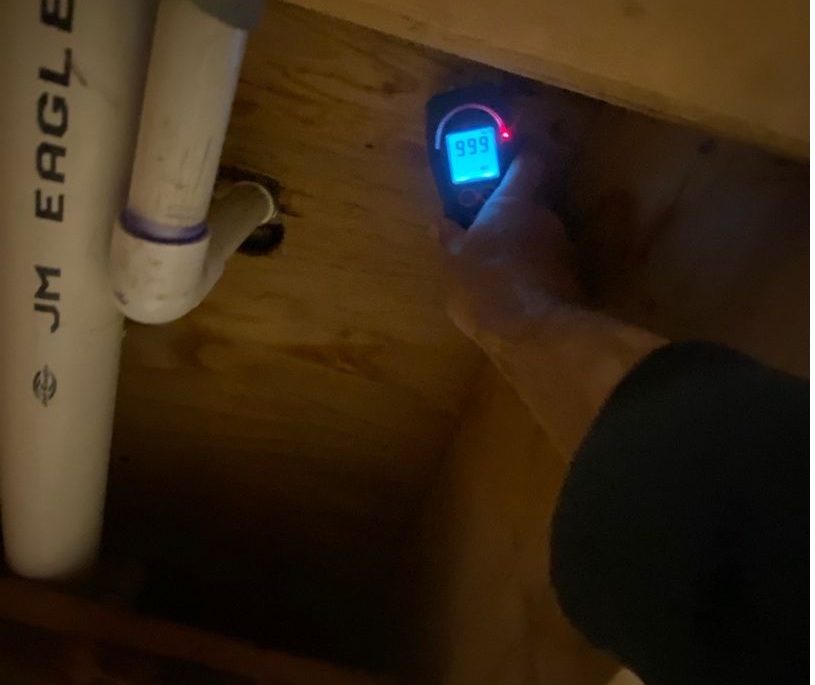
Water damage mitigation isn’t just about cleaning up a mess. It’s a precise, time-sensitive process that can mean the difference between a manageable repair and a catastrophic loss.
In this comprehensive guide, we’ll walk you through everything you need to know about professional water damage mitigation, from the critical first 24 hours to what happens when restoration professionals arrive at your door.
People Also Read :
What Is Water Damage Mitigation and Why Does Time Matter?
Understanding the Mitigation Process
Water damage mitigation is the immediate response to minimize destruction and prevent further loss after water intrudes into your property. Unlike restoration (which comes later and focuses on repairs), mitigation is all about stopping the clock on destruction.
Think of it this way: restoration brings your home back to its pre-loss condition, but mitigation prevents the damage from spreading in the first place. It’s the emergency medical care that stabilizes a patient before surgery critical, time-sensitive, and requiring specialized expertise.
The 24-48 Hour Window: Why Speed Is Everything
Here’s a sobering fact that every homeowner should know: within 24-48 hours of water exposure, mold can begin to grow in your home. Beyond that critical window, the damage escalates dramatically:
- 0-24 hours: Water spreads and absorbs into floors, walls, and furnishings. Wood begins to swell and warp. Drywall starts to break down.
- 24-48 hours: Mold and mildew begin their first stages of growth. Metal surfaces tarnish. Wood furniture swells and cracks. Strong odors develop.
- 48+ hours: Structural damage becomes severe. Mold growth accelerates. Biohazard contamination increases. Restoration costs multiply significantly.
This is why professional water damage mitigation companies operate 24/7/365. When water invades your home, every hour counts.
What Causes Water Damage? Understanding Your Risk
Water damage doesn’t discriminate it can strike any home at any time. Understanding common causes helps you recognize problems early and respond appropriately.
Common Sources of Residential Water Damage
1. Plumbing Failures Burst pipes, leaking toilets, failing water heaters, and deteriorating supply lines account for a significant portion of water damage claims. In the case study at the beginning of this article, a bathroom plumbing issue caused water to cascade through floors, affecting multiple rooms and requiring extensive mitigation.
People Also Read :How a Small Water Leak Can Lead to Major Water Damage If Ignored: The Critical Effects and 5 Pro Restoration Tips
2. Appliance Malfunctions Washing machines, dishwashers, refrigerator ice makers, and HVAC systems all have the potential to leak or catastrophically fail, releasing gallons of water into your living spaces.
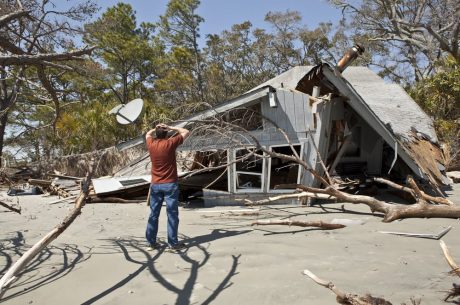
3. Weather Events Heavy rainfall, flooding, ice dams, and wind-driven rain can overwhelm your home’s defenses, causing water intrusion through roofs, windows, foundations, and basement walls.
4. Sewage Backups These represent the most hazardous category of water damage, requiring specialized handling due to contamination concerns.
5. Roof Leaks Damaged shingles, compromised flashing, or deteriorating roof membranes allow water to penetrate your home’s protective envelope, often going unnoticed until significant damage has occurred.
The Professional Water Damage Mitigation Process: What to Expect
When you call a professional restoration company like PuroClean, a carefully orchestrated process begins immediately. Let’s walk through each phase so you know exactly what to expect.
Phase 1: Emergency Contact and Initial Response (0-2 Hours)
The moment you call, the clock starts on your recovery. Here’s what happens:
Immediate Assessment: You’ll speak with an experienced professional who will ask specific questions about the water source, affected areas, safety concerns, and accessibility. This isn’t just customer service it’s crucial information that determines what equipment and expertise the team brings.
Rapid Dispatch: Professional mitigation companies maintain a 2-hour response time goal for emergency situations. Technicians are often on-site within 60-90 minutes of your call.
Initial Communication: The team contacts your insurance company (if applicable) to begin the documentation process and ensure proper protocols are followed from the start.
Phase 2: On-Site Inspection and Damage Assessment
When technicians arrive, they conduct a thorough evaluation:
- Source identification: Locating and stopping the water source (if not already controlled)
- Category determination: Classifying the water as clean (Category 1), gray (Category 2), or black (Category 3) water this determines handling protocols
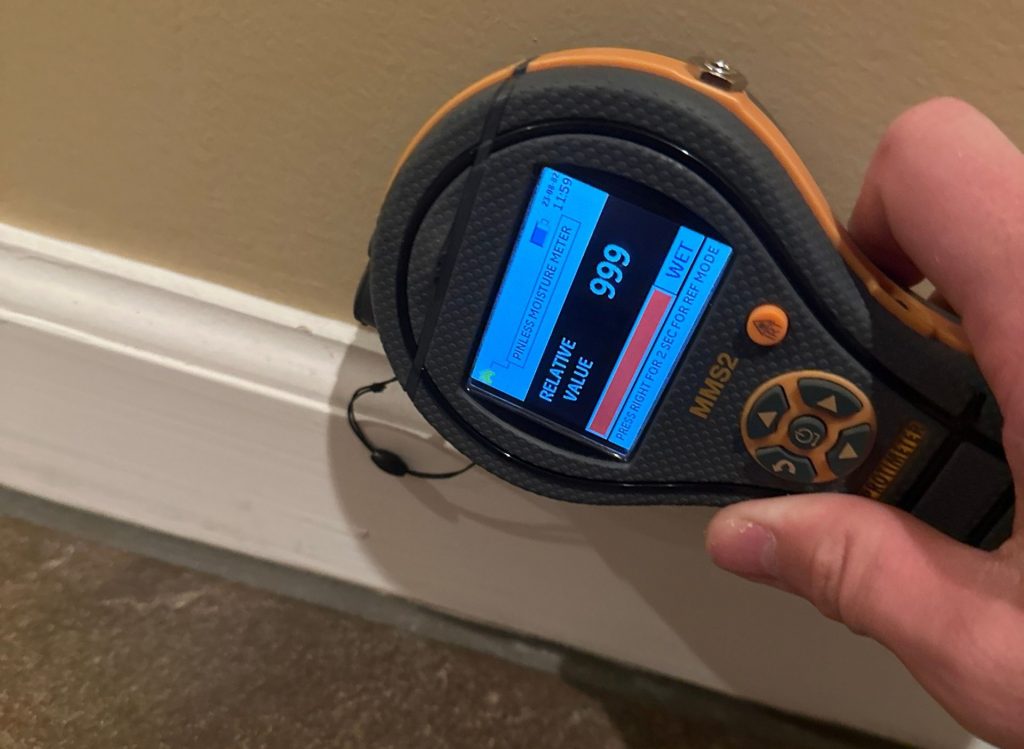
- Extent mapping: Using moisture meters and thermal imaging to identify all affected areas, including hidden moisture
- Safety assessment: Checking for electrical hazards, structural concerns, and contamination risks
- Documentation: Taking detailed photos, videos, and measurements for insurance purposes
This inspection typically takes 30-60 minutes but provides the roadmap for everything that follows.
Phase 3: Water Removal and Extraction
Standing water must be removed immediately. Professionals use:
- Submersible pumps for deep standing water
- Truck-mounted extractors for carpeting and upholstery
- Wet vacuums for smaller areas and tight spaces
The goal is removing bulk water as quickly as possible. Even a small amount of standing water like the half-inch pooling in Sarah’s living room can wick into walls and under flooring, causing exponentially more damage.
Phase 4: Demolition and Removal of Non-Salvageable Materials
This is often the most difficult phase for homeowners to witness, but it’s essential for proper mitigation. Here’s what typically needs removal:
Flooring Materials:
- Carpet and padding saturated beyond cleaning standards
- Hardwood flooring with significant cupping or buckling
- Laminate that has absorbed water and begun to swell
- Ceramic tile if the substrate beneath is compromised
Wall Materials:
- Drywall that has wicked water more than 2-3 feet from the floor
- Insulation that has become saturated
- Baseboards and trim that show swelling or separation
- Portions of wall cavities where moisture readings exceed acceptable levels
Other Materials:
- Ceiling materials affected by water from above
- Cabinets showing signs of delamination or swelling
- Non-salvageable personal property
Professional technicians follow a principle called “flood cuts” removing materials in straight, clean lines that minimize future repair costs while ensuring all affected materials are addressed.
Phase 5: Drying and Dehumidification
Once demolition is complete, the real science of water damage mitigation begins. This phase typically lasts 3-7 days, depending on several factors:
Equipment Deployment:
- Air movers (fans): Industrial-strength units positioned to maximize airflow across affected surfaces
- Dehumidifiers: Commercial-grade machines that extract moisture from the air, often removing 150-200 pints per day
- Specialty equipment: Including desiccant dehumidifiers for difficult situations, thermal imaging for monitoring, and hygrometers for precise measurements
Strategic Placement: Equipment isn’t randomly placed it’s positioned based on the principles of psychrometry (the science of moisture and air). Proper airflow patterns and dehumidification create the optimal drying environment.
Continuous Monitoring: Professional technicians visit daily to:
- Take moisture readings at multiple locations
- Adjust equipment positioning as needed
- Document progress for insurance purposes
- Address any concerns or complications
Drying Goals: The objective is bringing materials to “dry standard “typically 12-15% moisture content for wood framing and less than 20% for drywall. These aren’t arbitrary numbers; they’re industry standards that prevent future mold growth and ensure structural integrity.
Phase 6: Antimicrobial Treatment and Final Verification
Once drying goals are achieved:
- Treatment application: EPA-registered antimicrobial solutions are applied to all affected surfaces to prevent microbial growth
- Final documentation: Comprehensive moisture readings prove all areas have reached dry standard
- Equipment removal: All mitigation equipment is removed from the property
- Reconstruction readiness: The property is left clean, dry, and ready for repair contractors
Critical Mistakes Homeowners Make (And How to Avoid Them)
Even well-intentioned homeowners can inadvertently make water damage worse. Here are the most common mistakes:
Mistake #1: Waiting to Call for Help
The Problem: Some homeowners try to handle water damage with shop vacuums and household fans, believing they can save money. Meanwhile, water continues migrating through materials, and the 24-hour mold clock is ticking.
The Solution: Call professional mitigation services immediately. Even if you ultimately decide to handle something yourself (not recommended for significant water damage), you’ll receive expert guidance and documentation that protects your insurance claim.
Mistake #2: Not Understanding Insurance Coverage
The Problem: Homeowners often don’t realize that insurance companies expect immediate action to prevent further damage. Delays in mitigation can result in claim denials for “secondary damage.”
The Solution: Contact your insurance company as soon as you discover water damage, but don’t wait for their approval to begin mitigation. Most policies require you to take reasonable steps to prevent further loss.
Mistake #3: Ignoring Hidden Moisture
The Problem: Visible water is only part of the story. Water wicks into wall cavities, under flooring, and through insulation areas you can’t see without specialized equipment.
The Solution: Professional moisture detection using thermal imaging and moisture meters finds hidden water before it causes mold, rot, or structural problems.
Mistake #4: Stopping Mitigation Too Soon
The Problem: Once visible water is gone and surfaces feel dry to the touch, homeowners sometimes assume the job is complete. However, structural materials can retain moisture for days or weeks.
The Solution: Trust the science and the moisture meters. Materials must reach documented dry standards before mitigation concludes.
What Homeowners Should Do Before Professionals Arrive
While waiting for the mitigation team, you can take several safe, helpful actions:
Safety First:
- Turn off electricity to affected areas if you can do so safely
- Avoid walking through standing water if electrical outlets or appliances are nearby
- Watch for sagging ceilings or structural concerns
Stop the Source (if possible):
- Shut off the main water supply if dealing with a plumbing failure
- Place buckets under active leaks
- Close exterior doors and windows if rain is entering
Document Everything:
- Take photos and videos of all affected areas
- Make a list of damaged personal property
- Note the time you discovered the damage
Protect Valuable Items:
- Move important documents, electronics, and valuables to dry areas
- Remove small rugs and moveable items from wet flooring
- Lift draperies and furniture skirts off wet floors
What NOT to Do:
- Don’t use household vacuum cleaners to remove water (electrical hazard)
- Don’t remove permanently installed materials like baseboards or drywall
- Don’t use home fans or dehumidifiers as your primary drying method for significant water events
The Hidden Costs of Delaying Water Damage Mitigation
Beyond the obvious risks of mold and structural damage, delayed mitigation creates cascading problems:
Secondary Damage Multiplies: What starts as $3,000 in mitigation costs can balloon to $20,000+ in restoration expenses when materials that could have been saved require replacement.
Insurance Complications: Carriers can deny coverage for damage that occurs after the initial loss if you didn’t take prompt action to mitigate.
Health Hazards: Mold, bacteria, and other biological contaminants develop quickly in wet environments, creating respiratory hazards and allergic reactions.
Property Value Impact: Improperly mitigated water damage leaves lasting evidence stains, odors, and hidden deterioration that affects your home’s value.
Displacement Costs: The longer mitigation takes, the more likely you’ll need temporary housing, adding significant expenses and disruption.
Why Professional Expertise Matters
You might be wondering: “Can’t I rent equipment and do this myself?” While it’s technically possible to rent commercial drying equipment, professional water damage mitigation involves far more than equipment:
Specialized Training: IICRC-certified technicians understand building science, psychrometry, microbiology, and reconstruction knowledge developed through hundreds of hours of education and real-world experience.
Insurance Navigation: Professionals document everything according to insurance industry standards, preventing claim issues and ensuring maximum coverage.
Liability Protection: Licensed restoration companies carry appropriate insurance, protecting you from liability if workers are injured or additional damage occurs.
Complete Solutions: From initial emergency services through final verification, professionals manage the entire process, coordinating with adjusters, plumbers, and other trades as needed.
Equipment Investment: Professional-grade equipment represents tens of thousands of dollars in capital investment equipment that’s properly maintained, calibrated, and deployed based on specific conditions.
Real Recovery: What Happens After Mitigation
Once your property reaches dry standard and mitigation concludes, the restoration phase begins. This might include:
- Reconstruction of removed materials (drywall, flooring, trim)
- Painting and finishing work
- Reinstallation of fixtures and appliances
- Final cleaning and detail work
Many restoration companies, including PuroClean, offer complete reconstruction services, providing seamless transition from emergency mitigation to finished repairs. This continuity means better communication, clearer accountability, and faster completion.
Choosing the Right Water Damage Mitigation Company
Not all restoration companies are created equal. When selecting a mitigation partner, look for:
24/7/365 Availability: Water damage doesn’t respect business hours. Your restoration company shouldn’t either.
Rapid Response Time: Companies should commit to 2-hour or less response for emergencies.
Proper Licensing and Insurance: Verify the company carries appropriate liability coverage and workers’ compensation insurance.
Industry Certifications: Look for IICRC (Institute of Inspection, Cleaning and Restoration Certification) credentials the gold standard in restoration.
Local Presence: Local companies understand regional construction methods, insurance practices, and building codes. They also have reputations to protect in your community.
Comprehensive Services: From initial emergency response through final reconstruction, integrated services provide better outcomes and simpler coordination.
Transparent Communication: Quality companies provide clear explanations, detailed documentation, and regular updates throughout the process.
Your Home Deserves Expert Care When Water Damage Strikes
Water damage creates stress, disruption, and legitimate worry about your home and belongings. But with prompt professional mitigation, most water damage situations can be successfully resolved, returning your property to safe, dry, livable condition.
The key is recognizing that water damage mitigation is both an art and a science requiring specialized equipment, expert knowledge, and proven processes to achieve successful outcomes. When water threatens your home, you need more than someone with a shop vacuum and good intentions. You need trained professionals who understand building science, insurance requirements, and industry best practices.
Don’t wait for water damage to escalate from a manageable situation to a catastrophic loss. Whether you’re dealing with a burst pipe at 3 AM, storm damage after severe weather, or a mysterious leak that’s just appeared, immediate professional mitigation protects your home, your health, and your financial investment.
PuroClean’s certified restoration specialists are available 24/7/365 to respond to water damage emergencies throughout your community. We bring the expertise, equipment, and commitment to quality that your home deserves during this stressful time.
Contact PuroClean immediately at the first sign of water damage. Our rapid response team will be on-site within hours, beginning the mitigation process that protects your home from further loss. Don’t gamble with your property call the Paramedics of Property Damage® and experience the difference that professional expertise makes.
Frequently Asked Questions About Water Damage Mitigation
How much does water damage mitigation cost?
Water damage mitigation costs typically range from $1,500 to $5,000 for most residential situations, though complex or extensive damage can exceed this range.
Factors affecting cost include the amount of water, affected square footage, category of water (clean, gray, or black), and required demolition.
Most homeowners’ insurance policies cover mitigation costs for covered loss events. Professional restoration companies work directly with insurance carriers to streamline the claims process and often receive payment directly from your insurer.
How long does the water damage mitigation process take?
The complete water damage mitigation process typically takes 3-7 days from initial response to final verification. The timeline depends on several factors: extent of water intrusion, types of materials affected, humidity levels, and temperature.
Extraction and demolition usually occur within the first 24 hours, while drying equipment remains in place for several days until all materials reach dry standard. Your restoration company will provide daily monitoring and updates throughout the process.
Can I stay in my home during water damage mitigation?
In many cases, yes you can remain in your home during mitigation, though it depends on the extent of damage and location of affected areas.
Equipment noise from air movers and dehumidifiers can be disruptive, and you’ll need to navigate around equipment and cordoned-off areas. If water damage is extensive, affects essential areas like kitchens and bathrooms, or involves sewage contamination, temporary relocation may be necessary.
Your restoration company will discuss your specific situation and help coordinate alternative living arrangements if needed. Many insurance policies include coverage for Additional Living Expenses (ALE) when your home becomes temporarily uninhabitable.
Will my insurance cover water damage mitigation?
Most homeowners insurance policies cover water damage mitigation when the water damage results from a covered peril (sudden and accidental events like burst pipes, appliance failures, or storm damage). However, policies typically exclude damage from lack of maintenance, gradual leaks, or flooding from external water sources (which requires separate flood insurance).
The key is contacting your insurance company immediately after discovering damage and beginning mitigation promptly to prevent secondary damage. Professional restoration companies can review your policy, document everything appropriately, and communicate directly with your adjuster to maximize coverage.
People Also Read : Does renter’s insurance cover water damage?
What’s the difference between water damage mitigation and restoration?
Water damage mitigation focuses on immediate emergency response stopping water intrusion, removing standing water, drying affected areas, and preventing further damage. Restoration comes after mitigation and involves rebuilding and repairing your property to pre-loss condition replacing drywall, installing new flooring, repainting, and finishing work.
Think of mitigation as emergency medical care that stabilizes the situation, while restoration is the follow-up treatment that completes recovery. Many companies, including PuroClean, offer both services for seamless transition from emergency response to finished repairs.
How do I know if my home is completely dry after mitigation?
Professional water damage mitigation companies use scientific instruments moisture meters and hygrometers to measure moisture content in materials and verify drying completion. Materials must reach industry-standard moisture levels (typically 12-15% for wood and under 20% for drywall) before mitigation concludes.
Your restoration company will document final moisture readings and provide written verification that all areas have achieved dry standard. Never rely on how materials feel to the touch or visual assessment alone hidden moisture requires specialized detection equipment to identify and verify elimination.
Protect Your Investment & Restore Your Peace of Mind
Don’t let water damage and potential mold growth overwhelm you. Contact PuroClean of Plymouth Meeting today at (484) 412-4422 for a free consultation. We’ll be there to guide you through the restoration process and ensure your property is restored quickly, safely, and efficiently.

 PuroClean of Plymouth Meeting