


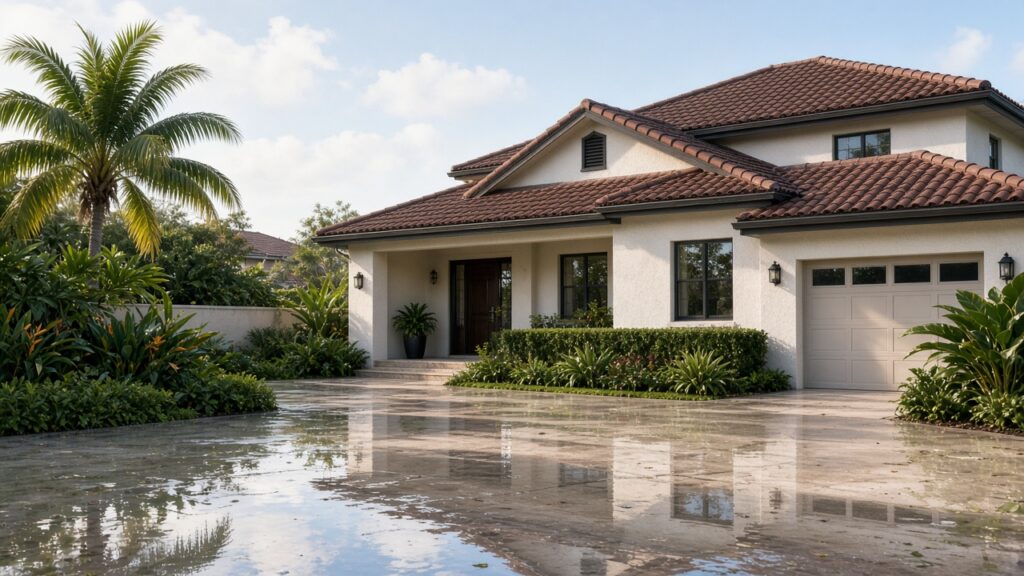
Storm water and mold are a frequent concern for Pompano Beach and Broward County homeowners after heavy rain, tropical storms, and hurricane-season flooding.
When a tropical storm, summer downpour, or hurricane-season rain band moves through Pompano Beach and the rest of Broward County, water can find its way indoors fast—through roof leaks, wind-driven rain, backed-up drains, or street flooding near canals and low-lying neighborhoods.
What often surprises homeowners is how quickly a damp home can become a mold concern if materials stay wet. Public-health guidance commonly points to a practical window: drying water-damaged areas within about 24 to 48 hours helps reduce the chance that mold will grow. That is not a guarantee mold appears on a fixed clock—just a useful reminder that in South Florida’s humidity, time and moisture matter.
This guide explains that window in plain language, why storm water differs from a clean spill, what you can safely do in the first day or two, and when to call PuroClean of Pompano Beach.
Why Storm Water and Mold Problems Start Within 24–48 Hours
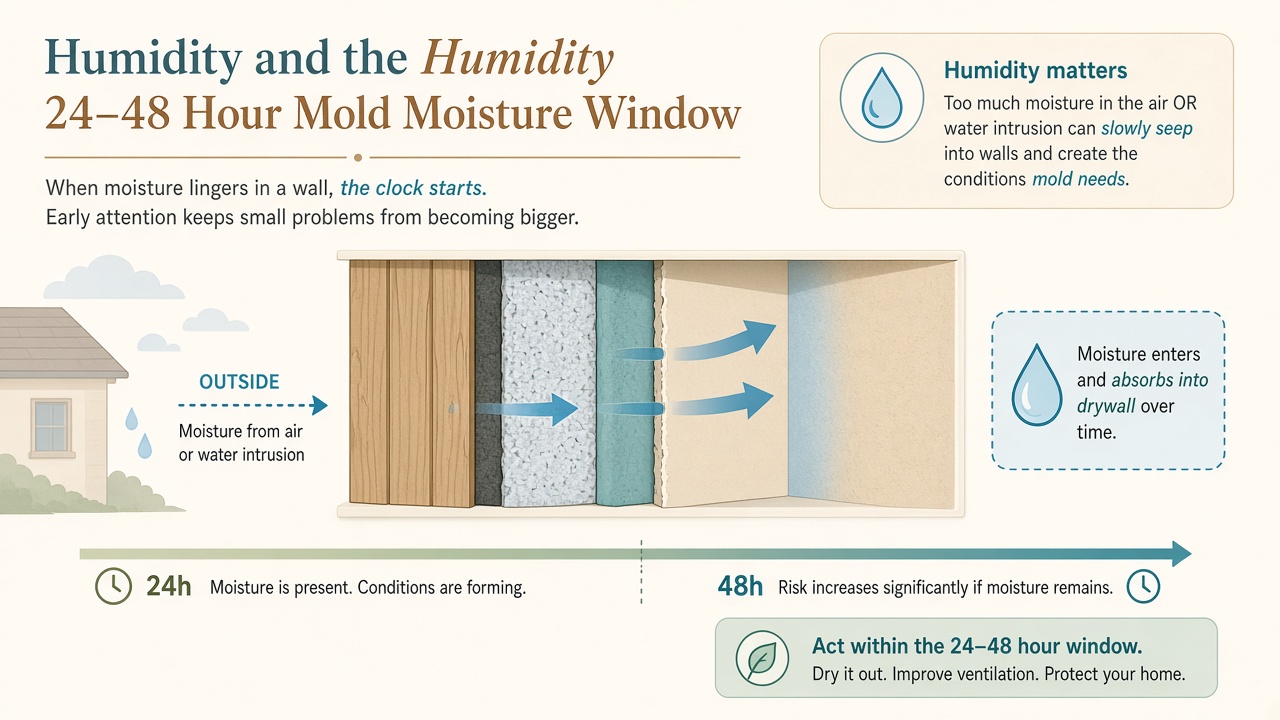
Mold spores are already present in everyday indoor and outdoor air. They need moisture and something to grow on—drywall paper, carpet, wood, insulation, and many household materials—to colonize.
Guidance from the U.S. Environmental Protection Agency (EPA) and the Centers for Disease Control and Prevention (CDC) stresses drying water-damaged materials within 24–48 hours when possible to help prevent mold growth. The CDC also notes that if a flooded home could not be dried in that timeframe, homeowners should assume mold growth may be present, even when it is not yet obvious.
A few careful distinctions help keep expectations realistic:
- “Can begin within 24–48 hours” is the language restoration professionals and agencies often use. Mold does not always appear on a timer. Growth depends on temperature, humidity, materials, and how wet things stayed.
- Even materials dried within 48 hours can sometimes show growth. The 24–48 hour figure is a guideline for action, not a hard cut-off with a guarantee.
- In Broward’s warm, humid climate—especially when air conditioning is offline after a storm—wet materials can stay in a mold-friendly moisture range longer than in drier regions.
The takeaway for local homeowners is simple: act promptly on drying and moisture control, and treat visible mold or lingering dampness as a signal to get qualified help.
Storm Water Is Not the Same as Clean Tap Water
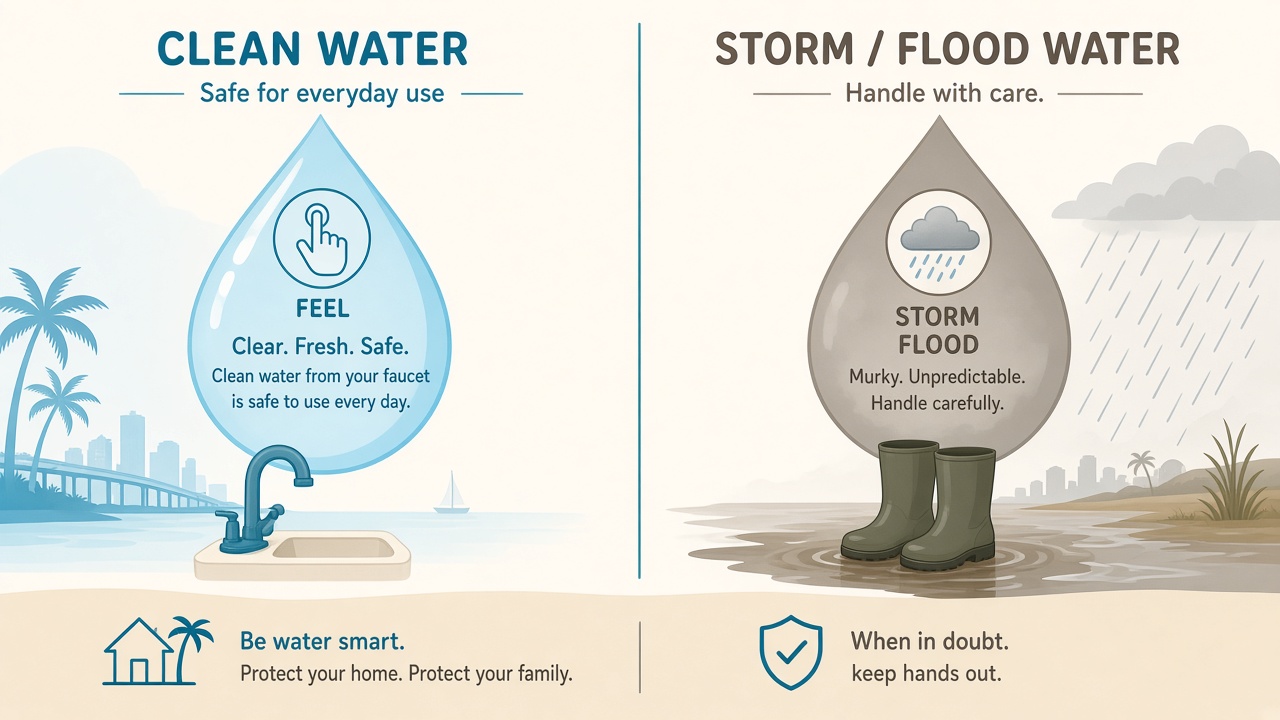
Not all water damage is equal. Restoration professionals often describe water by category—a way of talking about how contaminated the water may be.
- Cleaner sources might include a broken supply line or rain entering through a roof opening without contacting soil or sewage. Still serious, but different in contamination risk.
- Storm water, floodwater, and water that has touched the ground, streets, canals, or sewage systems is frequently treated as contaminated. In industry terms—including standards commonly referenced by the Institute of Inspection, Cleaning and Restoration Certification (IICRC)—rising floodwater and many storm-related intrusions call for elevated safety and cleanup protocols.
In Pompano Beach and nearby Broward communities, storm flooding can involve street runoff, canal overflow, tidal influences, and debris. Even water that looks relatively clear can carry pollutants. Agencies caution against treating floodwater like an ordinary spill—and against using fans before knowing the water is clean.
Practical implication: If water entered from outdoors during a storm, from rising flood conditions, or from a sewage-related backup, prioritize safety and professional assessment over DIY “just dry it with box fans” approaches. Not every brief roof leak is the same as floodwater, but outdoor storm intrusion deserves extra caution.
Why Broward Homes Are Especially Vulnerable After Storms
South Florida’s building stock and climate make the 24–48 hour window especially relevant:
- Year-round humidity slows natural drying and keeps indoor relative humidity elevated after storms.
- Hurricane season and summer squalls bring wind-driven rain, roof and window vulnerabilities, and occasional power outages that take air conditioning offline.
- Pompano Beach and Broward flood factors—heavy rainfall, high tides affecting drainage into canals and waterways, and low-lying or older neighborhoods—can push water into garages, ground-floor units, and slab homes.
- Older homes and condominiums may have aging roofs, shared walls, older drywall and carpet systems, or limited access to wet cavities behind finishes. Condos can also face unit-to-unit moisture migration and association rules about who handles remediation.
Local conditions favor faster professional drying, documentation, and careful handling of contaminated water when storms are involved.
What to Do in the First 24–48 Hours After Storm Water Damage
Stay safe first. Do not enter a flooded area if there is standing water near electrical panels, sparking, a gas smell, or structural concern. If the home is unsafe, wait for utility or emergency guidance before cleanup.
When it is safe to proceed, focus on these steps:
1. Stop the Source If You Can
Close windows, tarp a roof leak if you can do so safely, shut off water to a failed fixture, and document what happened with photos and notes for your insurer. Standard homeowners policies and flood coverage often differ—know which applies to your situation.
2. Protect Yourself
For flood or storm water, wear sturdy footwear, gloves, and eye protection. Avoid stirring up dust or debris without a properly fitted respirator if mold or heavy contamination is already suspected. People with asthma, allergies, or weakened immune systems should avoid DIY cleanup of contaminated areas.
3. Remove Standing Water and Wet Contents Carefully
Extract or mop up standing water when it is sanitary enough to handle and power is safe. Move undamaged belongings out of wet rooms. Porous items soaked with floodwater—carpet, padding, some upholstered furniture, soaked drywall—may need removal rather than “saving” with surface drying, especially if the water was contaminated.
4. Increase Drying—Only When the Water Is Clean
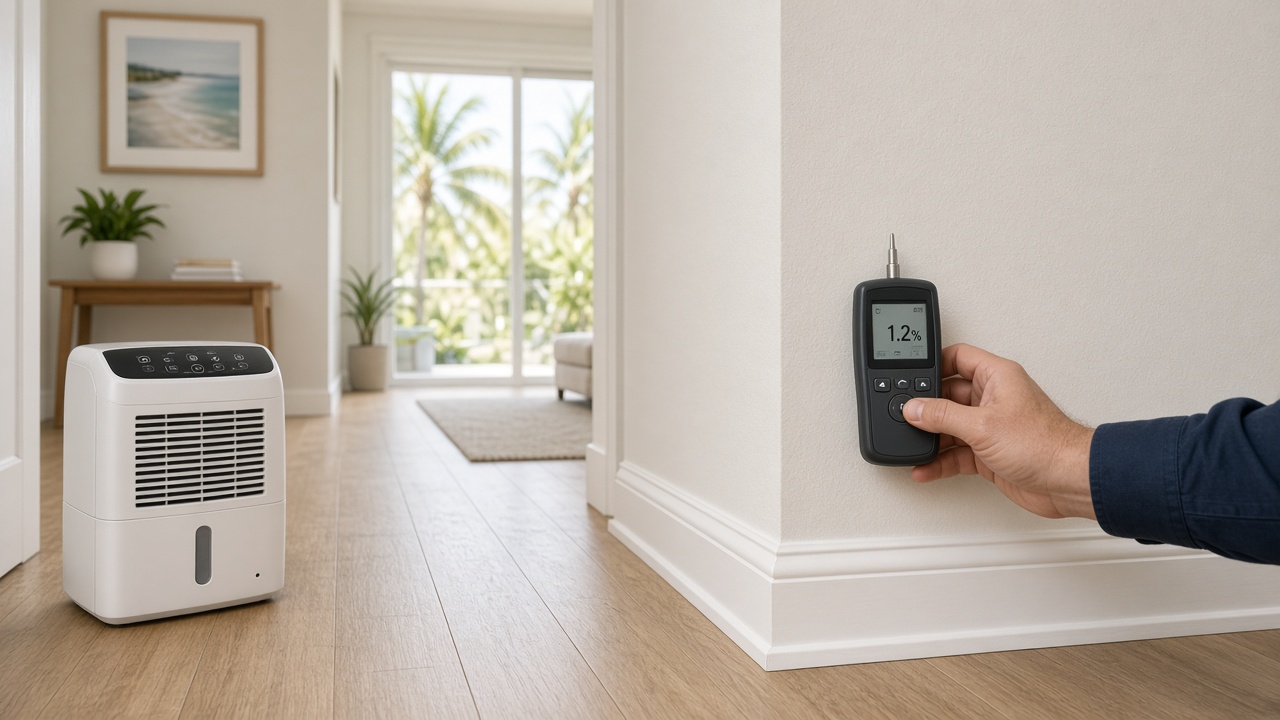
If the intrusion was clearly clean (for example, a brief rain leak through a roof with no flood contact), promote drying with air conditioning (if running), dehumidifiers, and carefully placed air movement. If the water may be contaminated, do not run fans through dirty water or sludge; that can spread contaminants. Call professionals instead.
5. Watch for Early Signs of Mold and Hidden Moisture
Musty odors, discoloration on drywall or baseboards, warped flooring, or damp insulation are cues that moisture remains. Mold is not always visible on surfaces; it can grow inside wall cavities or under flooring.
6. Document Everything
Photos before and after, a simple timeline, and receipts for emergency purchases help with insurance and with any contractor you hire later.
When to Call a Water Damage and Mold Professional
Call a water damage and mold restoration team when any of the following apply:
- Storm water, floodwater, or sewage-related water entered the home
- Wet materials have been damp for more than a day or two, or drying is incomplete
- The affected area is large, involves multiple rooms, or includes wall cavities, ceilings, or flooring systems you cannot access
- You smell mustiness or see suspected mold growth
- Occupants are sensitive to mold or indoor air quality issues
- You need moisture readings, equipment-based structural drying, and documentation for insurance
Professionals can map how far moisture has traveled, extract water, set up controlled drying equipment, address contaminated materials, and—when mold is present—follow remediation practices aligned with industry standards. In Florida, mold-related services are also subject to state licensing rules for assessment and remediation above certain thresholds; asking about credentials is a smart homeowner step.
You do not need to wait until black spots cover a wall. Early drying and correct handling of contaminated water often keep a project smaller.
Frequently Asked Questions
How fast can mold grow after storm water damage?
Agencies such as the EPA and CDC advise drying water-damaged materials within 24–48 hours when possible to help prevent mold growth. Mold does not always appear on a fixed schedule, but waiting longer raises the risk—especially in Broward’s humid climate.
Is storm water or floodwater safe to clean up myself?
Often no. Water that contacted streets, soil, canals, or sewage is frequently treated as contaminated. Avoid DIY cleanup with fans when the water source is unclear, and call professionals for flood-related water damage.
What should I do first after water enters my home?
Stay safe around electricity and structural hazards, stop the source if you can, document the damage, remove standing water only when it is safe and sanitary enough to handle, and start professional drying if materials will not be fully dry within about a day or two.
When should I call PuroClean of Pompano Beach?
Call when storm or floodwater entered the property, drying is incomplete, you suspect mold, the area is large or hidden inside walls, or you need professional water extraction and documentation for insurance.
Protect Your Home After a Storm in Pompano Beach
If storm water has entered your home—or you are unsure materials are drying thoroughly in that first day or two—local help can make the next steps clearer and safer.
PuroClean of Pompano Beach provides professional water removal, structural drying, moisture checks, and mold-related restoration support for homeowners and property managers across Pompano Beach and nearby Broward communities.
If you think you have water damage, hidden moisture, or mold after a storm, reach out to our team.
1421 SW 12th Avenue, Suite B, Pompano Beach, FL 33069
Dry what you can safely, treat storm water with respect, and bring in professionals when the water was contaminated, the area is large, or the 24–48 hour window is slipping away.