

significant health risks. From bacteria and mold to electrical hazards and fast-moving waters, these emergencies demand quick action and preparation.
Whether you’re dealing with a flooded basement, roof leaks, or need emergency water extraction, knowing the risks and how to respond can help protect your family and property.
Before a Flood: Prevention and Preparation
Taking proactive steps before a flood can make all the difference in minimizing home water damage restoration needs:
- Create an emergency kit with first-aid supplies, non-perishable food, a flashlight, batteries, and cash.
- Develop a family communication plan, designating an out-of-state relative as a check-in contact.
- Understand your flood risk by checking FEMA’s flood maps.
- If you’re in a high-risk zone, raise your water heater, electric panel, and air conditioning units.
- Review your flood insurance coverage, as new policies typically take 30 days to activate.
- Discuss safety procedures with your family so everyone knows what to do.

Talk to your family about how to stay safe during a flood.
During a Flood Watch or Warning
If local authorities issue a flood watch or warning, stay prepared:
- Monitor weather updates via local news or NOAA radio.
- Move valuables to higher levels and use waterproof containers for documents.
- Anchor outdoor items like grills and propane tanks.
- Keep your gas tank full and cash available.
- Practice your communication plan and familiarize yourself with evacuation routes.
- If evacuating, turn off utilities at the main switches or valves.
- Stock up on at least three days’ worth of food and water.
- Ask local officials where to find sandbags or flood-protection materials.
- Store immunization records in waterproof containers.
- If evacuation isn’t possible, move to the top floor, attic, or roof.
Health and Safety Risks After Flooding
Preventing Infections and Contamination
Floodwaters often carry sewage, increasing risks of infection:
- Discard food exposed to floodwater, including bottled drinks and jarred goods.
- Discard perishable items, such as meat, eggs, and dairy, that have been left unrefrigerated.
- Dispose of medicines, cosmetics, and toiletries exposed to floodwater.
- Wash your hands frequently and don’t let children play in contaminated water.
- Cover any open wounds with waterproof bandages.
If you suspect sewage intrusion, seek sewage cleanup services to restore your home safely.
Avoiding Rapid-Flowing Waters
- Never drive through even shallow, moving water; vehicles can stall or be swept away.
- Obey road closure signs and watch for mud, debris, and potholes.
- Avoid walking through floodwaters; swift currents can be deadly.
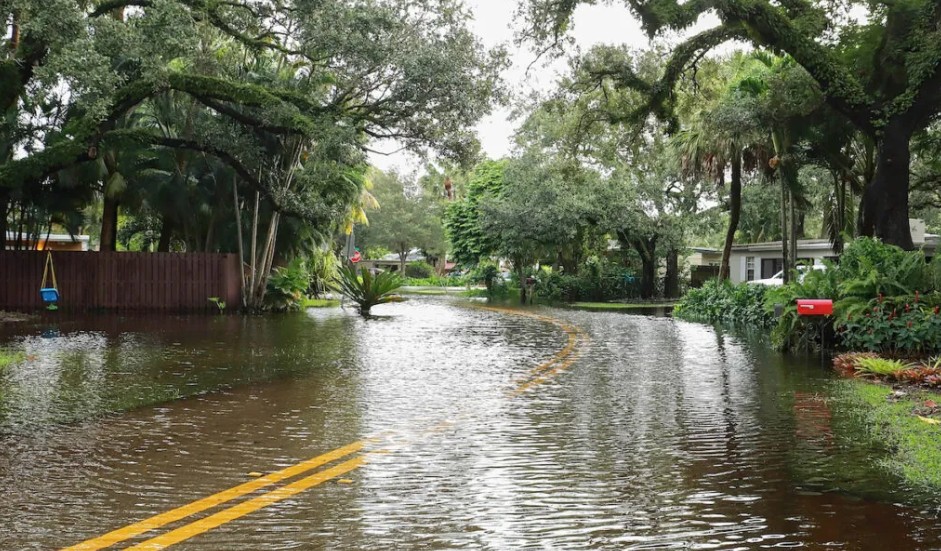
Don’t drive through flowing water, even if it’s just a few inches deep.
Mold Growth and Respiratory Hazards
Mold begins forming within 24–48 hours after water exposure. To reduce risks:
- Avoid areas with mold until a mold assessment and mold remediation have been completed.
- Hire a certified mold removal company for mold inspection, cleaning, and mitigation.
- Use generators or fuel-powered equipment only outdoors to prevent carbon monoxide poisoning.
- Avoid exposure to lead-based materials and asbestos.
If you notice musty odors, consider professional mold removal and testing for mold.
Chemical, Electrical, and Gas Dangers
Floods can lead to severe secondary hazards:
- Don’t attempt to move propane tanks—contact the fire marshal instead.
- Stay away from car batteries in water to avoid exposure to acid and electric shocks.
- Avoid downed power lines and never touch wet electrical fixtures.
- Wait for an electrician to clear your home before re-entry.
- If you smell gas, evacuate immediately and notify your utility provider.
Debris Hazards
After water recedes, debris may remain dangerous:
- Watch for broken glass, construction waste, sharp tree limbs, and unstable structures.
- Always wear protective footwear and gloves when cleaning up to prevent injuries.
Professional Water Damage Help
The aftermath of a flash flood can be overwhelming. For safe and effective recovery, work with a trusted water remediation company. At PuroClean, we specialize in:
- Emergency water extraction and water drying
- Flood cleanup and water damage recovery
- Leak detection service for hidden water leaks and roof leaks
- Mold removal services, including complete mold mitigation and prevention
- Sump pump extraction and sump pump water removal for basements
Our certified technicians provide complete water damage restoration and mold remediation near you to ensure your home is safe, clean, and habitable.
📞 Call PuroClean of Pompano Beach today at 954-546-9090 for immediate flood restoration, water damage cleanup, and mold removal services.