 PuroClean of Pompano Beach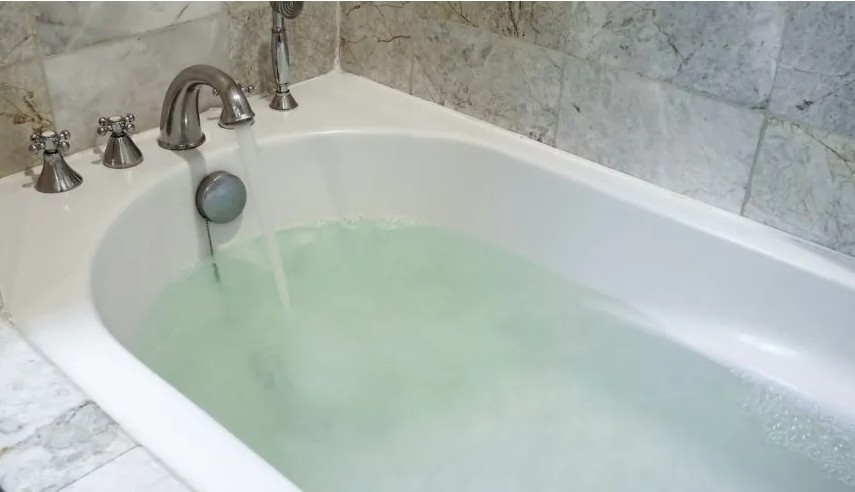
Discovering water dripping from your ceiling is every homeowner’s nightmare. When the source is a bathtub leak, the damage can extend far beyond the bathroom. Without immediate action, you could face costly water damage restoration, structural repairs, and even mold issues.
This guide walks you through the process of identifying a bathtub water leak, preventing further damage, and knowing when to call in professional water damage remediation experts, such as PuroClean of Pompano Beach.
Signs of a Bathtub Leak
Bathtub leaks can be tricky because the visible damage often appears in the room below the bathroom. Here’s what to watch for:
- Water stains or sagging ceilings
- Moist walls, floors, or ceilings
- Peeling paint or wallpaper
- Mold or mildew growth
- Warped drywall or soft spots
- Puddles around the bathtub
These are clear indicators of water infiltration that require immediate attention to prevent further water damage and potential mold remediation.

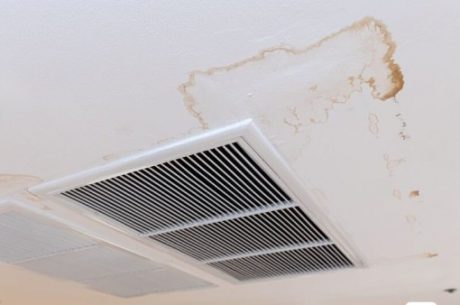
Water stains on your ceiling are a common sign of a bathtub leaking.
Identifying the Source of the Leak
Once you notice the signs, take these steps to narrow down the problem:
- Shut off the water supply to stop active leaks.
- Inspect the tub for cracks, damaged caulking, or pooling water around faucets.
- Inspect the floor for discoloration or soft spots that may indicate hidden damage.
- Perform a simple test: Fill the tub, let it drain, and check below for leaks.
If you discover an active leak, avoid using the tub until a plumber or leak detection service can assess the situation.
Types of Bathtub Leaks
Understanding the type of leak helps determine the proper repair:
1. Drain Leaks
Damaged gaskets or weakened connections in the drain system can lead to slow but steady leaks, causing hidden damage that requires water damage cleanup and possibly water drying services.
2. Overflow Drain Leaks
The overflow system can develop cracks or gasket failures, leading to leaks behind walls and ceilings.
3. Crack Leaks
Hairline cracks in the bathtub body can allow water to seep through. Minor cracks may be sealed, but severe damage could require replacing the tub.
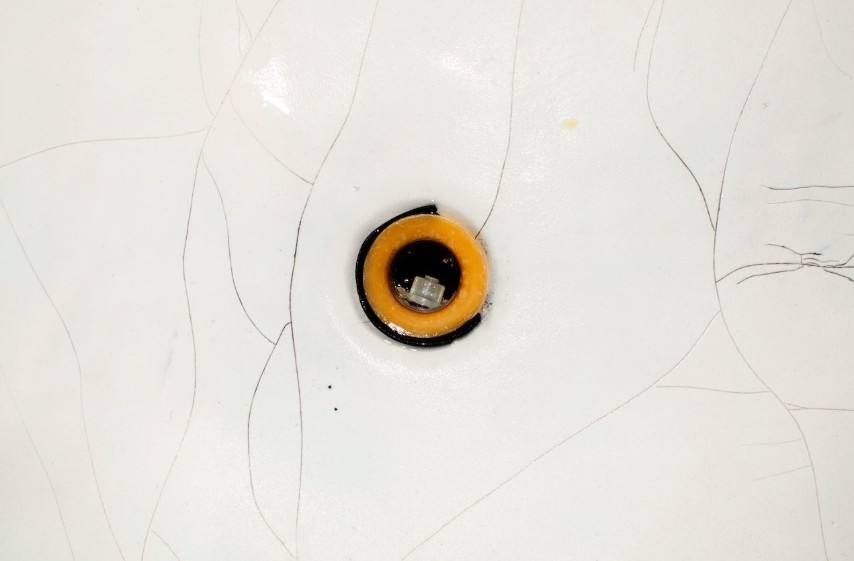
A cracked bathtub can leak at different rates, depending on the size of the cracks.
Why Professional Help Matters
While DIY repairs are tempting, bathtub leaks often involve complex plumbing and structural issues. Hiring professionals ensures:
- Accurate leak detection and diagnosis
- Proper tools and materials for safe, long-lasting repairs
- Compliance with local codes
- Warranties for added peace of mind
DIY mistakes can exacerbate the problem, resulting in higher costs for water mitigation and home water damage restoration.
Repair and Restoration Process
Once the source is identified:
- Drain or overflow leaks: Professionals replace seals or components to create a watertight system.
- Crack leaks: Small cracks are repaired with epoxy; larger damage may require replacing the tub.
- Water damage recovery: After plumbing repairs, a water remediation company like PuroClean addresses structural drying, mold inspection, and restoration.
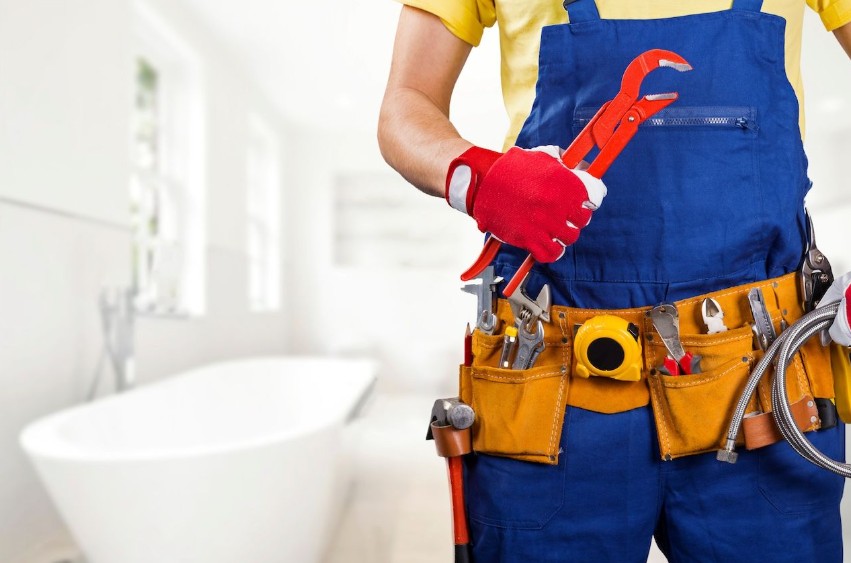
A professional plumber can navigate the issues of a bathtub leaking better than anyone.
Prevent Future Leaks
Routine maintenance can help you avoid costly damage:
- Reapply silicone caulking annually.
- Schedule periodic leak detection services.
- Inspect for hidden leaks and discoloration around the tub.
- Invest in regular mold inspection and mold prevention.
Call PuroClean of Pompano Beach for Water Damage Help
If your home has been affected by a bathtub water leak, you need experts in emergency water extraction, water damage restoration, and mold remediation.
Our IICRC-certified team is ready 24/7 to handle:
- Flood cleanup and water drying
- Mold cleaning services and mold odor removal
- Complete home water damage restoration
📞 Call PuroClean of Pompano Beach today at 954-546-9090 for fast, reliable help.

 PuroClean of Pompano Beach