


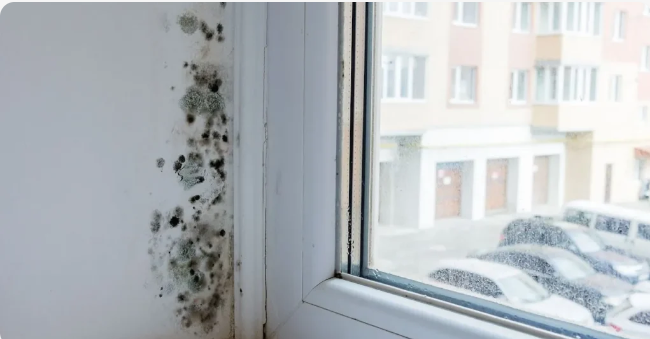
Mold in a rental property is more than a cosmetic concern. It often signals underlying water damage, moisture intrusion, or ventilation failures that can impact health, habitability, and property value. Left unaddressed, mold can escalate into serious water damage or require mold remediation.
Because mold frequently develops quietly after leaks, flooding, or unresolved water damage, early detection and documentation are critical. This guide explains how to recognize mold, understand responsibility, and take action to protect both tenants and landlords.
Important: This article is for general guidance only and is not legal advice. Local and state regulations vary. Always confirm applicable laws or consult a qualified professional.
Signs of Mold in a Rental Property
Mold is often hidden behind walls, under flooring, or inside HVAC systems following water leaks, roof leaks, or poor water drying. However, there are clear warning signs.
Persistent Musty or Earthy Odors
A lingering musty smell that persists despite cleaning often indicates hidden mold growth from trapped moisture. These odors are common after water damage, flood cleanup, or unresolved water extraction, especially in bathrooms, basements, and closets.
Visible Mold Growth
Mold may appear black, green, white, or gray on walls, ceilings, grout, vents, or window frames. Even small patches may indicate larger issues that require mold inspection, mold assessment, or professional mold removal services.
Water Stains or Peeling Paint
Yellow or brown stains, bubbling paint, warped drywall, or peeling wallpaper often indicate water intrusion, past flooding, or a water heater leak. These conditions frequently lead to mold behind surfaces.
Allergy or Respiratory Symptoms
Persistent coughing, congestion, headaches, or itchy eyes that worsen indoors may signal mold exposure. Mold-related health concerns often accompany unresolved water damage restoration issues.
Condensation and High Humidity
Excess condensation on windows, pipes, or walls suggests high humidity and inadequate ventilation. Without correction, these conditions promote mold growth and may require water mitigation or mold-prevention strategies.
If you notice these signs, document them immediately. Photos, dates, and written reports help determine responsibility and reduce disputes.
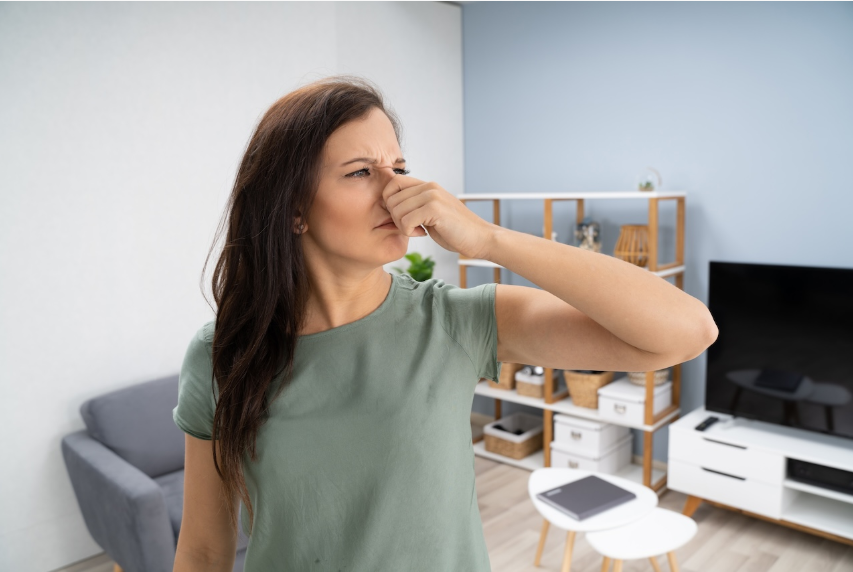
If you notice a musty odor in your rental, investigate
Who Is Responsible for Mold in a Rental Property?
Responsibility is typically tied to the source of moisture, not mold alone. Habitability standards generally require landlords to maintain safe living conditions, while tenants must use the property responsibly and report issues promptly.
Key principle: The party responsible for the moisture problem is often responsible for the mold.
When the Landlord Is Typically Responsible
Landlords are usually responsible for mold remediation when mold results from conditions outside the tenant’s control, including:
• Leaking roofs, plumbing failures, or water leaks not repaired in a timely manner
• Structural defects allowing water intrusion
• Poor or non-functioning ventilation systems
• Prior water damage or flood remediation that was never properly dried
In these cases, professional water damage remediation, mold mitigation, or mold restoration is often required.
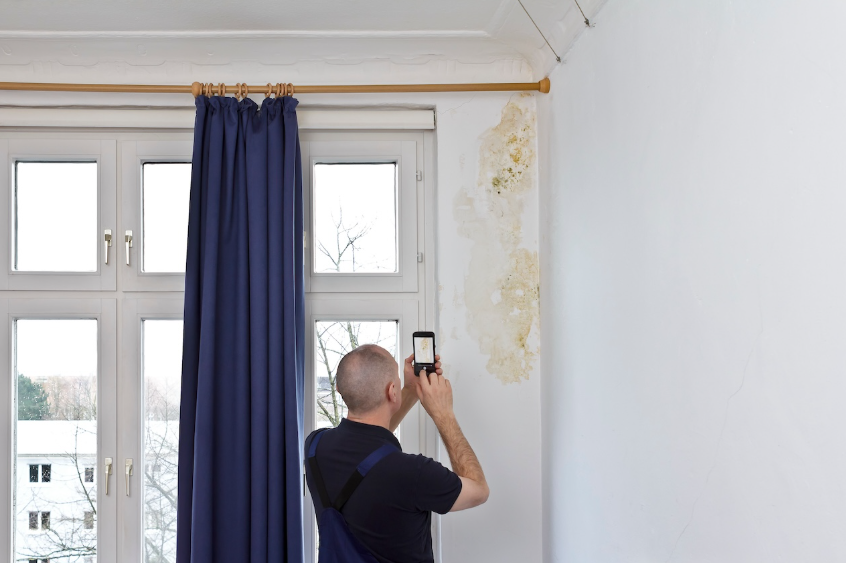
Document mold issues in your rental property with photos if possible
What Tenants Should Do When Mold Is Suspected
Tenants should act quickly to protect their health and document concerns:
• Notify the landlord in writing immediately
• Take photos and videos of visible damage or mold
• Record odors, symptoms, and dates
• Avoid disturbing mold, which can spread spores
• Keep records of all maintenance requests
Early documentation helps determine whether mold remediation companies or water damage companies are needed.
When the Tenant May Be Responsible for Mold
Tenants may be responsible for mold that develops due to preventable moisture or misuse, rather than property defects.
Common Tenant-Related Causes
• Poor housekeeping and moisture control
• Improper use of humidifiers or HVAC systems
• Blocking vents or disabling exhaust fans
• Failure to report leaks or water damage
• Ignoring minor surface mold that spreads
These situations may begin as minor mold-cleaning issues but can escalate into full mold cleanup if ignored.
How Tenants Can Prevent Mold and Limit Responsibility
• Use exhaust fans when cooking or showering
• Maintain indoor humidity between 30% and 55%
• Dry wet surfaces promptly
• Clean bathrooms and kitchens regularly
• Report leaks, condensation, or water damage immediately
Prevention reduces the risk of needing mold remediation near me or water damage help later.
When Professional Help Is Necessary
Professional mold remediation or water damage restoration is recommended when:
• Mold covers large areas
• Mold returns after repeated cleaning
• Mold is hidden behind walls or under flooring
• Mold is present in HVAC systems
• Health symptoms are reported
Certified professionals use advanced tools for leak detection, water extraction, water drying, and mold odor removal to prevent recurrence.
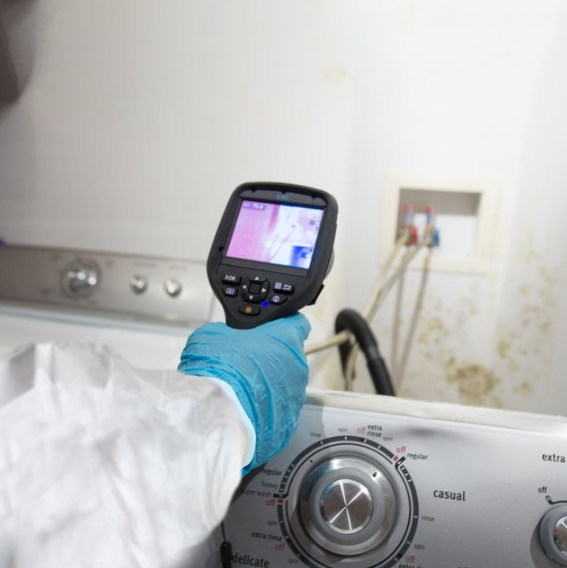
A mold remediation professional can give you the peace of mind you need
Choosing a Mold Remediation Company
When selecting a mold removal company or water remediation company, look for:
• IICRC-certified technicians
• Experience with mold testing, mold inspection, and mold mitigation
• Comprehensive services including water cleanup, flood restoration, and sewage cleanup
• Proper insurance and documented guarantees
Facing Mold in Your Rental Property? Call PuroClean of Pompano Beach
If mold or water damage is affecting your rental property, fast action matters. PuroClean of Pompano Beach provides expert mold remediation, water damage cleanup, emergency water extraction, and flood cleanup services. Call 954-546-9090 to schedule an inspection or get immediate help.
Summary
• Mold often results from unresolved water damage, leaks, or poor ventilation
• Early signs include odors, stains, condensation, and health symptoms
• Landlords are typically responsible for structural or maintenance-related moisture
• Tenants may be responsible for preventable moisture issues
• Documentation protects both parties
• Large or hidden mold problems require certified professionals
Frequently Asked Questions
- Who is responsible for mold in a rental property?
Responsibility depends on the moisture source. Landlords are usually responsible for leaks or defects, while tenants may be responsible for preventable moisture issues. - What are common signs of mold?
Musty odors, visible mold, water stains, peeling paint, condensation, and allergy symptoms. - Can tenants be blamed for mold growth?
Yes, if mold results from poor moisture control, misuse of appliances, or failure to report leaks. - What should tenants do if mold is found?
Document the issue, notify the landlord in writing, avoid disturbing the mold, and keep records. - When is professional remediation needed?
When mold is widespread, recurring, hidden, or causing health symptoms.
Need Help with Mold or Water Damage Now?
PuroClean of Pompano Beach is your trusted local provider for mold remediation, water damage restoration, flood cleanup, and emergency water extraction.
Call us at 954-546-9090