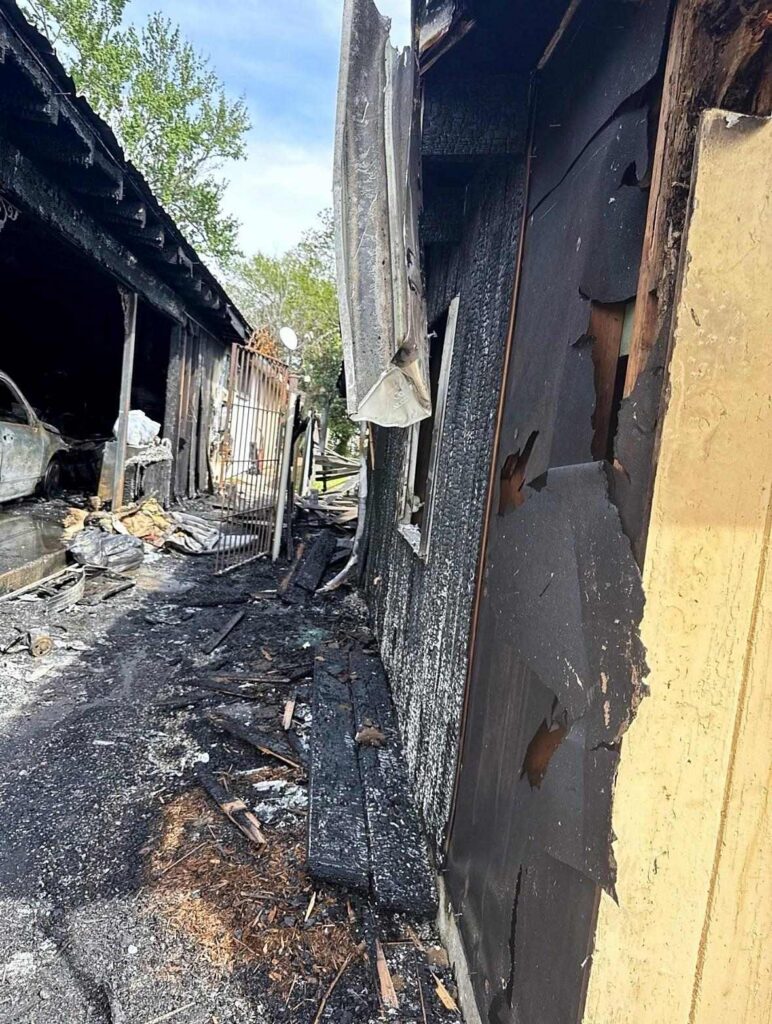
A pot of stew left on the burner too long rarely looks like much of a fire. There may be no flames at all, just a scorched pan and a haze in the kitchen. Then the smell shows up in the hallway, the bedrooms, and the coat closet, and it stays. That’s protein smoke in Highland homes, and it behaves differently from the black soot most people picture. This guide explains what it does to walls and heating ducts. It also covers the first hour and when a cleanup crew makes sense.
What Protein Smoke Is
Protein smoke comes from burning food rather than burning wood, plastic, or fabric. Meat, beans, poultry, and other protein-rich foods give off a greasy vapor when they char. That vapor cools and settles on every surface it reaches.
You’ll notice a few things about it:
- The residue is thin and often nearly invisible
- It can leave a yellow or amber tint on white paint and cabinets
- It feels slightly tacky or greasy to the touch
- The odor is strong, sour, and slow to fade
Because you can’t always see it, protein smoke in Highland kitchens is easy to underestimate. Many people clean the stove, open a window, and assume the job is done. A week later the smell is still there.
How It Settles on Walls and Ceilings
Answer first: the film coats every surface the smoky air touched, including places that look clean.
Warm smoke rises, so ceilings and the tops of walls usually get the heaviest layer. It also drifts toward cooler surfaces, like exterior walls, window glass, and the backs of closet doors. Flat or matte paint absorbs more of the film than glossy trim. Fabric, drapes, and upholstery hold the odor longest.
The greasy layer also grabs dust. Over time, walls can look dingy in streaks or patches. Wiping with a household spray often smears the residue rather than lifting it, which can push the odor into the paint.
What It Does to Your Ducts
This is the part many homeowners miss. If you have forced-air heat, the return grille pulls room air back to the furnace. When the blower runs during or after a kitchen fire, smoky air gets drawn into the return side.
From there, the film can settle on:
- Return grilles and the ductwork behind them
- The furnace filter
- The blower wheel and cabinet
- Supply ducts that carry air back out to each room
Once that happens, the odor can return each time the heat cycles on. Protein smoke in Highland homes with forced air often follows this pattern. You might clean the kitchen and still smell it in a back bedroom. That’s often a sign the residue is inside the system.
Homes with baseboard or radiator heat don’t have this spread path. The smoke can still travel up open stairways and settle on upper floors.
Why Winter Kitchens See More of It
The holiday season brings long cooking days, larger pots, and more people in the kitchen. Distractions add up. Kitchen and cooking equipment played a part in an estimated 48 percent of reported home structure fires from 2020 to 2024. That figure comes from the NFPA’s cooking safety page. It also says unattended equipment was a factor in about one quarter of reported home cooking fires.
The same page lists simple habits that lower the odds. Stay in the kitchen while you fry, grill, or broil. Use a timer when you simmer or roast. Keep towels, packaging, and oven mitts away from the burners.
If a Pot Scorches or Flares Up
Answer first: get people safe, stop the heat, and keep the smoke from spreading.
If there’s an active fire you can’t control, get everyone outside, close the door behind you, and call 911 from outside. For a small grease fire in a pan, the NFPA advises sliding a lid over it and turning off the burner. Leave the lid on until the pan cools. For an oven fire, turn off the heat and keep the door closed.
Once the fire is out and the fire department has cleared the home:
1. Turn the thermostat fan to off so the blower doesn’t pull smoke into the ducts.
2. Open windows if it’s safe and the weather allows.
3. Close doors to rooms the smoke hasn’t reached.
4. Take photos of the kitchen, ceilings, and any stained surfaces.
5. Hold off on scrubbing walls until you know what you’re dealing with.
What Not to Do Right Away
A few common reactions make the cleanup harder:
- Spraying air freshener, which only layers a scent over the odor
- Running the furnace fan to “air things out”
- Scrubbing painted walls with a wet sponge
- Painting over stains without cleaning and sealing first
- Washing smoky curtains in hot water before testing a small area
None of these will ruin a home. They just tend to lock residue in place, which can add work later.
Highland Homes and How They’re Built
Highland sits across the Hudson from Poughkeepsie, in the town of Lloyd. For the Highland CDP, the Census Bureau’s ACS 2020–2024 five-year estimates (table B25035) give a median year built of 1979. The margin is wide, at ±12 years. Table B25034 shows that about a quarter of its roughly 2,900 homes were built in 1939 or earlier.
That mix matters for cleanup. Older homes often have plaster walls, wood trim, and many coats of paint. Plaster can hold odor in fine cracks. Newer homes may have drywall with flat paint and a forced-air system tied to every room. Each needs a slightly different approach, and protein smoke in Highland houses of either age can hide in places you wouldn’t think to check.
If your home was built before 1978, lead paint is possible. Have painted surfaces tested before anyone sands or cuts into them. Older homes may also contain asbestos in some materials, so testing should come before demolition of any kind.
How We Clean Protein Smoke
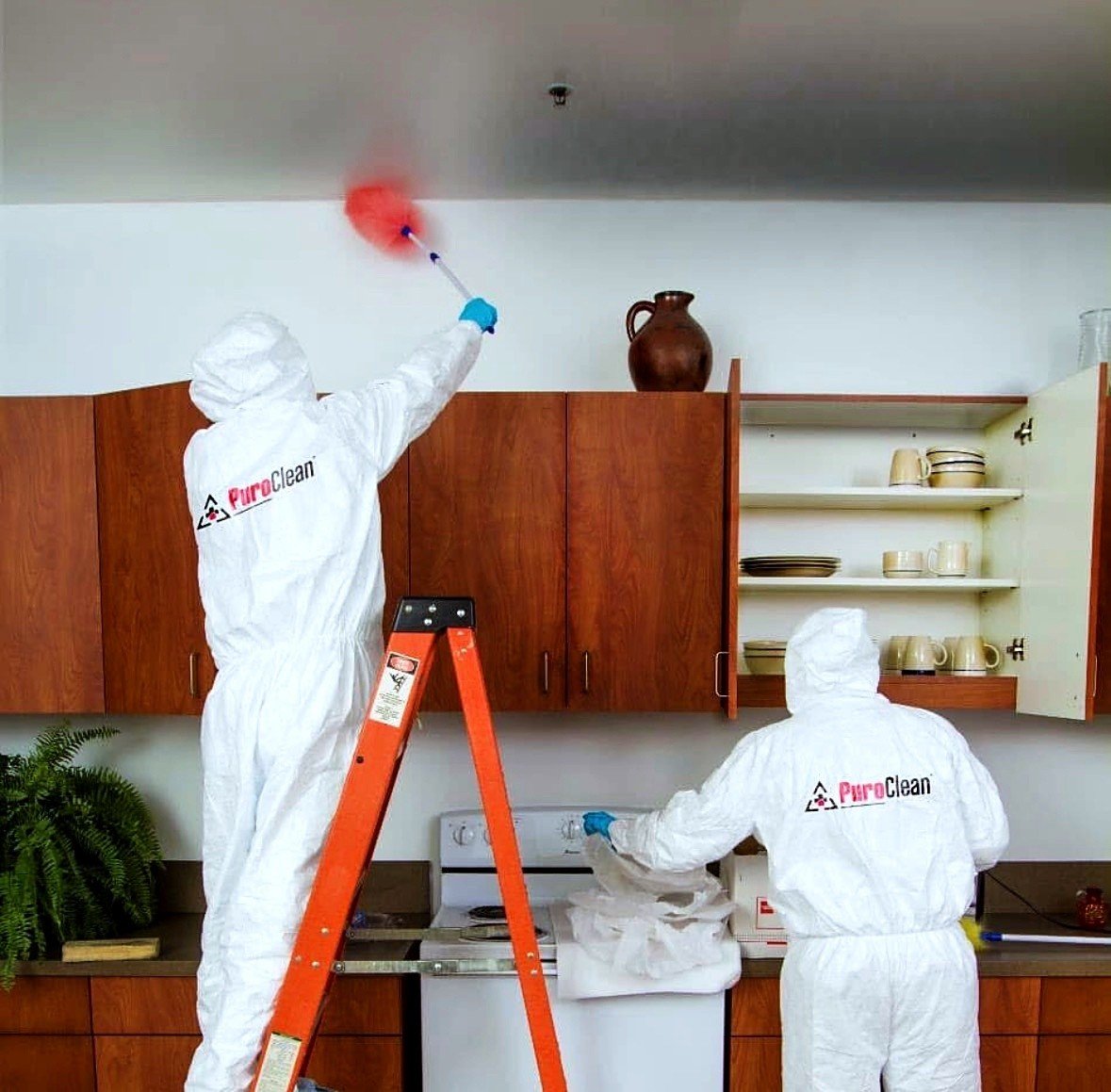
Our fire damage restoration team starts by mapping where the residue traveled. We check the kitchen, the hallway, the rooms above, and the return grilles. Then we plan the work from the top down.
A typical scope includes:
- Cleaning ceilings and walls with products matched to greasy residue
- Degreasing cabinets inside and out, plus the range hood and its filter
- Cleaning or replacing return grilles and supply registers
- Cleaning the duct system and air handler when residue has reached them
- Laundering or sending out drapes, bedding, and upholstery for specialty cleaning
- Treating lingering odor with thermal fogging or, in unoccupied spaces only, ozone
Our process follows ANSI/IICRC S700, the industry standard for fire and smoke damage restoration. The time it takes depends on how far the smoke spread and how many rooms are involved. Some kitchens wrap up quickly. Others need several visits.
You can see the full list of what we handle on our services page.
A Quick Holiday Kitchen Checklist
A few minutes of prep before a big cooking day can save a lot of cleanup:
- Clean the range hood filter so it pulls grease instead of dripping it
- Turn the hood fan on before you start, not after the smoke appears
- Keep a lid that fits your largest pot within reach
- Test the smoke alarm nearest the kitchen
- Swap in a fresh furnace filter so the return side starts clean
- Pick one person to watch the stove when guests arrive
None of this takes long, and it keeps a scorched pot from turning into a whole-house odor problem.
Insurance and Protein Smoke
It may be covered. The Insurance Information Institute’s guide to which disasters homeowners insurance covers lists smoke among the perils on standard policy forms. Every policy is different, though, so call your agent or adjuster before work begins.
Your photos help here. So does a short note of when it happened and which rooms smelled of smoke. If you’d like, we can share our cleaning notes and photos with your adjuster.
Example: A Highland family scorches a large pot of beans while hosting relatives. There’s no flame, but the house smells sour for days, worst near the upstairs return vent. A duct check finds residue on the filter and blower. This is a made-up scenario for illustration, not a real client.
Frequently Asked Questions
Why Does Protein Smoke in Highland Homes Smell Worse Than Wood Smoke?
The residue is oily and clings to surfaces, so the odor releases slowly. It also soaks into paint, fabric, and porous materials more than many people expect.
Can I Clean Protein Residue Myself?
For a small area, a mild degreaser on a glossy surface may work. If the odor has spread through several rooms or into the ducts, professional cleaning is usually more effective.
Do I Need My Ducts Cleaned After a Kitchen Fire?
If the furnace fan ran while the house was smoky, it’s worth having the return side and blower checked. Residue there can keep spreading odor.
Will Painting Cover the Smell?
Not on its own. The surface needs cleaning first, and some jobs also need an odor-blocking primer before paint.
Do You Serve Highland?
Yes. Highland is part of our service area, along with communities on both sides of the river.
Get Help With Protein Smoke in Highland
Owners Jonathan Beever, Andrew Rankel, and Shawn McDermott run PuroClean of Poughkeepsie as a local business. The crew holds IICRC certification and EPA Lead Safe Certification. Phones are answered 24/7 at (845) 320-4646. Our office address is 9 West Oakley Street, Suite 4, Poughkeepsie, NY 12603.
Highland, Poughkeepsie, Hyde Park, Arlington, Newburgh, Beacon, Fishkill, Wappingers Falls, Pleasant Valley, and Millbrook are all on our map. So are smaller communities throughout Dutchess County and Orange County.