 PuroClean of Poughkeepsie
 Table of Contents
- What Is Biohazard Cleanup?
- Why Newburgh Properties Need Professional Services
- Common Emergencies in Newburgh
- The Professional Remediation Process
- Health Risks of Improper Cleanup
- OSHA & New York State Compliance Requirements
- Why Choose PuroClean of Poughkeepsie
- FAQs About Professional Cleanup Services
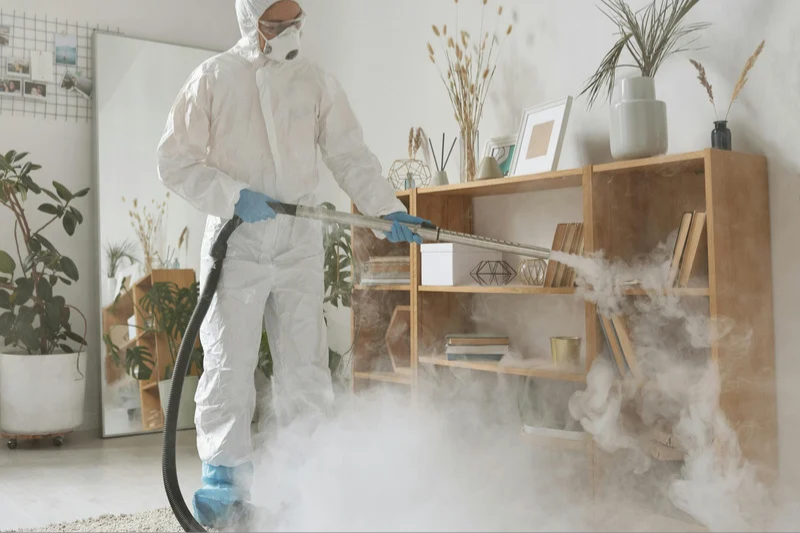
What Is Biohazard Cleanup?
Biohazard cleanup involves the professional removal, decontamination, and disposal of hazardous biological materials that pose serious health risks to humans. These biohazard cleanup incidents require specialized training, medical-grade disinfectants, and strict adherence to federal and state safety regulations.
When you need biohazard cleanup services in Newburgh, NY, you’re dealing with potentially life-threatening contamination that demands immediate professional intervention. Unlike standard cleaning, certified technicians must follow OSHA protocols to protect both property occupants and cleanup crews.
Materials Requiring Professional Services
According to OSHA’s Bloodborne Pathogens Standard (29 CFR 1910.1030), materials requiring professional biohazard cleanup include:
- Human blood and bodily fluids (bloodborne pathogens like HIV, Hepatitis B/C)
- Sewage and toilet overflow (Category 3 contaminated water)
- Animal waste and carcasses
- Decomposition materials from unattended deaths
- Drug residue and paraphernalia (non-law-enforcement remediation)
- Hoarding-related contamination (combined waste, pests, biological materials)
- Crime scene and trauma residue
These materials contain bacteria, viruses, and toxic substances that spread disease through direct contact, airborne transmission, or surface contamination. Professional services eliminate these threats completely. When in doubt, call PuroClean and ask for professional advice. We are hear to help you work through your sensitive situation and can assist you further with an insurance claim when applicable.
Why Newburgh Properties Need Professional Services
Newburgh, NY faces unique challenges requiring specialized biohazard cleanup due to its historic building stock and urban density. With approximately 28,200 residents living in just 3.8 square miles, Newburgh has one of the highest population densities in New York State at 7,373 people per square mile.That level of density means:
- More multi-family housing
- More shared plumbing systems
- More backups and overflows
- More commercial foot traffic
- More medical, retail, and public access facilities
- More calls related to trauma, accidents, waste contamination, and sewage failures
Biohazards scale with the number of people in a concentrated area—density correlates with increased incidents.
Historic Building Vulnerabilities
Newburgh’s East End Historic District contains more than 4,000 significant buildings, many constructed before 1940. The city’s historic architecture creates specific scenarios requiring professional intervention:
Aging Plumbing Infrastructure: Historic buildings often have aging plumbing pipes made from galvanized steel, lead, and cast iron that corrode, leading to leaks and pipe bursts. These failures frequently result in sewage backups requiring emergency biohazard cleanup.
Multi-Unit Residential Buildings: In Newburgh, 68.3% of housing units are occupied by renters, with many residents living in older multi-family buildings where contamination incidents can affect multiple units and common areas.
Limited Space for Remediation: Historic structures often lack generous space found in modern construction, making proper containment and decontamination more challenging during remediation operations.
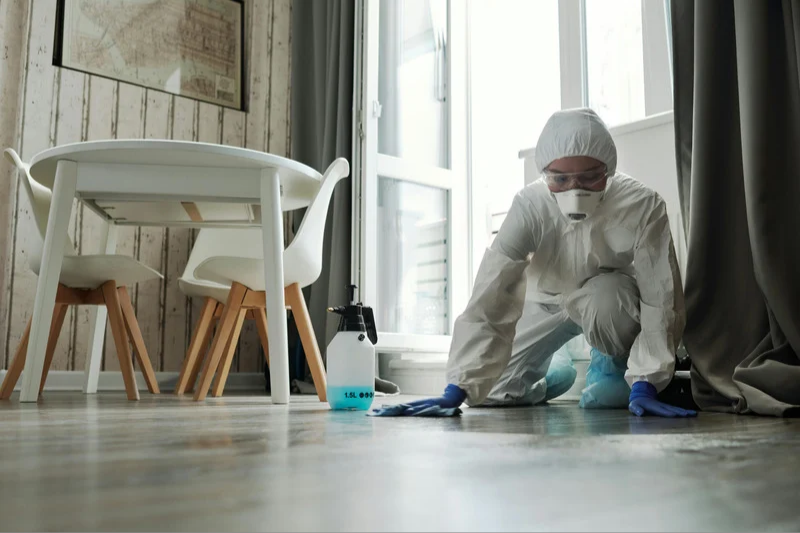
Biohazard cleanup in Poughkeepsie NY often means working to clean up areas where a devastating event has happened, and requires certified cleanup of chemical spills, blood, or human and animal remains. Cleaning property during a biohazard cleaning includes the application of EPA approved hospital grade disinfectants and complete deodorization of the affected space.
Our Biohazard Cleaning Services for the Poughkeepsie NY area:
- Sewage Cleanup and Sanitation
- Virus Decontamination and Protection
- Blood and Bodily Fluid Remediation
- Hoarding Cleanup
- Crime Scene Cleanup
- Deodorization and Odor Control
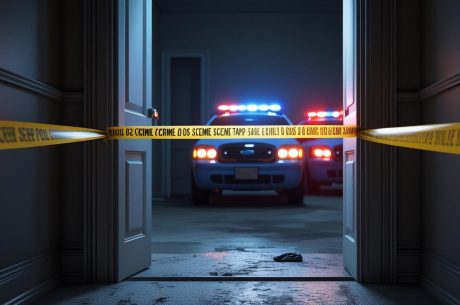
Once police and investigators finish gathering all the evidence from a crime scene, they are not responsible for any of the actual cleanup. Once police release the scene, the property owner is responsible for hiring biohazard cleaning services. The biohazard cleaning crew can only start working after police have officially released the scene.
Common Emergencies in Newburgh
1. Sewage Backups in Historic Homes & Mixed-Use Buildings
Sewage emergencies are among the most common situations requiring biohazard cleanup in Newburgh. The city’s aging infrastructure, combined with high-density housing, creates perfect conditions for sewage system failures.
Why Sewage Requires Professional Services:
- Contains E. coli, Salmonella, Hepatitis A, and other pathogens
- Classified as Category 3 “black water” contamination requiring certified remediation
- Can penetrate porous materials (wood flooring, drywall, insulation)
- Creates long-term odor and health problems without proper treatment
Common Causes in Newburgh Properties:
- Collapsed or deteriorated sewer lines in pre-1940 buildings
- Tree root intrusion in older plumbing systems
- Blockages from aging cast iron or galvanized steel pipes
- Basement backups during heavy rain events
2. Trauma & Unattended Death Situations
These sensitive situations require both medical-grade sanitation and compassionate service. Professional biohazard cleanup protects families, future occupants, and property values while handling all biological materials according to New York State regulations.
What Professional Services Involve:
- Removal of all blood, bodily fluids, and tissue
- Treatment of porous surfaces (carpet, subfloor, drywall)
- Deodorization using hospital-grade neutralizers
- Proper disposal through licensed medical waste transporters
- Discreet service to protect privacy and dignity
3. Hoarding Environments with Contamination
Hoarding situations often require comprehensive biohazard cleanup for multiple contamination categories, including human and animal waste, decomposing food, pest infestations, and mold growth. These complex environments demand professional remediation and structural assessment.
Health Risks:
- Airborne pathogens from decomposing organic matter
- Rodent droppings carrying Hantavirus
- Insect infestations spreading bacteria
- Compromised indoor air quality
- Structural damage from moisture and waste accumulation
4. Commercial Property Emergencies
Restaurants, retail stores, apartment complexes, and offices throughout Newburgh frequently require biohazard cleanup for contaminated restrooms, employee break rooms, and maintenance areas. Fast professional response minimizes business downtime and protects against liability.
Common Commercial Scenarios:
- Restroom sewage overflows affecting customer areas
- Employee illness requiring workspace decontamination
- Pest contamination in food service areas
- Blood or bodily fluid incidents requiring immediate remediation
The Professional Remediation Process
Every job follows a structured, science-based workflow designed to ensure complete decontamination and regulatory compliance.
Step 1: Emergency Contact & Rapid Response
24/7 Availability: Call (845) 600-4990 any time, day or night. Our team arrives within hours, not days for emergency biohazard cleanup.
Initial Assessment: We gather essential information about the contamination type, affected areas, and immediate safety concerns to deploy appropriate resources.
Step 2: On-Site Assessment & Hazard Mapping
Our OSHA-trained technicians:
- Inspect all affected zones to determine contamination levels
- Identify porous vs. non-porous materials requiring different treatment protocols
- Determine necessary PPE and engineering controls for safe remediation
- Develop a comprehensive restoration plan
- Document conditions for insurance purposes
Step 3: Containment & Protection of Unaffected Areas
We isolate affected areas using:
- Physical barriers (plastic sheeting, negative air pressure)
- HEPA air filtration systems when appropriate
- Controlled access points to prevent cross-contamination
- Protection of personal belongings and unaffected spaces
Step 4: Safe Removal of Contaminated Materials
Following EPA Resource Conservation and Recovery Act (RCRA) guidelines for biohazard cleanup:
- Porous materials (carpet, padding, upholstery, drywall) are removed and disposed of according to New York State hazardous waste regulations
- Non-porous surfaces (tile, metal, sealed wood) are cleaned and disinfected
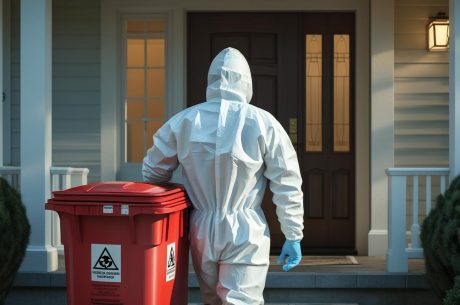
- All contaminated waste is properly containerized in approved red bags or sharps containers
- Materials are transported by licensed medical waste haulers
Step 5: Deep Cleaning, Sanitizing & Disinfection
Using EPA-registered hospital-grade disinfectants:
- Multi-step cleaning process removes organic matter
- Medical-grade disinfectants eliminate bacteria, viruses, and pathogens
- Contact time protocols ensure complete pathogen elimination
- Special attention to high-touch surfaces and hidden areas
Step 6: Advanced Odor Neutralization
Lingering odors from decomposition, sewage, or waste are treated using:
- Hydroxyl generators for occupied spaces
- Ozone treatment for unoccupied properties (when appropriate)
- Enzymatic cleaners for organic odor sources
- Air scrubbers with activated carbon filtration
Step 7: Final Verification & Documentation
Before completing any biohazard cleanup job:
- Final walkthrough confirms all contaminated materials removed
- Air quality assessment when necessary
- Photo documentation of completed work
- Certificate of completion for insurance claims
- Property is safe, clean, and ready for restoration or re-occupancy
Health Risks of Improper Cleanup
Attempting DIY biohazard cleanup or hiring unqualified contractors exposes you to serious health and legal risks.
Disease Transmission
Bloodborne Pathogens:
- HIV (survives in dried blood for 5-6 days)
- Hepatitis B (remains infectious in dried blood for up to 7 days)
- Hepatitis C
- MRSA and other antibiotic-resistant bacteria
Sewage-Related Illnesses:
- E. coli infections causing severe gastrointestinal illness
- Salmonella and Shigella
- Hepatitis A
- Parasitic infections (Giardia, Cryptosporidium)
- Leptospirosis from rodent urine
Airborne Hazards:
- Hantavirus from rodent droppings (mortality rate up to 38%)
- Histoplasmosis from bird and bat droppings
- Mold spores in moisture-damaged areas
Cross-Contamination
Improper biohazard cleanup often spreads contamination instead of eliminating it. Common mistakes include:
- Using household cleaners that don’t kill pathogens
- Failing to remove contaminated porous materials
- Not properly disposing of cleanup materials
- Contaminating clean areas through improper PPE use
Legal and Financial Consequences
Property owners who don’t use certified professionals risk:
- Insurance claim denial for non-compliant remediation
- OSHA violations and fines for exposing workers or tenants to biohazards
- Liability lawsuits if someone contracts an illness from improper treatment
- Property value loss from lingering contamination or odors
- EPA fines for improper disposal of hazardous waste
OSHA & New York State Compliance Requirements
Professional biohazard cleanup in New York must comply with multiple regulatory frameworks.
Federal OSHA Standards
Bloodborne Pathogens Standard (29 CFR 1910.1030):
- Requires written exposure control plans
- Mandates use of appropriate PPE (gloves, eye protection, face shields, fluid-resistant suits)
- Requires annual employee training
- Establishes protocols for sharps handling and disposal
- Requires Hepatitis B vaccination for at-risk workers
Hazard Communication Standard:
- Proper labeling of biohazardous materials
- Safety Data Sheets (SDS) for all chemicals used
- Employee right-to-know training
EPA Regulations
Resource Conservation and Recovery Act (RCRA):
- Governs generation, transportation, and disposal of hazardous waste
- Requires use of licensed medical waste transporters
- Mandates proper containerization and labeling
- Tracking documentation from generation to final disposal
New York State Department of Health Requirements
While New York doesn’t require a specific state license for biohazard cleanup (unlike California or Florida), professionals must:
- Follow NYS Department of Health guidelines for infectious waste management
- Use only approved biohazardous waste transporters licensed in New York
- Comply with local Orange County health department regulations
- Maintain proper insurance coverage
Professional Equipment Standards
Certified technicians use:
- Personal Protective Equipment: Tyvek suits, N95 or N100 respirators, nitrile gloves (double-layered), face shields, fluid-resistant boots
- Containment Tools: Negative air machines, HEPA filters, plastic sheeting
- Cleaning Agents: EPA-registered hospital-grade disinfectants effective against bloodborne pathogens
- Disposal Containers: DOT-approved red biohazard bags, puncture-resistant sharps containers
- Specialized Equipment: Autoclaves for sterilization, commercial-grade fogging systems, air scrubbers
Why Choose PuroClean of Poughkeepsie
Industry-Certified Technicians
Our team maintains current certifications in:
- OSHA Bloodborne Pathogens training
- Biohazard remediation protocols
- Infectious disease control
- Hazardous waste handling
Local Expertise
We understand Newburgh’s unique challenges:
- Historic Building Experience: Trained in working with pre-1940 construction materials and layouts
- East End Historic District Knowledge: Familiar with local preservation requirements and building codes
- Community Connections: Established relationships with local authorities, insurance adjusters, and property managers
Discreet, Compassionate Service
Situations requiring biohazard cleanup often involve trauma, loss, or personal crisis. Our technicians:
- Arrive in unmarked vehicles to protect your privacy
- Handle all interactions with sensitivity and respect
- Work efficiently to minimize disruption
- Communicate clearly throughout the process
24/7 Emergency Response
Biohazards don’t wait for business hours. We provide:
- Immediate phone response any time, day or night
- Rapid on-site arrival (typically within 2-4 hours)
- Weekend and holiday availability
- Direct communication with project manager
Comprehensive Insurance Support
We make the claims process easier by:
- Providing detailed photo documentation
- Preparing itemized scope of work
- Communicating directly with insurance adjusters
- Accepting assignment of insurance benefits when appropriate
Advanced Equipment & Medical-Grade Disinfectants
We invest in the best tools and products:
- Hospital-grade EPA-registered disinfectants
- HEPA filtration systems
- Hydroxyl and ozone generators for odor control
- ATP testing to verify surface cleanliness
- Thermal imaging for moisture detection
FAQs About Professional Cleanup Services
How quickly should biohazard cleanup begin?
Immediately. Biological materials begin breaking down quickly, releasing pathogens and odors. In New York’s climate, decomposition accelerates during warm months. Contact professional help within hours of discovery for best results and to prevent permanent damage.
Will my insurance cover biohazard cleanup?
Most homeowner’s and commercial property insurance policies cover biohazard cleanup for covered events (crime, death, sewage backup). Coverage varies by policy and incident type. We work directly with insurance companies and can help you navigate the claims process.
How long does biohazard cleanup take?
Timeline depends on contamination extent:
- Small incidents (single-room sewage backup): 4-8 hours
- Medium incidents (trauma scene, multi-room contamination): 1-2 days
- Large incidents (extensive hoarding, major sewage damage): 3-7 days
We provide accurate timeframes after initial assessment.
Can I stay in my home during biohazard cleanup?
For safety and efficiency, we recommend temporary relocation during active remediation. Once decontamination is complete and final verification performed, the property is safe for re-occupancy. We coordinate timing to minimize displacement.
What’s the difference between biohazard cleanup and regular cleaning?
Regular cleaning removes visible dirt and some surface bacteria using household products.
Professional biohazard cleanup uses medical-grade disinfectants specifically tested against bloodborne pathogens, follows strict OSHA protocols, properly removes contaminated porous materials, and ensures complete pathogen elimination verified through testing.
Do you handle the disposal of contaminated materials?
Yes. We manage the entire disposal process including:
- Proper containerization in approved biohazard bags/containers
- Transportation by licensed medical waste haulers
- Tracking documentation for regulatory compliance
- Final disposal at approved facilities
- Certificate of destruction when required
What should I do while waiting for professionals to arrive?
Immediate steps:
- Evacuate the area and keep people and pets away
- Do not touch contaminated materials without proper PPE
- Turn off HVAC systems to prevent airborne spread
- Open windows if safe to do so for ventilation
- Contact your insurance company to report the incident
- Take photos from a safe distance for documentation
What NOT to do:
- Don’t attempt cleanup yourself
- Don’t use regular household cleaners
- Don’t flush contaminated materials down drains
- Don’t put contaminated items in regular trash
How do I know cleanup was done properly?
Professional companies provide:
- Before and after photo documentation
- Certificate of completion
- List of all materials removed
- Disposal tracking documentation
- ATP (adenosine triphosphate) testing results showing surface cleanliness
- Air quality testing when appropriate
Are services confidential?
Absolutely. We understand the sensitive nature of these situations. All services are:
- Performed with discretion using unmarked vehicles
- Protected under client confidentiality agreements
- Handled by trained professionals who respect your privacy
- Documented with secure record-keeping
What makes sewage cleanup a biohazard?
Sewage contains human waste contaminated with:
- Bacteria (E. coli, Salmonella, Shigella)
- Viruses (Hepatitis A, Norovirus, Rotavirus)
- Parasites (Giardia, Cryptosporidium)
- Chemicals and medications
- Industrial waste in municipal systems
The CDC classifies sewage as Category 3 “black water” – the most hazardous level of water contamination requiring professional biohazard cleanup.
Protecting Newburgh Properties & Families
Biohazard cleanup incidents are among the most challenging emergencies a property owner can face. Whether you’re dealing with sewage backup in a historic Liberty Street building, contamination in a downtown commercial space, or a sensitive trauma situation, professional help is essential.
Service Excellence in Biohazard Cleanup
PuroClean of Poughkeepsie serves Newburgh with the expertise, equipment, and compassion needed for professional biohazard cleanup that restores safety quickly and completely. Our OSHA-certified technicians understand the unique requirements of Newburgh’s historic properties and diverse community.
Don’t risk your health or property value by delaying professional intervention. Contact us immediately for fast, discreet, and expert service.
Emergency Biohazard Cleanup in Newburgh, NY
PuroClean of Poughkeepsie
📞 (845) 600-4990
🚑 The Paramedics of Property Damage®
Available 24/7/365 for emergency biohazard cleanup, sewage, trauma, fire, water, and mold services in Newburgh and surrounding Orange County communities.
Service Areas: Newburgh, New Windsor, Cornwall, Beacon, Poughkeepsie, Wappingers Falls, Fishkill, and throughout the Hudson Valley.
We’re here when you need us most. Let our team restore safety—and help you move forward. PuroClean of Poughkeepsie is your go-to local restoration team. Call us 24/7 to start the recovery process. From the first call to final inspection, we’ll walk you through every step—restoring your home and your peace of mind.
Directions from Newburgh to PuroClean of Poughkeepsie
Additional Resources
- Orange County Health Department: (845) 291-2331
- Newburgh Police Non-Emergency: (845) 561-3131
- New York State Department of Health: health.ny.gov
- EPA Biohazard Information: epa.gov/homeland-security-waste
- OSHA Bloodborne Pathogens: osha.gov/bloodborne-pathogens
 PuroClean of Poughkeepsie