 PuroClean of Poughkeepsie
Questions about water damage? Call PuroClean of Poughkeepsie at (845) 320-4646
Ceiling stains in Poughkeepsie are one of the most common warning signs of water damage and one of the most misunderstood. Many homeowners assume a ceiling stain is either cosmetic or indicates a leak that’s already been fixed. The reality is more complex.
By the time discoloration appears on your ceiling, water has already traveled through insulation, framing, and finished materials. In the Hudson Valley, where older housing stock and seasonal weather shifts are common, ceiling stains frequently signal moisture that’s been moving quietly behind surfaces for days or even weeks.
Understanding what a ceiling stain actually means and when it requires professional action can prevent small issues from becoming expensive restoration projects.
Key Takeaways:
- Ceiling stains reveal where water traveled — not where it entered. The source is often in a completely different location.
- Stains commonly appear weeks or months after the original leak stops as trapped moisture slowly works its way to visible surfaces.
- Paint acts as a vapor barrier. Covering a stain without addressing moisture causes it to bleed through later — often worse than before.
- Visual inspection isn’t enough. Ceiling stains in Poughkeepsie can be old, active, or seasonally reactivated, and appearance alone can’t determine which.
- Dry-to-the-touch doesn’t mean dry. Moisture often remains trapped in insulation, framing, and ceiling cavities even when surfaces feel firm.
- In older Hudson Valley homes, ceiling stains frequently trace back to second-floor bathrooms, flat roofing systems, and plumbing in exterior walls.
- Professional moisture detection reveals hidden damage beyond what’s visible, preventing repeat issues and larger repair bills.
- Early assessment reduces costs. Waiting allows secondary damage (mold, structural deterioration, insulation failure) to develop unseen.
Why Ceiling Stains Rarely Start Where You See Them
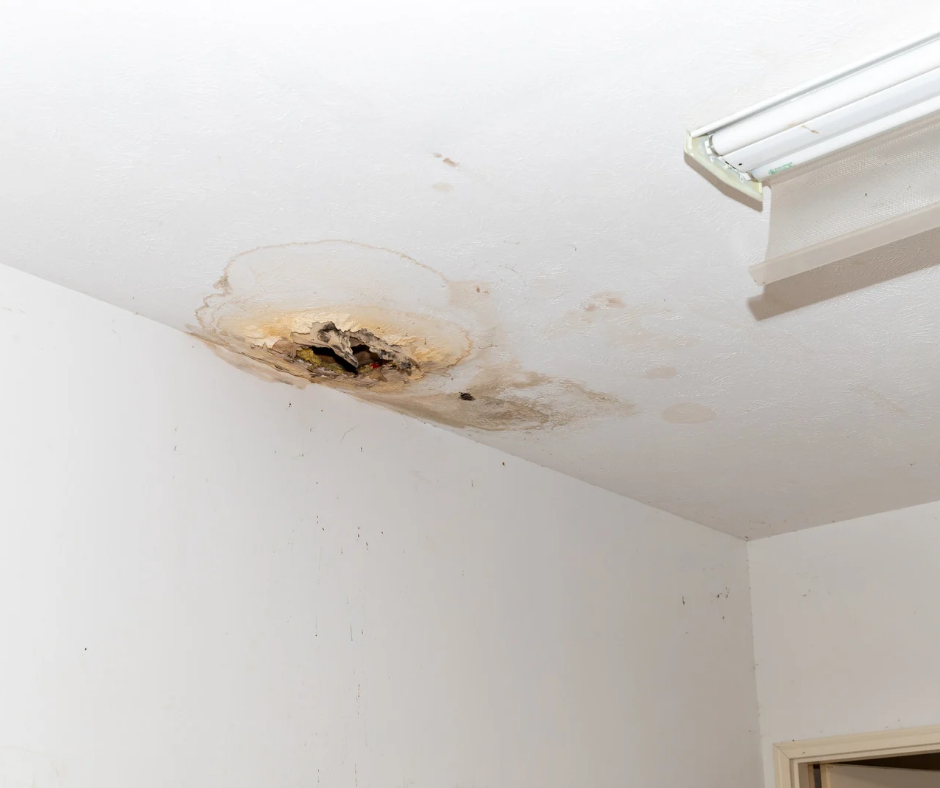
Ceiling stains aren’t the source of water intrusion. They’re the final visible point of a much longer moisture path.
Water typically enters homes through:
- Compromised roofing systems and flashing
- Second-floor bathrooms or laundry areas
- Plumbing lines running through exterior walls
- HVAC condensate or sprinkler lines
- Winter-related freeze and thaw events
Once water enters a structure, it follows gravity and the path of least resistance. Insulation absorbs moisture, framing allows lateral movement, and eventually that moisture works its way downward. By the time discoloration appears on a ceiling, the original water source may have been inactive for weeks — but residual moisture often remains trapped in structural materials.
3 Reasons Ceiling Stains Appear After the Leak Stops
1. Moisture Becomes Visible During the Drying Phase
As wet materials dry, dissolved minerals, rust, tannins, and other contaminants migrate to the surface. This creates brown or yellow staining even when no active dripping is present.
2. Paint Acts as a Vapor Barrier
Modern ceiling paints slow evaporation. When moisture is trapped behind painted surfaces, pressure builds, leading to bubbling, peeling, or delayed discoloration that can appear weeks after the original water event.
3. Seasonal Temperature Changes Reactivate Dormant Moisture
In Poughkeepsie, freeze-thaw cycles and humidity shifts can cause previously stable moisture to redistribute through materials. This is why ceiling stains sometimes appear or worsen during spring warmth or after winter cold snaps — even when the original leak occurred months earlier.
How to Tell If a Ceiling Stain Is Old, Active, or Returning
Not all ceiling stains indicate the same level of risk. Certain visual and environmental cues can help you determine what’s happening behind the surface.
Signs the stain may be older or inactive:
- Sharp, defined edges with no expansion
- Firm, dry drywall when touched
- No musty odor
- No darkening after rain or temperature changes
Signs the stain may indicate active or recurring moisture:
- Soft, spongy, or sagging ceiling material
- Bubbling, flaking, or peeling paint
- Darkening during storms or humid afternoons
- Musty or damp odors near the affected area
Even when a stain appears completely dry, past moisture exposure can compromise materials behind the ceiling. This hidden damage often isn’t discovered until paint fails or materials begin to deteriorate.
Can Ceiling Stains Indicate Hidden Mold Even If None Is Visible?
Yes. Ceiling cavities create ideal conditions for microbial growth:
- Limited airflow
- Darkness
- Organic materials (paper backing, wood, dust)
- Insulation that retains moisture
- Intermittent wetting and drying cycles
In older Poughkeepsie homes especially those built before modern building codes mold growth may develop behind drywall or within insulation without ever appearing on visible surfaces. This is why professional evaluations focus on moisture history, material condition, and environmental factors rather than relying solely on visual inspection.
Why Painting Over Ceiling Stains Usually Makes Things Worse
Painting over a ceiling stain without addressing the underlying cause doesn’t resolve the problem. It typically delays it — and often makes future repairs more extensive.
Covering a stain without remediation can:
- Trap residual moisture inside ceiling materials
- Seal contaminants (minerals, mold spores, bacteria) into building assemblies
- Delay detection of ongoing or returning leaks
- Cause stains to bleed through primer and paint within months
- Increase the scope and cost of eventual repairs
When a ceiling stain returns after painting, it almost always means either the moisture source wasn’t eliminated or affected materials weren’t properly dried and treated before cosmetic work began.
Who Should You Call First for a Ceiling Stain?
The right professional depends on what’s causing the stain and what you already know about the source.
Roof-related stains after storms → Roofing contractor
Circular stains directly beneath bathrooms → Licensed plumber
Stains affecting multiple rooms or building levels → Water damage restoration professional
Returning stains with no clear source → Moisture assessment and restoration professional
Restoration professionals don’t just look at the visible stain. They evaluate how water moved through the structure, which materials were compromised, and what steps are necessary to prevent recurrence.
What We Commonly See in Poughkeepsie and the Hudson Valley
At PuroClean of Poughkeepsie, ceiling stains most frequently trace back to:
- Second-floor bathroom leaks (shower pans, toilet seals, supply lines)
- Flat or low-slope roofing systems common in older construction
- Plumbing lines routed through exterior walls (freeze risk)
- Winter pipe issues that don’t surface until spring thaw
- Multi-unit buildings with shared plumbing or HVAC systems
Because water doesn’t travel in straight lines through a structure, visible ceiling damage often represents only part of the overall affected area. Professional moisture mapping helps identify the full extent of damage — not just the obvious discoloration.
When a Ceiling Stain Requires Professional Evaluation
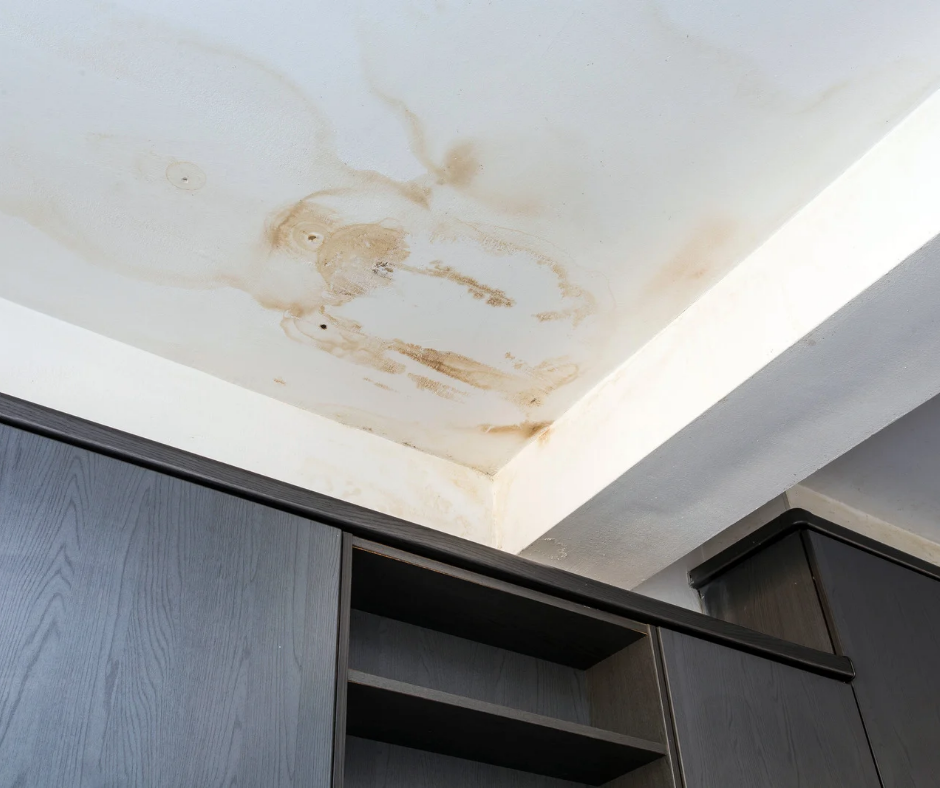
A ceiling stain should be assessed by a restoration professional if:
- It grows, darkens, or expands over time
- Paint begins to bubble, peel, or crack around the stain
- Musty or damp odors develop
- Multiple stains appear in different areas
- The water source is unclear or can’t be identified
- The stain returns after repairs or repainting
Early professional assessment typically reduces repair costs and prevents secondary damage to flooring, insulation, framing, and adjacent rooms.
Ceiling Stains Are Clues — Not the Entire Problem
Ceiling stains in Poughkeepsie NY are signals that water has moved through your home in ways that aren’t immediately visible. Identifying what caused the stain, how long moisture was present, and which building materials were affected allows for informed repair decisions — not guesswork or cosmetic cover-ups.
Professional evaluation focuses on understanding the full story behind the stain, documenting moisture levels, and determining whether affected materials can be dried and restored or need replacement.
If you’re seeing ceiling discoloration and aren’t sure what it means, having it properly assessed protects your home and helps prevent more extensive damage down the line.
Concerned about a ceiling stain?
If you’re unsure whether a stain indicates past or ongoing damage, PuroClean of Poughkeepsie can help evaluate the situation and explain the appropriate next steps.
Prevention: Modern Products That Reduce Ceiling Stain Risk
While no building material prevents water intrusion entirely, newer construction and retrofit products can significantly reduce the likelihood and severity of ceiling stains.
Moisture-Resistant Drywall
Modern drywall products absorb less water and dry more evenly than traditional gypsum board, reducing staining and material breakdown after minor leaks.
Examples:
- USG Sheetrock® Mold Tough® — usg.com
- Georgia-Pacific DensArmor Plus® — buildgp.com
Advanced Insulation Materials
Closed-cell spray foam and treated mineral wool resist saturation better than traditional fiberglass, limiting the lateral water movement that often leads to ceiling stains in unexpected locations.
Examples:
- Owens Corning closed-cell spray foam & treated insulation — owenscorning.com
- Rockwool water-resistant mineral wool — rockwool.com
Ice-Dam Prevention Systems
Self-adhering ice barrier membranes and improved roof ventilation help prevent winter moisture intrusion — a common cause of ceiling stains in the Hudson Valley.
Examples:
- GAF Ice & Water Shield™ — gaf.com
- CertainTeed WinterGuard® membranes — certainteed.com
Smart Leak Detection & Automatic Shutoff Systems
Leak detection sensors and whole-home water shutoff systems can identify leaks early and stop water flow before ceiling damage occurs.
Examples:
- Flo by Moen — moen.com/flo
- Phyn smart water assistant — phyn.com
Modern Plumbing Materials
PEX and other flexible plumbing systems reduce freeze risk and eliminate failure points common in older galvanized or copper installations.
Examples:
- Uponor PEX piping systems — uponor.com
Frequently Asked Questions
Are ceiling stains in Poughkeepsie NY always a sign of an active leak?
No. Ceiling stains in Poughkeepsie NY often appear after a leak has already stopped. Water can remain trapped in insulation or ceiling cavities and become visible later as materials dry or shift with temperature changes.
What PuroClean does: PuroClean of Poughkeepsie provides water damage inspections that include moisture measurements to determine whether a ceiling stain is historical, active, or at risk of returning.
Can ceiling stains come back after being painted over?
Yes. Painting over a ceiling stain without addressing trapped moisture frequently causes stains to reappear. Paint can trap residual moisture behind the surface, leading to bubbling, peeling, or new discoloration months later.
What PuroClean does: PuroClean evaluates whether ceiling materials are fully dry or need to be removed or treated before any cosmetic repairs are made.
How do professionals tell if a ceiling stain is old or active?
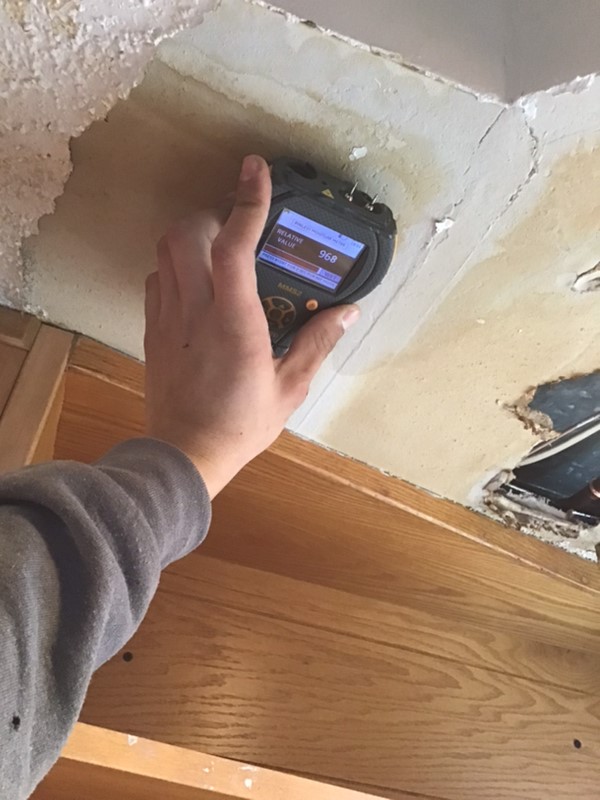
Visual appearance alone isn’t enough. Restoration professionals use moisture detection equipment to measure moisture content in ceilings and surrounding materials, determining whether water is still present or if the stain is from a past event.
What PuroClean does: PuroClean uses moisture assessment tools to identify affected areas beyond what’s visible, helping prevent missed damage and future issues.
Do ceiling stains mean mold is present even if I can’t see it?
Not always, but ceiling cavities can support microbial growth due to limited airflow, darkness, and intermittent moisture, especially in older homes common throughout Poughkeepsie and the Hudson Valley.
What PuroClean does: While PuroClean does not perform mold testing, they assess moisture conditions and material damage and can recommend appropriate next steps if mold concerns exist.
When should I call a restoration company for ceiling stains in Poughkeepsie NY?
You should contact a restoration professional when:
- The source of the stain is unclear
- Stains grow, darken, or return after repairs
- Multiple rooms are affected
- Paint begins bubbling or peeling
- Odors develop near the stained area
What PuroClean does: PuroClean helps identify the cause, extent, and impact of water damage so repairs are done correctly the first time.
Concerned About a Ceiling Stain?
Ceiling stains don’t always mean there’s an active leak — but they do mean water has moved through your home at some point. The real question is whether that moisture is fully resolved or still affecting materials behind the ceiling, where damage can continue quietly.
When you work with PuroClean of Poughkeepsie, you’re not just getting a quick opinion — you’re getting a restoration team trained to assess water damage the right way, in the right order, so the problem doesn’t repeat.
Here’s what we do, step by step:
- Listen + confirm the timeline
We ask when you noticed the stain, whether it changes during weather shifts, and what repairs (if any) have already been done. - Inspect the area and likely source zones
We evaluate the ceiling stain and check common contributing areas — roofing points, plumbing lines, bathrooms, and any adjacent rooms where water may have traveled. - Measure moisture levels with professional tools
We use moisture detection equipment to help determine whether materials are dry, damp, or actively affected — and whether moisture has spread beyond the visible stain. - Explain what we found in plain language
You’ll know if the stain is likely old, active, or reoccurring — and what the risk is if it’s left alone. - Recommend the next best action
If drying, mitigation, or removal is needed, we outline the correct steps. If it’s a plumbing or roofing issue first, we’ll tell you that too — because restoration only works when the source is addressed. - Restore with a focus on prevention
When mitigation is required, we work to limit the scope, protect unaffected areas, and help reduce the chance of future staining or hidden moisture issues.
The benefit of working with PuroClean
With PuroClean, you’re choosing a team built for urgency and precision — trained systems, proven methods, and a customer-first approach. We don’t just treat what you can see; we help identify what’s happening behind the scenes so your repairs hold up long-term.
Call (845) 320-4646 or visit Water Damage Restoration Services to learn more.


 PuroClean of Poughkeepsie