 PuroClean of Poughkeepsie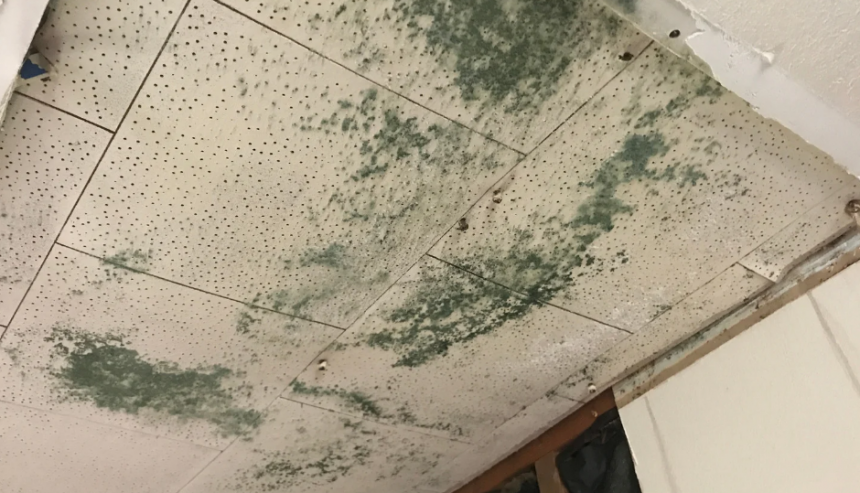
Quick Answer: What Newburgh NY Homeowners Need to Know
If you notice musty odors or dark spots in your Newburgh basement, you’re dealing with mold that can start growing within 24 to 48 hours after any water exposure. Attempting to clean mold yourself with bleach or household products will spread microscopic spores throughout your home without killing the roots embedded in porous materials. The smell you’re noticing indicates active growth affecting your entire home’s air quality because warm air naturally rises and pulls up to half of your first floor’s air directly from your basement.
New York law protects homeowners through Article 32 regulations that establish professional standards for mold work. Your insurance will typically cover remediation costs if the mold resulted from sudden water damage like a burst pipe or appliance failure. Preventing future problems requires maintaining humidity below 50%, addressing leaks immediately, and ensuring your basement has proper ventilation and drainage.
Professional treatment includes containment systems to prevent spore spread, HEPA filtration to capture particles, antimicrobial applications to kill growth at the root, and most importantly, fixing the moisture source causing the problem. Call PuroClean of Poughkeepsie at (845) 600-4990 for immediate help, because delays increase your health risks and repair costs significantly.
Why Do Newburgh Basements Develop Mold Problems?

Newburgh homes face specific challenges that make basement mold particularly common. The Hudson Valley climate brings humid summers when warm outdoor air meets cool basement surfaces and creates condensation. Heavy rainfall throughout spring and fall can overwhelm older drainage systems, allowing water to seep through foundation walls. Winter creates ice dams that force melting snow under roof shingles and into wall cavities, while spring thaw saturates the ground around foundations.
Many Newburgh properties were built decades ago with stone or concrete block foundations that naturally absorb moisture, unlike modern construction with vapor barriers. These older waterproofing systems have often deteriorated, and years of settling create cracks that allow water entry. Original basement designs typically lack the ventilation that current building codes require, trapping humid air inside.
Everyday sources add to moisture problems. Cold water pipes and air conditioning ducts develop condensation that drips onto surfaces. Water heaters and washing machines can develop slow leaks that go unnoticed until mold appears. When sump pumps fail during storms, basements flood. Clogged gutters overflow near foundations, and poor yard grading directs water toward rather than away from your home.
The critical timeline every homeowner should know is that mold begins growing within just 24 to 48 hours after water touches any surface. This is why PuroClean of Poughkeepsie offers around-the-clock emergency response, because quick action prevents mold from ever starting.
What Are New York’s Mold Regulations?
New York enacted Article 32 after Hurricane Sandy to protect residents from mold exposure risks. This law requires licensed professionals to handle assessment and remediation in commercial buildings when affected areas exceed 10 square feet. The regulations mandate that different companies must perform assessment and remediation to prevent conflicts of interest. After work is complete, an independent assessor must verify successful mold removal. Workers must meet specific training and certification standards.
For Newburgh homeowners, these rules provide important protections even though residential work has slightly different requirements. The law ensures that only qualified contractors perform mold work, that proper safety protocols are followed, and that you receive thorough documentation for insurance claims and property sales. Professional companies like PuroClean follow Article 32 protocols as best practices even when not legally required.
New York law also requires property sellers to disclose known mold problems to buyers. Hiding mold issues can result in lawsuits, cancelled sales, and financial liability. If you discover mold before selling, professional remediation with complete documentation protects you legally and shows buyers the problem was properly addressed.
How Does Basement Mold Affect Your Health?
Mold releases microscopic spores that cause various health problems depending on exposure duration and individual sensitivity. Common symptoms include persistent coughing, wheezing, and difficulty breathing that worsens in moldy areas. Many people develop itchy eyes, skin rashes, and frequent sneezing. Those with asthma often experience triggered attacks requiring increased medication use.
Long-term exposure can lead to chronic respiratory conditions and weakened immune response. Certain molds produce mycotoxins that may cause neurological symptoms and severe fatigue with prolonged high-level exposure. Children face elevated risks because their developing respiratory systems and higher breathing rates mean they inhale more spores. Elderly individuals and anyone with compromised immunity are particularly vulnerable.
The Centers for Disease Control states that all mold types require the same level of concern. While “black mold” receives media attention, health effects depend more on exposure amount and personal sensitivity than on the specific species.
Your basement mold doesn’t stay downstairs. Warm air rising through your home creates a “stack effect” that draws basement air upward. Research shows up to 50% of your first floor’s air originates in the basement. If your heating and cooling system connects to the basement, spores spread through every room via air ducts.
If symptoms improve when you leave home, worsen when you’re in the basement, or multiple family members develop similar respiratory issues, call for professional inspection immediately at (845) 600-4990.
Where Does Mold Hide in Newburgh Basements?
Mold doesn’t always appear as visible patches. In finished basements, growth thrives between drywall and foundation walls where moisture gets trapped in dark spaces for months before producing musty odors. Insulation absorbs water and provides food for mold, and once contaminated, it must be completely removed.
Carpet padding acts like a sponge, holding moisture against concrete where mold grows throughout the material before showing on the surface. Vinyl or laminate flooring traps water that seeps through cracks, preventing evaporation and creating hidden growth. Condensation drips onto overhead floor joists, and drop ceiling tiles hide extensive contamination in the space above.
Cardboard storage boxes absorb moisture from humid air while providing food for fungal growth. Window wells collect water that seeps through deteriorated seals. Cold pipes develop condensation, and air conditioning ducts “sweat” when cold air passes through warm spaces.
Professional inspection uses moisture meters to measure water content in materials, infrared cameras to detect hidden moisture without cutting walls, and humidity monitors to assess conditions throughout your space. This equipment finds problems that visual inspection alone would miss.
Why DIY Mold Cleaning Fails
Bleach only kills surface mold on non-porous materials like tile or glass. It cannot penetrate porous materials including drywall, wood, and concrete where mold roots grow deep. Bleach is 90% water, so spraying it on porous materials actually feeds subsurface growth while the chlorine stays on top and quickly breaks down. The whitening effect makes surfaces look clean while leaving the living organism intact underneath.
Painting over mold doesn’t kill it. The organism continues growing beneath paint, feeding on both wall materials and the paint itself. As it grows, mold produces enzymes that break down the paint, causing bubbling and peeling. The moisture problem continues unchecked, perpetuating the cycle.
Dehumidifiers control air humidity but can’t kill existing colonies or address moisture already in materials. They can’t stop water from leaking pipes or foundation cracks. If water keeps entering, no dehumidifier can keep pace.
The biggest danger is spore dispersal. When you disturb colonies without proper containment, you release millions of microscopic spores into your air. These travel through your entire home via doorways, stairwells, and HVAC systems, contaminating clean areas and establishing new colonies wherever they land on moist surfaces.
Professional remediation addresses visible growth and hidden moisture sources while using containment barriers and negative air pressure to prevent spread during removal.
What Does Professional Mold Remediation Include?
Professional treatment follows a comprehensive process that goes far beyond surface cleaning. Inspection uses specialized equipment to map all affected areas and identify moisture sources. This assessment provides the documentation needed for insurance claims.
Containment prevents spore spread using heavy-duty plastic barriers that seal the work area and negative air pressure systems that ensure air flows into but not out of the contained space. Industrial HEPA air scrubbers run continuously throughout the process, capturing 99.97% of particles including mold spores.
Removal involves safely extracting all contaminated materials including affected drywall, insulation, carpet, and ceiling tiles. Workers wear respirators and protective suits. Materials are misted to minimize airborne spores, double-bagged for disposal, and handled according to EPA guidelines. All surfaces receive EPA-registered antimicrobial treatment that kills mold at the root level.
Deep cleaning applies hospital-grade disinfectants to all salvageable surfaces, with additional HEPA vacuuming to capture remaining particles. Industrial dehumidifiers and air movers then dry the space completely, running continuously for typically three to seven days until moisture levels reach safe ranges below 50% relative humidity.
Odor elimination uses hydroxyl generators that break down smell compounds at the molecular level rather than masking them. The process concludes with prevention planning that includes recommendations for fixing moisture sources, drainage improvements, and complete reconstruction to restore your space.
PuroClean of Poughkeepsie’s IICRC-certified technicians receive training at one of only 27 IICRC-approved facilities worldwide. We respond 24/7 because water damage and mold don’t wait for business hours. Our technicians serve Newburgh and surrounding communities with professional equipment and expertise.
How Can You Prevent Mold in Your Newburgh Basement?
Prevention starts with humidity control. Keep indoor levels below 50% year-round using a quality dehumidifier with continuous drain capability. Size it appropriately for your square footage and run it constantly during humid summer months. Monitor levels with an inexpensive hygrometer, checking readings daily during humid weather.
Improve ventilation by opening windows on dry days when outdoor humidity is low, but close them when outside moisture exceeds 60%. Install exhaust fans in windowless areas and keep ceiling fans running to prevent stagnant pockets where moisture accumulates.
Address every water problem immediately. Grade soil away from your foundation at a six-inch slope over ten feet. Extend downspouts six to ten feet from the house. Clean gutters twice yearly or install guards. Test your sump pump quarterly and add a battery backup. Fix any leak the same day you discover it.
Store items in plastic bins with tight lids rather than cardboard boxes. Elevate everything at least six inches off concrete floors using metal shelving. Leave space between stored items and walls for air circulation.
Inspect your basement monthly for water stains, dampness, or musty smells. Test your sump pump quarterly. Clean or replace HVAC filters regularly. Check pipes and appliances for leaks. After heavy rain, inspect immediately for any intrusion.

If water damage occurs despite prevention efforts, call (845) 600-4990 immediately. Our emergency water damage restoration services work within the critical 24-48 hour window before mold begins growing.
When Should You Call for Professional Help?
Seek professional help when you notice visible mold of any size or color. Even small patches indicate moisture problems affecting larger hidden areas. Persistent musty odors that don’t improve after cleaning indicate active growth behind walls or under flooring.
Any water damage requires immediate attention, whether currently wet or showing past evidence like staining. If symptoms improve when you leave home or worsen in the basement, that pattern suggests mold exposure. If multiple family members develop similar respiratory issues simultaneously, professional inspection is warranted.
The 24-48 hour window after water damage is critical. If any flooding, burst pipes, or significant leaks weren’t professionally dried within this timeframe, assume mold has already begun. Every hour of delay increases health risks, damage extent, and eventual costs.
Condensation regularly appearing on windows, pipes, or walls indicates humidity levels too high for mold prevention. Peeling paint or wallpaper often signals moisture problems beneath the surface.
Before finishing a basement, professional inspection identifies existing problems before you cover them with new materials. If you discover mold during renovation, stop work and call for assessment. Before buying or selling property, testing provides documentation and cost estimates for negotiation.
Contact PuroClean of Poughkeepsie at (845) 600-4990 anytime day or night. Our emergency response team serves Newburgh, Beacon, and throughout Orange and Dutchess Counties.
Will Your Insurance Cover Mold Remediation?
Most homeowners insurance covers mold remediation resulting from sudden, accidental water damage including burst pipes, appliance failures, storm damage, and accidental overflows. The water event must be sudden rather than gradual damage from poor maintenance.
Policies typically exclude gradual leaks, long-term humidity problems, and flood-related mold. Standard homeowners insurance doesn’t cover flooding, which requires separate flood insurance. Many policies include mold sub-limits ranging from $5,000 to $10,000 even if the underlying water damage is fully covered.
PuroClean helps maximize coverage by documenting everything from initial contact through completion. We provide detailed inspection reports with moisture readings, comprehensive photographs and video, and estimates using Xactimate software that insurance adjusters use. With your permission, we communicate directly with adjusters to explain technical aspects and provide requested documentation.
Acting quickly strengthens claims. Report damage within 24-48 hours of discovery, document conditions before cleanup, take immediate steps to prevent additional damage, and work with professional remediation rather than attempting DIY fixes.
Frequently Asked Questions About Newburgh Basement Mold
How quickly does mold start growing after water damage? Mold begins growing within 24 to 48 hours after water exposure, with visible colonies appearing within 48 to 72 hours and rapid spread within one week under favorable conditions.
Can you remove mold yourself? Small surface areas under 10 square feet on non-porous materials might be cleaned by homeowners, but professional help is necessary for porous materials, hidden growth, larger areas, health symptoms, or unknown moisture sources.
Is black mold more dangerous? The CDC states all molds require equal concern. Health effects depend on exposure amount and individual sensitivity rather than mold species.
Will mold return after professional treatment? When remediation properly addresses both mold and moisture sources, it should not return. Success requires fixing the conditions that allowed original growth.
What does professional remediation cost? Costs range from $1,500 to $30,000 depending on contamination extent, affected materials, and structural damage, though insurance often covers sudden water damage events.
What should you do immediately after finding mold? Don’t disturb it through cleaning attempts. Document with photos. Stop active water sources if possible. Close doors to affected areas. Notify your insurance company. Contact PuroClean for a professional assessment.
Protect Your Newburgh Home from Basement Mold
Don’t let mold compromise your family’s health or property value. Every hour of delay after water damage increases risks and costs. Contact PuroClean of Poughkeepsie now at (845) 600-4990 for 24/7 emergency response.
Our IICRC-certified technicians provide comprehensive mold remediation, water damage restoration, and complete reconstruction services throughout Newburgh, Beacon, and all of Orange and Dutchess Counties. As the Paramedics of Property Damage, we respond rapidly with professional equipment and expertise to protect your home and restore your peace of mind.
Don’t wait when water strikes your Newburgh property. Contact PuroClean of Poughkeepsie for immediate emergency response, backed by local knowledge and a commitment to preserving Newburgh’s historic character. Our IICRC-certified technicians are available 24/7 at (845) 320-4646 to provide expert water damage restoration services.
Need Help with Water, Fire, or Mold Damage in Newburgh, NY?
PuroClean of Poughkeepsie is your go-to local restoration team. Call us 24/7 to start the recovery process. From the first call to final inspection, we’ll walk you through every step—restoring your home and your peace of mind.
Directions from Newburgh to PuroClean of Poughkeepsie


 PuroClean of Poughkeepsie