


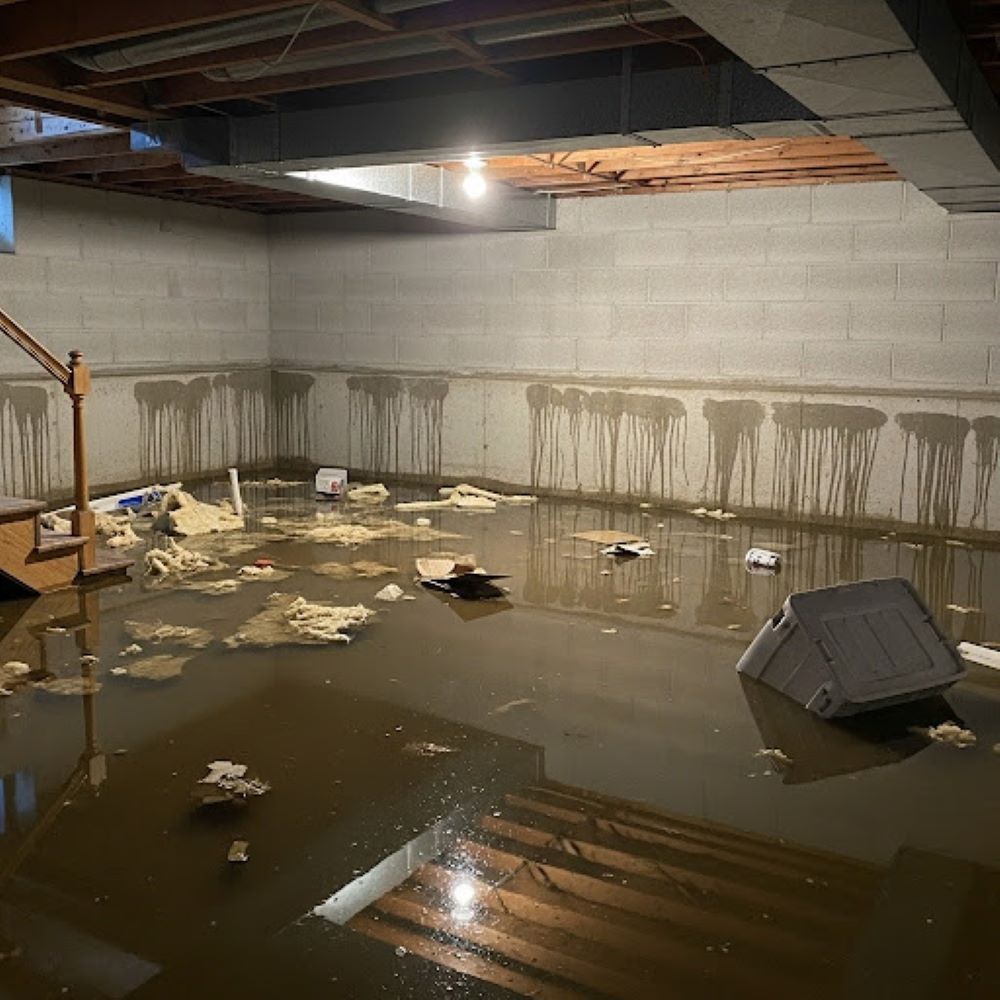
Protect Your Powder Springs Basement Before Storms Hit
Basement water can move quickly. One strong spring storm in Powder Springs can turn a dry, safe space into a soaked, unsafe mess in just a few hours. When heavy rain hits hard clay soil and older foundations, water often looks for the weakest spot and finds its way inside.
Around Cobb County, we see quick downpours, strong thunderstorms, and long, steady rains that soak the ground. Homes in Powder Springs are at special risk because of sloped yards, red clay that holds water, and drainage systems that may not keep up. In this article, we will walk through how to spot early signs of basement water damage in Powder Springs, what professional water extraction really looks like, and what you can start doing now to protect your home and avoid long-term damage.
Why Spring Storms Threaten Powder Springs Basements
When spring storms roll through, they often bring fast, heavy rain that the ground cannot absorb right away. Late March through May is a common time for this pattern around Powder Springs. The soil gets soaked, storm after storm, and that water pushes against basement walls and the floor.
Several local factors make things worse. Georgia red clay drains slowly and holds moisture. Many yards in Powder Springs are sloped toward the house, older foundations may have small cracks or worn-out sealants, and drainage systems are not always sized for stronger storms.
As the ground fills up, water starts looking for weak points around your foundation. Common entry points include:
- Small cracks in foundation walls or floors
- Basement window wells that collect water
- Sump pumps that fail or lose power
- Clogged gutters that spill water right next to the house
- Downspouts that end too close to the foundation
- Poor grading that slopes toward the basement wall
What starts as a little seepage can turn into serious basement water damage in Powder Springs when a strong storm parks over your neighborhood.
The real trouble is not just the puddles you can see. Moisture can soak into drywall and baseboards, insulation inside the walls, and wood framing and subfloors. Even if the standing water seems minor, damp materials can stay wet for days, and that trapped moisture can lead to mold growth, soft or warped wood, and musty odors. Mold and bacteria in a damp basement are especially risky for young children, older adults, and anyone with allergies or asthma.
First 24 Hours After Water Invades Your Basement
When water first enters your basement, safety has to come before cleanup. Before you do anything else:
- If water is deep or near outlets, have the power to that area shut off by a qualified person
- Do not step into water if you are not sure the electricity is off
- Stay out of any water that looks dirty, smells bad, or might include sewage
If flooding is severe or you are unsure about safety, you may need to speak with your utility company, your insurance provider, or local authorities to understand your next steps.
If it is safe to enter the area, some smart first moves include:
- Moving electronics, furniture, and boxes out of the wet zone
- Getting porous items like rugs, cardboard, and fabric off the floor
- Taking clear photos and videos of the water, the high-water line on walls, and damaged belongings
- Writing down when you first noticed water coming in
These simple steps can help protect what you own and support any insurance claim.
In many basement situations, DIY tools only go so far. A small shop vac and a couple of fans usually cannot reach water trapped under flooring, moisture inside walls or under baseboards, or wet insulation and wall cavities. Mold can start to form in as little as one to two days when surfaces stay damp. That short window is why quick, professional water extraction and structural drying can make such a big difference in how much damage you face and how long recovery takes.
How Professional Water Extraction Actually Works
When we respond to basement water damage in Powder Springs, our goal is to move fast and think ahead. We are available day and night, so after storms hit, we can arrive quickly, look over the affected areas, and create a plan.
A professional moisture assessment usually includes:
- A visual check of all rooms, corners, and materials
- Moisture meters pressed against walls, floors, and trim
- Thermal imaging to help spot cold, wet areas behind surfaces
- Checking closets, storage rooms, and hidden spaces that are easy to miss
This helps us find both obvious and hidden moisture, not just the standing water.
Next comes the actual water removal. We use:
- Large pumps for deep standing water
- Powerful extraction machines for carpets, pads, and subfloors
- Specialized tools to pull water from tight spots and corners
Once most of the liquid water is gone, we set up high-velocity air movers and industrial dehumidifiers. These work together to move dry air across wet surfaces so they release moisture, pull water vapor out of the air, and bring humidity back down to a safe level.
Drying is only part of the job. Cleaning and sanitizing matter just as much, especially when storm water may carry soil, debris, or even sewage. Professional technicians often:
- Apply disinfectants to hard surfaces
- Use antimicrobial treatments on at-risk areas
- Remove materials that are too damaged to save
- Check moisture levels daily to track progress and adjust equipment
This careful monitoring helps reduce the chances of mold growth, lingering odors, and long-term structural issues.
Preventing Future Basement Water Damage in Powder Springs
While no one can stop every storm, you can lower the chances that water finds its way into your basement. Before storm season gets busy, it helps to:
- Clean gutters so water flows freely
- Make sure downspouts send water several feet away from your foundation
- Test your sump pump and any backup systems
- Seal small, known foundation cracks with appropriate products
- Refresh caulk around basement windows and doors
Improving drainage and grading around your home can also make a big difference. If your yard slopes toward your house or water tends to pool near the foundation, it may be time to:
- Regrade soil so it slopes away from the basement walls
- Add downspout extensions to carry water farther out into the yard
- Consider French drains or other drainage solutions in problem spots
- Be careful with landscaping, and avoid planting large shrubs right next to the foundation
Some signs that it may be time for a professional inspection include:
- Repeated basement leaks, even small ones
- Musty odors that never really go away
- Paint bubbling or peeling on basement walls
- Efflorescence, which looks like white powder on concrete surfaces
A pre-storm-season moisture and drainage assessment can catch small issues before they turn into emergencies. A few early improvements often prevent major damage, stress, and insurance claims down the road.
Call PuroClean Before the Next Cloudburst Arrives
Basement protection is much easier before the dark clouds roll in. Taking simple steps now, like checking your gutters, testing your sump pump, and walking your basement to look for cracks or damp spots, can spare you a lot of trouble during the next strong storm.
When water still finds a way in, PuroClean of Powder Springs is ready to help with professional water extraction, structural drying, mold remediation, cleaning, and reconstruction services. As a local team familiar with Powder Springs homes and common flooding issues in this area, we understand how quickly storm water can turn into long-term basement damage, and we are prepared to respond whenever you need support.
Protect Your Home From Lasting Water Damage Today
If you are dealing with basement water damage in Powder Springs, our team at Puroclean – Powder Springs is ready to respond quickly and help prevent further damage. We assess the situation, remove water, dry affected areas, and address potential mold issues so your home can be safe again. Reach out to us today to schedule service or ask questions about your specific situation, or contact us for immediate assistance.