


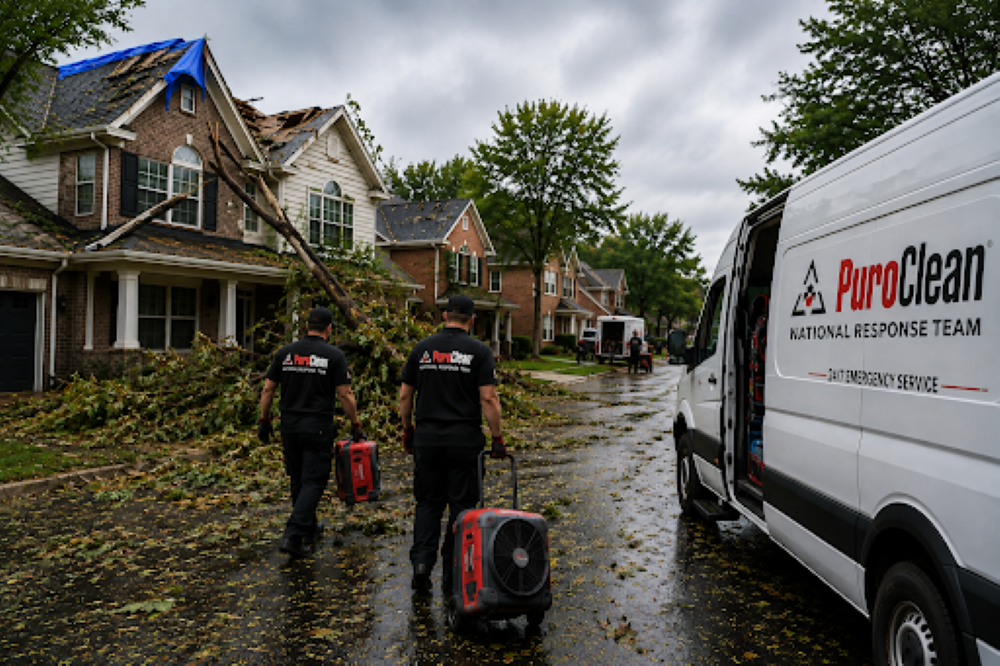
Why the First Six Hours After a Summer Storm Matter
When a fast summer storm tears through Powder Springs, the damage can happen in minutes, but the real trouble often builds in the hours that follow. Rain keeps dripping in, wind keeps pushing at weak spots, and power outages let heat and humidity rise inside your property. What happens in the first six hours can shape how bad the damage gets and how long recovery will take.
The main goals in this early window are simple but urgent: keep people safe, stabilize the building, and stop damage from spreading. That is the heart of emergency restoration services in Powder Springs. We focus on quick action, clear guidance, and smart triage so you are not left guessing about what comes next when you call for help.
How Multi-Hazard Summer Storms Hit Powder Springs
Around late July, our area often gets hit with short but intense storms. They can roll in fast on hot afternoons, bringing dark clouds, heavy rain, and sudden gusts of wind. In a short time, you might see water pouring off roofs, branches snapping, and power flickering off.
These storms are “multi-hazard” because several types of damage can happen at the same time:
- Wind-driven rain pushed under shingles, around windows, and through doors
- Impact damage from falling branches or flying debris hitting roofs and siding
- Flash-style surface flooding in low spots around homes and businesses
- Power outages that stop pumps, AC units, and dehumidification
When the power goes out, moisture problems can get worse. Without AC, indoor air gets hot and humid very quickly. Without fans or dehumidifiers running, wet materials stay wet longer, which raises the risk of mold growth and deeper structural damage.
Local knowledge helps a lot in these moments. In Powder Springs, different streets and neighborhoods have their own patterns. Some have heavier tree cover, others are more prone to ponding water, and some areas see power outages more often. By understanding these patterns, we can plan which crews go where, what equipment they bring, and how to reach properties even when roads are messy.
Inside Dispatch Triage and the First 90 Minutes on Site
When you call after a storm, dispatch triage starts right away. The person on the phone is not just taking your name. They are sorting out the level and type of emergency so we can send the right help as fast as possible.
Typical questions might include:
- Is water still coming in? From a roof, a window, or from outside at ground level?
- Is there roof or window damage you can see from a safe spot?
- Are there signs of structural issues like sagging ceilings, leaning walls, or loud cracking sounds?
- Do you smell smoke, gas, or strong odors from burned or wet materials?
- Is anyone hurt, trapped, or in need of medical help right now?
Life safety is always first. If there is any sign of injury, trapped people, or active fire, dispatch will tell you to contact emergency services if you have not already done so. Next in line are situations where water or smoke is actively spreading through the building. After that, we focus on properties where fast action can stop the loss from becoming much larger or disrupting a business for a long time.
Dispatch also matches crews and equipment to what you report. For example:
- Water extraction teams with pumps, extractors, and moisture meters
- Board-up and roof tarping crews for broken windows or roof openings
- Contents teams to stabilize electronics, documents, and high-value items
- Coordination with electricians when there are power problems or exposed wiring
Once the crew arrives, the first 90 minutes are about safety and stabilization. We start by checking that fire, police, or utility teams have cleared any obvious dangers. Then we do a quick walk-through to check for:
- Live electrical risks in wet areas
- Unstable ceilings or heavy debris overhead
- Broken glass, nails, or sharp objects on the floor
- Strong odors that might point to smoke, fuel, or sewage
We talk through what we see with you in simple terms and outline the first steps. These often include stopping or slowing water intrusion, boarding or securing damaged doors and windows, tarping roof openings where it is safe to do so, shutting off unsafe utilities, and moving or covering important contents to protect them from moisture or more debris.
At the same time, we document what we find. Crews take photos, record moisture readings, and note weather and indoor conditions. This early record helps shape the full restoration plan and supports any insurance claim you may file.
Hours Two to Six: Controlling Water, Moisture, and Mold Risk
Once the scene is safer and the building is somewhat stable, we turn to aggressive moisture control. The goal from hour two to six is to pull out as much water as possible and start drying the structure.
Common steps in this phase include:
- Extracting standing water from floors, hallways, and entry areas
- Pulling up soaked carpet and padding when it cannot be saved
- Shifting furniture and contents to drier areas or elevating them off wet surfaces
- Checking behind obvious entry points, like exterior doors and windows, for hidden moisture
Power outages change how we work. If the building has no power or only partial power, we adjust by:
- Bringing in portable generators when appropriate
- Using lower-amp equipment to reduce strain on any working circuits
- Placing air movers and dehumidifiers in a way that still improves airflow without overloading the system
Hot, humid Georgia air is tough on wet materials. Mold does not need much time to start growing when surfaces stay damp and the air stays sticky. That is why we focus on:
- Reducing indoor humidity as early as conditions allow
- Improving air movement so wet surfaces can start to dry
- Checking likely hidden trouble spots, such as behind wall coverings or under finishes that show staining or warping
Finding and addressing these wet pockets in the first six hours can help prevent larger mold problems and deeper structural issues later.
Managing Wind Damage, Debris, Electrical Hazards, and Restoration
Wind damage often shows up in the roofline first. Crews look for missing shingles, lifted flashing, bent gutters, and gaps in soffits and siding. Anywhere air and water can get in is a concern, especially if more rain is on the way. Temporary repairs such as tarps, plastic sheeting, and emergency board-ups help block new water from entering.
Debris is another key focus. We work to:
- Clear immediate hazards like hanging branches that threaten roofs or walkways
- Remove loose debris that could cut or puncture, such as broken glass and sharp metal pieces
- Separate heavily contaminated organic material from cleaner areas to limit spread of dirt and bacteria
For larger trees and heavy limbs, we coordinate with tree services to handle cuts and removal safely while we protect the structure underneath.
Electrical hazards are treated with extreme care. If we see downed lines nearby, scorched panels, or signs that water has reached outlets or breaker boxes, we keep a safe buffer. In these cases, we may:
- Avoid certain rooms or zones until cleared by a qualified electrician or utility crew
- Focus work in unaffected areas while still advancing drying and cleanup
- Use equipment only on verified safe circuits or generator power
During this early period, we also begin communication that supports the longer road to recovery. Technicians share photos, notes, and moisture readings that can help your insurance adjuster understand what happened and why specific steps are needed. That early insight can help approvals move faster for extended drying, tear-out of unsalvageable materials, and reconstruction where needed.
A strong six-hour response sets the pace for everything that follows. It helps build a clear plan for:
- Ongoing moisture checks and equipment adjustments
- Smoke or odor removal if there was any fire or electrical burning
- Structural repairs to roofs, walls, and interiors once the property is dry and stable
Working with a local emergency restoration team in Powder Springs keeps decisions and crews close to home, which can shorten downtime for both families and businesses.
Preparing for the Next Summer Storm
You cannot control when the next storm hits, but you can be ready for what happens afterward. A simple emergency contact plan can save precious time. It helps to:
- Keep the 24/7 number for a trusted restoration provider in an easy-to-find place
- Review your insurance policy so you know what is covered before a storm
- Share basic plans with household members or staff so they know who to call
Those first six hours after a storm are your best chance to limit long-term damage, reduce mold risk, and protect the structure and contents you care about. A fast, organized response from a local team that knows Powder Springs can make the difference between a short interruption and a long, drawn-out recovery.
Frequently Asked Questions
Why are the first six hours after a summer storm so important?
Those first hours are when water is still spreading, humidity is rising, and small openings can turn into much larger damage. Fast action helps protect people, stabilize the property, and reduce the amount of cleanup and repair needed later.
What does emergency triage mean during storm restoration?
Triage means sorting out the most urgent risks first, such as safety hazards, active water intrusion, and structural concerns. It helps crews arrive with the right equipment and focus on the steps that will limit further loss right away.
How do restoration crews work if the power is out?
They adjust the plan based on what is safe and available, which may include using generator power or working first in areas with verified safe circuits. The goal is to keep drying and stabilization moving without creating new electrical risks.
Can emergency crews help protect the property before full repairs begin?
Yes, that is often part of the early response. Temporary measures like tarping, board-up, and controlled debris removal can help keep more rain and wind from making the damage worse.
What should I have ready when I call for storm restoration help?
Try to share what type of damage you see, whether water is still coming in, if the power is out, and whether anyone is hurt or the structure feels unsafe. A few clear photos can also help the team prepare for what they will find on arrival.
Restore Your Property Quickly With Local Experts You Can Trust
When every minute counts after water, fire, or mold damage, our team at Puroclean – Powder Springs is ready to respond and help protect your business from further loss. Learn how our specialized emergency restoration services in Powder Springs can get your property back up and running safely and efficiently. If you are facing an urgent situation or have questions about next steps, contact us today so we can help you move forward with a clear plan.