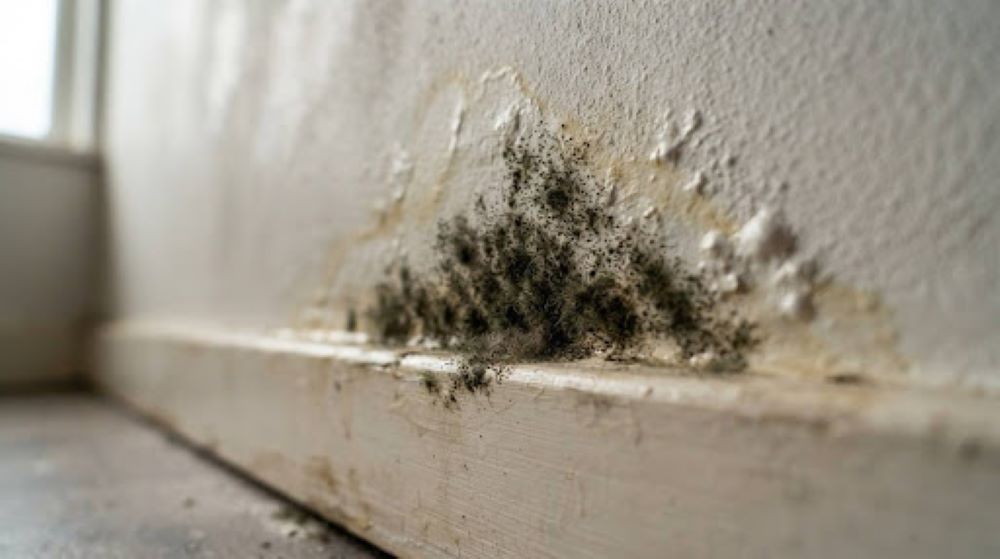
Moisture Traps That Drive Mold Removal in Powder Springs Homes
Moisture does not have to be dramatic to be a problem. In many Powder Springs homes, quiet, everyday habits leave small pockets of damp air and wet surfaces that mold loves. Shower steam, boiling pots, and laundry loads all add up, and if that moisture has nowhere to go, mold can start to grow out of sight.
Local humidity and frequent storms around Powder Springs, GA, make this even harder on homes. When moist outdoor air meets cool indoor surfaces, condensation forms and lingers. That extra moisture can damage walls, ceilings, and wood, and it can affect the air you breathe. When mold appears, understanding where the moisture started is just as important as removing the mold itself.
Bathroom Steam Zones That Never Fully Dry
Bathrooms are one of the top moisture traps in any home. Hot showers and baths fill the room with steam, and if the air does not move out, that steam settles on ceilings, walls, grout, and around windows. Even a bathroom that looks clean can stay damp for hours.
Some common bathroom moisture traps include:
- Fans that are too weak or not run long enough
- Leaking shower doors that drip onto floors and baseboards
- Cracked or missing caulk around tubs, showers, and sinks
- Loose toilet seals that allow slow leaks
Over time, these problems can push moisture behind tile and paint. Mold can start inside walls, around drywall seams, and along the back of baseboards. You may only notice it when paint starts to bubble, grout darkens, or a musty odor shows up.
To help reduce bathroom moisture and lower the risk of a major mold removal project in your Powder Springs home, focus on small but steady habits:
- Upgrade or clean exhaust fans so they actually move air out of the room
- Run the fan during every shower and for at least 20 minutes afterward
- Use moisture-resistant paints on ceilings and walls in bathrooms
- Fix small plumbing leaks fast, including loose faucet handles and drips
- Check around toilets and under vanities often for soft spots, stains, or odors
Kitchen Hot Spots Where Humidity Builds Up
Kitchens create a lot of moisture every day. Cooking, boiling water, washing dishes, and running the dishwasher all send steam into the air. When range hoods do not vent outside or are used only once in a while, that humidity lingers in the room and nearby spaces.
Hidden kitchen moisture zones often include:
- Under sinks where slow leaks or loose traps keep wood damp
- Behind refrigerators with ice makers or water dispensers
- Around dishwashers that seep or overflow slightly during cycles
- Windows that sweat during temperature swings, especially near sinks
These areas can stay damp for long periods, especially if cabinets are packed tight and airflow is poor. Mold can grow on cabinet backs, inside toe kicks, and on the drywall behind appliances before anyone notices a problem.
You can help prevent kitchen moisture from turning into mold by:
- Fixing plumbing drips and loose connections as soon as you spot them
- Wiping condensation from windows and sills instead of leaving it to dry slowly
- Making sure range hoods vent outdoors and using them while cooking
- Pulling refrigerators and dishwashers away from the wall from time to time to look for stains, soft flooring, or a musty smell
Laundry Rooms That Stay Damp and Stuffy
Laundry rooms often feel warm and sticky, which is perfect for mold. High-efficiency washers use less water but can trap moisture inside if doors stay closed. Clogged dryer vents push warm, moist air back into the room. Hanging clothes to dry indoors also adds to the humidity, especially in a small laundry area.
Common hidden moisture issues in laundry spaces include:
- Loose or cracked washer hoses that drip during cycles
- Slow leaks at the hose connections on the wall
- Dryer vents that are damaged or leaking moist air into the room
- Damp walls or trim behind machines where air does not move
When these problems go on, mold can appear on walls, baseboards, and even behind the washer and dryer where you rarely look. The smell may be the first thing you notice.
To keep your laundry room drier and reduce the need for professional mold removal in Powder Springs, GA, try these habits:
- Inspect washer hoses regularly and replace them if they look worn or bulged
- Clean lint filters every time you dry a load and have dryer vents cleaned as needed
- Check vent connections behind the dryer to make sure they are secure and not leaking air
- Use a dehumidifier if the space stays damp or stuffy
- Leave washer doors and laundry room doors open after use to let the area dry out fully
Windows, Attics, and Roof Leaks That Go Unnoticed
Our local weather in Powder Springs, GA, brings plenty of rain and high humidity. After storms, water can sneak in around windows, through small roof openings, or into the attic. Because these areas are not always in plain sight, homeowners may not notice damage until stains or odors appear.
Typical moisture trouble spots include:
- Window seals that have failed, allowing water and outside air to seep in
- Water-stained ceilings caused by minor roof leaks that seem too small to worry about
- Blocked attic vents that trap humid air and heat
- Thin or missing insulation that leads to condensation on wood and ductwork
- HVAC parts in the attic that drip or sweat onto nearby materials
When attics stay damp, mold can grow on rafters, insulation, and the back of ceiling drywall. You may notice a musty smell at the top of the stairs or see faint dark rings on ceilings below.
Proactive steps can help reduce these risks:
- Look closely at ceilings and around window frames after heavy rain
- Watch for peeling paint, bubbling, or dark lines near corners and trim
- Make sure attic ventilation and insulation are balanced so air can move freely
- Have roofs checked on a regular basis to catch worn shingles or flashing early
- Call trained restoration professionals if you see mold, smell musty odors, or notice unexplained water stains
Frequently Asked Questions About Mold In Powder Springs Homes
How Can I Tell If I Have a Hidden Mold Problem?
Look for musty odors, ongoing allergy-like symptoms, and changes on surfaces, such as discolored or bubbling paint. Small dark spots on walls, ceilings, around windows, and in bathrooms, kitchens, and laundry areas can be early signs. If you have had leaks, storm damage, or high humidity, a professional inspection and testing are a good idea.
How Fast Should I Respond to Water Damage to Prevent Mold?
Mold can start to develop soon after materials get wet and stay damp. The sooner affected areas are dried, the better your chances of limiting mold growth. Calling a professional restoration company right away can help make sure moisture is removed correctly.
Can I Clean Mold Myself, or Do I Need a Professional?
Small spots on hard, nonporous surfaces may be cleaned carefully if you follow proper safety steps. However, larger areas, mold that keeps coming back, strong musty odors, or growth linked to plumbing or roof leaks should be handled by certified professionals. They can find the moisture source and safely remove materials that are contaminated.
Will My Insurance Cover Professional Mold Removal?
Coverage depends on your specific policy and the cause of the mold. Many policies may help if the mold is tied to a sudden, covered water event, like a burst pipe or storm-related damage. A professional restoration team can help document what happened and work with your insurance carrier to review possible coverage.
Why Choose PuroClean of Powder Springs for Mold Removal?
PuroClean of Powder Springs is locally owned and provides 24/7 emergency response for mold remediation, water damage, and related cleanup and reconstruction. Our team uses industry-standard techniques and equipment, focuses on safety, and works closely with homeowners and insurers to restore properties as quickly and thoroughly as possible.
Protect Your Home With Expert Mold Removal Today
If you suspect mold in your home, our team at Puroclean – Powder Springs is ready to assess the damage and restore a healthier environment. Start by exploring our professional mold removal in Powder Springs, GA to see how we address both visible growth and hidden moisture issues. When you are ready to move forward or have questions about your specific situation, contact us so we can help you take the next step with confidence.