


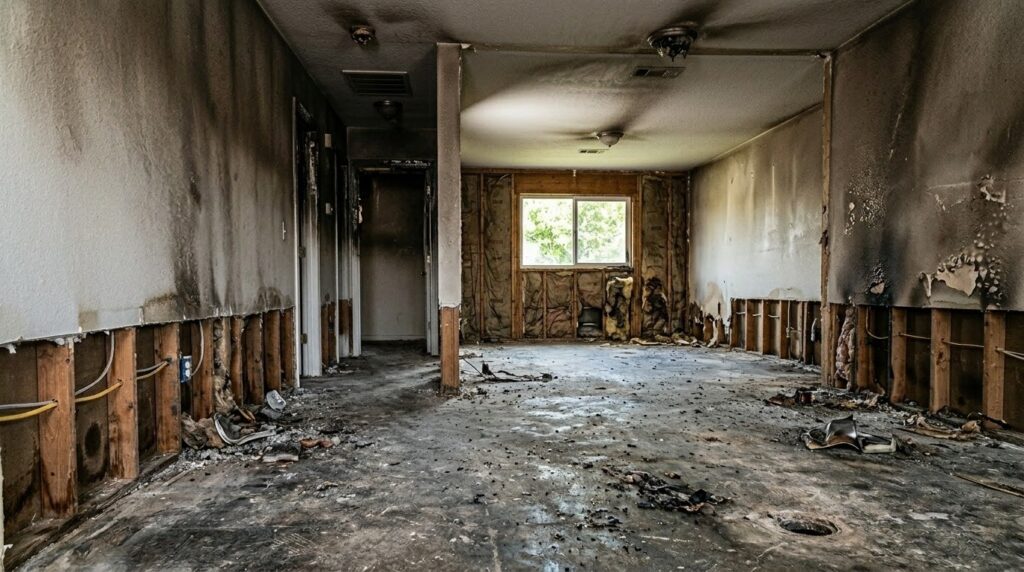
Summer Flooding in Slab Homes
Floodwater in a Georgia summer is tough on any home, but slab homes around Powder Springs take a special kind of beating. In homes built on a concrete slab without a basement, moisture spreads sideways across the concrete and into flooring, walls, and cabinets. What looks like a small puddle on the surface can mean a lot of hidden water inside your home.
Most homes in our area sit directly on a concrete slab rather than over a basement. When heavy rain, storm runoff, or a plumbing leak hits, water rides across that slab and gets pulled into building materials. Summer heat and humidity then step in and make everything worse. Warm, wet air speeds up mold growth and makes it harder for your home to dry out.
In this article, we will explain how summer conditions affect drying, why slab-on-grade homes are different, what to do in the first 24 to 48 hours, and how to lower the chances of mold during dry-out. We will also share when it is time to bring in professional flood damage restoration in Powder Springs so your home and air stay as safe as possible.
How Heat and Humidity Trap Moisture in Slab Homes
On a hot Georgia day, it is tempting to throw open windows and let the air move. After a flood, that can backfire. Outdoor air in summer is usually very humid. When that warm, damp air flows into a cooled, air-conditioned home and hits cooler floors, walls, or furniture, the moisture in the air can turn into condensation and stick to those surfaces.
In a slab home, several things make hidden moisture a real threat:
- Concrete slabs soak up water like a sponge and release it slowly into flooring and walls
- Tile, vinyl, and engineered wood can trap water between the slab and the flooring layer
- Water can wick up into baseboards, drywall, and wall cavities without obvious signs at first
Even when floors feel dry to the touch, moisture can still be rising from the slab underneath. That leftover dampness can cause:
- Warped or buckled flooring
- Loose tiles or peeling vinyl
- Musty odors that do not go away
- Conditions that are perfect for mold growth
Running box fans and opening windows may move air, but in Georgia summer weather, they often just push humid air around. Without strong dehumidification and controlled air movement, the structure can stay damp much longer than you think.
First 24, 48 Hours After a Summer Flood
What happens in the first couple of days after a flood makes a big difference. The goal is to stay safe and limit how much water soaks into the structure.
Safety comes first. If you can do so safely:
- Turn off power to affected areas at the breaker, especially if outlets or cords are wet
- Watch for signs the water might be contaminated, such as strong odor, discoloration, or nearby sewage issues
- Avoid walking through standing water if you are unsure about electrical or contamination risks
If the area is safe and the water is relatively clean, some early steps may help limit damage before professionals arrive:
- Remove small amounts of standing water with a wet or dry vac, if you have safe power
- Move furniture, area rugs, and electronics off wet floors to a dry space
- Take up loose rugs and set them aside for inspection or cleaning
- Discard low-cost items that soak up water fast, like cardboard boxes, some craft supplies, and certain thin fabrics
What you cannot see is often the biggest problem in a slab home. That is why an early professional assessment is so important for flood damage restoration in Powder Springs. Trained technicians use moisture meters and other tools to check:
- Behind baseboards
- Inside wall cavities
- Under flooring layers
- Along the edges where walls meet the slab
Finding those pockets of trapped water early helps avoid long-term damage and mold.
Smart Dry-Out Strategies for Georgia Slab Homes
Drying a wet slab home in Georgia summer weather is not just about moving air. It is about controlling moisture, temperature, and airflow at the same time.
Controlled drying usually involves:
- Dehumidifiers that pull water out of the indoor air
- Air movers that direct air across wet surfaces to speed evaporation
- Careful use of the home’s HVAC system to keep temperatures in a good range for drying
Simply turning the AC very low is not always the answer. If the system is not set up correctly during a dry-out, you can end up with cold surfaces that collect more condensation from humid air.
Common finishes in Georgia slab homes bring their own challenges:
- Glued-down flooring can trap moisture between the glue and the slab
- Laminate flooring often swells and may need to be removed if it has soaked up water
- Baseboards can hide wet drywall and soaked framing behind them
In many cases, small sections of flooring or baseboard must be removed so air can reach the slab and lower wall areas. A professional mitigation plan often includes:
- Mapping where moisture has spread through the home
- Setting clear drying goals for each affected area
- Placing and adjusting equipment based on readings, not guesswork
- Checking progress daily and making changes as materials dry
This careful approach helps protect both the structure and your personal belongings while keeping the dry-out as fast and efficient as possible.
Mold Prevention During Hot, Humid Dry-Out
In summer conditions, mold can begin to grow on wet materials in a short time. That is why speed and humidity control are so important in Powder Springs.
Key mold prevention steps include:
- Bringing indoor humidity down quickly with strong dehumidification
- Removing wet porous materials that cannot reasonably be dried, such as some carpet pads, certain types of carpet, and damaged drywall
- Cleaning solid surfaces with appropriate antimicrobial products after they are dry
Not every dark mark is active mold, but any new staining, fuzzy growth, or spreading discoloration on walls, baseboards, or furniture is a concern. Other common warning signs include:
- A musty or earthy smell that does not fade with normal cleaning
- Paint or wallpaper that bubbles or peels
- Persistent damp areas or cold, clammy surfaces
Surface staining can be from past moisture, while active mold growth continues to spread and may release spores into the air. If there is any doubt, professional mold remediation should be part of the overall flood damage restoration plan. Trained crews can contain the affected area, remove damaged materials safely, and clean the remaining structure correctly.
When to Call PuroClean of Powder Springs
Some small spills or very minor clean water leaks on hard surfaces may be handled quickly before they soak in. But many situations in slab homes call for professional help, especially during our hot, humid months. Strong signs you should bring in a trained team for flood damage restoration in Powder Springs include:
- Water has reached walls, cabinets, or built-in furniture
- More than one room or a large area of flooring is affected
- Standing water has been present for more than a few hours
- You see any signs of mold growth or smell a strong musty odor
- Floors start to buckle, swell, or separate
Local, 24/7 response means drying can start sooner, which helps limit structural damage, reduce the spread of mold, and protect your indoor air. At PuroClean of Powder Springs, we live and work in this climate, so we understand how fast summer conditions can change a wet spot into a serious problem. Careful inspection, moisture monitoring, and controlled drying give your slab home the best possible chance to recover after a summer flood.
Restore Your Property Safely And Quickly Today
If your home or business has been affected by water intrusion, our team at Puroclean – Powder Springs is ready to respond quickly and help you protect your property. Learn how our expert flood damage restoration in Powder Springs can address hidden moisture, prevent mold, and restore your space efficiently. We will walk you through every step of the process so you always know what is happening and what comes next. To schedule service or ask questions about your situation, please contact us today.