


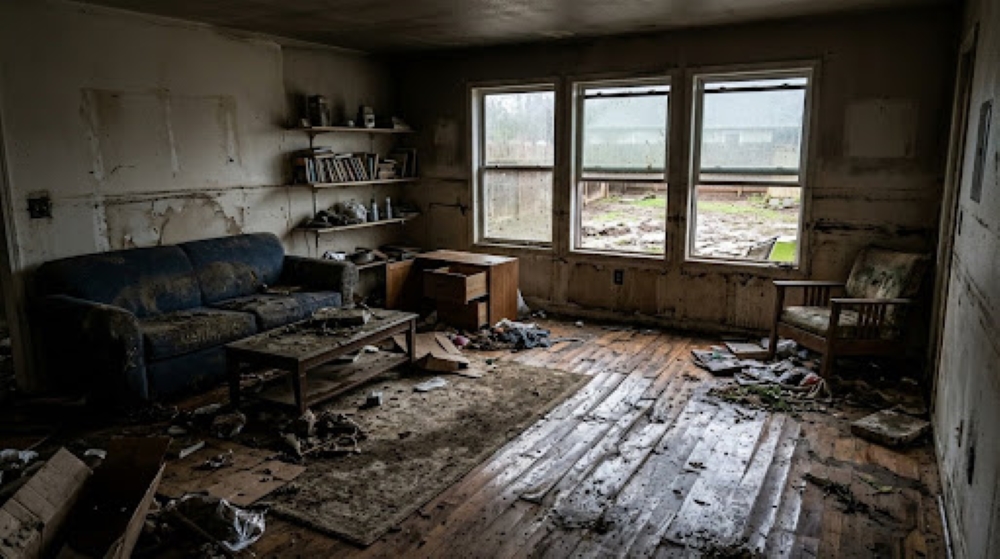
Protecting Your Ground Floor From Fast-Moving Floods
Ground floor flooding can turn a normal day into a big mess in just a few minutes. When water races across your yard and into your home, it rarely stays in one small spot. It spreads into living rooms, kitchens, bedrooms, and hallways, soaking everything in its path and making the space unsafe to use.
In and around Powder Springs, heavy storms and strong downpours are a regular part of late spring and summer. Since most homes in Georgia do not have basements, the main living level sits close to the ground and is more exposed to stormwater, rising creeks, and even sewer backups. That means the spaces you use the most are often the first ones hit.
Professional flood damage restoration in Powder Springs helps limit how far the damage goes. With the right equipment and training, a local team can work to protect the structure of your home, clean and dry your belongings, and help lower health risks from dirty water and fast-growing mold.
Why Ground Floor Flooding Hits Georgia Homes So Hard
Ground floor flooding around Powder Springs usually does not come from one single cause. It often starts with weather, then small problems around the house make it worse. Intense thunderstorms and the leftovers from tropical systems can quickly dump large amounts of rain. When that water has nowhere to go, it looks for the lowest opening, and that is often your doors or garage.
Some common local trouble spots include:
- Clogged gutters and downspouts that spill water right next to the foundation
- Poor grading that slopes toward the house instead of away from it
- Driveways and patios that channel water toward doors
- Drainage systems that cannot keep up with short, heavy bursts of rain
Many Georgia homes are built on slabs or with crawlspaces. These styles sit low, which can be helpful for access but risky during storms. Ground-level entryways, low door thresholds, and unprotected patio or garage doors can let water sneak in quickly. Even a small gap at the bottom of a door can become a path for water when it is pushing hard against the house.
Flooding on a ground floor is different from flooding in a basement. Basements often hold storage and mechanical equipment. Ground floors usually have:
- Finished flooring like hardwood, laminate, or tile
- Built-in cabinets in kitchens, baths, and laundry rooms
- Electrical outlets and low wall switches exposed to water
- Furniture, electronics, and personal items sitting right on the floor
When these spaces flood, daily life is disrupted right away. You may lose access to your kitchen, bathrooms, or main entrance. That is why fast, focused help makes such a big difference.
First Steps When Water Rushes Into Your Ground Floor
When water starts pouring into your ground floor, safety should always come first. Standing water can hide sharp objects, trip hazards, or damaged wiring. If it is safe and you can reach the panel without stepping into water, turning off electricity to the affected area can lower the risk of shock. If you are not sure, stay out of the water and wait for professionals.
If the water looks dirty or smells bad, it might contain sewage, chemicals, or other harmful material. Avoid touching it with bare skin. Children and pets should be kept far from the flooded area.
Right after you notice flooding, focus on a few key steps:
- Contact a 24/7 local restoration provider that handles flood damage
- Notify your insurance company about what is happening
- From a safe, dry spot, take photos or videos of visible damage
There are also some things you should not try to handle on your own:
- Do not use a household vacuum or shop vacuum on standing water
- Do not start tearing out drywall, flooring, or cabinets without a plan
- Do not run fans or open lots of windows when the air outside is hot and humid
High humidity can push moisture deeper into walls and floors instead of drying them. That can create better conditions for mold to grow in hidden spaces.
How Professional Flood Damage Restoration in Powder Springs Works
When a trained restoration team arrives at a flooded ground floor, the first priority is to understand what the water touched and how far it spread. That usually starts with a walk-through of the affected areas, moisture readings inside walls and floors, and checks for safety issues.
A typical flood damage restoration process may include:
- Standing water extraction using professional pumps and vacuums
- Removal of unsalvageable carpet, padding, and certain laminate floors
- Careful removal of damaged baseboards and portions of drywall if needed
- Strategic placement of air movers and dehumidifiers to dry the structure
- Cleaning and applying antimicrobial products on affected surfaces to help limit mold growth
On ground floors around Powder Springs, we often see a mix of materials that respond differently to water. Drywall can wick moisture upward, cabinets can swell or separate, and wood or laminate floors can warp. A local team familiar with common construction styles and finishes in the area can make better choices about what can be dried in place and what needs to be removed and replaced.
Throughout the process, communication matters. Homeowners want to know which rooms are safe to enter, what items might be saved, and roughly how long drying will take. A clear plan helps you understand each step, from initial extraction to any needed reconstruction.
Preventing Future Ground Floor Floods Before Storm Season
While no one can stop storms from rolling through Powder Springs, there are ways to make ground floor flooding less likely or less severe. Good exterior maintenance is a smart starting point. Small changes outside can keep a surprising amount of water away from your doors.
Helpful exterior steps include:
- Cleaning gutters and downspouts on a regular schedule
- Extending downspouts to discharge water several feet from the foundation
- Improving grading so soil slopes gently away from the house
- Checking around doors, garage thresholds, and patio entries for gaps
- Installing or improving French drains or yard drains where water tends to pool
Inside the home, think about how water would move if it did get in and which items are easiest to protect. Simple changes can give you more time to react.
Smart interior tips for ground floor protection:
- Elevate appliances like washers, dryers, and freezers where possible
- Install water alarms in laundry rooms, near water heaters, and under sinks
- Store important documents and valuables on higher shelves or upper floors
- Keep furniture and area rugs off exterior walls that often get wet
For homes that have had repeat flooding or are near creeks and drainage ditches, it may make sense to talk with professionals about more advanced options. That might include better door weatherstripping, sump systems for crawlspaces, or backwater valves that help reduce the chance of sewage pushing back into the home during heavy rain.
Taking these steps before storm season ramps up can make a big difference. Even if flooding still happens, the damage may be less severe and cleanup may move faster.
Protect Your Home With Expert Flood Damage Restoration Today
When water damages your property, every minute counts, and Puroclean – Powder Springs is ready to respond quickly and thoroughly. Our certified team provides trusted flood damage restoration in Powder Springs to help reduce losses and restore your home safely. We will assess the damage, create a clear plan, and keep you informed at every step. If you are facing flooding or water damage right now, contact us so we can start helping you immediately.